






 Portuguese
  Spanish


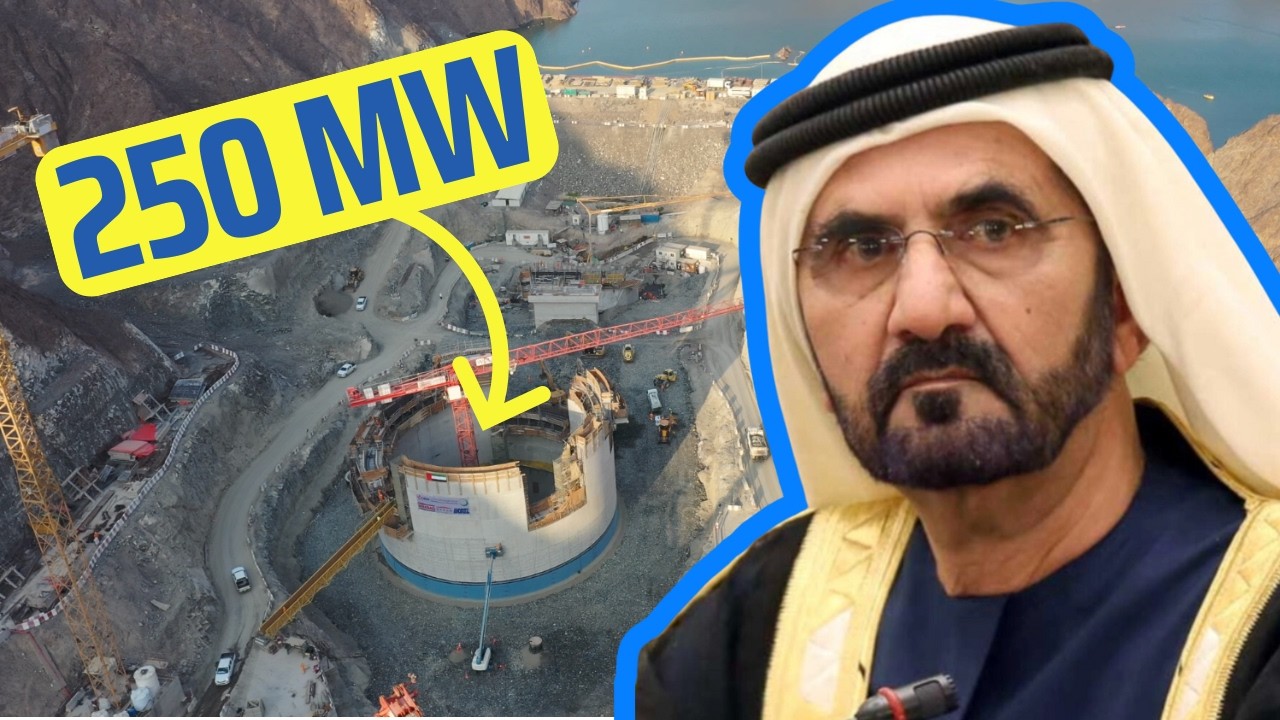


Dubai builds a 250 MW and 1,500 MWh hydraulic battery in Hatta to store solar energy in the desert. Learn about the reversible hydroelectric plant of the Mohammed bin Rashid Al Maktoum Solar Park.
Amidst the rocky mountains of Hatta, a Dubai enclave near the border with Oman, the Dubai Electricity and Water Authority commenced test operations on August 19, 2025, for a reversible hydroelectric power plant designed to address one of solar energy’s biggest bottlenecks: storing electricity when the sun disappears. According to DEWA itself, the project has a 250 MW generation capacity, 1,500 MWh of storage, and an estimated lifespan of up to 80 years, making it the first structure of its kind in the Gulf Cooperation Council region. The logic seems simple, but it involves heavy engineering on an extreme scale. The clean energy generated by the reversible hydroelectric plant at the Mohammed bin Rashid Al Maktoum Solar Park is used to pump water to an upper reservoir; then, when the grid needs electricity, this water flows down through a 1.2 km underground tunnel, spins reversible turbines, and can deliver power to the DEWA grid in up to 90 seconds, with a cycle efficiency of 78.9%.
The structure includes a power station built 60 meters underground, two main valves weighing approximately 110 tons each, and an upper reservoir with an approximate capacity of 5.3 million m³ of water.
Reversible hydroelectric project transforms mountain reservoirs into an electrical storage system
The Hatta system operates based on the principle of reversible hydroelectricity. According to the Dubai Electricity and Water Authority, the structure will utilize two reservoirs at different altitudes connected by tunnels and pipelines.
-
Brazilian scientists are simultaneously advancing two research projects on clean hydrogen and driving solutions that could transform the energy matrix, enhance industrial competitiveness, and accelerate large-scale emission reduction targets.

-
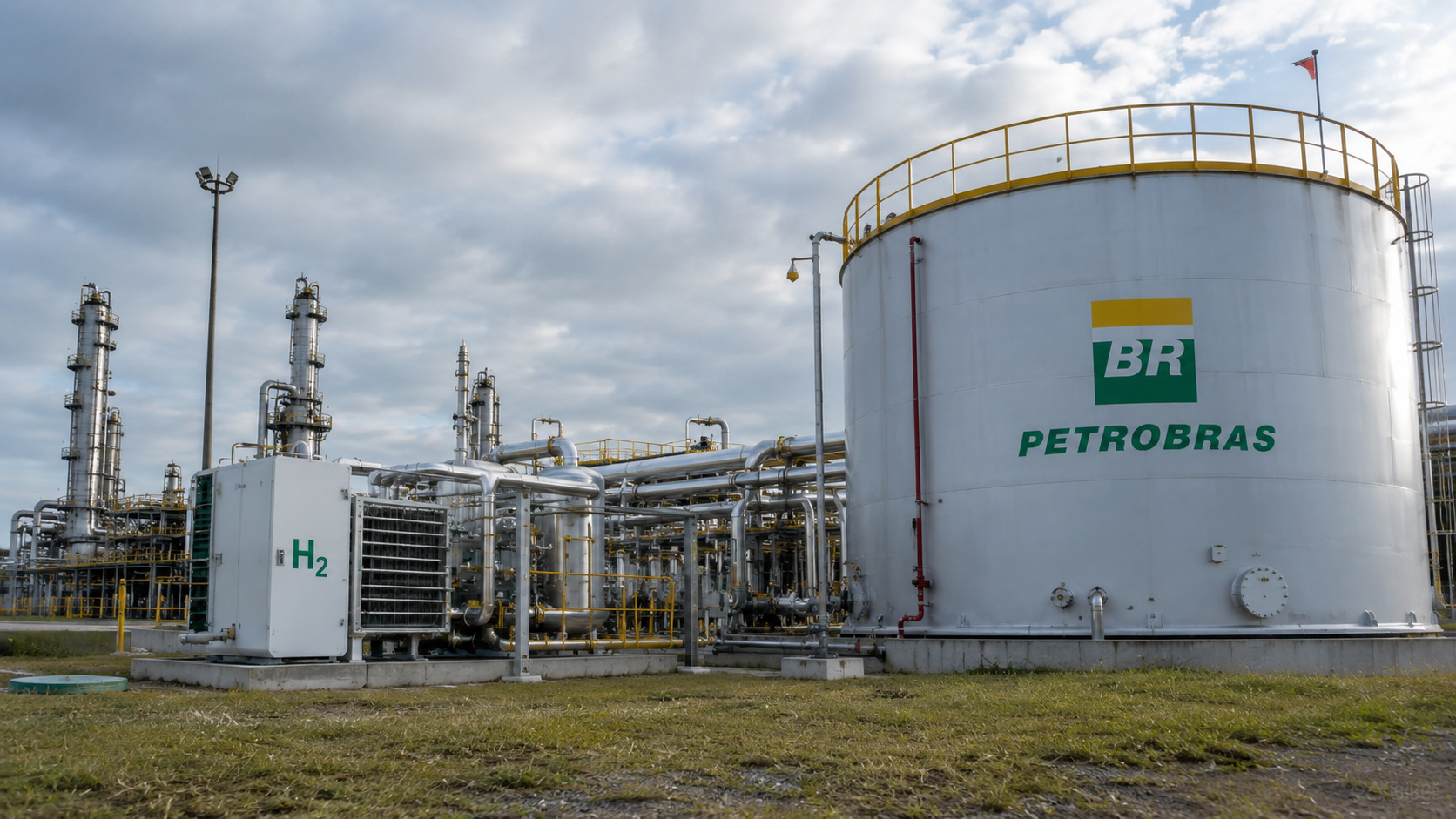
Advancement in renewable energy: A R$ 150 million project launched by Petrobras and Finep aims to create state-of-the-art electrolyzers for green hydrogen, strengthening national research and preparing Brazil to compete in a billion-dollar energy market.
-
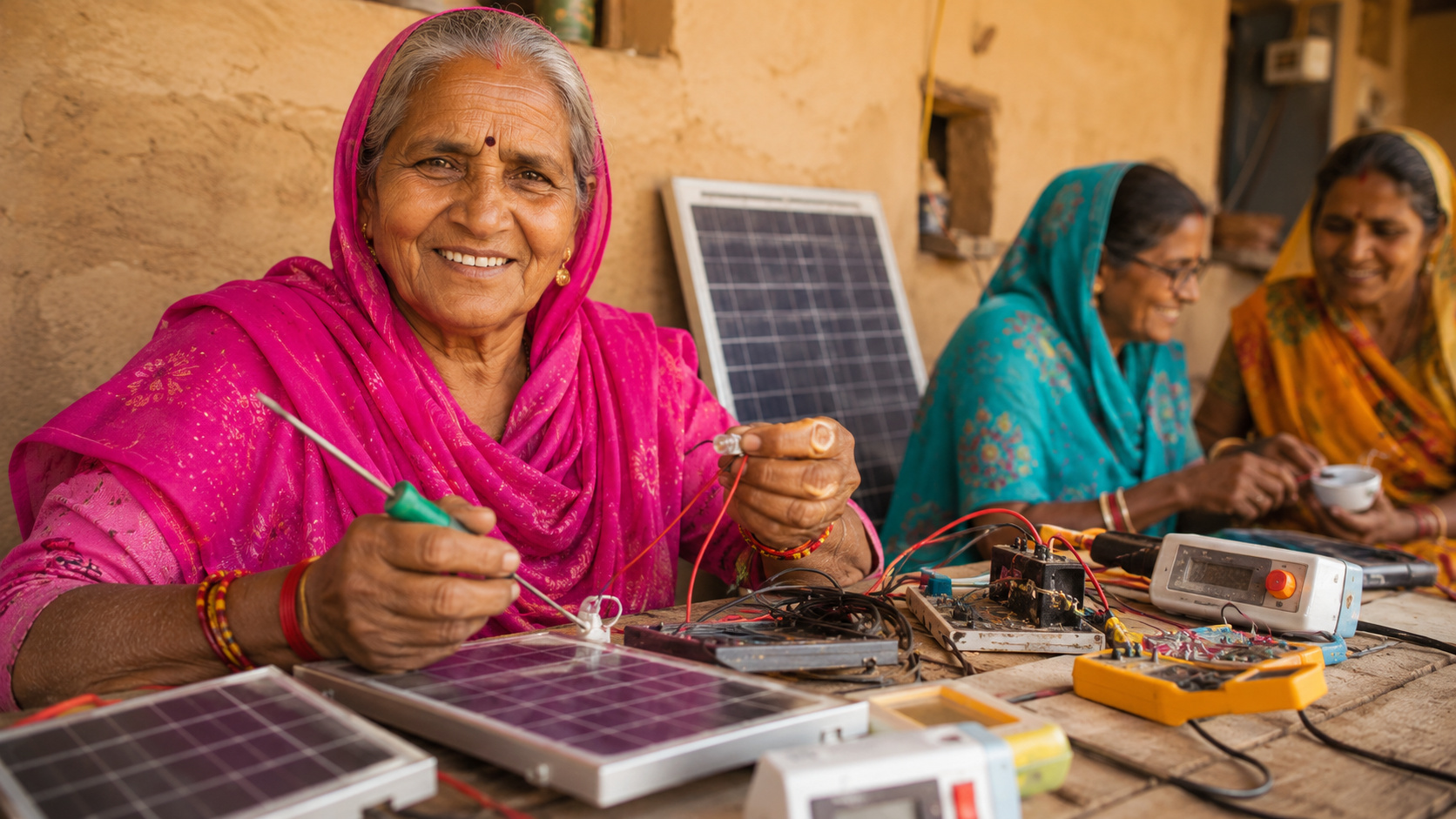
Illiterate or semi-literate grandmothers were trained to repair solar systems, open rural workshops, and light up homes that still depended on kerosene.
-
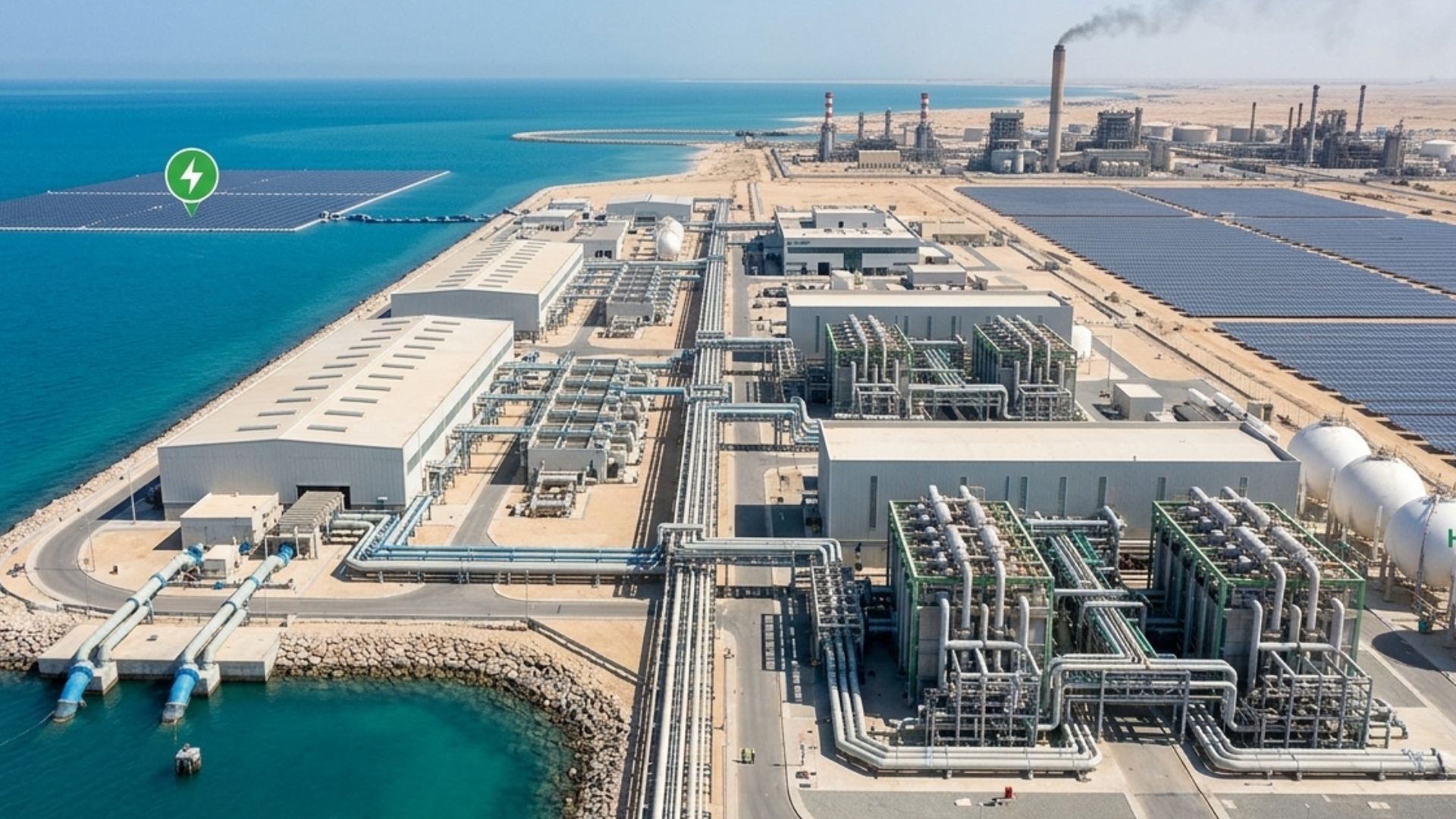
The world has bet on green hydrogen as the fuel of the future, but now faces the side effect: producing 1 kilogram requires about 9 liters of ultrapure water, and the largest projects on the planet are precisely in the driest regions of the Earth, where water is already scarce for people.


When there is excess solar generation during the day, the available electricity powers pumps that send water to the upper reservoir.
Later, when demand increases or the sun stops producing energy, this water returns to the lower reservoir, passing through turbines that generate electricity again. In practice, the mountains function as a giant gravitational battery.
Structure will have 250 MW of power and 1,500 MWh of storage
The technical figures help illustrate the project’s scale. According to DEWA, the plant will have an installed capacity of 250 MW and energy storage capacity of up to 1,500 MWh.
This means the system can store electricity produced throughout the day for later use during periods without solar generation.


Although the project is smaller than some Chinese mega-installations for hydraulic storage, it holds immense strategic relevance for a desert region heavily dependent on solar energy.
Dubai attempts to solve an invisible problem of solar energy with its innovative reversible hydroelectric plant
Solar energy has a significant structural limitation: it disappears precisely when night begins, and many cities continue to consume large quantities of electricity.
This creates a challenge known as intermittency. During the day, solar parks can produce excess energy. But at night, generation drops drastically.
Energy storage has thus become a central piece of the global energy transition. In Dubai’s case, the chosen solution combines large-scale solar generation with long-duration hydraulic storage.
Estimated lifespan of Dubai’s reversible hydroelectric plant reaches 80 years
Another impressive technical detail of the project is its projected lifespan. According to DEWA, the system was designed to operate for up to 80 years.
This represents a significant difference compared to many chemical batteries, which require replacement after prolonged cycles of use.
Reversible power plants primarily use water, turbines, and reservoirs, allowing for long-term operation with proper maintenance. Dubai’s bet is to transform physical infrastructure and natural geography into permanent energy storage.
Hatta region became an energy laboratory in the middle of the mountains
Hatta is located in a mountainous area unusual for UAE standards. While much of the country is associated with desert plains, the region has rocky terrain capable of enabling reservoirs at different altitudes.

This geographical feature was essential for the choice of location. The height difference between reservoirs is precisely what allows for the storage of gravitational potential energy.
The Hatta system integrates the UAE’s energy transition plans. Dubai has been rapidly increasing the participation of renewable sources in its electricity matrix, especially through the gigantic Mohammed bin Rashid Al Maktoum solar park.
But the greater the installed solar generation, the greater the need for energy storage. Reversible power plants then came to be seen as a strategic complement to stabilize the electricity grid.
Water goes up the mountain when there’s surplus energy and comes down when the city needs it
The operational functioning of the system follows a relatively simple logic.
During the day:
- solar parks generate electricity;
- part of the energy supplies the grid;
- the surplus pumps water upwards.
At night:
- water descends;
- turbines spin;
- electricity returns to the grid.
Although the principle has been known for decades, the modern scale of these projects has been growing rapidly due to the global expansion of renewable energies.
Reversible hydropower has become one of the largest forms of storage on the planet
Even with the growth of lithium batteries, most large-scale energy storage in the world still relies on reversible hydropower plants.
This happens because hydraulic systems can store large volumes of energy for extended periods.
Furthermore, the technology boasts high efficiency and long operational durability. In Hatta’s case, hydraulic storage functions as a direct complement to the desert’s solar strategy.
Project blends hydraulic engineering, renewable energy, and long-duration infrastructure
The Hatta system is not just a conventional power plant. It combines elements of hydraulic engineering, energy storage, mountainous infrastructure, and integration with solar energy.
This transforms the project into a kind of hybrid between a dam, a battery, and an energy management system. The United Arab Emirates has been investing heavily in technologies related to energy transition.

In addition to giant solar parks, the country also explores green hydrogen, efficient desalination, and new forms of storage. In Hatta’s case, the goal is to reduce dependence on fossil fuels during nighttime peak hours.
Project shows how hot countries are trying to transform excess sun into continuous electricity
Desert regions have enormous solar potential but face precisely the challenge of energy continuity.
Without storage, the energy produced during the day cannot fully meet nighttime consumption.
Projects like Hatta try to solve this problem by transforming daytime solar excess into an energy reserve usable hours later.
Dubai is literally using mountains as invisible electricity vaults
Perhaps the most impressive aspect of the project is precisely its conceptual simplicity. Instead of storing energy in complex chemicals, Dubai decided to use gravity, water, and mountainous terrain.
- When water rises, energy is stored.
- When it descends, energy returns to the grid.
- The entire mountain becomes part of the electrical infrastructure.
Now, the main question is to what extent such systems can spread worldwide as a long-term alternative for storing renewable energy on a much larger scale than conventional batteries can currently support.





