






 Portuguese
  Spanish
  3 min of reading
  0 comments


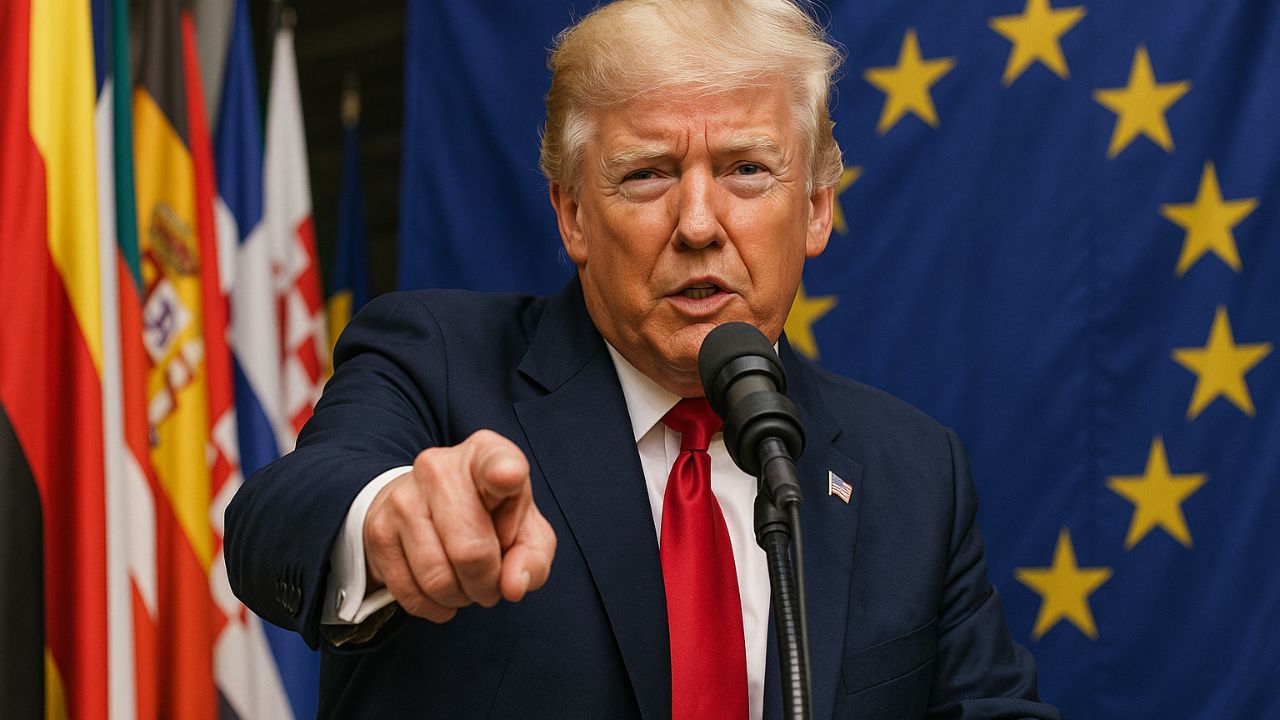
Threats From Donald Trump About Digital Policies Lead to Calls for the European Block to Use a Powerful and Unprecedented Economic Defense Tool.
Calls are growing for the European Union (EU) to use its “trade bazooka” against the United States. The pressure arises after Donald Trump threatened to impose new tariffs and trade restrictions. The targets are countries that impose digital taxes and laws on American companies.
Trump’s Threat: New Tariffs Against European Digital Laws
In a social media post, Donald Trump promised to apply “substantial additional tariffs”. He also threatened to restrict the export of “technology and chips” to nations with digital regulations. Although Europe was not mentioned directly, Trump has criticized the block’s digital services and market laws. These laws aim to protect online users and combat monopolies of large tech companies.
Tension has increased with the news that the U.S. was considering imposing sanctions. The sanctions would take the form of visa restrictions on EU officials responsible for these digital laws. This statement comes just days after the EU and the U.S. published details of a trade agreement reached in July, in which Brussels stood firm on its digital policies.
-
For the first time in history, solar and wind energy generated more electricity than natural gas worldwide in a single month, April 2026, a milestone in the energy transition that shows renewable sources taking the lead in the global electric system.

-
Petrobras is expected to complete the drilling of the Morpho well in the Foz do Amazonas in August 2026, the first well in the Equatorial Margin, an oil frontier that the ANP estimates at more than 30 billion barrels and could redraw the map of Brazil.
-
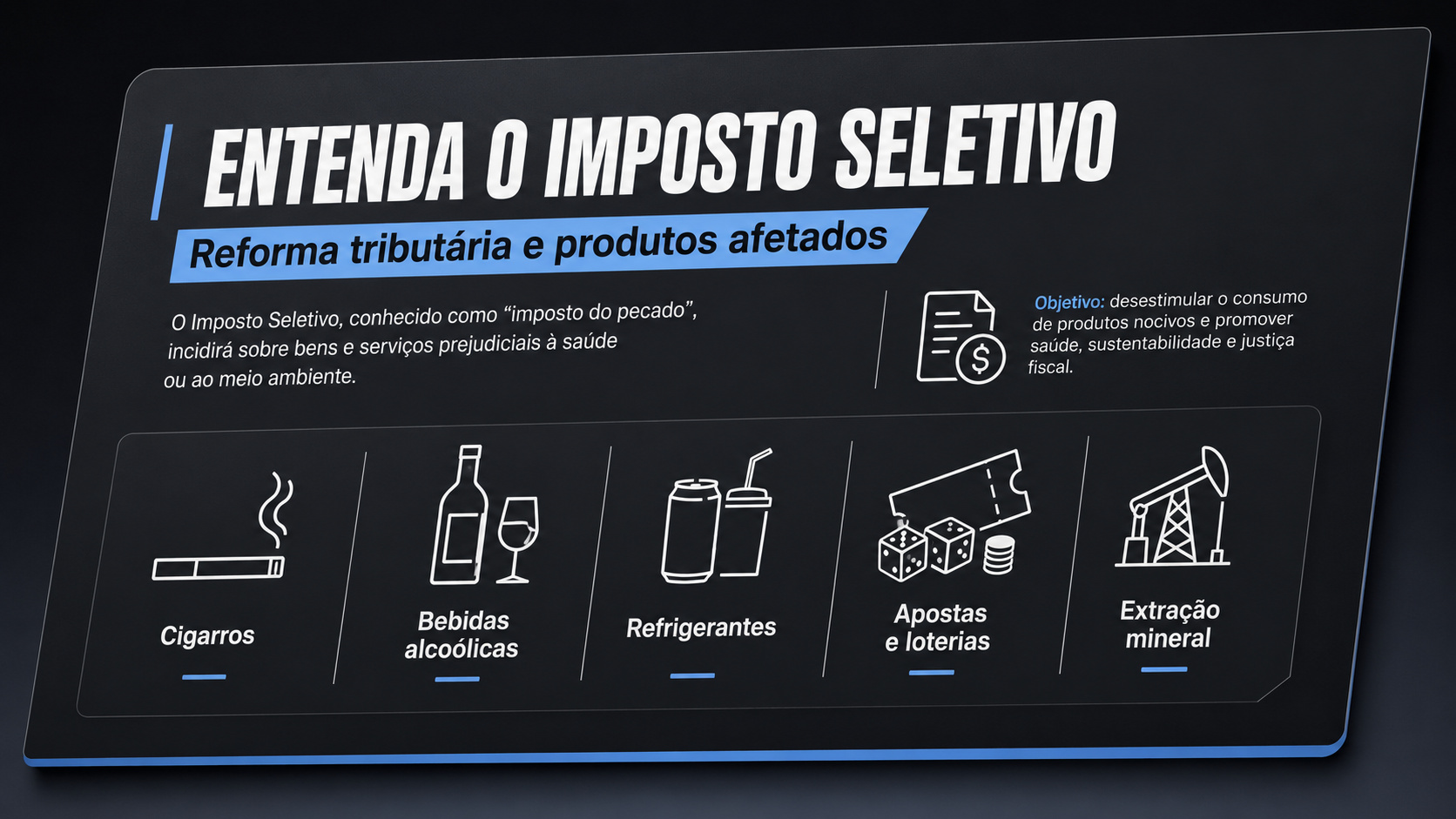
Government confirms sin tax for 2027 and explains why alcoholic beverages and cigarettes should not become more expensive right away, despite the new tax also covering soft drinks, polluting vehicles, mineral extraction, lotteries, betting, and fantasy sports games in a change that still depends on Congress.

-
Anvisa reveals flaws in supplements from IDNLABS and suspends 11 batches that include creatine, BCAA, beta-alanine, and multivitamins; the measure affects products with quality, composition, and labeling issues, while consumers are advised to check the printed codes on the packaging.



The European Commission’s Firm Position
The European Commission has stated that it will not be influenced by threats. Spokesperson Paula Pinha stated that it is the sovereign right of the EU and its members to regulate economic activities in their territory. The block’s digital laws have been used to investigate companies like Meta, X, Shein, Temu, and TikTok.
Despite the threats, the block continues with plans to lower tariffs on U.S. products, according to the July agreement. The EU has also not issued any formal guidance to officials who might be targets of potential sanctions.
The Anti-Coercion Instrument: The EU’s ‘Bazooka’
Trump’s intervention has led to new calls for the EU to activate its Anti-Coercion Instrument (ACI). This is a powerful trade weapon. It was initially conceived as a response to Trump’s tariffs during his first term. Its development was accelerated in 2021 after China imposed an unofficial trade embargo on Lithuania.
The ACI has never been used. It allows Brussels to adopt a wide range of economic countermeasures if the EU or a member state is coerced by an external power. To be activated, it requires a proposal from the commission and approval by a qualified majority of the 27 member countries.
To Use or Not to Use the Tool Against Trump’s Tariffs?
The use of the ACI has been widely debated during the early months of Trump’s presidency. Nations like France and Germany have voiced support for its implementation. However, several diplomats are not convinced there would be enough support to execute it. A senior diplomat from a major EU state expressed doubt about the consensus among member states.
European legislators, on the other hand, have begun to speak out. Barry Andrews from the European Parliament stated that Europe must show it is ready to use its “big bazooka”. Marie-Pierre Vedrenne, a French legislator, said that the EU can no longer tolerate “those who use customs rights as a weapon of blackmail”.
Credibility and Sovereignty at Stake
Experts point out that the block faces a crucial decision. David Kleimann from the ODI Global think tank said the EU has three options: activate the ACI, ignore the threats from Trump, or shelve its digital legislation. According to him, failing to activate the instrument would mean a loss of credibility.
Holger Hestermeyer from the Vienna School of International Studies believes that European leaders will have to “tighten the rules” to preserve their autonomy. According to Kleimann, the EU must now signal that it is willing to defend its sovereignty. He adds that the block needs to prepare its citizens for the costs that this defense may entail.







Be the first to react!