






 Portuguese
  Spanish
  6 min of reading
  0 comments


The prefabricated house VERA S, sold by Pineca, appears as a wooden house and a 132 m² house with four bedrooms in Spain. The model starts at 45,751 euros and reaches 80,059 euros in the version for living, without assembly, installation, and architect included for the final buyer in the European market.
The prefabricated house VERA S, marketed by Pineca, gained prominence in Spain as a wooden house and 132 m² house with the possibility of up to four bedrooms. The model was featured in a report published by idealista/news on March 18, 2026.
The proposal targets families seeking more space at a time of rising traditional housing costs in the Spanish market. According to the source, the price starts at 45,751 euros in the version with 66 mm insulation and reaches 80,059 euros in the configuration with plus insulation, without assembly, installation, and architect included.
Wooden model draws attention for its size and price
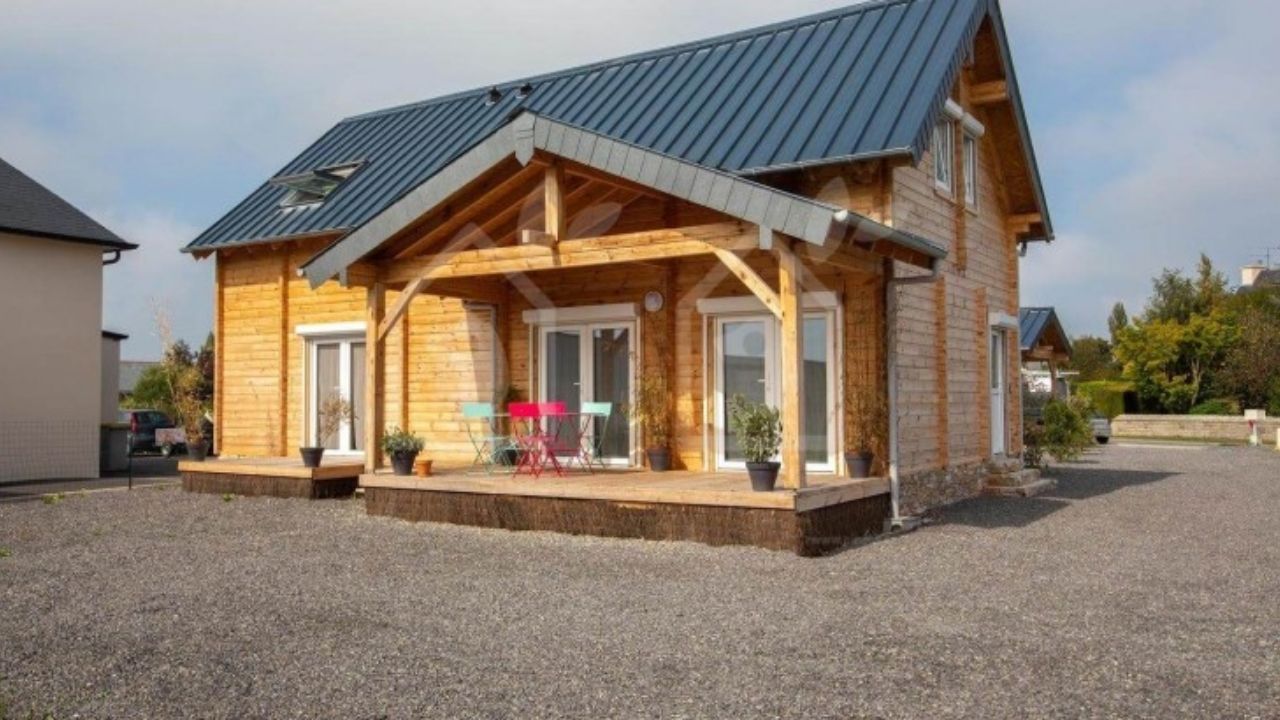
The prefabricated house VERA S stands out because it combines ample square footage with an initial price lower than many conventional properties. With 132 m² of interior space, the project offers two floors and a layout aimed at families needing separate environments.
-
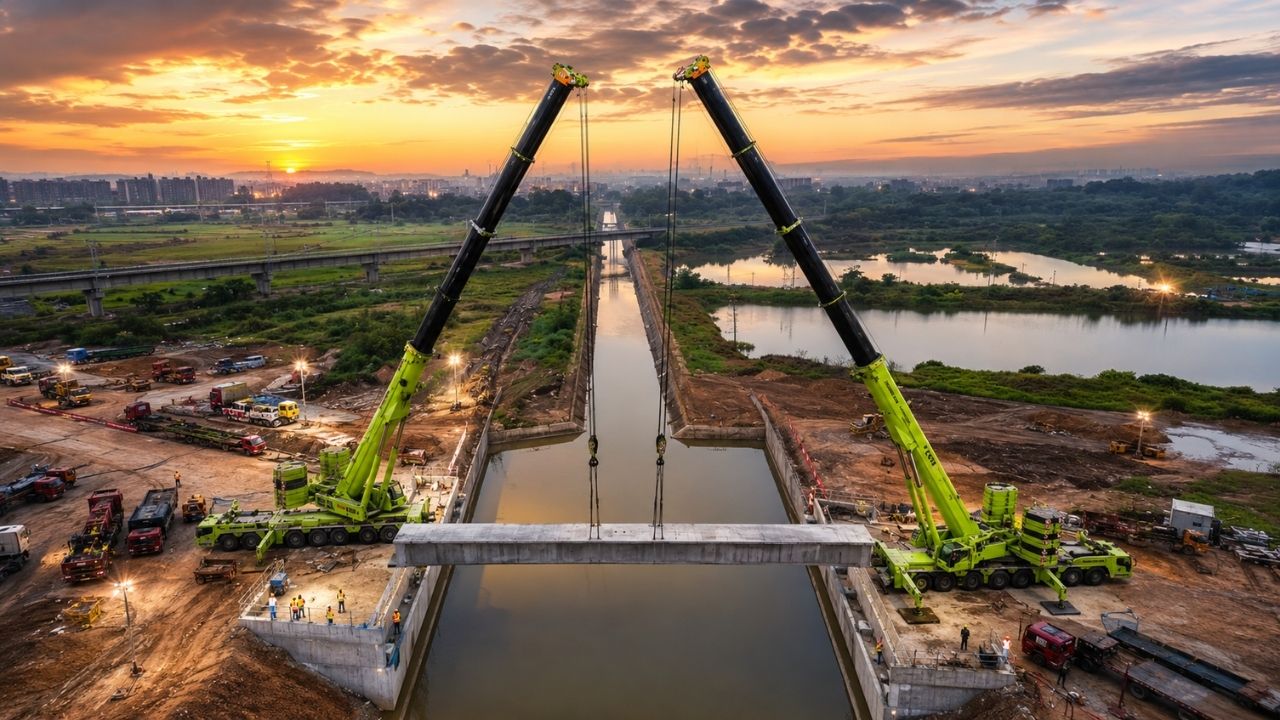
China builds a bridge over a river in just 24 hours using two 650-ton Zoomlion cranes, 9 beams of 125 tons, and a convoy of over 100 km with trailers, counterweights, and heavy trucks in synchronized operation during the early hours.

-
Man builds house with concrete made from recycled paper and attracts attention in Portugal; named Porta do Caracol, the home features solar panels, a vertical garden, and a pool with natural filters.
-
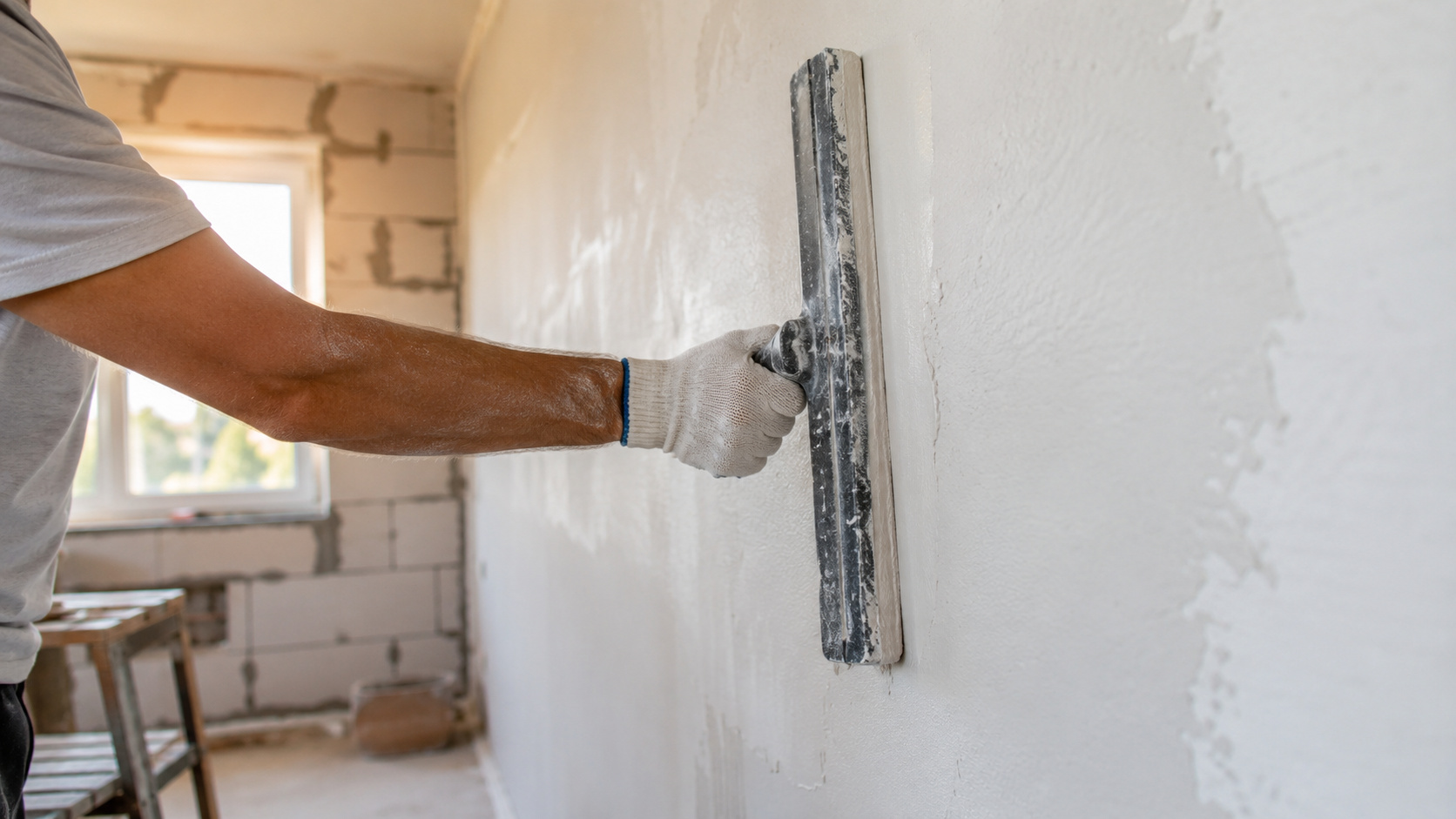
Goodbye to conventional plaster? New material used on walls reduces waste and steps in construction and draws the attention of engineers by offering faster application and greater construction efficiency – discover the advantages of smooth gypsum.

-
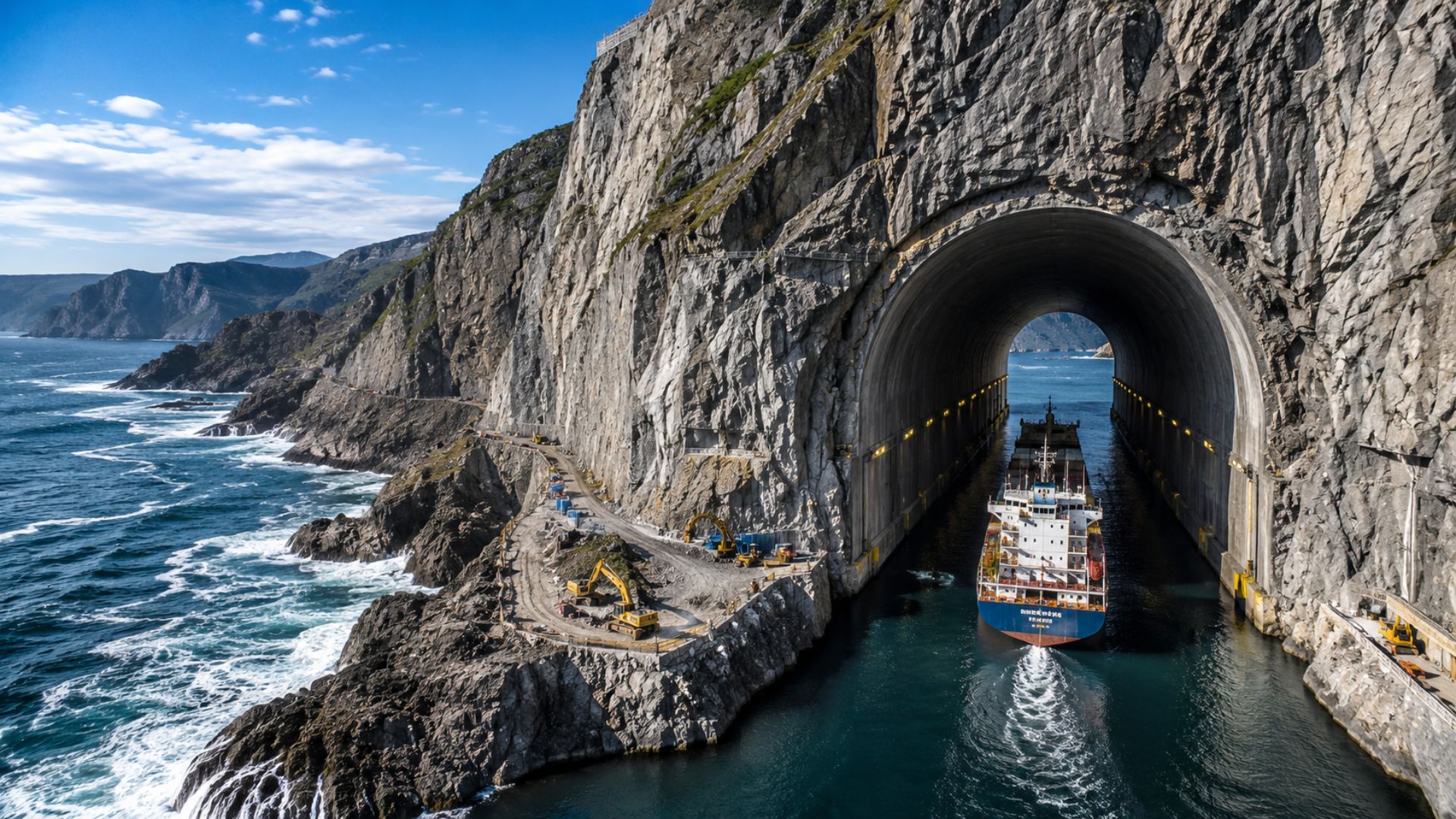
Norway will excavate 3 million cubic meters of rock to open a 1,700-meter maritime tunnel, where ships will pass through a mountain in 10 minutes, escaping a stretch that has killed more than 30 people since 1900.


The model also attracts attention for using wood as the main material. The proposal combines rustic aesthetics, modular assembly, and the possibility of internal adaptation, features that help explain the growing interest in prefabricated houses in the Spanish market.
Despite the entry price seeming attractive, there is an essential point: the value does not represent the house ready to live in under any condition. The source informs that assembly, installation, and architect are the buyer’s responsibility, which can increase the final project cost.
Version for living can reach 80,059 euros
The initial price quoted for the prefabricated house is 45,751 euros in the version with 66 mm insulation. The configuration with plus insulation, consisting of 44 mm plus cladding, reaches 80,059 euros.
According to the source, this more expensive version is the one that complies with current regulations and can serve as a permanent residence. In other words, the lower price helps attract attention, but the suitable option for permanent living may require a larger investment.
This difference is important to avoid a misleading reading of the price. A modular house may seem very cheap in the advertisement, but the buyer needs to consider insulation, adaptation to the terrain, installation, licenses, technical project, and professional costs.
Two floors and up to four bedrooms expand family use
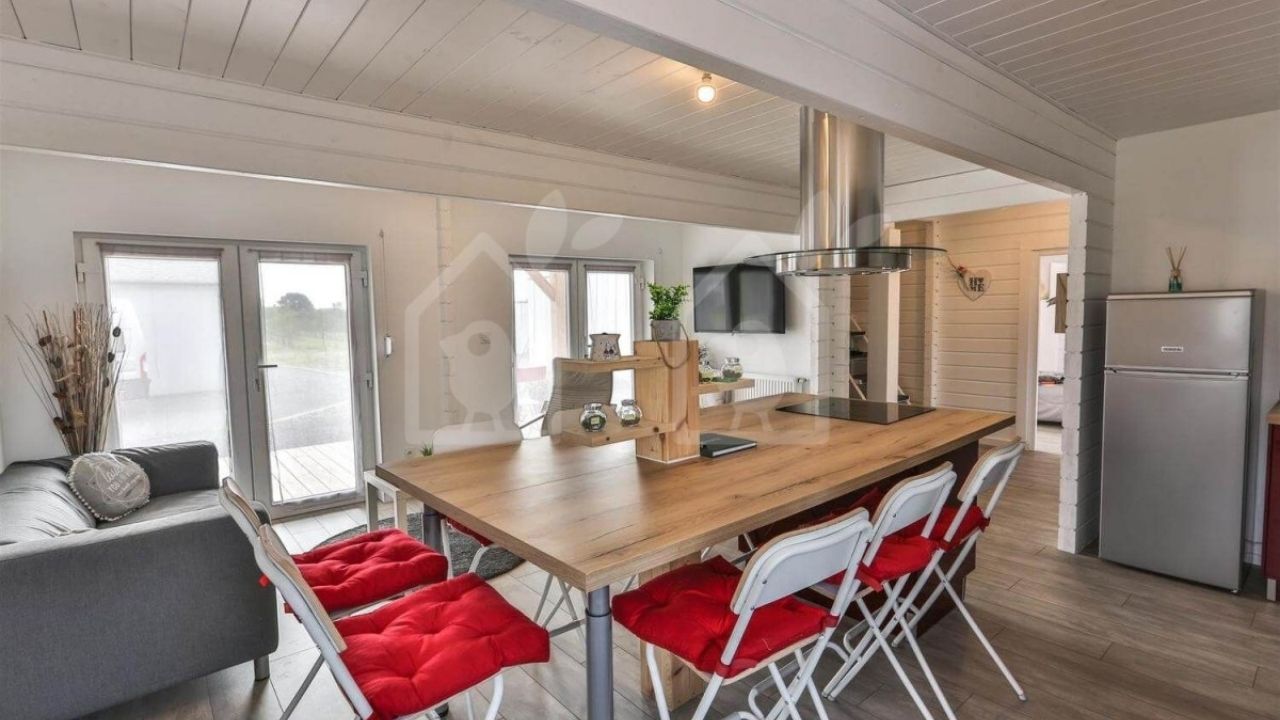
The VERA S has two floors and flexible distribution. On the main floor, the source highlights a large living room with direct access to the outside, designed as the social area of the residence.
In the same project, there is also a master bedroom on the first floor. The second floor can be configured with two to four bedrooms, depending on the family’s needs.
This flexibility allows the prefabricated house to serve different resident profiles. It can accommodate medium-sized families, larger households, people who frequently receive visitors, or buyers who wish to reserve a room for an office and teleworking.
Covered porch adds living area
Another detail mentioned by the source is the covered porch of 13.5 m². In a wooden house, this outdoor space helps to enhance the feeling of open living, especially in regions where the climate favors outdoor living.
The porch also reinforces the appeal of a second home, rural house, or leisure property. Even so, due to the size and the possibility of insulation, the model can go beyond occasional use.
The strength of the project lies in the mix between a large internal area and a functional external space. For those looking for an alternative to traditional construction, this type of detail can weigh as much as the number of bedrooms.
Solid wood and insulation are at the core of the proposal
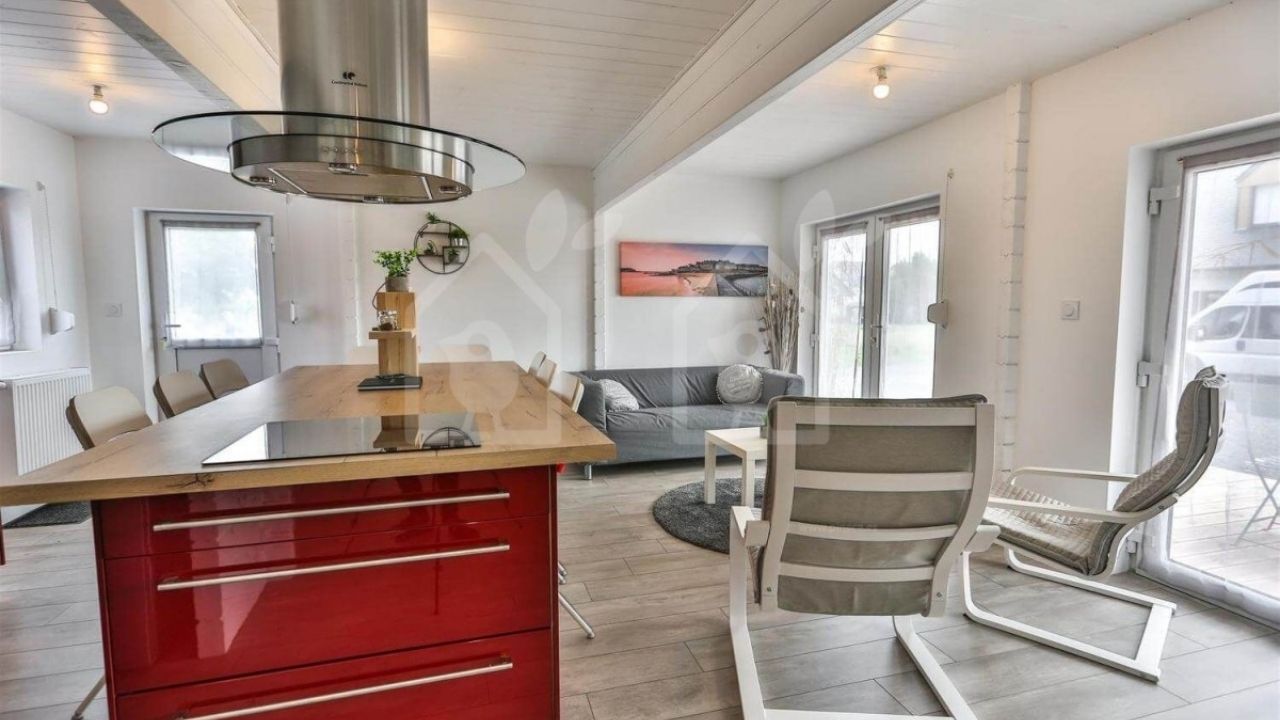
The source reports that the VERA S house is built with solid wood. This material is associated with durability, rustic appearance, and good insulation properties, provided the project is executed properly.
In the insulated version, the house can feature 200 mm rock wool in the ceiling, as well as insulated walls and floors with mentioned thicknesses of 150 mm and 100 mm. These elements are relevant because they influence thermal comfort and year-round use.
In prefabricated houses, insulation can be decisive in transforming a beautiful structure into a truly habitable dwelling. Therefore, the difference between the basic version and the version suitable for habitual residence should be observed carefully.
House can serve as a dwelling, second residence, or rural property
Due to its size and internal organization, the VERA S prefabricated house can have different uses. The source mentions the possibility of habitual residence, second residence, or rural house.
This versatility helps explain the interest in modular wooden models. They can attract those looking for a more affordable main property, but also those who want a weekend house or a property in a rural area.
The central point is that the decision does not depend solely on the catalog. Land, local regulations, insulation, foundation, installation, and technical project define whether the house will work well for the intended use.
Assembly, installation, and architect are not included
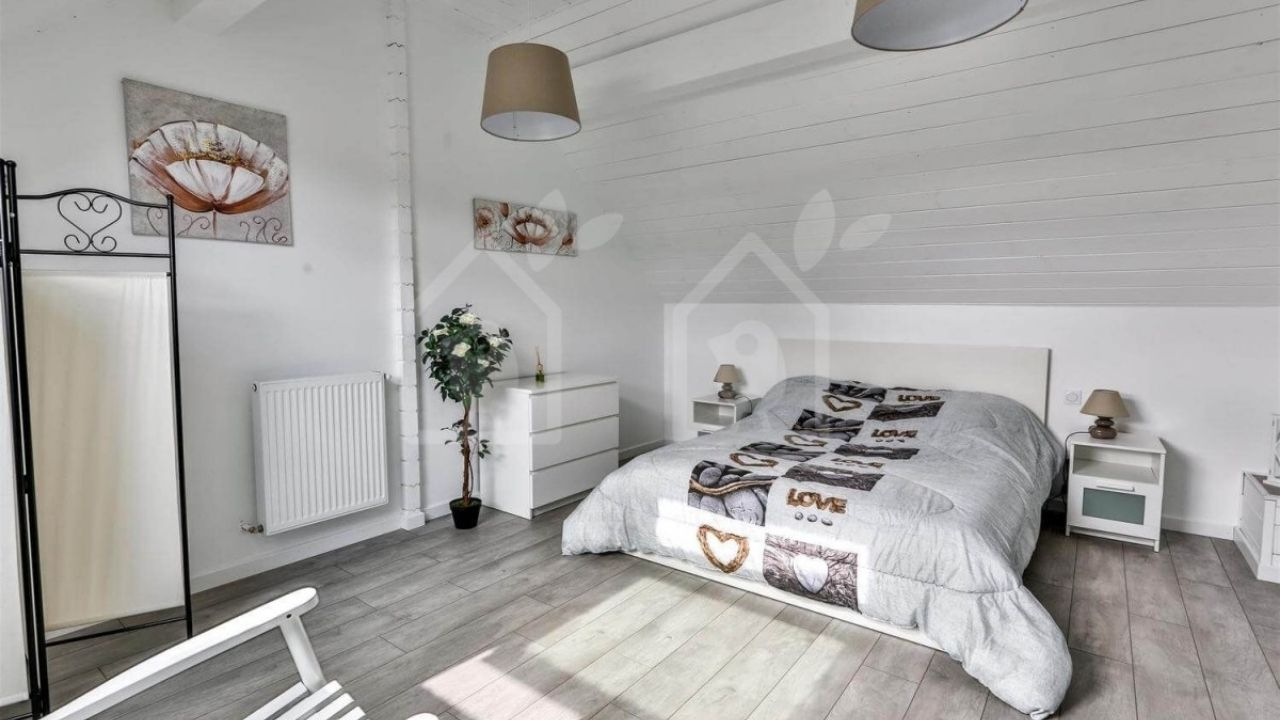
One of the most important pieces of information from the source is the exclusion of assembly, installation, and architect in the quoted price. This means that the advertised value should not be read as the total cost of the ready and regularized house.
In practice, the buyer needs to consider additional expenses to transform the basic kit or package into a usable dwelling. Depending on the land and local requirements, these costs can be significant.
This detail changes the perception of the price. The house can remain competitive, but the consumer needs to compare the complete final value, not just the sale price of the model in the catalog.
Prefabricated houses gain ground with the rise of traditional housing
The report indicates that prefabricated houses continue to gain prominence in Spain as an alternative to the rising cost of conventional housing. The speed of construction, customization, and more competitive price help drive interest.
This movement does not mean that every modular house is automatically cheap or simple. There are basic models, more equipped versions, leisure projects, and configurations suitable for permanent residence.
The growth of the sector shows that many families are looking for paths outside traditional construction. VERA S enters this context as an example of a spacious, modular, and adaptable house, but it requires careful reading of additional costs.
Price attracts attention, but final cost needs to be calculated
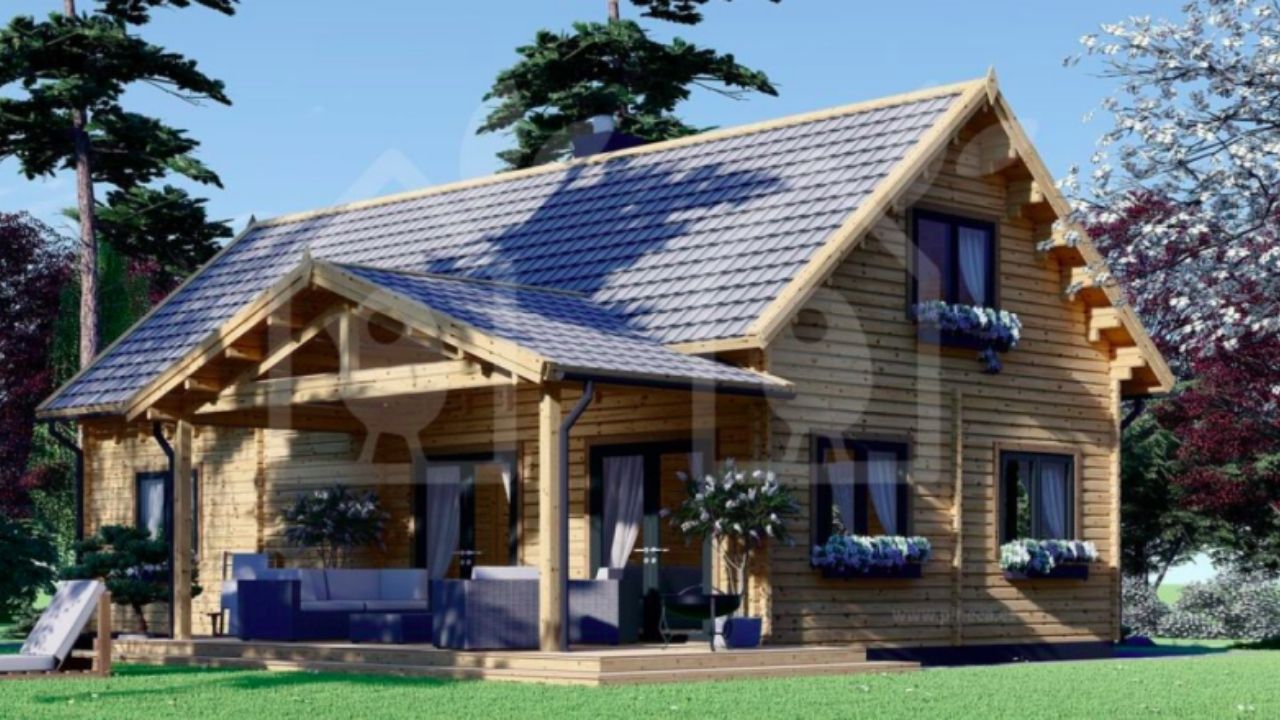
The prefabricated house VERA S impresses with its 132 m², two floors, up to four bedrooms, and starting price of 45,751 euros. The plus insulation version, indicated by the source as suitable for habitual residence, reaches 80,059 euros.
Even so, the purchase does not end at the model’s price. Assembly, installation, and architect are the buyer’s responsibility, making it essential to calculate the total cost before comparing with a conventional construction.
Would you live in a prefabricated wooden house like this, or would you still be hesitant to switch from traditional construction to a modular model? Do you think the price is worth it even without assembly and architect included? Share your opinion.







Be the first to react!