Portuguese
  Spanish


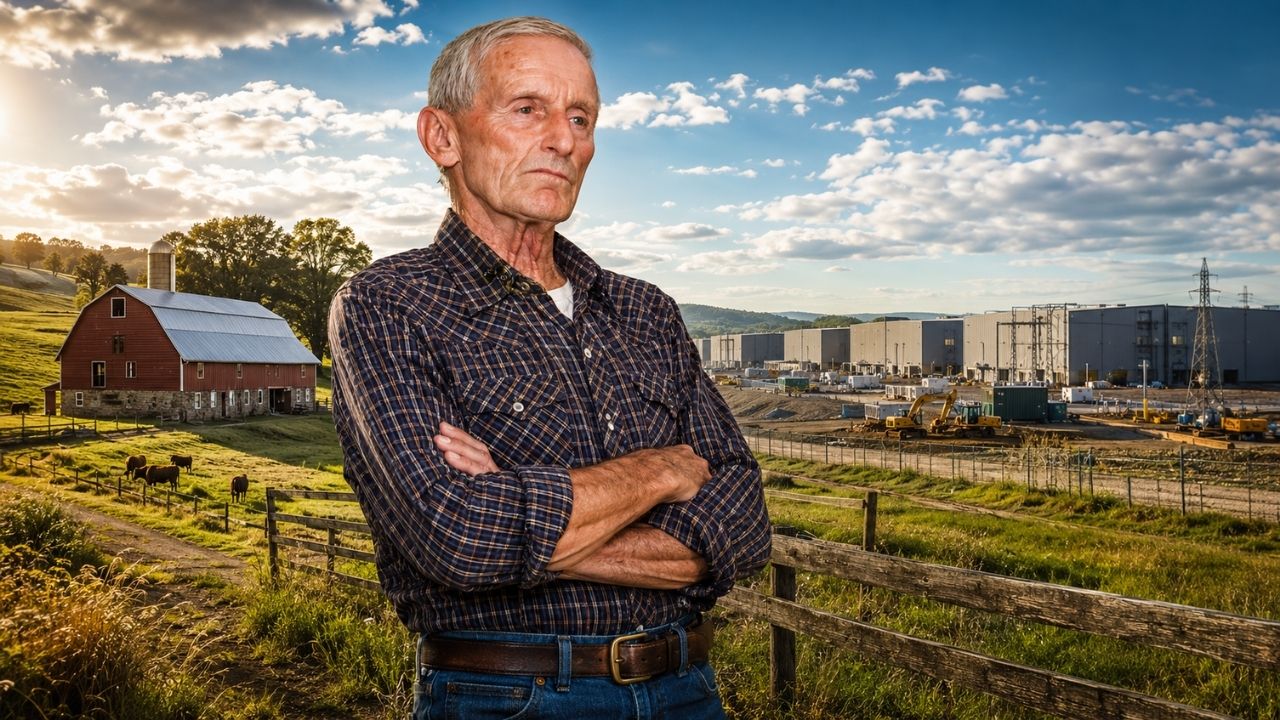

The farmer Mervin Raudabaugh, 86 years old, refused more than $15 million, preserved 261 acres, and chose land preservation in Pennsylvania. By keeping data center builders away, he kept family farms and land protected, accepting almost $1.9 million for development rights in a historic local municipal agreement.
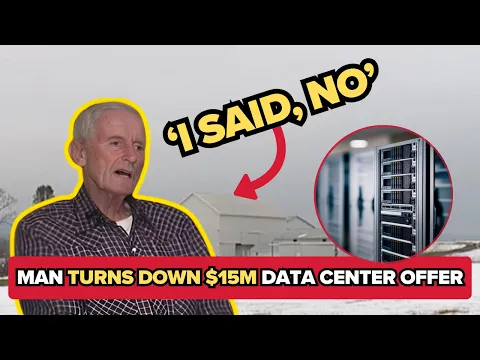
An 86-year-old farmer refused an offer of more than $15 million to preserve 261 acres linked to the family land in Pennsylvania, USA. The case involves Mervin Raudabaugh, a resident of Cumberland County, and was reported in February 2026 after interviews with local media.
According to a report published by the site People, the decision drew attention because he preferred land preservation, kept his farms away from data center builders, and refused the developers’ proposal. After that, he sold the development rights to the Silver Spring Township program for just under $1.9 million.
Million-dollar offer put the family land at the center of a difficult choice
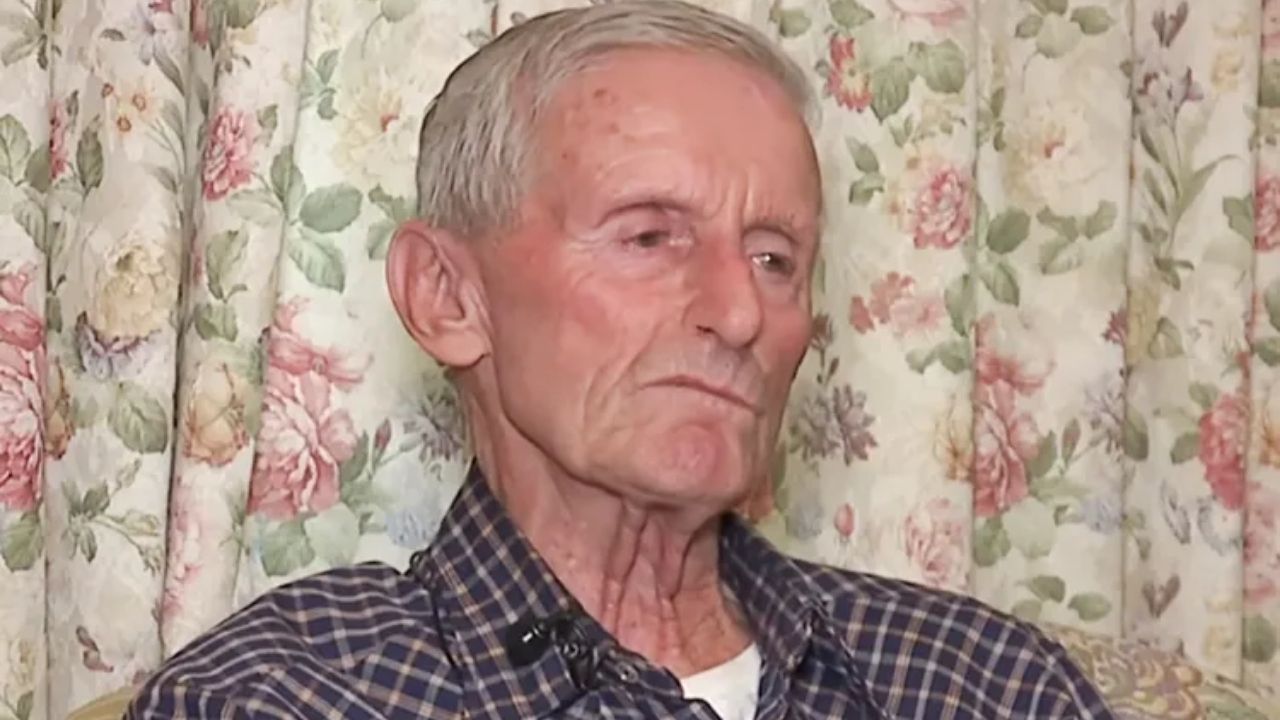
The proposal received by the farmer exceeded $15 million, with an estimated value of $60,000 per acre. For many rural landowners, it would be a rare financial opportunity, especially in a region pressured by new developments and real estate expansion.
-
Architecture Students Design 8×12-Foot Microhouse for Homeless in Newark, Proposing Compact Shelter as Urban Solution Amid Housing Crisis

-
From Humble Beginnings to Industry Leader: The 30-Year-Old Scrap Dealer Transforming Brazil’s $1.8 Billion Metal Recycling Sector

-
From Hotel Porter to CEO: Brazilian Entrepreneur Leads Travel Agency Serving Major Brands and Generating $270 Million in Revenue

-
From Selling Cleaning Products in Vans to Over 300 Franchises: Entrepreneur Targets $30 Million by Expanding into Professional Cleaning Services and Laundries



But for Raudabaugh, the calculation was not just economic. The farms represented decades of work, family memory, and a direct connection to his own life. He spent about 60 years farming in Silver Spring Township and did not want to see the land transformed into large structures related to data centers.
Personal history weighed more than the money from the construction companies
The relationship of the farmer with the property began in his youth. According to reports, his mother died on the lands of Green Hill Road in the mid-1950s, a moment that pushed Raudabaugh towards farming while he was still in high school.
Since then, the farm has become more than just a workplace. It was there that he built part of his life, maintained his rural routine, and raised his children with his late wife, Anna Mae. The decision to preserve the area also carries this emotional weight, difficult to measure in money.
Data centers were advancing over a region marked by farms
The interest of data center construction companies in the area reflects a broader change in various regions of the United States. Large data processing centers require extensive land, robust infrastructure, and strategic location, which can increase pressure on rural areas.
In the case of Silver Spring Township, Raudabaugh had already observed new constructions changing the local landscape. His fear was that urban and industrial expansion would increasingly swallow agricultural areas, leaving few preserved farms for future generations.
Preservation came at a lower value, but kept the 261 acres protected
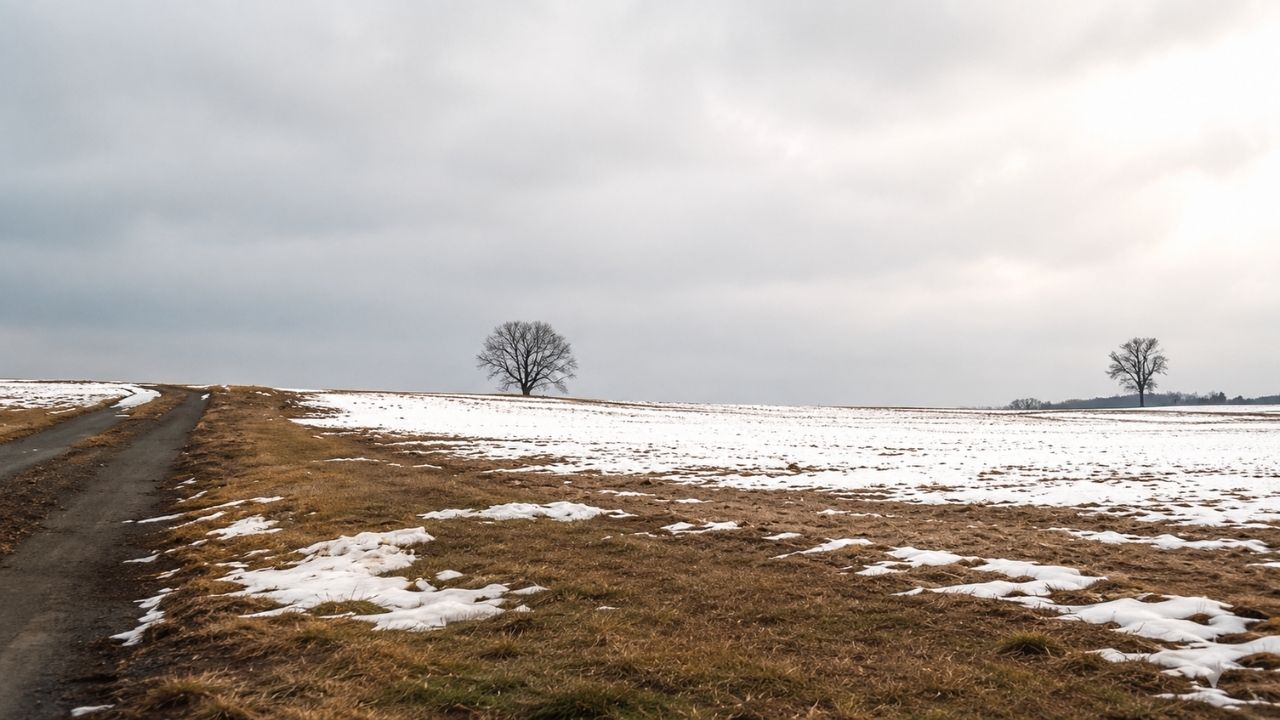
Instead of selling the property to the construction companies, the farmer negotiated development rights with the municipality’s Land Preservation Program. The value was just under $1.9 million, far from the offer exceeding $15 million.
This choice means that the land remains protected against certain types of future development. In practice, Raudabaugh gave up a much larger amount to prevent his farms from being converted into giant digital warehouses.
Local program was born to protect open and rural areas
The Silver Spring Township Land Preservation Program was created in 2014, in response to the community’s desire to protect open areas, rural properties, woodlands, waterways, and wetlands. The initiative considers properties with at least 10 acres of open space.
The Raudabaugh property fit this goal. With 261 acres, the area combined productive land, environmental value, and community importance. For the farmer, preserving the site was also a way to ensure that other families could live there in the future, without everything being covered by buildings.
Decision moved residents and became a topic in the city
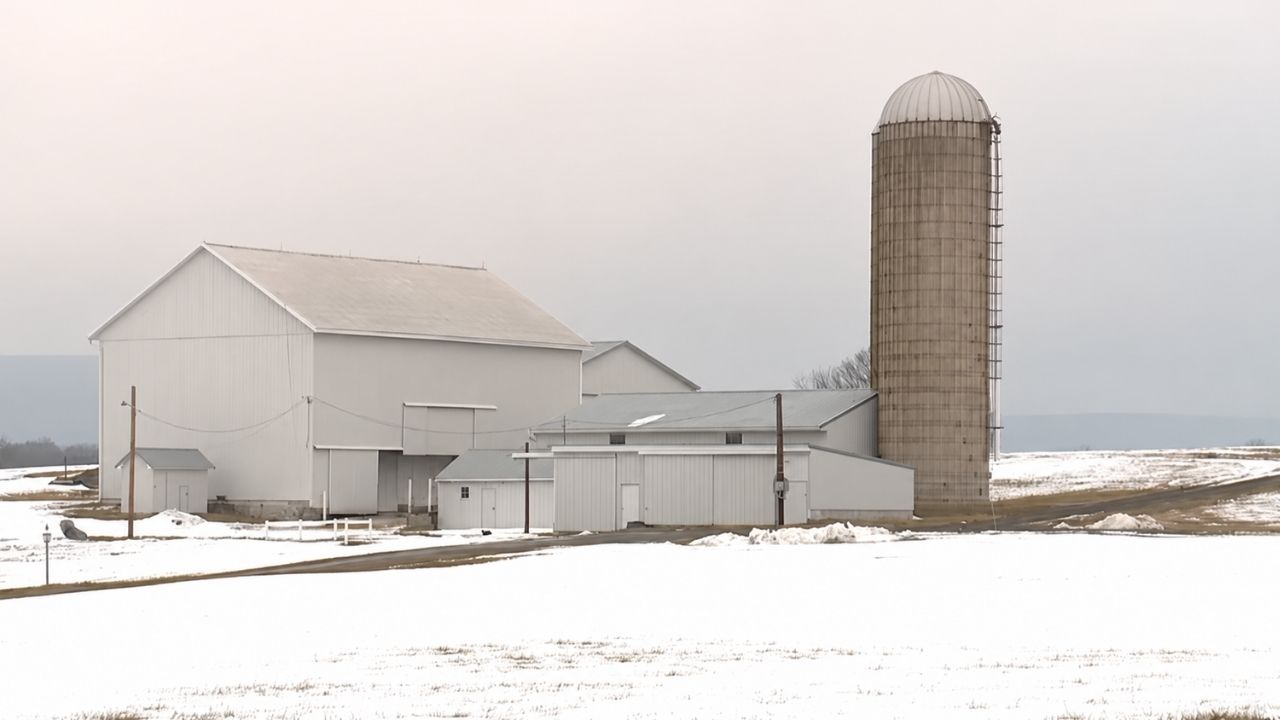
After the preservation agreement, Raudabaugh began to be praised by local residents. The story went viral because it combines money, family memory, and rural resistance at a time when agricultural areas face increasing pressure from technological projects.
The case also touches on a current tension: to what extent should the advancement of data centers occupy productive lands? The farmer’s choice became a symbol of a larger question about development, preservation, and the future of American family farming.
Family farming appears as a central concern

Raudabaugh did not justify his decision solely by attachment to the property. He also expressed concern for the future of farming families, especially in the face of the reduction of available lands and the pressure from more profitable ventures.
This point gives public dimension to the choice. By preserving his farms, the farmer not only protected his own history but also defended the continuity of a rural way of life that, according to him, is rapidly losing ground.
Fortune refused, land preserved, and a moved city
The decision by Mervin Raudabaugh shows that not every land negotiation can be measured solely by the highest offer. The farmer turned down over $15 million, accepted a much lower amount for preservation, and chose to keep 261 acres away from the expansion of data centers.
The story is moving because it puts two very current forces in conflict: technology and rural memory. Do you think he did the right thing by giving up the fortune to protect the family land, or would selling for $15 million be the more logical decision? Share your opinion.