Portuguese
  Spanish


Hydrofoil and electric propulsion technology advances in maritime transport with the promise of faster, quieter, and more efficient journeys on coastal and urban routes, reducing environmental impact and expanding the use of underexplored waterways in cities and island regions.
The Artemis EF-24 Passenger, an electric ferry developed by Artemis Technologies, has arrived in Belfast as one of the most advanced bets for short and medium-distance maritime transport, with a capacity for 150 passengers, a maximum speed of 36 knots, and elevated navigation by hydrofoils.
The vessel uses the Artemis eFoiler system, which lifts the hull above the surface when it reaches certain navigation conditions.
With less contact with the water, the ferry reduces drag, minimizes wake formation, and promises quieter journeys on coastal and urban routes.
-
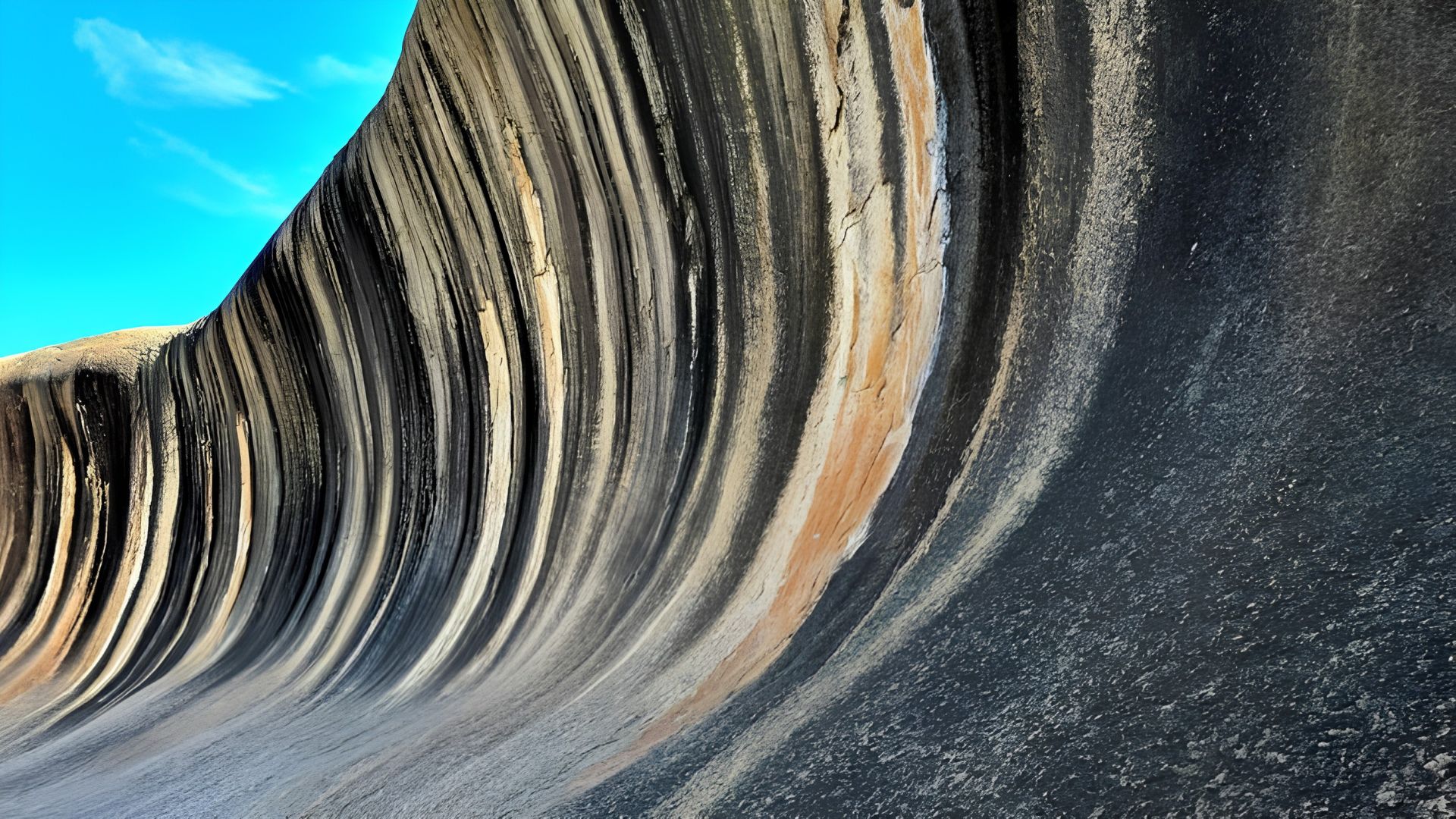
Wave Rock: Australia’s Giant Granite Wave Stands 15 Meters Tall, Spans 110 Meters, and Showcases 2.7 Billion Years of Erosion in the Australian Desert

-
How to Unclog Showerhead Holes Blocked by Limescale and Hard Water Without Replacing or Hiring a Technician

-
Award-Winning Korean Electric Scooter Concept Folds to Briefcase Size, Eases Transport Challenges

-
YouTuber Discovers Surreal Collection in 400-Year-Old Italian Fortress Near Florence: 419 Anvils, Giant Walruses, Ancient Church, and WWII Tunnels


According to the manufacturer, the first three EF-24 Passenger ferries were delivered to Belfast on January 13, 2026.
The units are still undergoing system integration, subsystem installation, interior finishing, and preparation for sea trials before entering commercial operation.
The first vessel is linked to the route between Belfast and Bangor, with operational participation from Brittany Ferries during the demonstration period.

Another unit will be destined for the Orkney Islands, while the third is planned to operate in the Solent, between Southampton and Cowes, on the Isle of Wight.
How hydrofoils work on the electric ferry
The EF-24’s differential lies in the use of hydrofoils, submerged structures that generate lift and raise the hull during navigation.
This solution is not new in naval engineering but gains new scope when applied to a 24-meter electric ferry for commercial use.
By reducing the area in contact with the water, the vessel needs to overcome less resistance to maintain high speed.
In practice, the displacement approaches a low flight over the surface, with less impact from waves on the hull and less turbulence behind the vessel.
Artemis states that the automatic control system manages height, roll, and pitch during the journey.
This electronic management aims to maintain stability even in variable conditions, an important factor for urban and coastal routes with high passenger traffic.
Speed, autonomy, and electric recharging
According to the specifications released by Artemis Technologies, the EF-24 Passenger has a maximum speed of 36 knots, a cruising speed of 34 knots, and a range of 70 nautical miles in foiling mode.
The manufacturer states that the numbers depend on load, configuration, sea state, and temperature.
The model is 100% electric and designed for fast recharging.
According to the company, a full charge can be completed in less than 60 minutes, a feature that favors operations with multiple trips throughout the day on short or medium routes.

The proposal is to reduce operational costs compared to fast diesel-powered ferries.
The savings would come from energy efficiency, reduced maintenance needs, and the elimination of fossil fuel during operation.
Wake reduction and environmental impact
Wake formation is one of the most sensitive points for fast vessels in areas close to the coast.
Waves generated by conventional ferries can affect marinas, floating structures, smaller boats, and vulnerable coastal stretches.
Artemis maintains that the eFoiler significantly reduces this effect, which can allow higher speeds in regions where common boats face restrictions.
For cities with rivers, estuaries, or bays, this detail can expand the use of water routes without requiring major land-based works.
The project was also designed to comply with the International Maritime Organization’s High-Speed Craft 2000 code and DNV classification standards.
The company states that it is working towards approval in sea conditions of up to 2.5 meters in foiling mode and 4 meters in conventional mode.
Passenger comfort and experience
In addition to speed, the EF-24 attempts to solve a common obstacle in maritime passenger transport: the discomfort caused by rolling, vibration, and wave impact.
By raising the hull, the ferry tends to smooth the crossing and reduce the sensation of rough seas.

The manufacturer presents this point as a central part of the product, not just a technical advantage.
On routes used daily by workers, students, and tourists, the onboard experience can be as important as travel time.
The silence of electric propulsion also reinforces this promise. Without diesel engines in operation, the environment tends to be less noisy and without direct emissions during transit.
Belfast as a testing and operation base
The arrival of the first units in Belfast gives the project a more concrete character.
While it does not yet represent full passenger operation, the delivery marks a stage beyond the conceptual phase and places the EF-24 in a real environment for integration and testing.
The development received support from British public innovation programs, including initiatives linked to UK Research and Innovation and the UK Department for Transport.
The goal is to accelerate low-emission maritime solutions and create alternatives for urban and regional connections.
Instead of relying solely on new bridges, tunnels, or land routes, coastal cities can explore existing aquatic corridors.
This is Artemis’ central argument: to transform underutilized stretches of water into regular shortcuts for public transport.
The progress of the EF-24 still depends on testing, certifications, and commercial operation on real routes.
Nevertheless, the combination of hydrofoils, electric propulsion, high speed, and reduced wake places the ferry among the most observed projects in the maritime passenger sector.