Portuguese
  Spanish


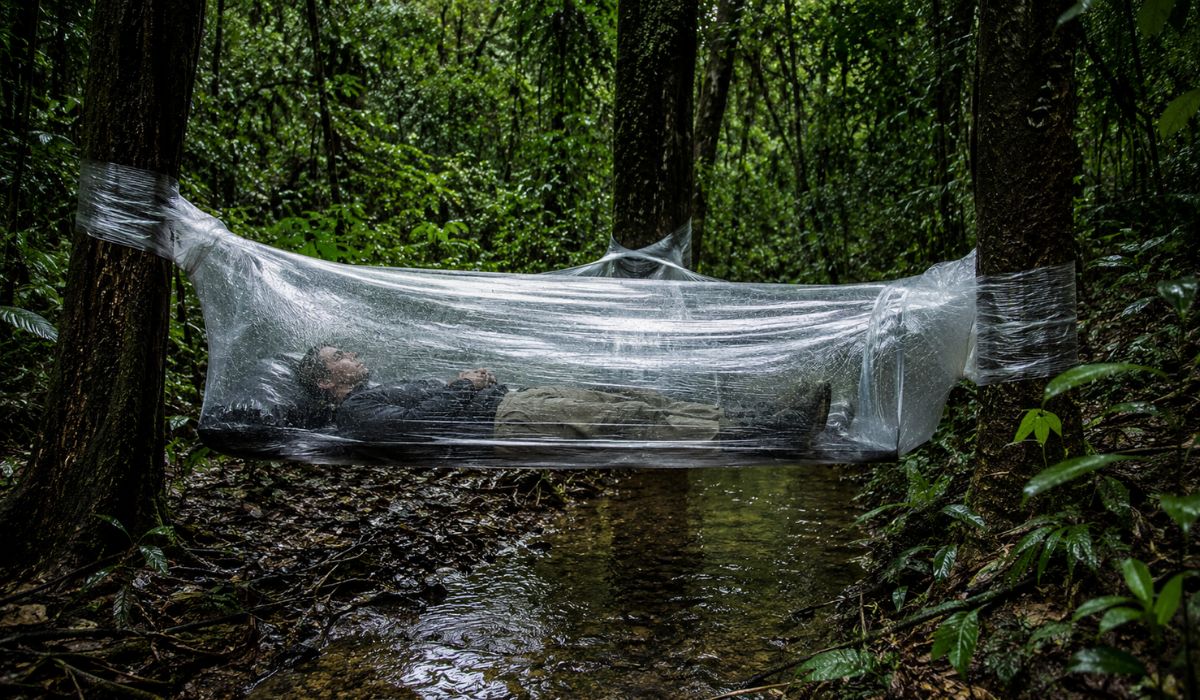


A video shows a transparent shelter made with plastic wrap and attached to trees over a stream, in a construction that combines bushcraft, improvisation, and staying in the forest during the rain.
A video from the Polissya Bushcraft channel shows the construction of a transparent shelter suspended over a stream, made with stretch plastic wrap attached to trees in a forest area.
According to the description published by the channel itself, the recording was made in one of the tributaries of the Teteriv River, in the Polissia region, Ukraine.
The structure appears mounted above the water, with the plastic used as the base, sides, and cover.
-
Tourist Discovers Forgotten Joaquín Sorolla Painting Worth Up to 60,000 Euros While Strolling in Seville

-
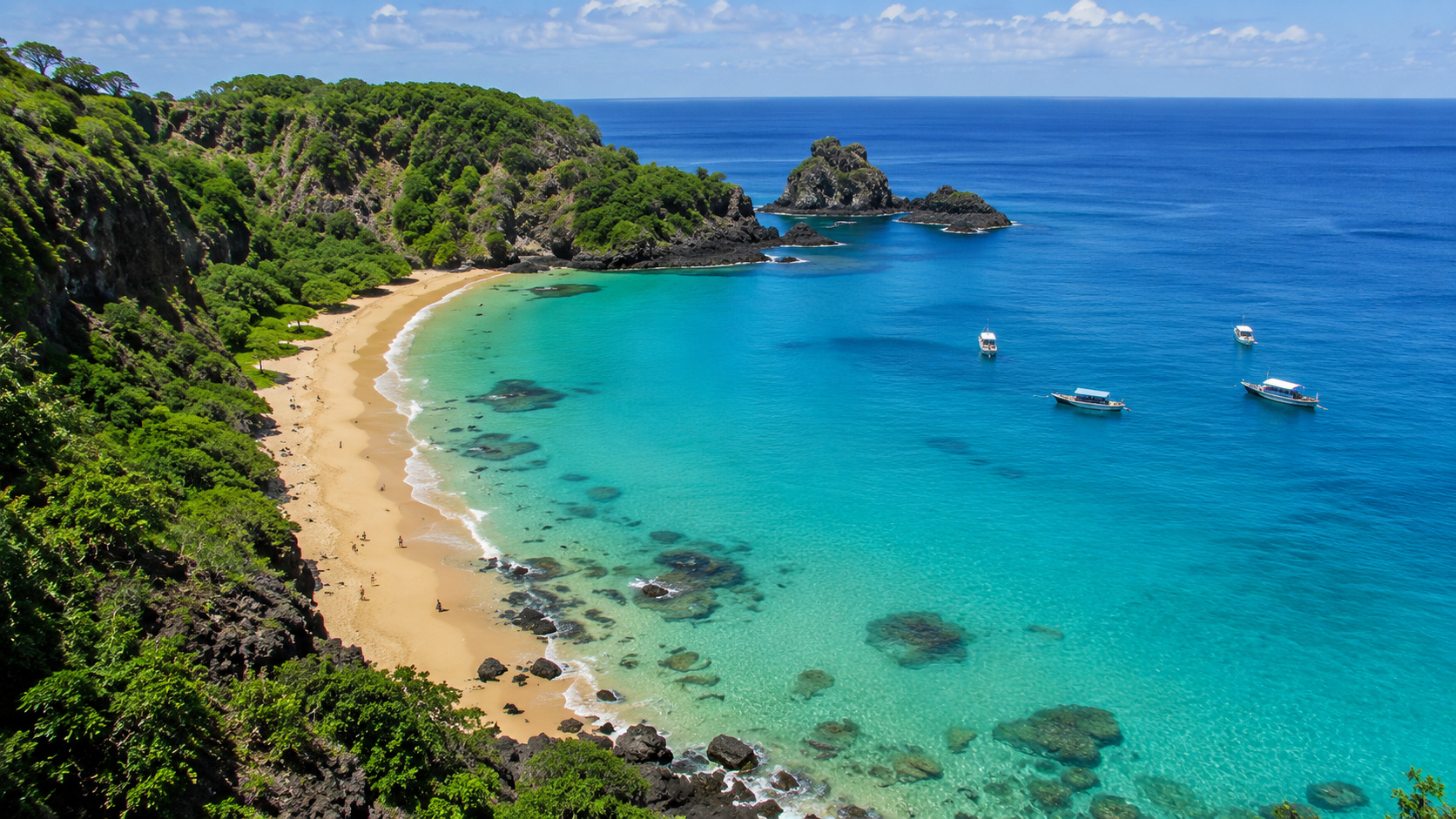
Brazil’s Fernando de Noronha Boasts World’s Most Beautiful Beach, Accessible Only by Descending 208 Cliffside Steps and With No Food Vendors Allowed

-
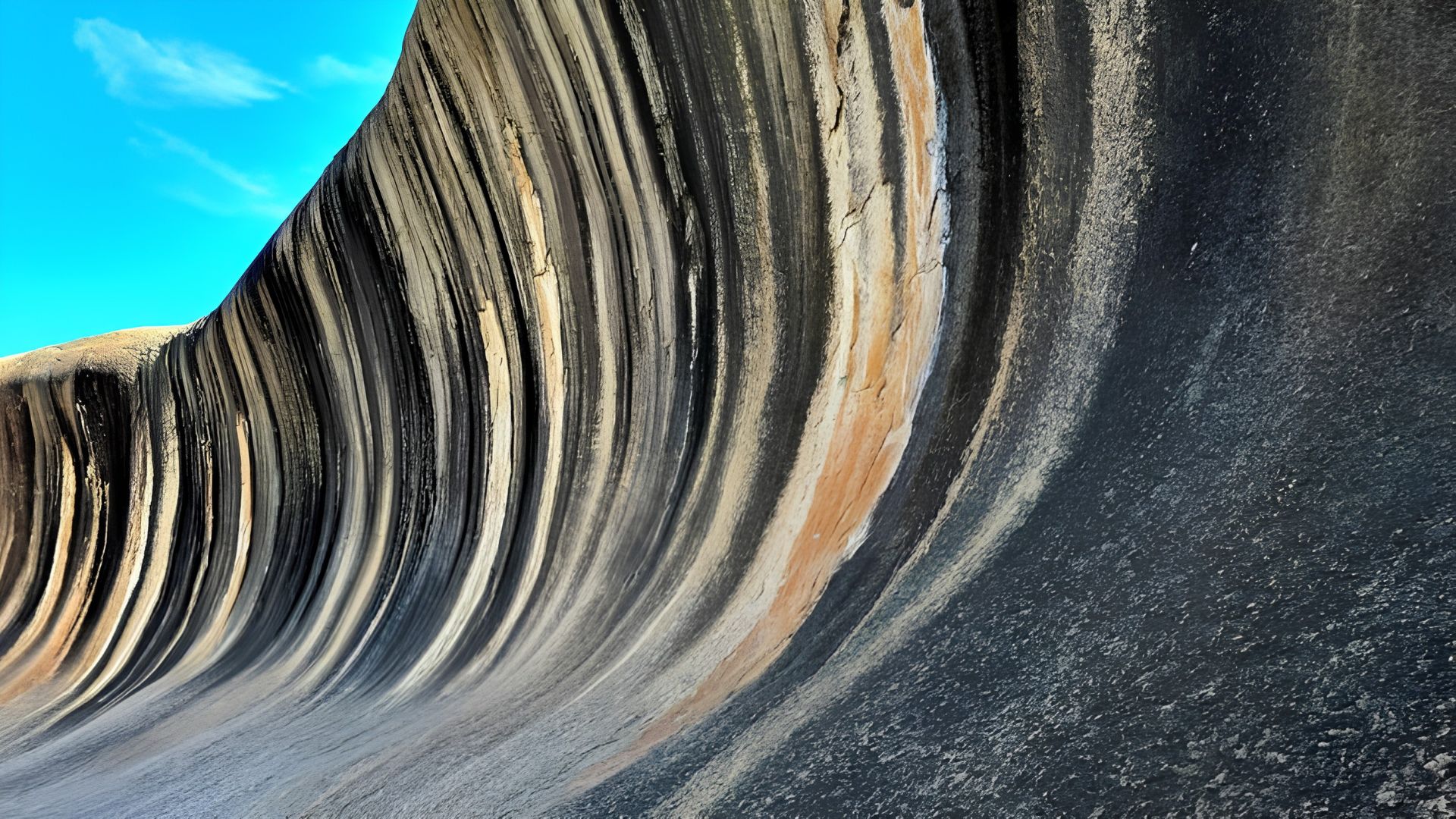
Wave Rock: Australia’s Giant Granite Wave Stands 15 Meters Tall, Spans 110 Meters, and Showcases 2.7 Billion Years of Erosion in the Australian Desert
-
How to Unclog Showerhead Holes Blocked by Limescale and Hard Water Without Replacing or Hiring a Technician


In the footage, the adventurer uses trees near the watercourse as support points and creates a kind of transparent capsule, where he remains protected from the rain during part of the recording.
The video brings together common elements in bushcraft content: manual shelter assembly, fire lighting, food preparation, and staying in a natural environment.
In this case, the aspect that differentiates the construction is the predominant use of plastic wrap, a material usually associated with packaging, not camping.
How the shelter suspended over the stream was assembled
The chosen location is in a narrow section of the stream, where nearby trees form anchorage points for the structure.
From these trunks, the adventurer starts wrapping the plastic wrap in several turns, keeping the material stretched until forming an elevated surface over the water.
The base is constructed by overlapping layers.
Instead of relying on a single sheet of plastic, the shelter comes to have several strips stretched between the trunks.
In the video, this stage appears as the central part of the assembly, as it allows the builder to support the body above the stream.
After forming the floor, the same procedure is repeated at a higher level.
The new layers start functioning as side closure and cover, creating a space enclosed by transparent plastic.
The transparency allows seeing the water, trees, and forest surroundings from inside the structure.
The channel’s description states that the weather changed during the experience, with prolonged rain after a sunny period.
In the video, the plastic cover is shown receiving the rainwater while the adventurer remains inside the shelter, without direct exposure to the drops.
Plastic film, trees, and weight distribution
The assembly depends on the load distribution among the support points.
A single layer of plastic film would not have the same strength observed in the final structure, but several tensioned wraps can distribute the applied weight over a larger area.
This explanation is limited to the visible physical principle in the construction and does not equate to a technical safety test.
The video does not provide detailed information on the thickness of the plastic, the number of layers used, the condition of the trees, or the exact weight supported by the base.
For this reason, the recording should be understood as a demonstration of an experimental practice in a natural environment.
The reproduction of such a structure involves risks, especially since it occurs over running water and depends on manual tension, tree stability, and material resistance.
There are also environmental variables that cannot be ignored.
In stream areas, rains can quickly alter the water level, and the strength of the current varies according to the terrain and the volume of precipitation.
These factors are not measured in the video.
Bushcraft in the forest with fire, food, and improvised shelter
After setting up the shelter, the footage shows the camp routine.
The adventurer collects dry material, prepares a campfire on the stream bank, and organizes the space to cook outside the plastic structure.
The choice to keep the fire away from the shelter is relevant in the context of the recording because the material used in the construction is plastic and can be damaged by heat.
In the video, the flames are in an open area, near the bank, while the structure remains suspended over the water.
The sequence also shows the preparation of food over the embers.
The adventurer uses simple utensils and sets up an improvised cooking area, in a dynamic common to bushcraft videos published on digital platforms.
At another point, the content shows the preparation of a hot drink with ingredients collected from the environment.
The original text mentions wild strawberries and pine branches, but the video does not present a technical narration detailing the botanical identification of these items.
Therefore, the information should be treated only as a visual description and not as a collection guide.
Silent bushcraft and nature videos
The video does not rely on continuous narration.
Most of the recording is driven by the sounds of the environment and the actions performed, such as plastic being stretched, water running, rain on the cover, and fire lit on the bank.
This format is common in bushcraft and camping channels.
Instead of presenting explanations in sequence, the content shows the process almost entirely through observation, focusing on manual steps and the surrounding environment.
The absence of speech also brings this type of video closer to content associated with nature ASMR, a category where repetitive or environmental sounds play a central role.
In the case of the suspended shelter, the combination of rain, running water, and handling of plastic makes up a large part of the audiovisual experience.
For the audience, the interest may lie in the construction sequence, curiosity about the structure’s performance, or observing a camping routine outside conventional standards.
The video does not present interviews or testimonials, so there are no direct speeches to be attributed to the adventurer.
Transparent construction draws attention for the unusual use of plastic
The transparent shelter stands out in the video by bringing together three visible elements: trees used as support, stretchable plastic as the main material, and assembly over a watercourse.
The recording shows the adventurer entering the structure and staying in it during the rain.
Despite this, the capacity for two people, mentioned in the original text title, was not confirmed in the public information consulted.
The located material describes the construction of the shelter over the water and its use during the rain, but does not present formal load measurement or technical demonstration with two people.
The information, therefore, should remain linked to the original title and be treated with caution in the body of the article.
In the journalistic text, the safest claim is only what the video shows: one person using the suspended structure and the shelter withstanding during the recording.
The Polissya Bushcraft channel presents itself as dedicated to videos of outdoor life, camping, and constructions in forest areas in the Polissia region.
In this context, the shelter made with cling film appears as one of the visual assembly experiences in a natural environment.
The recording also shows the coexistence between industrial resources and camping techniques.
The plastic acts as the main structure, while the campfire, food preparation, and use of materials found in the forest appear as part of the recorded routine.
The combination of these elements helps explain the interest around the video without the need to assert unconfirmed numbers.
Curiosity is in the process: a simple material, repeatedly wrapped between trees, begins to form a space suspended above the water.
In an internet marked by short videos and fast-paced explanations, silent content of construction in nature follows a different rhythm.
The viewer follows each step without narration, observes the mistakes and adjustments of the process, and sees the structure take shape from repeated actions.