






 Portuguese
  Spanish
  4 min of reading
  0 comments


Tunnels under platform 4 had internal rooms and revealed an invisible part of the English railway station
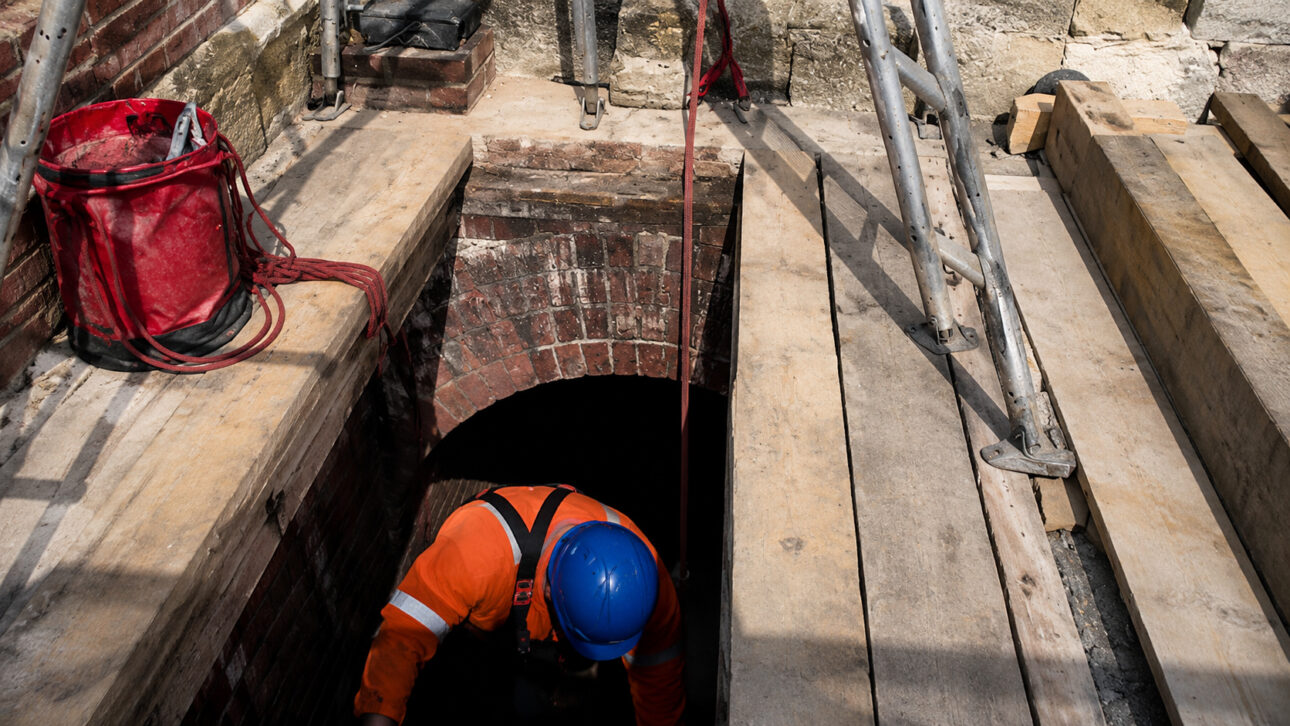
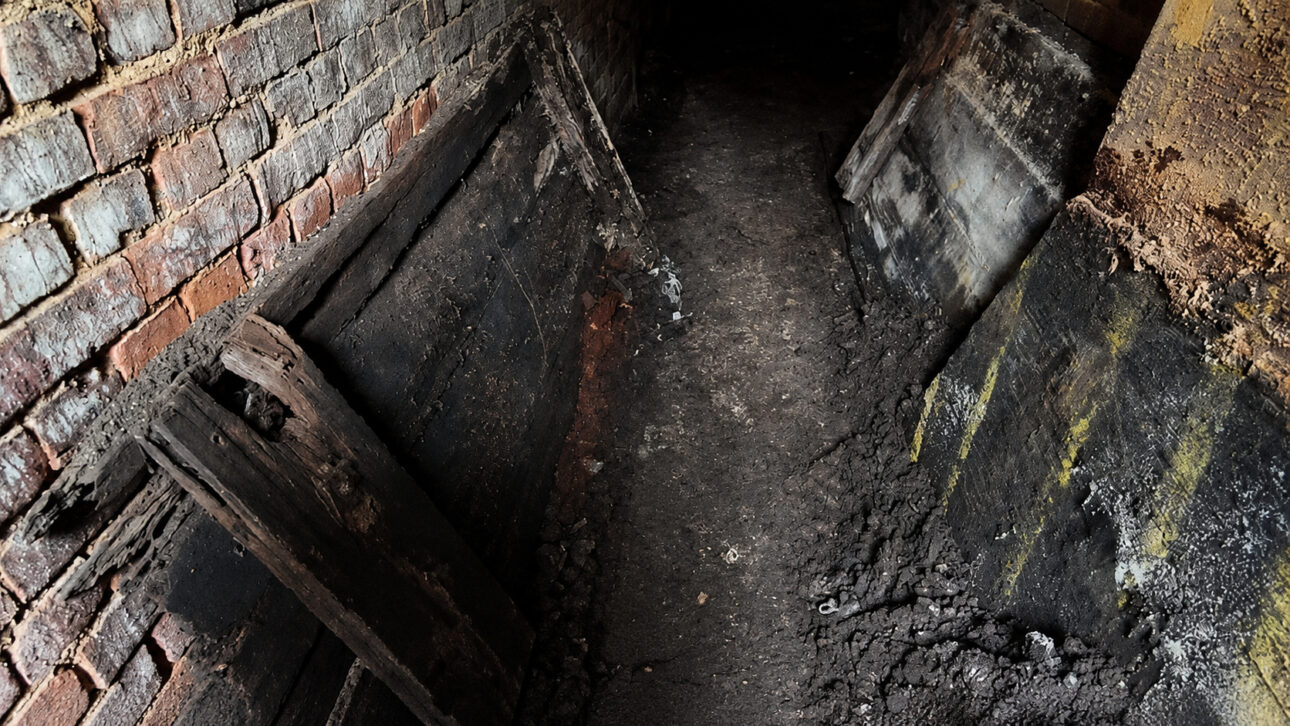
The tunnels discovered under platform 4 contained several rooms, suggesting that they were once used for various purposes. These hidden spaces are a reminder of the station’s rich history and the complex logistics that once took place away from the passengers’ view.
Among the findings were signs of an old cargo routine that involved transporting barrels of beer, eggs, cider, Christmas trees, and railway equipment. These activities were crucial for the station’s operation and were carried out in these now-forgotten areas.
The discovery has sparked interest in the historical significance of railway stations and the hidden aspects of their operations that are often overlooked. It highlights the importance of preserving and exploring these sites to better understand their role in the past.
-
Workers removed old panels from a Scottish lighthouse and found a hidden bottle with a message from 1892, names of engineers, lighthouse keepers, and details of a lens used to guide ships.

-
Your child may be gifted and you don’t even suspect it: experts warn that even low grades and disinterest in school may hide high abilities behind boredom.

-
The SP government considers demolishing a 40-meter bridge after a 21-year-old was launched without a rope in a radical jump; the federal structure has been abandoned for 30 years and had already been the subject of warnings.
-
Found after demolition, a 1916 capsule contained steel, cast iron, ore, an old newspaper, and clues about how factories avoided industrial measurement errors.




Tunnels under platform 4 had internal rooms and revealed an invisible part of the English railway station
The tunnel found under platform 4 provided access to an area with a side room and a main chamber. In simple terms, a chamber is a closed space, like an internal room within the underground structure.
The teams also found parts of tracks repurposed as support for the ceiling. This detail shows how old railway materials could be used in the station’s own construction.
The presence of these hidden rooms indicates that Salisbury station did not function only as a boarding point. It also housed internal operations related to the railway’s functioning and the movement of goods.
Beer barrels, eggs, and cider show how railway logistics were part of the station’s old routine
Network Rail, the company responsible for British railway infrastructure, recorded that the tunnels would have been part of old logistics operations. Logistics, in this case, means organizing, storing, and transporting products using the railway structure.
The cited evidence involves beer and cider barrels, products that were taken to other stations when trains had guard wagons. There was also the collection of eggs at stations like Whitchurch.
The station was also related to the sale of drinks called refreshments, not from a bar. At another point in local history, Christmas trees were gathered near the line in Grateley for sale to the public.
Old signaling equipment helps explain the railway’s operational past
Within the investigated areas, traces of old signaling equipment also appeared. Railway signaling is the system used to guide train movements and assist in track switching.
This type of equipment was important for organizing circulation and avoiding confusion on the lines. In the case of Salisbury, the objects found provide clues about an operational routine that no longer appears to those passing through the station.
Steve Kelly, asset engineer at Network Rail, treated the discovery as one of the most interesting of his railway career. His statement reinforces the historical value of the find, but the complete origin and exact purpose of the tunnels still required further investigations as of the disclosure on March 13, 2025.
Station used by 2 million people per year hid a forgotten structure for decades
The Salisbury station was used by 2 million people per year when the discovery was disclosed. Despite this movement, part of the underground structure remained outside the visible routine of passengers.
This happens because old stations change over time. Some areas stop being used, doors are closed, rooms lose their function, and new constructions end up covering old structures.
Another access was also identified in a building on platform 1 that was no longer used by passengers. This point was not fully explored at the time of disclosure, leaving part of the story open.
Discovery at English station helps understand why urban works can reveal hidden layers of infrastructure
The case of Salisbury shows that an improvement work can reveal something greater than flooring, drainage, and circulation. In old cities, infrastructure tends to accumulate layers from different eras.
The safest comparison is in the historical role of railways. Many old stations in Brazil were also places of cargo, commerce, and movement of people, although this does not mean they have similar tunnels.
The importance of the discovery lies in how it brings together engineering, transportation, and urban memory. A station may seem just a place of boarding, but it can also hold marks of work, goods, and changes made over decades.
The removal of an old telephone booth in Salisbury ended up opening a window to a railway that once moved barrels, eggs, cider, and internal services beneath the platforms.
The discovery reinforces how works on ancient structures need to look at the present without erasing the past. After all, a city’s infrastructure also tells stories that do not always appear on the surface.
Could old railway stations in Brazil still hold forgotten spaces capable of revealing how cargo, workers, and passengers shared the same city? Leave your opinion in the comments.





Be the first to react!