






 Portuguese
  Spanish
  3 min of reading
  0 comments


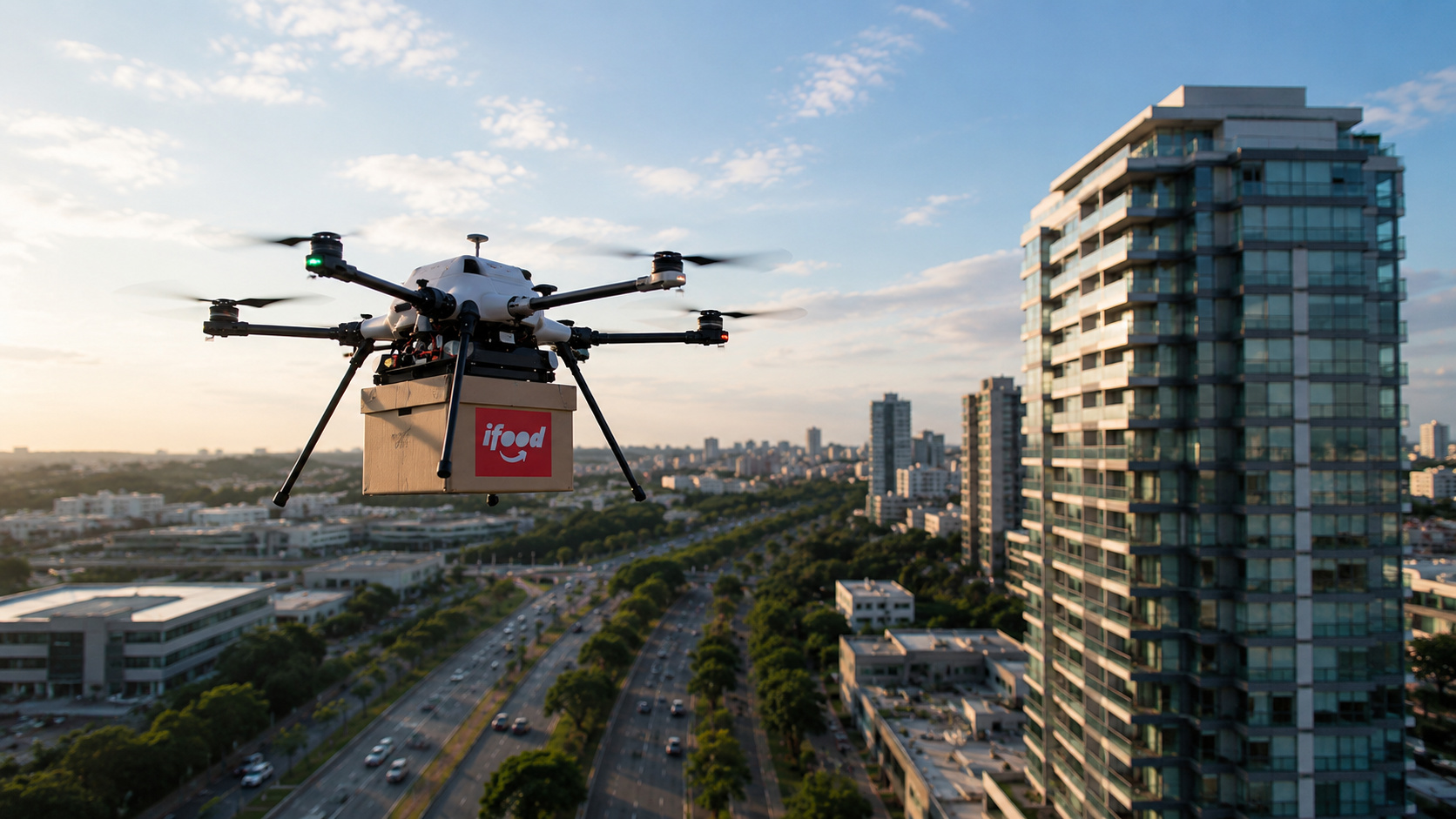
iFood’s drone delivery operation between Shopping Iguatemi Alphaville and residential condominiums in Barueri highlights the role of Anac and Decea in regulating Brazilian airspace, reveals how companies obtain authorization for commercial flights, and shows why safety continues to be a priority in the expansion of aerial delivery in the country
The new iFood drone deliveries in Barueri, in Greater São Paulo, drew attention to an issue that goes beyond technological innovation.
The operation between restaurants at Shopping Iguatemi Alphaville and residential condominiums depends on authorization and follows Brazilian airspace safety rules.
The drone covers about 3.6 kilometers in approximately five minutes, according to information recently released by the company.
-
Brazil Welcomes Spanish Wamos Air and Nigerian Air Peace, Potentially Transforming International Routes and Increasing Competition

-
Offshore air transport soars in Brazil, surpasses 2.5 million passengers, and reveals how oil has transformed Rio’s airports into key pieces of national logistics.

-
Latin America becomes the “global champion” of aviation taxes, tickets may become more expensive in Brazil, and IATA’s warning exposes risk for flights, tourism, and passengers.
-
Brazil has lost 85 air routes since 2019 and is still flying less than before the pandemic, leaving passengers with fewer destinations, fewer frequencies, and a more limited air network.


The speed is impressive, but the commercial flight only happens because the operation received approval from the competent authorities.
This movement reinforces a growing trend in the logistics sector, especially in areas where traffic, gates, and access difficulties impact delivery.
Federal authorization defines how drones can operate
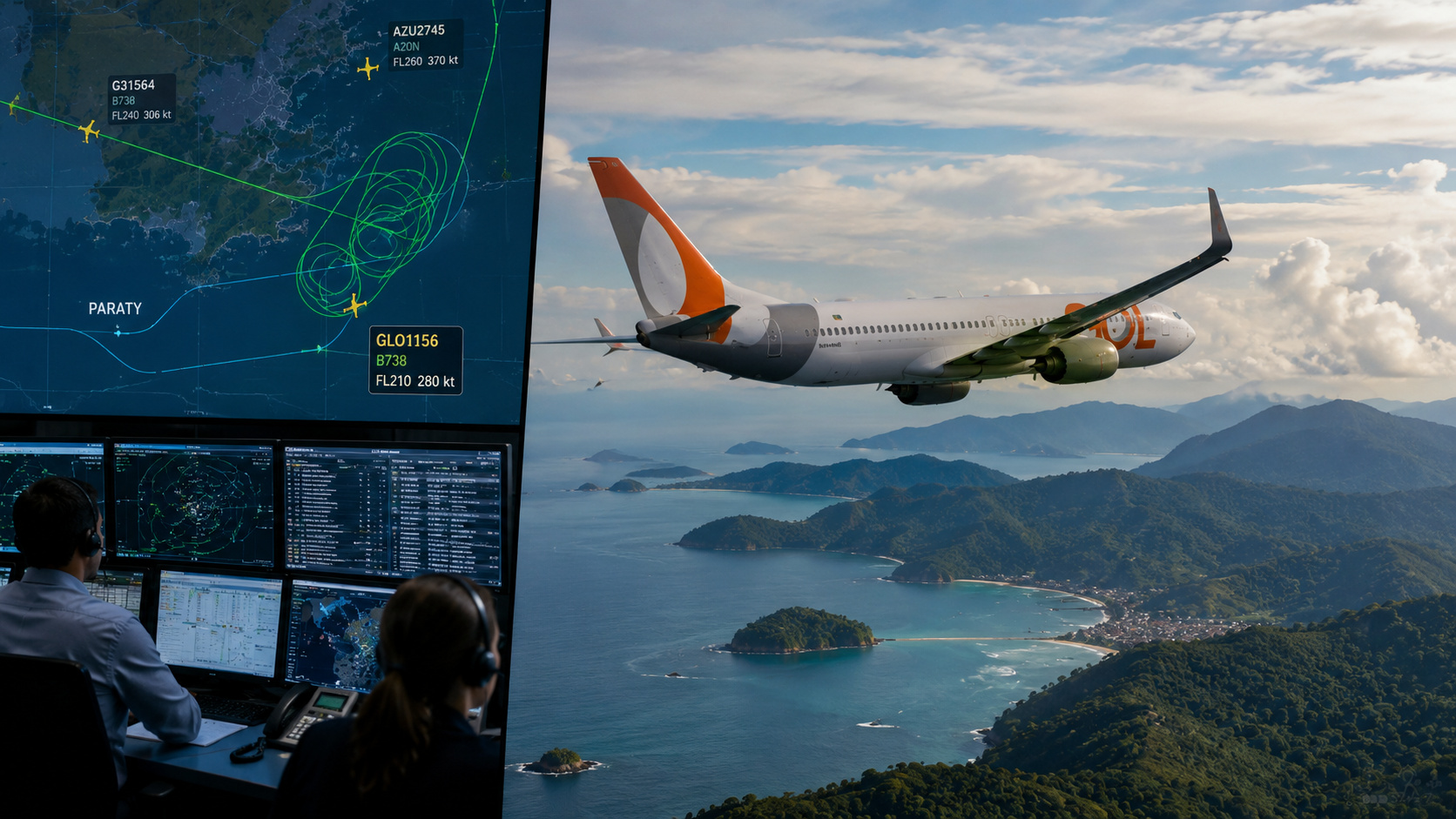
In Brazil, the commercial use of drones mainly depends on the National Civil Aviation Agency (Anac) and the Department of Airspace Control (Decea).
Anac regulates unmanned aircraft and defines operational safety criteria, equipment certification, and requirements for companies.
Decea manages Brazilian airspace and authorizes specific routes before certain commercial flights.
This step avoids interference with manned aircraft, airports, and other aerial activities.
Depending on the flight area, other agencies may also participate in the regulatory process.
This care becomes even more important when routes pass through densely populated urban areas.
Strict rules reduce risks in cities
The growth of the drone market has brought new challenges for air safety.
Drones used in deliveries transport cargo and make frequent flights over urban areas, unlike recreational models.
Regulatory bodies require redundant safety systems, continuous monitoring, and emergency protocols.
Some operations use real-time tracking, communication with control centers, and automatic landing in case of failures.
These requirements aim to protect residents, vehicles, buildings, and aircraft sharing the same airspace.
The regulation functions as an essential layer to allow innovation without compromising public safety.
Brazil has been testing aerial delivery since 2021
The route in Barueri does not mark iFood’s debut in drone deliveries.
In 2021, the company began commercial operations between Aracaju and Barra dos Coqueiros, in Sergipe.
According to the company, more than 5,000 deliveries have already been made in that region.
In practice, drones help shorten long land routes and increase logistical efficiency.
In Sergipe, for example, a route of approximately 36 kilometers by conventional roads was replaced by a flight of less than 4 kilometers.
The transport gained speed and reduced steps in regions where land travel was more time-consuming.
Barueri becomes a new stage of the operation
The operation in São Paulo seeks to reduce difficulties in delivery access to residential condominiums.
Data released by iFood indicate that almost half of the orders in the region face refusals due to waiting at entrances.
Operational entry limitations also affect some deliveries.
In this scenario, drones emerge as an alternative to bring restaurants and consumers closer on controlled routes.
Each operation, however, needs to follow the criteria defined by federal agencies.
The expansion depends on both technology and the country’s regulatory capacity.
Aerial deliveries depend on safety and oversight
Industry experts assess that the advancement of regulation will be decisive in expanding the use of drones in Brazilian urban centers.
As security systems evolve, new trade routes may emerge in different states.
Logistics companies, e-commerce, and delivery services are closely monitoring this transformation.
Anac and Decea continue to play a central role in ensuring safe, organized, and compatible operations with national airspace.
With drones already delivering orders in Brazilian cities and new routes being authorized, will aerial delivery become part of consumers’ routines in the coming years?





Be the first to react!