Portuguese
  Spanish


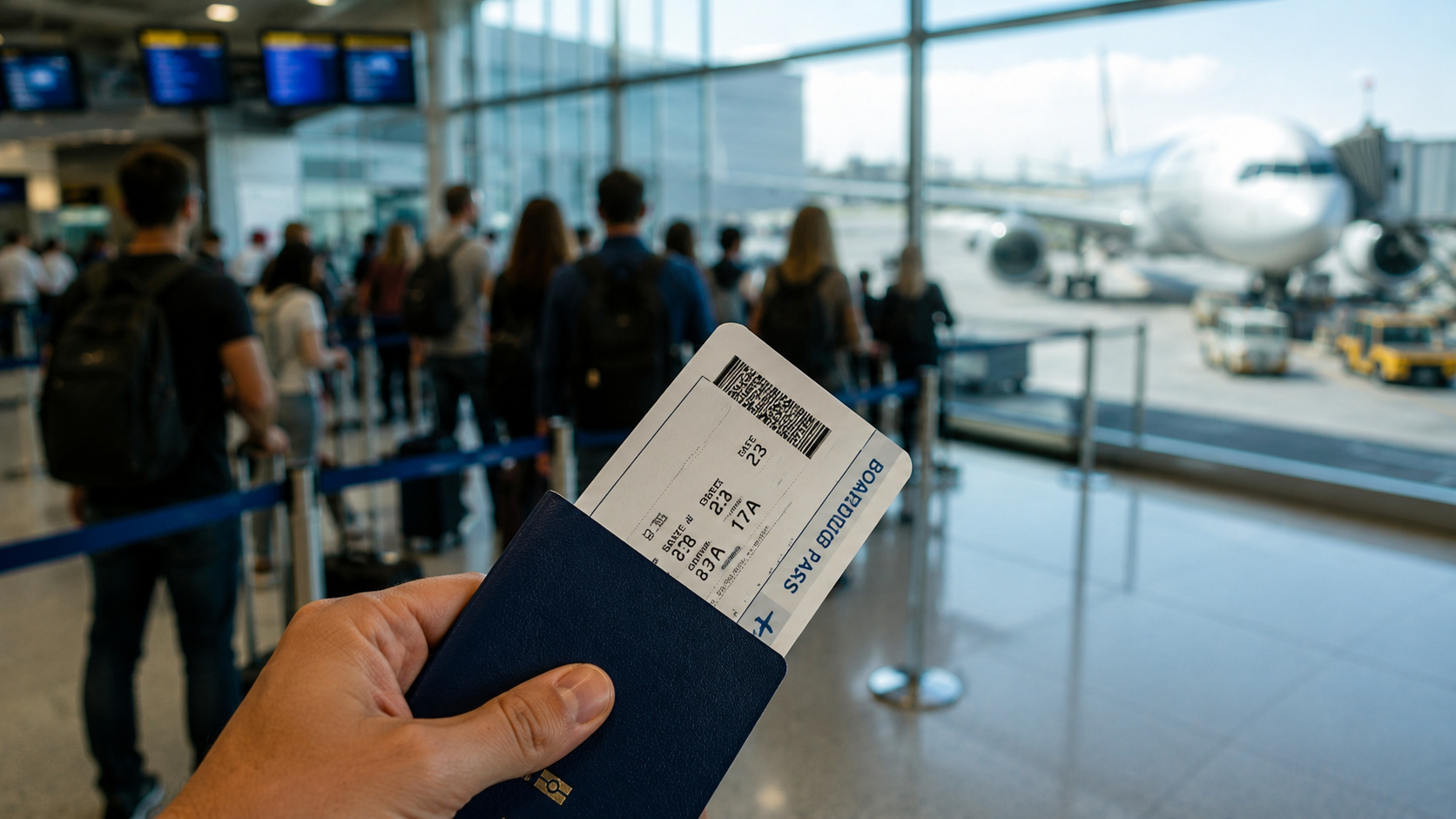

The burden of taxes on airline tickets puts Latin America at the center of the global aviation debate
Latin America’s commercial aviation has once again become the focus of industry discussions after the International Air Transport Association, Iata, labeled the region as the “global champion” in taxes applied to air transport. The assessment was made by Peter Cerdá, the regional vice president of the entity for the Americas, in June 2026, highlighting a significant difference between the costs paid by Latin American and North American passengers.
According to Iata, taxes, fees, and charges represent about 29% of the price of airline tickets in Latin America. In North America, this percentage is close to 15%, almost half of the burden observed in the region. This contrast reinforces the association’s criticism of using aviation as a source of public revenue, as the final cost ultimately reaches the passenger.
Iata survey reveals difference between markets
The difference between Latin America and North America shows how taxation can directly influence the competitiveness of the aviation sector. For Iata, high taxes reduce the potential for aviation growth, limit route expansion, and hinder the population’s access to air transport.
-
Brazil Welcomes Spanish Wamos Air and Nigerian Air Peace, Potentially Transforming International Routes and Increasing Competition

-
Offshore air transport soars in Brazil, surpasses 2.5 million passengers, and reveals how oil has transformed Rio’s airports into key pieces of national logistics.

-
Brazil has lost 85 air routes since 2019 and is still flying less than before the pandemic, leaving passengers with fewer destinations, fewer frequencies, and a more limited air network.

-
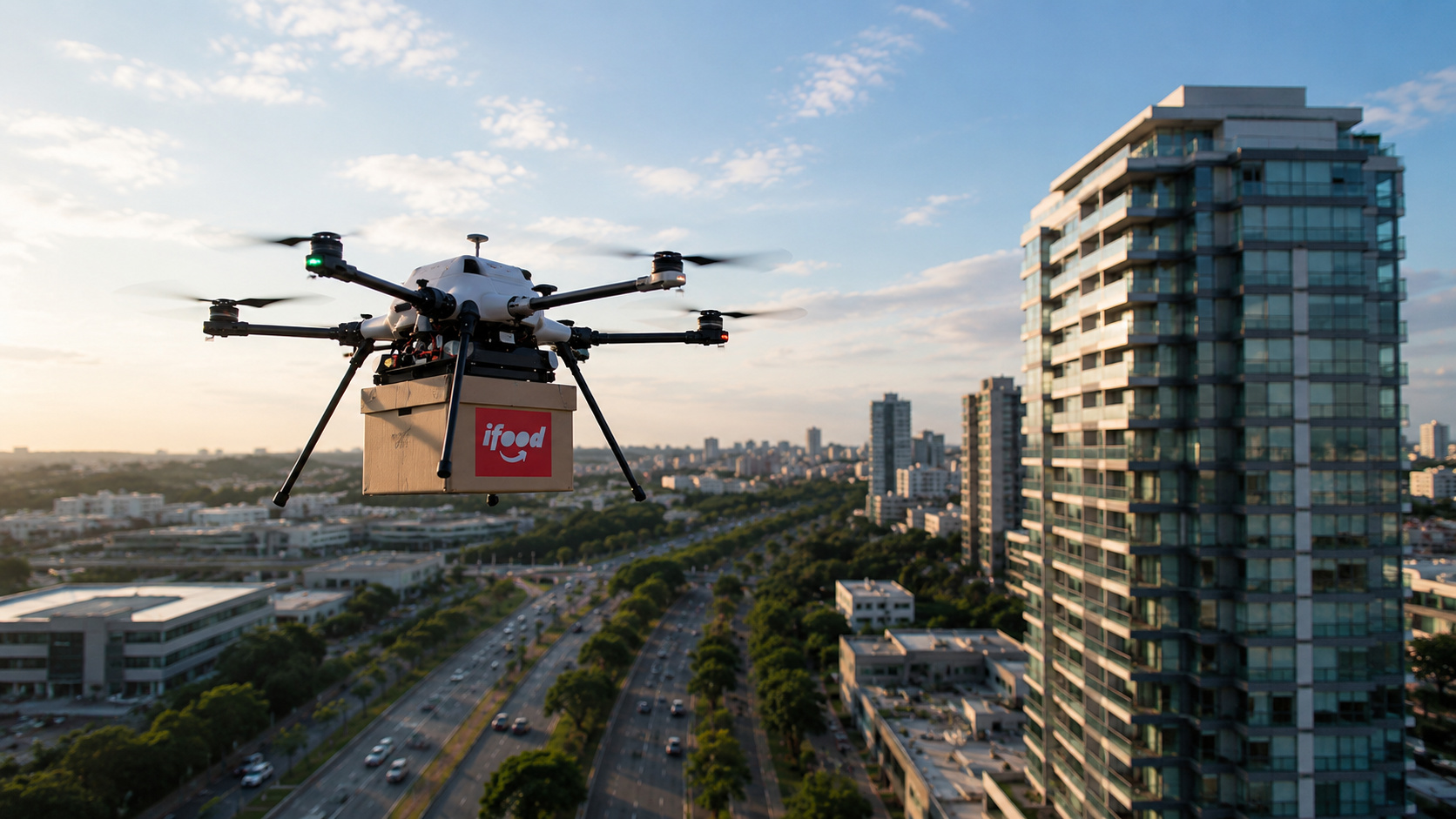
Anac and Decea are behind iFood’s drones in Barueri and explain how aerial delivery got the green light in Brazil, as orders leave the mall, cross the sky in a few minutes, and reveal the behind-the-scenes of new commercial drone deliveries in the country.



Peter Cerdá stated that governments in the region still treat aviation as an easy source of revenue. The entity, however, argues that overtaxing the sector also means restricting connectivity, tourism, and economic opportunities. The central argument is that a more expensive ticket reduces demand and, consequently, weakens the entire chain linked to air transport.
Brazilian tax reform increases sector concern
Brazil appears as one of Iata’s main points of attention due to the tax reform. The entity criticizes the possibility of applying an estimated 26.5% VAT rate on airline tickets, a measure that could further increase ticket costs in the country.
The association’s projections indicate that an average domestic ticket could rise from $130 to $160. In the case of international flights, the value could increase from $740 to $935. These numbers heighten the sector’s concern, especially because air transport relies on competitive prices to expand its passenger base.

Economic impacts may reach the passenger
Iata estimates that the new tax burden could reduce the demand for flights in Brazil by up to 30%. This impact would affect passengers, airlines, airports, and tourist destinations that rely on air connectivity to drive their economies.
The increase in ticket prices could also reduce the reach of air transport among lower-income families. Although the sector has expanded its presence in recent years, the entity assesses that heavier taxation may limit this progress and make travel less accessible.
Air connectivity enters the center of the discussion
Connectivity is one of the main points advocated by Iata in the tax debate. The entity states that aviation connects people, businesses, cities, and markets, as well as stimulates tourism and business circulation.
In Peter Cerdá’s assessment, the discussion is not just about revenue collection. The debate also involves the ability of countries to maintain more integrated and accessible markets. A high tax burden can generate revenue in the short term but compromise growth and competitiveness in the long term.
The future of aviation in Latin America
The tax pressure on Latin American aviation is expected to remain a central theme in the coming years. Governments seek to balance public accounts, while the air sector advocates for rules that reduce costs and encourage sustainable growth.
Iata argues that the region needs to treat aviation as strategic infrastructure, not just as a source of revenue. This understanding, according to the entity, can expand routes, reduce access barriers, and strengthen economies connected by air transport.
Do you agree that governments should reduce taxes on airline tickets to stimulate tourism and connectivity, or maintain the current taxation to reinforce public revenue?