






 Portuguese
  Spanish
  3 min of reading
  0 comments


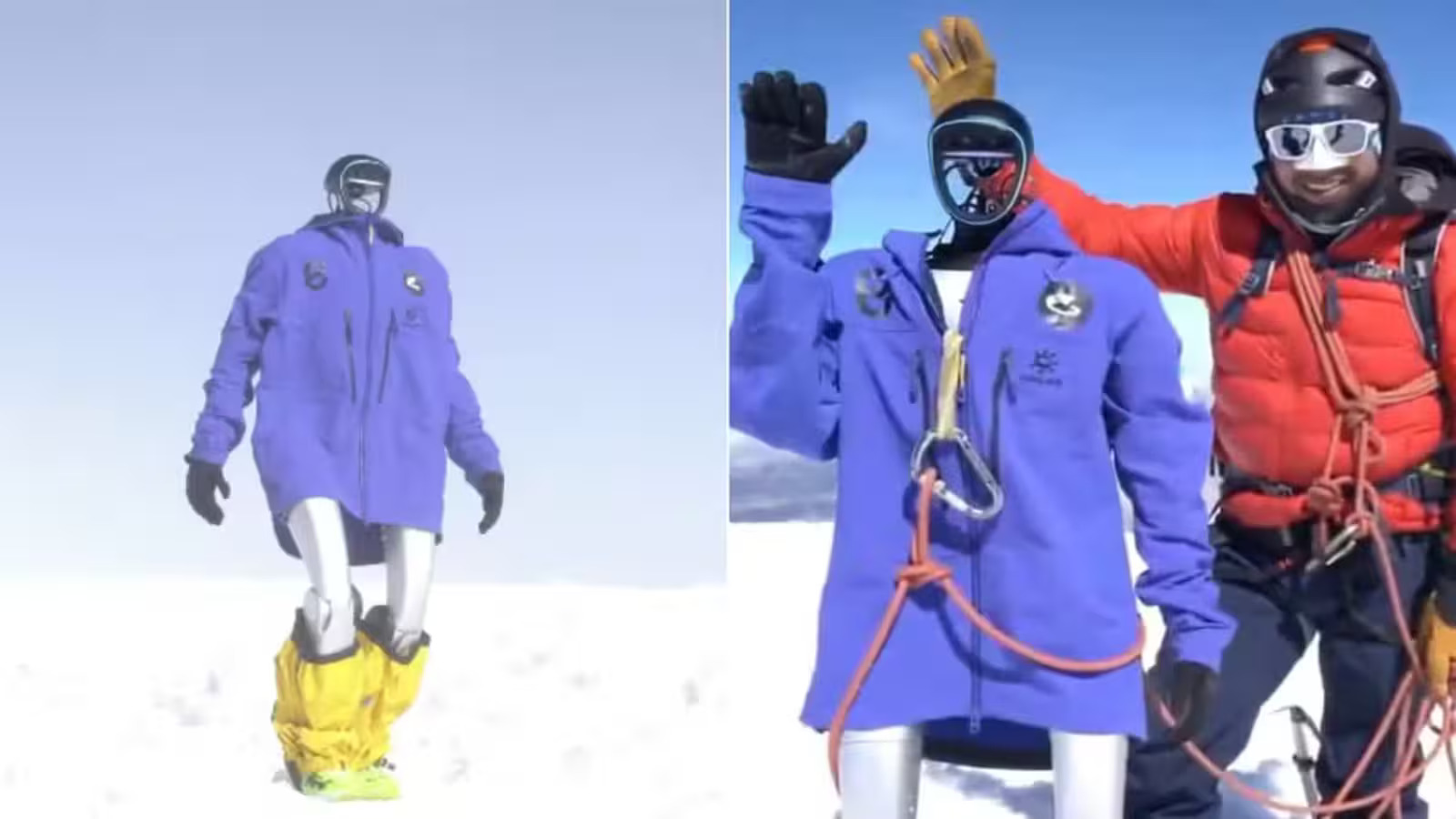
35-kilo Humanoid faced cold, snow, and steep terrain during a 16-hour expedition in Ecuador, but still needed human help in technical sections and awaits authorization to test Everest
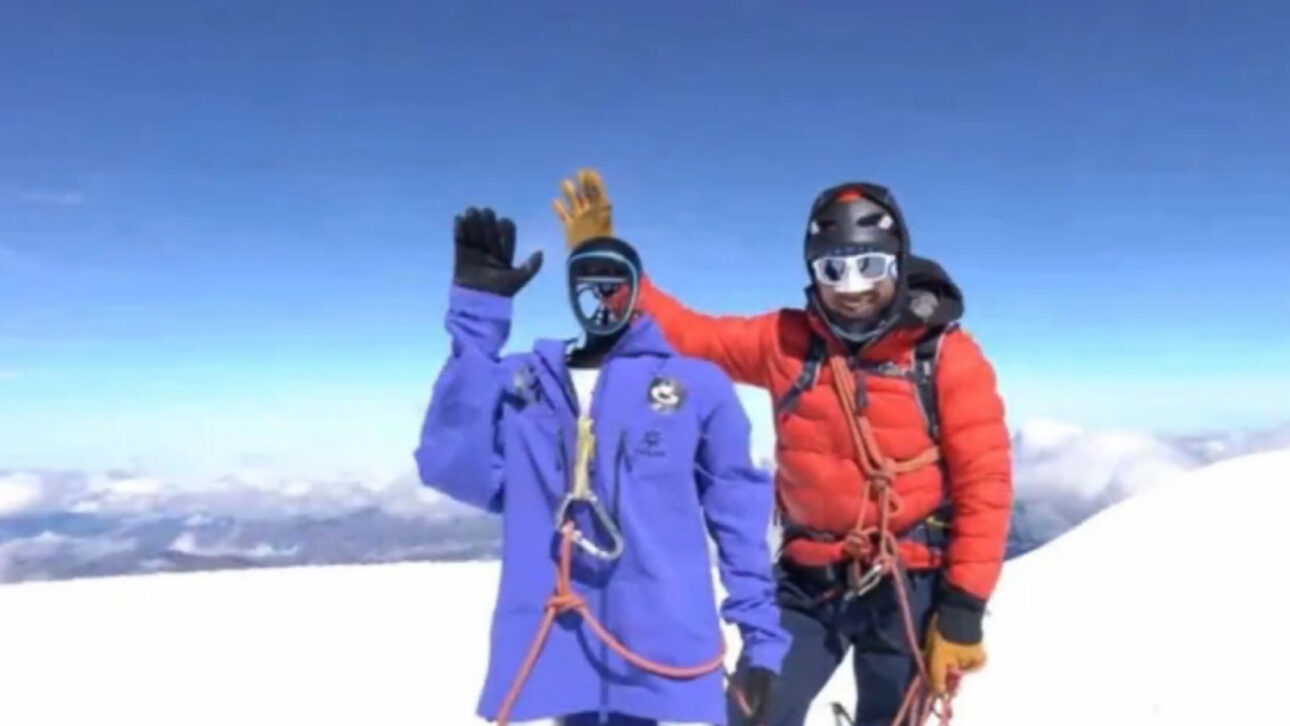
The robot Pemba reached the summit of the Chimborazo volcano in Ecuador, at 6,263 meters altitude, after an expedition of approximately 16 hours. The test evaluated the humanoid’s ability to face extreme environments and is part of the preparations for a future attempt to reach the advanced areas of Mount Everest.


Robot Pemba received adaptations for snow and intense cold
Weighing 35 kilos, with arms and legs similar to humans, Pemba was developed from the G1 model by the Chinese company Unitree Robotics. The expedition was led by engineer Pablo Berlanga, founder of the Geologic Dome organization.
To operate in alpine conditions, the equipment received thermal protection, coatings against intense cold, and modifications to the feet, developed to improve movement over snow and ice.
-
Physicist Harvests Water from Fog in the World’s Driest Desert, Turning Mountains into Water Traps

-
Wikipedia Blocks AI-Generated Edits, Citing Distrust in Automated Systems and Outlining Plans to Use Technology Without Losing Article Control
-
NASA Tests Rover with Lizard-Like Suspension and Independent Wheel Traction, Aiming for Speed Ten Times Faster than Perseverance on Mars

-
Scientists Warn: Gulf Stream Shift Warms Canadian Waters by Up to 5°C, Revealing Rapid AMOC Response


The navigation and balance systems were also pre-trained to face mountainous terrain, wind gusts, and severe weather conditions. The goal was to evaluate the machine’s behavior in a real high-altitude scenario.
Humanoid still depends on help in technical sections
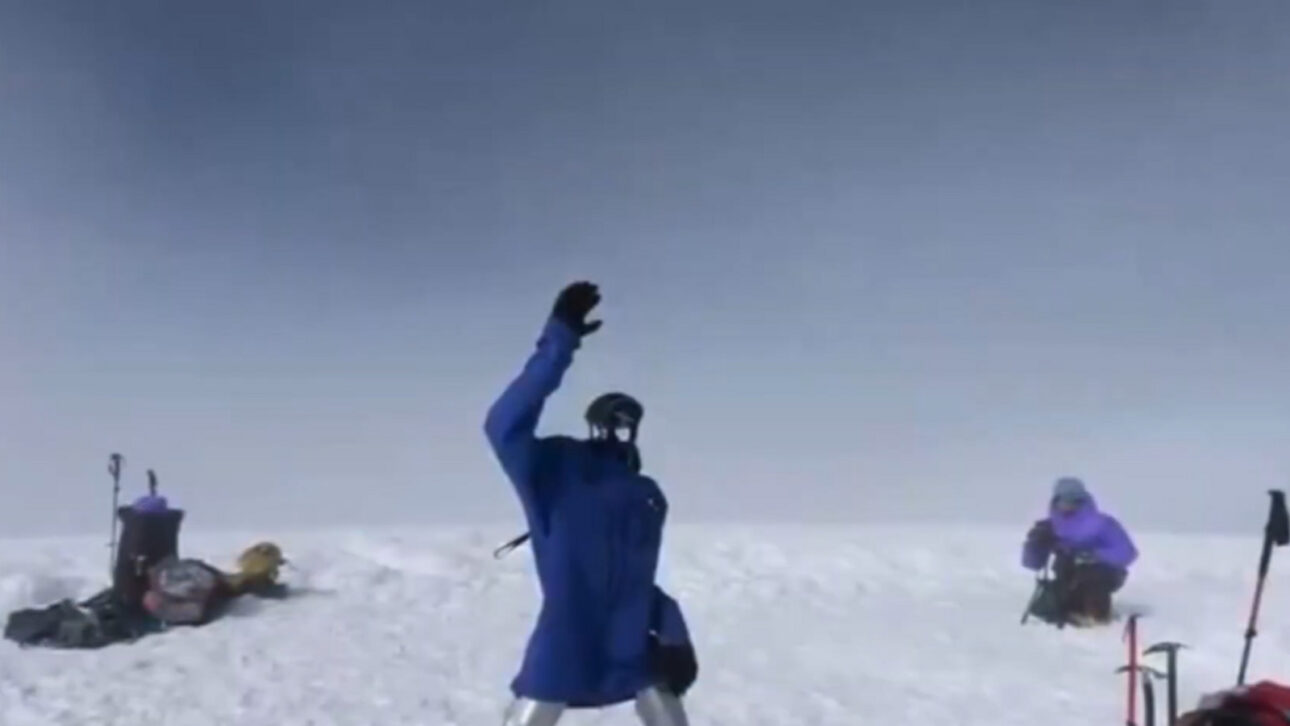
Despite reaching the summit, the robot Pemba did not complete the entire climb autonomously. It walked alone only on the smoother sections, with inclines less than 30 degrees.
In the steeper and more technically difficult areas, the humanoid had to be carried or assisted by the expedition members.
The performance shows that the equipment is still far from replacing climbers in complex missions.
The Chimborazo was chosen for technical and symbolic criteria. Although it has a lower altitude than Everest when measured from sea level, its summit is the point on the Earth’s surface farthest from the planet’s center.
This characteristic occurs due to the Earth’s bulge in the Equator region, which makes the planet wider in this area.
Rules may delay the Pemba robot test on Everest
The team planned a mission to the Himalayas, but the project encountered regulatory obstacles. Nepal still does not have specific regulations to authorize certain technological equipment in mountaineering expeditions.
There are also safety concerns related to the use of advanced technologies in a strategic region near the Nepal-China border.
According to the Kathmandu Post, a proposal linked to the project was suspended while authorities discuss guidelines.
The team would like to reach advanced camps on Everest in October, but authorization is not expected before April 2027. The initial stage plans to reach Camp 4, located at 7,950 meters.
Only after new tests and adjustments would an attempt towards the Everest summit, at 8,849 meters altitude, be planned. Before that, evaluations are planned on the Mauna Kea volcano in Hawaii.
Technology can support research and rescue operations
Geologic Dome intends to use humanoids in activities such as glacier monitoring, environmental data collection, protected area surveillance, waste removal, and support for rescue operations.
Equipped with sensors, artificial intelligence, satellite connection, and, in the future, their own energy sources, these robots will be able to operate for extended periods in remote and dangerous locations for human teams.
This article was prepared based on information from Geologic Dome, Unitree Robotics, and Kathmandu Post, with data, numbers, and statements preserved as per the consulted material.




Be the first to react!