






 Portuguese
  Spanish


Mayan city Minanbé gathers pyramid, palaces, canals, and 14 monuments in a 16-hectare area preserved in the Mexican jungle.
A Mayan city preserved for over a thousand years was identified in a hard-to-reach area in the Calakmul Biosphere Reserve, in the state of Campeche, Mexico. Named Minanbé, the Mayan city occupies approximately 16 hectares and includes a pyramid-temple, palaces, ceremonial buildings, water canals, altars, and monuments with inscriptions.
The discovery offers researchers records produced in the centuries preceding the collapse of the Mayan cities in the Lowlands. One of the pieces found presents the date of 849 AD, while another monument may have been produced at the end of the 7th century.
Besides the number of structures, the state of preservation caught the team’s attention. Minanbé shows no apparent signs of looting and stands out as the first archaeological site identified by the team in the last three years that has remained preserved, without visible signs of external interventions.
-
Indigenous 8-Year-Old Girl Wins National Science Award for Solar-Powered Water Heater Invention Using Recycled Materials

-
14-Year-Old Girl Develops Solar-Powered Water Purification System for India, Eliminating Need for Electricity or Chemicals

-
Forgotten Canadian Machine Harnessed Waterfall Power to Supply Mines with Compressed Air for 70 Years Without Motors or Electricity
-
Berries, Strawberries, and Blueberries Could Transform Agriculture in Northeastern Brazil, New Tests Reveal



Monuments help reconstruct the city’s last centuries
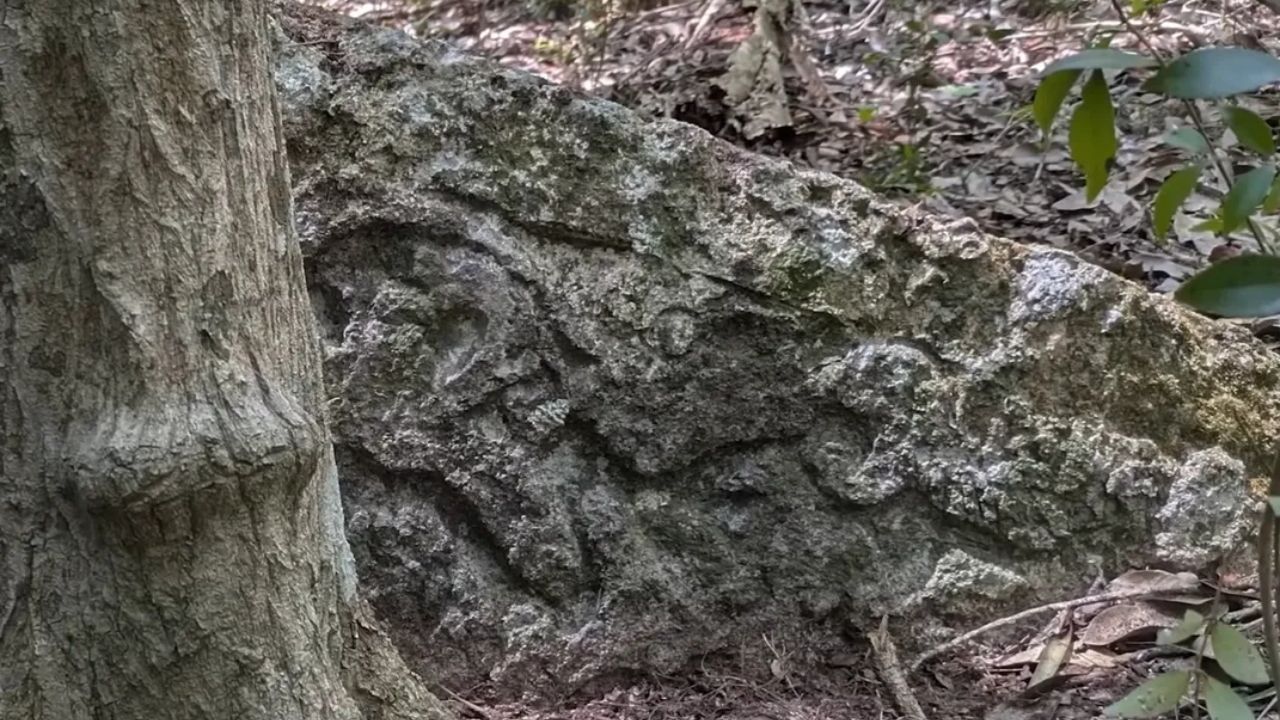
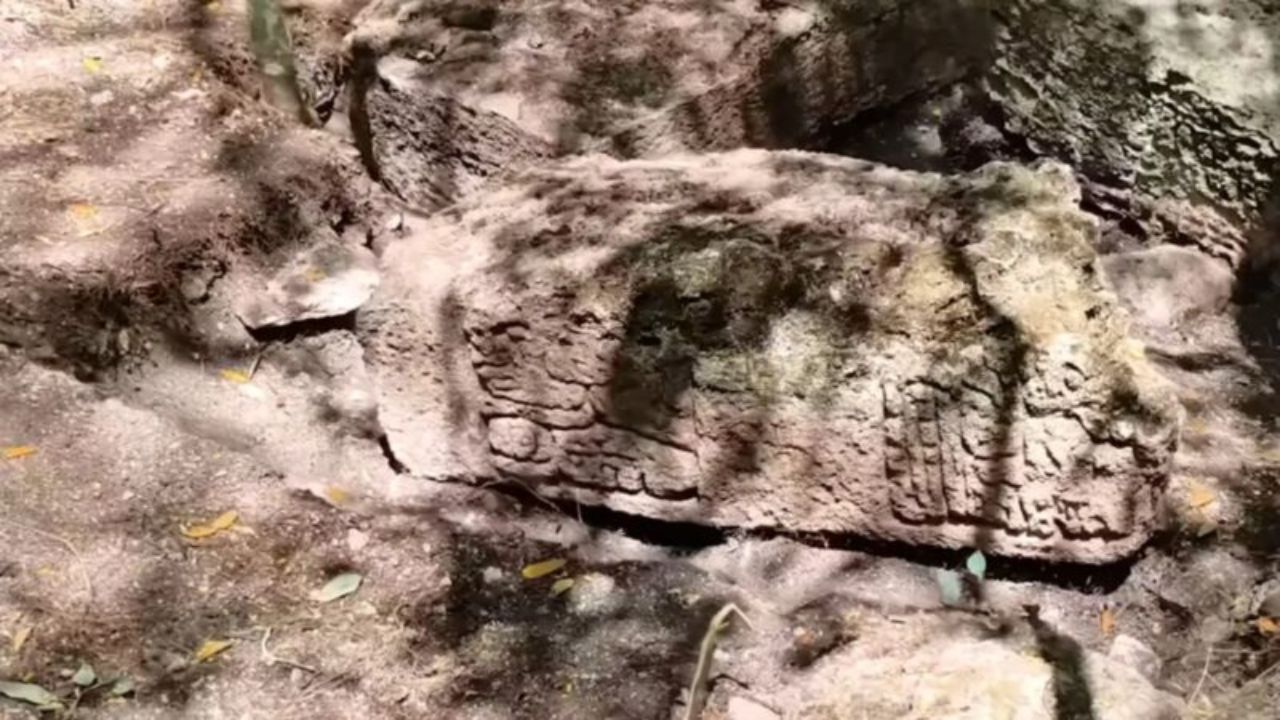
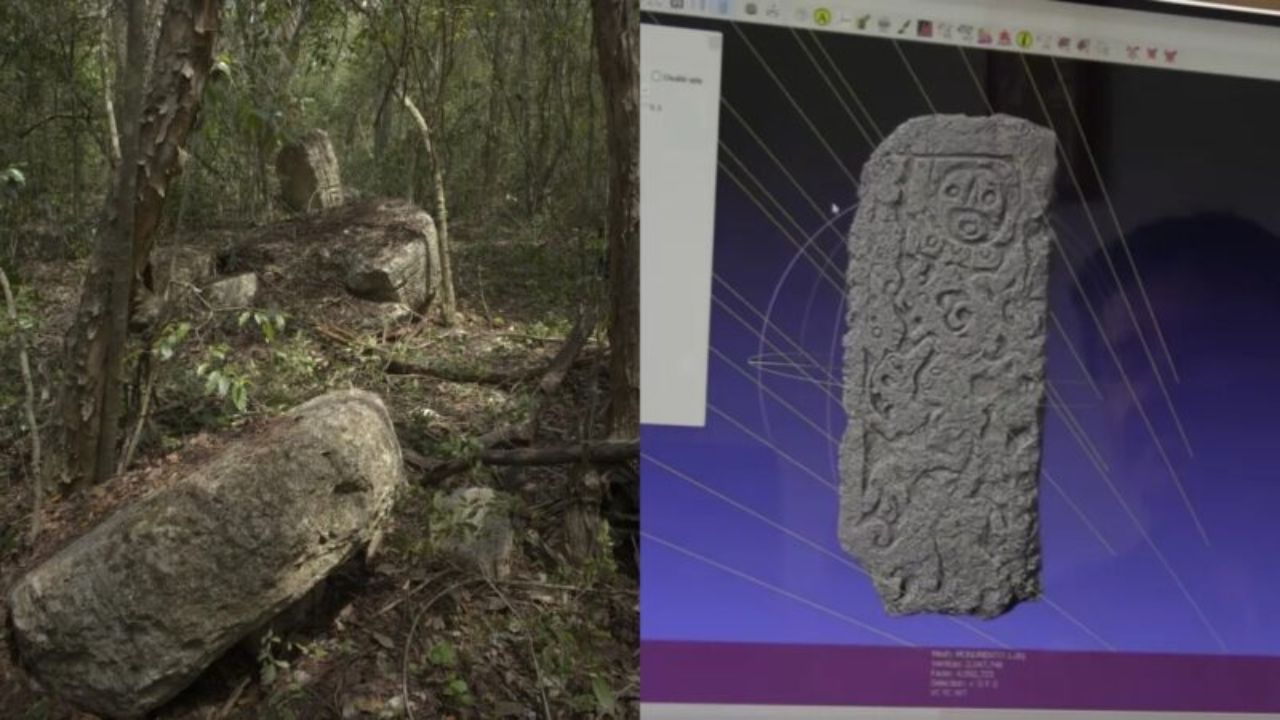
In total, archaeologists located 14 stelae and altars distributed throughout the Mayan city Minanbé. The pieces feature figures, symbols, and elements of the Mayan calendar that can help clarify the political and religious role played by the settlement.
Hundreds of photographs of the monuments were sent to epigraphist Octavio Esparza Olguín, responsible for analyzing the preserved inscriptions.
One of the stelae depicts a scene of a character executing another using a blade, possibly a knife or axe. The inscription associated with the piece records the year 849 AD, suggesting that many of the carved monuments were produced shortly before the decline of the Mayan cities in the Lowlands.
Another altar features the image of a ruler with chest adornments, bracelets, necklaces, and a feather headdress. A calendar element engraved on the piece points to the end of the 7th century, making it the oldest monument found at the site so far.
The difference between the dates demonstrates that the city remained active for an extended period and received new constructions and monuments at different times in its history.
Pyramid-temple exceeds 12 meters in height
The largest construction identified in Minanbé is a pyramid-temple over 12 meters high, equivalent to a three or four-story building.
The building follows the architectural pattern known as Río Bec, recognized for the detailed finish of the constructions and the presence of ornamental elements typical of the Late Classic period.
Inside the temple, researchers found a stela with still preserved symbols. Archaeologist Vitan Vujanović highlighted that he had never encountered a similar specimen with inscriptions so well preserved throughout his investigations.
The presence of the pyramid, along with the palaces, plazas, and monuments, indicates that the Mayan city Minanbé played a significant role in the region during its peak period of activity.
Stone platform has no known equivalent
Among the structures that draw the most attention at the site is a large platform built with stone and limestone blocks. Its surface features decorative elements formed by drawings, lines, and circular sculpted pieces.
According to archaeologist Alberto Vázquez, the structure has particular characteristics and, so far, has not been related to similar constructions found at other ancient sites.
One of the stone sculptures is about 1.5 meters in diameter and exceeds two meters in height. On it, it is possible to observe two figures involved in a scene that may have a ritual character.
The characters hold a container while receiving a substance that researchers interpret as a liquid. According to archaeologist Lino Espinoza Garcia, the context indicates that this element may represent a fluid of sacred nature, possibly water.
The structure raises questions about the rituals performed in the city and about the role the platform played within the urban complex.
Plazas, palaces, and canals occupy 16 hectares
The exploration revealed that Minanbé was not formed only by isolated constructions. The settlement had a complex urban organization, spread over about 16 hectares.
Archaeologists identified squares surrounded by palaces, terraces, religious buildings, and ceremonial areas. A system of canals was also part of the local infrastructure.
The presence of these structures shows that the ancient inhabitants modified the territory to meet the needs of the population.
For archaeologist Ivan Šprajc, who led the team responsible for the discovery, the area was extensively transformed to allow for agricultural production. The city would have reached its peak during the Late Classic period.
At that time, the Maya cities of the Lowlands gathered between 9 million and 11 million inhabitants.
Isolation protected the Maya city Minanbé from looting
The location of Minanbé helped keep its constructions and monuments protected over the centuries.
Other sites in the region can be reached by ancient trails used during wood exploration. In the area of the new discovery, however, these paths do not exist.
To reach the site, the team had to clear a path through nearly five kilometers of dense vegetation. The journey made the expedition more difficult but also helped explain why the settlement remained away from looters.
Archaeologist Lino Espinoza Garcia classified the find as unique and unprecedented. Šprajc emphasized that the site showed no visible signs of illegal removal of pieces or damage caused by invaders.
The name chosen for the city arose precisely from this geographical condition. Minanbé derives from a Yucatec Maya expression that can be roughly translated as “there is no road.”
LiDAR revealed constructions under the vegetation
The location of the Maya city Minanbé began before researchers entered the forest.
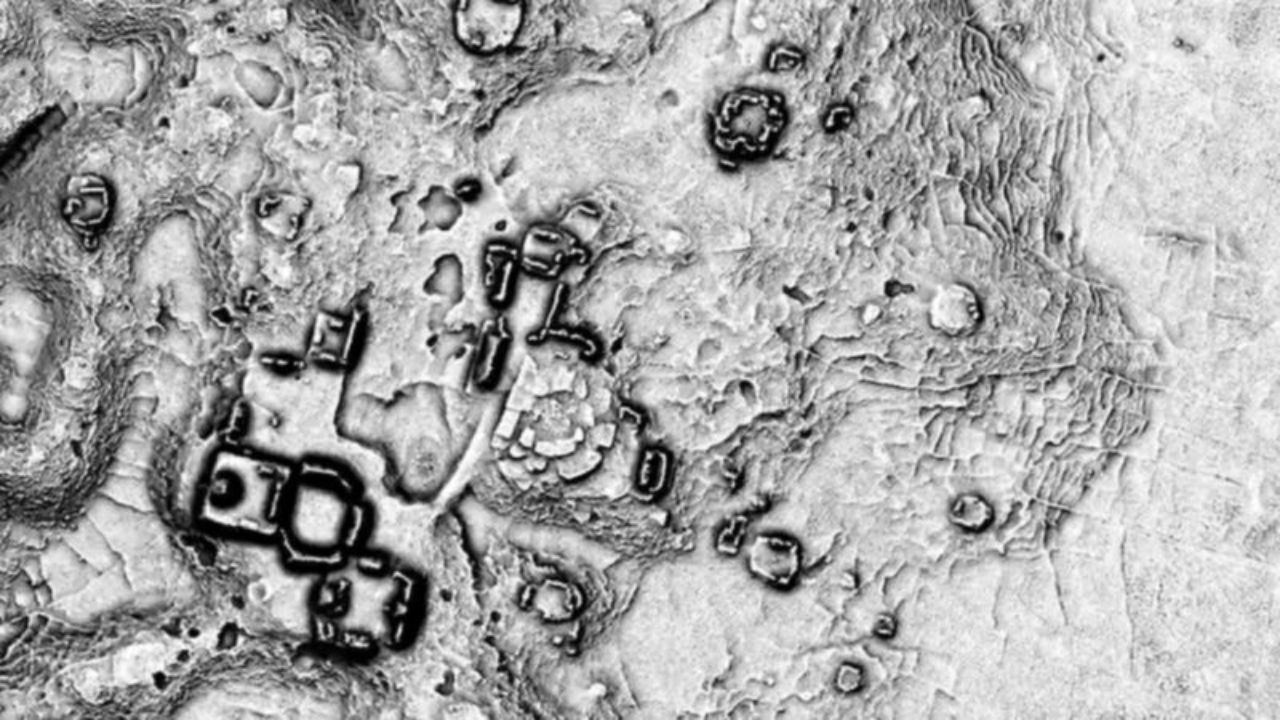
The team used images produced by LiDAR technology, which allows identifying changes in the terrain even when it is covered by dense vegetation.
The aerial analysis revealed shapes that could correspond to ancient constructions. Based on these indications, archaeologists organized the expedition and surveyed the area in the field.
The survey allowed locating squares, platforms, pyramids, and other structures that could not be directly observed under the forest cover.
After reaching the site, the researchers recorded the monuments and gathered detailed images so that the inscriptions could be examined by specialists.
Discovery expands the set of cities found by the team
Minanbé is part of a series of Mayan cities identified in expeditions led by Ivan Šprajc. Among the other sites found by the group is Ocomtún.
The work combines technological surveying, ground exploration, and monument analysis. However, the forest conditions make each mission physically demanding.
Šprajc has reported that he thought several times about ending the research seasons due to the difficulties. For the archaeologist, however, finding a new site represents a reward capable of compensating for the effort made during the expeditions.
In the case of Minanbé, the isolation allowed the team to reach an area with monuments still preserved and without apparent signs of looting.
City preserves records close to the Mayan collapse
The inscriptions found make the Mayan city Minanbé especially important for the study of the Late Classic period.
The stela dated 849 AD places part of the monuments in a phase close to the collapse of the Mayan cities in the Lowlands. Meanwhile, the piece from the late 7th century shows that occupation and ceremonial activities began much earlier.
The palaces, canals, altars, and religious buildings reveal a society that organized space, altered the landscape to produce food, and erected monumental structures.
The absence of looting also preserved information that could have disappeared with the removal or destruction of the pieces. With photographic records and the analysis of the inscriptions, researchers will be able to advance in the interpretation of the rulers, the rituals, and the events represented in the monuments.
Hidden by vegetation that forced the team to carve their own path, the Mayan city of Minanbé remained off modern routes for more than a millennium. The same isolation that hindered its discovery helped preserve an archaeological set capable of revealing new details about the last centuries of one of the great civilizations of the Americas.
With information from Aventuras na História


