Portuguese
  Spanish


Personal trainer, Laura Camily Rockenbach Marques runs to veterinary clinics, organizes donation campaigns, and takes care of animals that came to her after abandonment, illnesses, and mistreatment. At 22 years old, the resident of Sinop, in Mato Grosso, keeps under her care 30 dogs in a house in the city and 30 cats in a farm.
The personal trainer Laura Camily Rockenbach Marques, 22 years old, tries to transform a volunteer work done four years ago in Sinop, Mato Grosso, into a structured shelter for rescued animals. Today, she takes care of about 60 dogs and cats removed from situations of abandonment, suffering, and mistreatment.
The most urgent challenge is financial. The young woman accumulates approximately R$ 34,000 in debts, with R$ 29,000 related to veterinary services and another R$ 5,000 related to animal food.
The idea of the shelter is not to keep the animals isolated indefinitely. The project envisioned by Laura is to create a space for recovery, care, and responsible adoption, with the structure to receive debilitated animals and prepare them for new families.
-
Artesian Well Becomes Lifeline for Small Brazilian Farm: Drilling Reaches 60 Meters, Finds Marble, Navigates Rock Fissures, and Strikes Fresh Water

-
Street Cleaner in Brazil Finds Discarded Books That Helped His Wife Pass Civil Service Exam and Become Police Captain
-
July’s Night Sky to Feature Planetary Alignments, New Moon, Venus at Sunset, Buck Moon, and Two Meteor Showers

-
Fisherman Catches 18kg Catfish Near Brazil’s Itaipu Lake, Among Largest Recorded in Recent Years

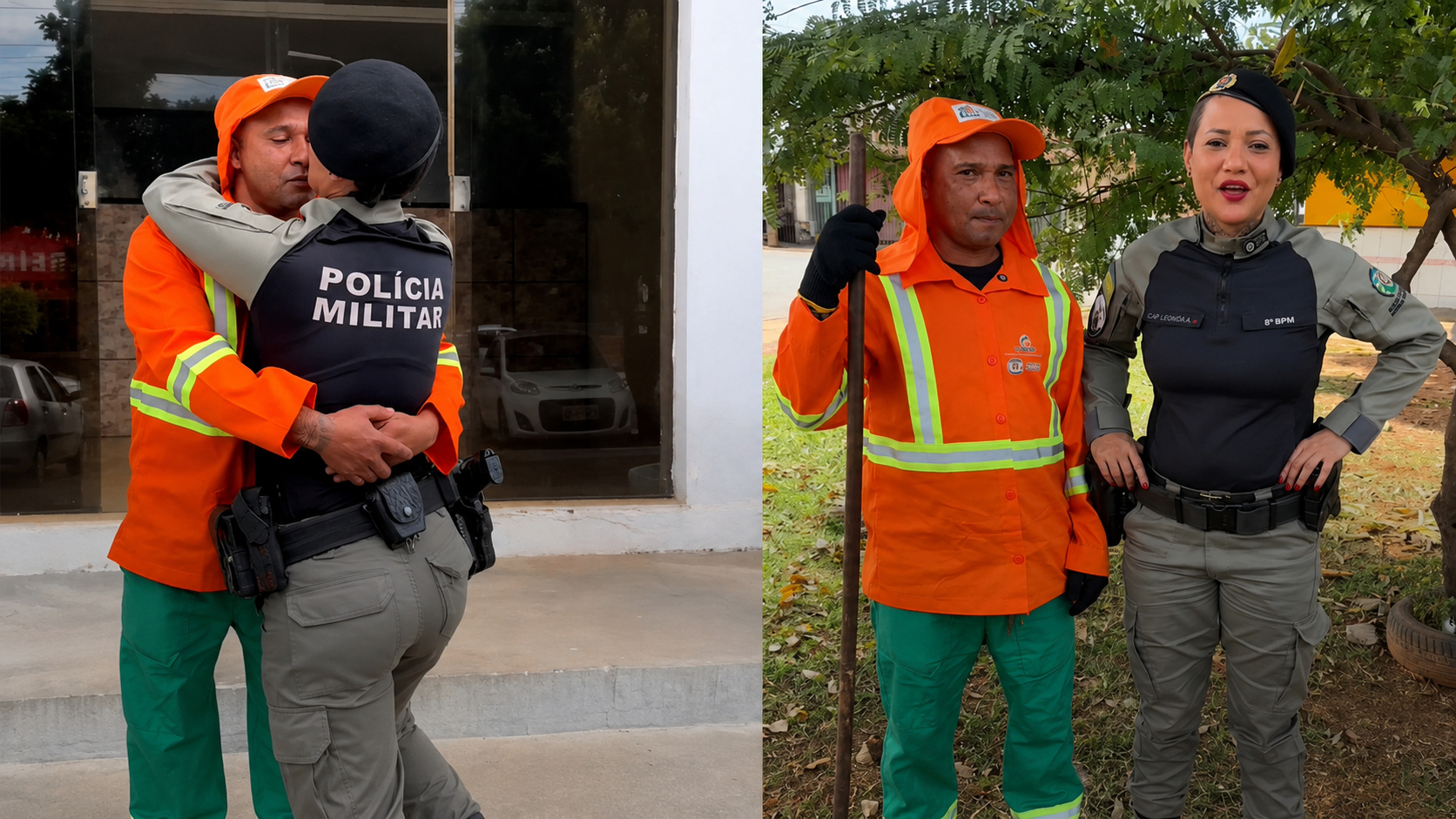


The rescue started in isolated cases and became a routine of daily responsibility
As reported by Primeira Página, Laura has been working independently for four years in animal rescue in Sinop. The work started with occasional help but grew as she began to find dogs and cats in situations of abandonment, illness, or risk.
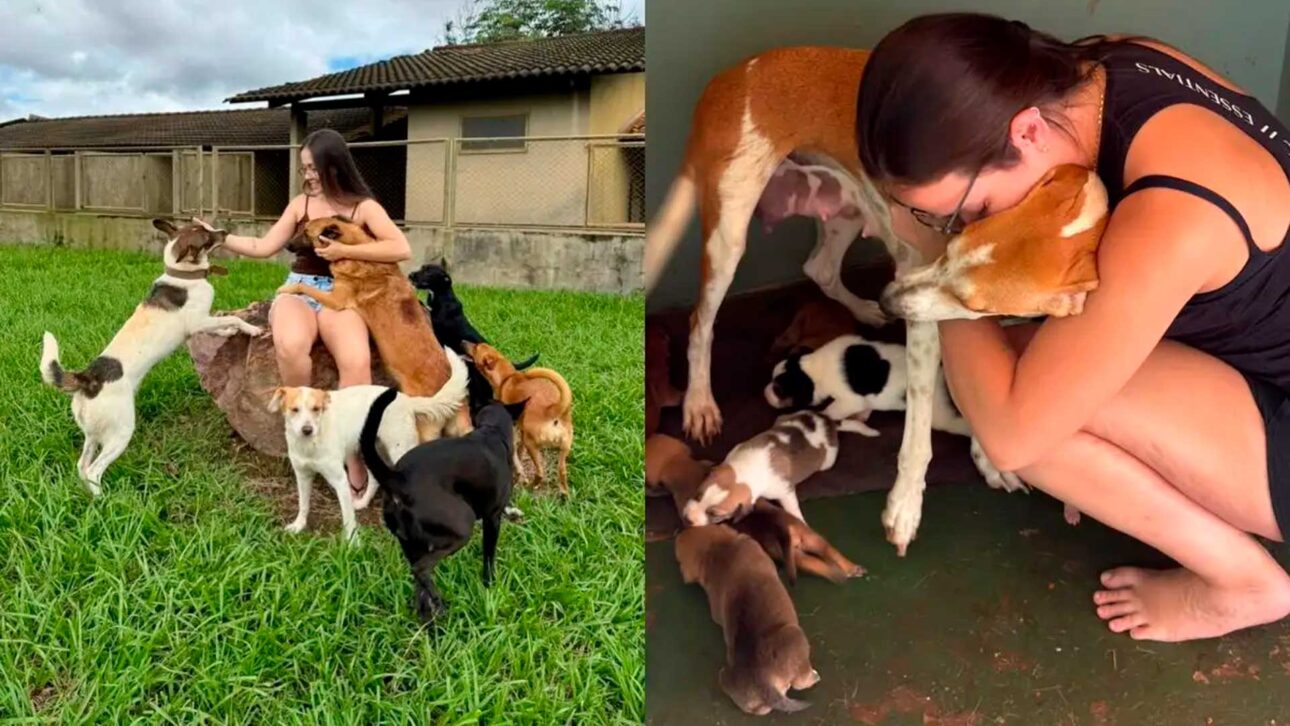
Her routine is divided between her work as a personal trainer, visits to veterinary clinics, buying food, cleaning spaces, and searching for adopters. Between classes, there are rescues, consultations, medications, campaigns, and animal transportation.
Today, the animals are divided into two locations. There are about 30 dogs in a house in the city and 30 cats on a farm, all under the direct care of the protector.
Among the most delicate cases is Nala, a dog rescued last year and treated for cancer. Even after recovery, she still hasn’t found a permanent family, a common situation among adult animals or those who have undergone long treatments.
The debt of R$ 34,000 shows the real cost of maintaining rescued animals
The outstanding amount did not arise from a single expense. According to the protector’s account, the R$ 29,000 accumulated in veterinary clinics includes hospitalizations, surgeries, exams, and treatments carried out during rescues.
Additionally, there is about R$ 5,000 in food. For someone taking care of dozens of animals, pet food is not an occasional expense. It is a fixed, daily cost and difficult to postpone.
Laura states that, often, she does not have the full amount available to cover the animals’ needs. Therefore, she resorts to raffles, bazaars, charity sales, campaigns, and solidarity events to pay part of the bills.
This type of debt is common among independent protectors. Without their own public structure, many end up funding emergency treatments before knowing if they will receive enough donations to pay the bill later.
The planned shelter aims to be a transit place, not an animal warehouse
The dream of building a shelter arose from the need to better organize the care of rescued animals. Laura’s proposal is to have her own space, with suitable areas for recovery, feeding, hygiene, and adaptation before adoption.
The young woman advocates that the shelter be a point of new beginnings. The goal is not just to take dogs and cats off the streets, but to allow them to receive treatment, gain weight, be monitored, and have a real chance of reaching a responsible family.
Another axis of the project is education. Laura intends to develop actions in schools and communities to talk about respect for animals, abandonment, neutering, responsible adoption, and basic care.
The work is already starting to involve educational institutions. Colleges, teachers, and students have participated in campaigns to collect cleaning products, medications, pet food, and other items used in the maintenance of the animals.
Abandonment of animals is also a public health issue
The situation faced in Sinop is not isolated. According to the Ministry of the Environment, animal cruelty is a crime in Brazil under Law No. 9,605 of 1998. In the case of dogs and cats, Law No. 14,064 of 2020 increased the penalty to two to five years of imprisonment, in addition to fines and prohibition of custody.
Abandonment weighs on protectors, clinics, NGOs, and families trying to help. It also creates problems for the city itself, with animals vulnerable to being run over, hunger, diseases, and uncontrolled reproduction.
According to CRMV-SP, responsible pet ownership should be treated as a public health policy. The council warns that abandonment can cause animal suffering, road accidents, spread of zoonoses, and impacts on wildlife.
In a growing city like Sinop, this debate gains more strength. The IBGE estimates that the municipality reached 223,780 inhabitants in 2025, which increases the pressure on urban services, expansion areas, and local animal welfare policies.
Donations help, but responsible adoption reduces the cycle of abandonment
The most immediate help for Laura’s work involves food, medication, cleaning products, and resources to pay off veterinary debts. Cleaning the spaces needs to be daily, especially when there are animals in recovery, puppies, elderly, or newly rescued animals.
In the case of food, the protector advises that donations be arranged in advance. Frequent brand changes can cause digestive problems, especially in debilitated or treated animals.
But support doesn’t end with donations. Responsible adoption is a decisive step to open space for new rescues and prevent the shelter from being permanently overcrowded.
Adopting requires planning. The animal needs food, vaccination, neutering, veterinary consultation, a safe environment, and adaptation time. Without this, the cycle of abandonment starts again.
A cause supported by raffles, bazaars, and volunteers
To maintain the 60 animals, Laura organizes fundraising campaigns, charity events, raffles, and bazaars. Each action helps cover part of the demand, but the total expenses remain high.
The case shows the difference between rescuing an animal and maintaining a protection project. After the first care, there are days or months of care, medication, cleaning, feeding, and adoption attempts.
There is also a human limit in this routine. Balancing work, personal life, and caring for dozens of animals requires time, travel, and a minimum support network.
Therefore, the shelter dreamed of by Laura depends on more than goodwill. It needs structure, recurring donors, volunteers, partnerships with clinics, community participation, and public policies that reduce abandonment at the source.