Portuguese
  Spanish


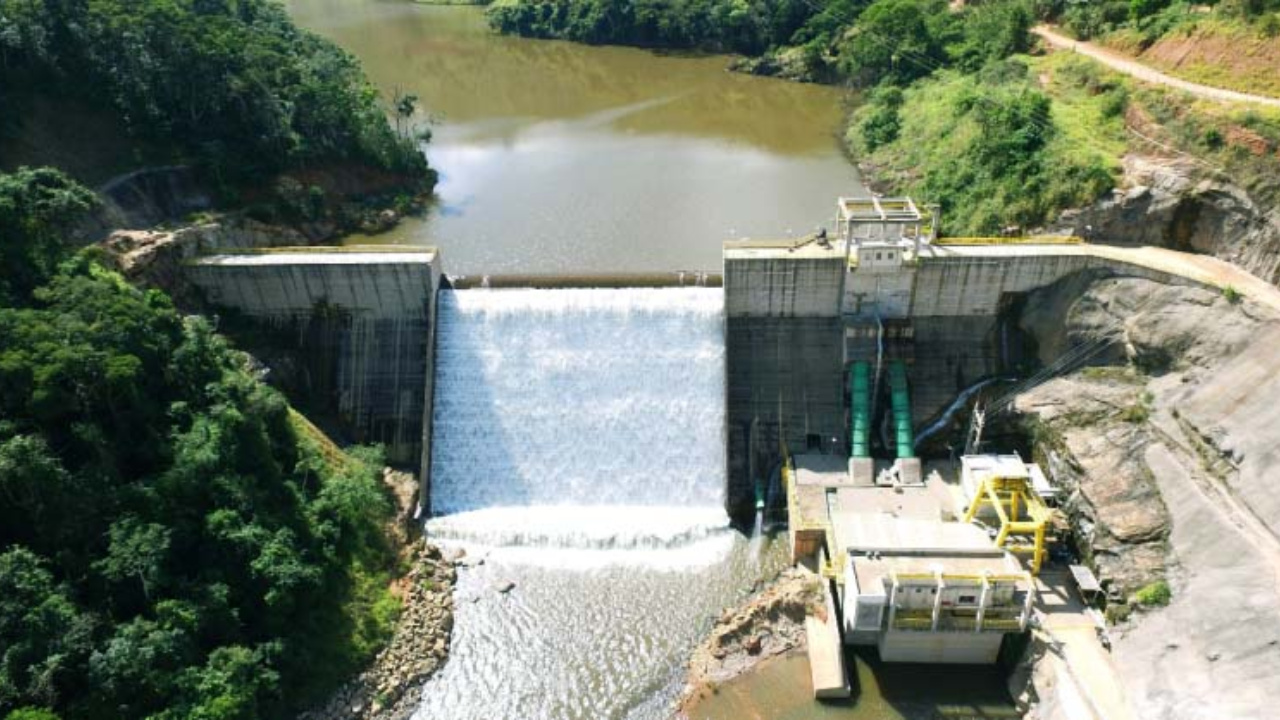

ANEEL Approved the Operation of New Small Hydroelectric Plants (PCHs) in Southern Brazil, Strengthening Renewable Energy Generation and Expanding the Diversity of the National Electric Matrix.
The National Electric Energy Agency (ANEEL) took another important step in expanding renewable generation by authorizing the operation of new Small Hydroelectric Plants (PCHs) in the Southern Region of the country. The approvals include both the commercial start and the testing phase of the plants, representing a significant boost for the regional and national energy matrix.
This measure is part of ANEEL’s ongoing strategy to diversify sources of electric energy and increase installed capacity through low environmental impact projects. The new PCHs were approved after the completion of technical inspection and verification of operational safety, ensuring the reliability and efficiency of the system.
Clean Energy and Supply Security
With the commencement of operations of the new small hydropower plants, Southern Brazil is increasing its participation in the hydraulic generation sector — considered strategic for the balance of the national interconnected electric system. These units play a crucial role in supplying energy in regions with high demand, helping to reduce pressure on large hydroelectric plants and thermoelectric plants.
-
USP researcher creates thesis to attract international funds for the country’s electric energy sector

-
Trafigura receives authorization from ANEEL to trade electricity in Brazil and expands its operations in the largest energy market in Latin America.
-
Mobile solar panels promised to share space with corn crops, but the 20% to 25% shade reduced production by an average of 7.7% and opened a new dispute between energy and food.
-
More than 80 million kilometers of wires need to be replaced by 2040: the energy transition doesn’t just depend on panels and electric cars, but on a colossal race for copper, aluminum, transformers, and recycling of old cables.



Moreover, PCHs act as allies in the energy transition, offering a sustainable alternative that combines efficiency and respect for the environment. Due to their smaller reservoirs and reduced flooded areas, they cause less environmental impact compared to large plants.
Investments and Expansion of the Hydropower Sector
ANEEL’s decision not only increases generation capacity but also stimulates new investments in the energy sector. With the rising demand for renewable sources, Brazil reinforces its position as one of the world’s leading powers in clean energy.
According to the agency, new analyses of requests for the operation of PCHs are underway, and further authorizations are expected to be granted in the coming weeks. This movement reflects investor confidence and the potential of the Southern region to host small-scale hydropower projects.
Diversifying the electric matrix is one of the priorities of the regulatory agency, which has sought to balance sustainability, innovation, and energy security.
What Are Small Hydroelectric Plants (PCHs)?
PCHs are plants that generate electric energy from the force of water, just like large hydroelectric plants, but on a smaller scale. In Brazil, they have an installed capacity between 5 and 30 megawatts (MW) and a smaller reservoir, which reduces environmental and social impacts.
These characteristics make PCHs a strategic model for regional development, especially in areas with medium-sized rivers and communities that need stable and accessible energy.
Thanks to ANEEL’s regulation, the sector has been expanding in a controlled and sustainable manner, directly contributing to strengthening the electrical infrastructure and advancing the country’s decarbonization agenda.
South Consolidates as a Hub for Sustainable Hydropower
The Southern Region has stood out as one of the main hubs for small-scale hydropower generation in Brazil. The favorable topography and the presence of watersheds with high energy potential make the territory an ideal environment for developing new Small Hydroelectric Plants.
With the regulatory support of ANEEL and the increasing involvement of investors, the hydropower sector in the region is moving towards a more modern, secure, and environmentally balanced model, making a decisive contribution to the national energy supply.