Portuguese
  Spanish


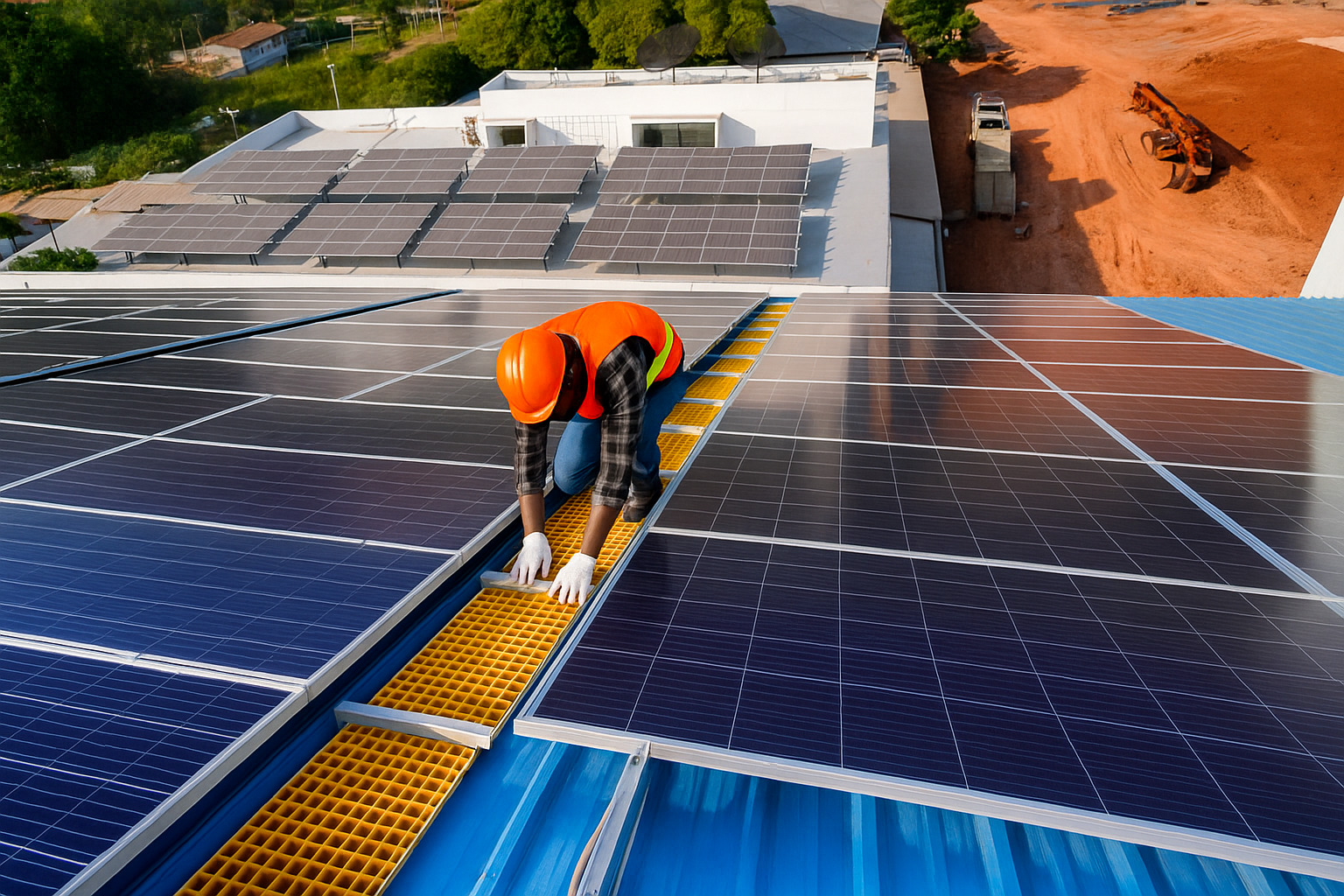

Discover How Aneel and ONS Seek to Optimize the Control of Distributed Generation Plants to Ensure Stability of the Electric System.
The growing expansion of distributed generation plants in Brazil has transformed the country’s energy matrix. Consequently, it has brought both opportunities and challenges for the electric sector.
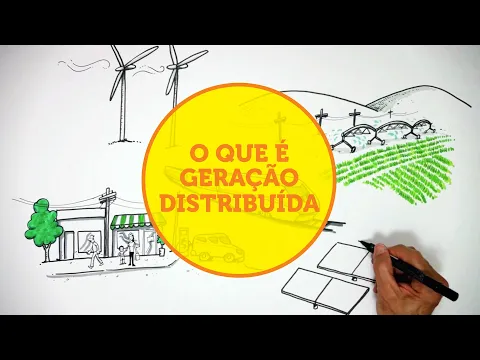
These plants, which include everything from small solar systems in homes to medium-sized solar farms, generate energy close to the point of consumption, which represents a significant advantage.
However, the increase in this decentralized generation has brought to light new management and control issues, which are now the focus of Aneel and ONS.
-
USP researcher creates thesis to attract international funds for the country’s electric energy sector

-
Trafigura receives authorization from ANEEL to trade electricity in Brazil and expands its operations in the largest energy market in Latin America.
-
Mobile solar panels promised to share space with corn crops, but the 20% to 25% shade reduced production by an average of 7.7% and opened a new dispute between energy and food.
-
More than 80 million kilometers of wires need to be replaced by 2040: the energy transition doesn’t just depend on panels and electric cars, but on a colossal race for copper, aluminum, transformers, and recycling of old cables.


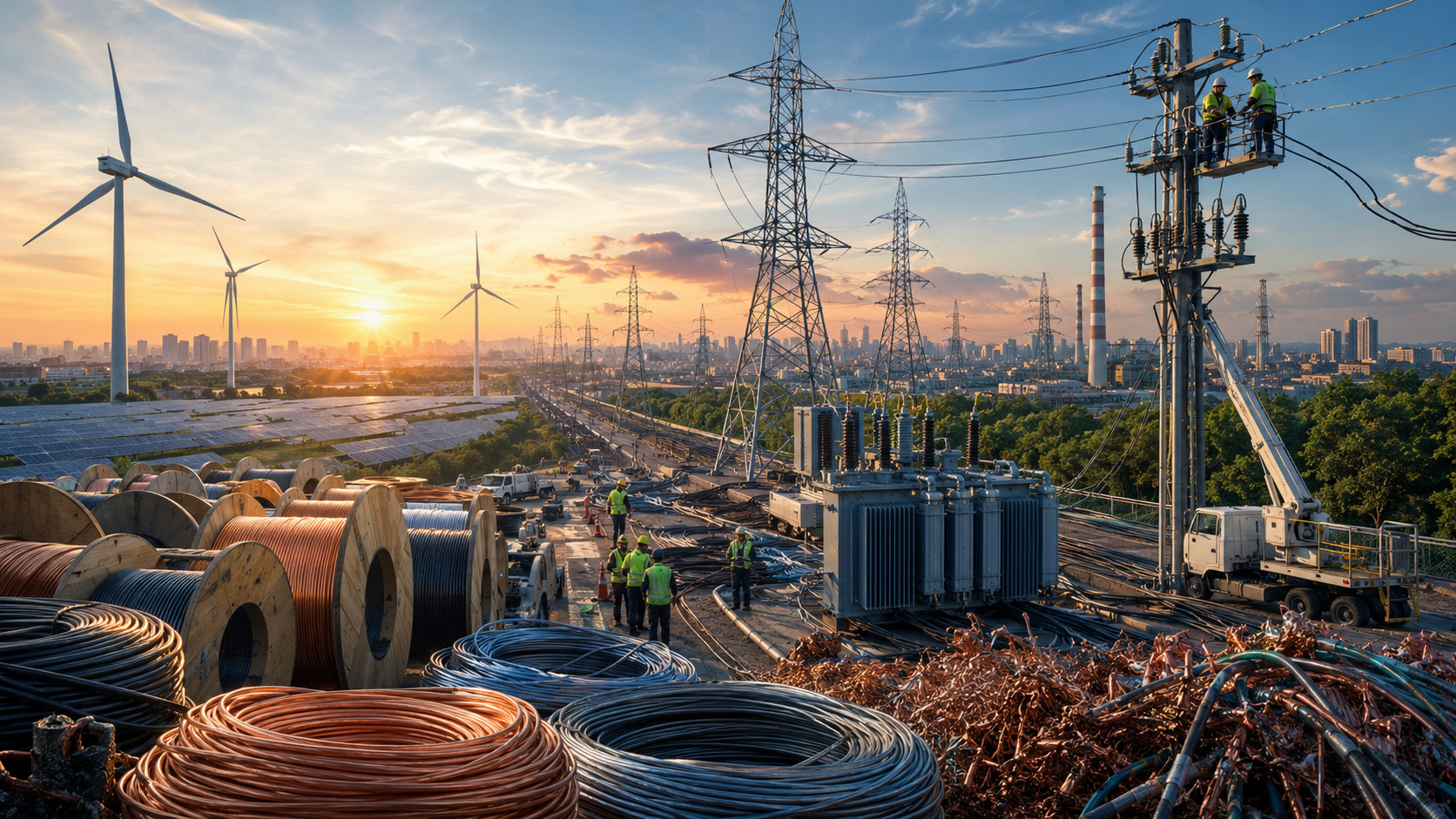
Historically, electricity generation in Brazil was concentrated in large hydroelectric and thermal power plants. Therefore, these centralized structures allowed ONS to effectively manage energy supply and demand, maintaining the stability of the National Interconnected System (SIN).
When there was an imbalance between consumption and generation, ONS adjusted or shut down large plants to ensure that the energy supply was not compromised.
However, with the popularization of distributed generation plants, the scenario began to change significantly.
Moreover, the growth of these generating units is largely due to public policies and economic incentives.
For example, solar energy and distributed generation incentive programs have facilitated homes and small businesses to invest in photovoltaic panels.
Similarly, greater environmental awareness encourages consumers to adopt clean and sustainable sources.
Distributed Generation: Historical Context and Recent Growth
Brazil is undergoing a period of energy transformation, primarily driven by the expansion of photovoltaic solar energy.
According to recent data, thousands of micro and mini distributed generators in homes, businesses, and industries increasingly contribute to the energy consumed in the country.
Consequently, this decentralization of generation brings clear benefits, such as reduction of transmission losses, greater autonomy for consumers, and encouragement to use renewable sources.
However, it also imposes new operational and control challenges on electric system operators.
The concept of distributed generation emerged in the 1990s and early 2000s, with small local generation initiatives, mainly in isolated regions or areas with limited access to the conventional electricity grid.
However, economic and technological viability has solidified in the last decade, with the decline in solar panel costs and the development of more sophisticated monitoring systems.
Moreover, the expansion of distributed generation also modifies the behavior of the energy market.
As a result, consumers who produce their own electricity significantly reduce their bills, altering the economic dynamics between distributors and customers.
Therefore, this phenomenon demands new rules and regulations to maintain a sustainable and competitive system.
Challenges for ONS and Aneel
ONS faces challenges in trying to exert the same level of control it has over large centralized plants.
Unlike large hydroelectric or thermal plants, distributed solar systems are spread across different regions and have variable capacities.
Therefore, joint operation becomes more complex.
Consequently, this lack of direct control can affect system stability, especially during periods of high penetration of distributed generation in SIN.
Recent episodes have highlighted the need for adjustments.
For example, on May 4th and August 10th, ONS noted that the high presence of micro and mini distributed generators could complicate the control of frequency and voltage in the electric system.
These indicators help ensure that energy reaches consumers in a stable manner.
Furthermore, when imbalances occur, the risks of blackouts or overloads increase, impacting homes, industries, and essential services.
Another challenge involves integrating these plants with emerging technologies, such as storage batteries and smart management systems.
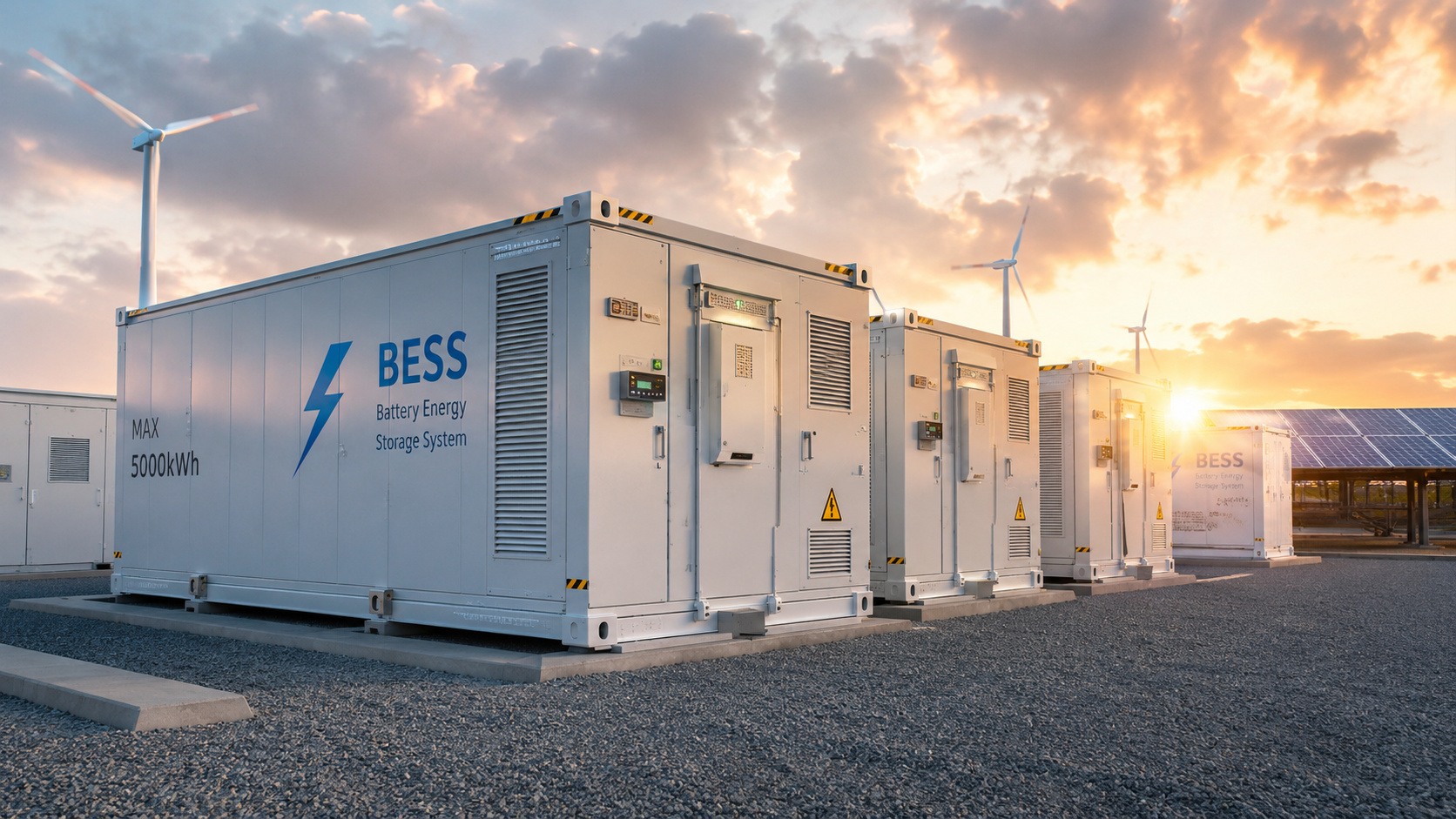
This way, the use of storage solutions allows energy generated during low demand periods to be conserved and used during consumption peaks, improving system stability.
Protocols and Solutions Under Evaluation
To address these challenges, Aneel and ONS are working on structured solutions.
Initially, the protocols will cover distributed generation plants that do not receive direct dispatch from ONS, ensuring that the operation of these units aligns with the security of the system.
Next, they will address specific protocols for remote mini-generators, smaller units that also contribute to the total energy generation but require special attention due to their geographical dispersion and variability in production.
Additionally, communication among all stakeholders involved is crucial.
This way, distributors receive information from ONS and can make quick decisions on generation adjustments.
This model requires investments in monitoring technology, advanced metering systems, and robust communication infrastructure capable of transmitting data in real-time from thousands of generating units spread across the country.
The integration of smart software and forecasting algorithms also helps coordinate distributed generation.
They allow for anticipation of periods of low or high solar production and efficiently adjust consumption.
International Comparison and Future Trends
The movement of Aneel and ONS fits into a global context of energy transition.
Thus, countries around the world face similar challenges with the integration of distributed generation.
For example, Germany has a high number of solar panels connected in homes and businesses, which has led to the creation of smart energy management systems.
In the United States, distributed energy integration programs reconcile local production with the operation of the centralized system, ensuring reliability and efficiency.
In Brazil, the trend is that distributed generation plants will continue to grow, driven by public incentive policies, declining technological costs, and increased awareness of renewable sources.
As a result, this growth contributes to diversification of the energy matrix and strengthens environmental sustainability, reducing dependence on fossil sources and lowering greenhouse gas emissions.
Moreover, the expansion of these plants creates jobs and fosters economic development in regions outside major urban centers.
This promotes energy inclusion and benefits the local economy.
Integration and Future of the Electric Sector
The meeting between Aneel and ONS reflects a strategic effort to align the expansion of distributed generation plants with the security and stability of the national electric system.
Therefore, the history of electricity in Brazil shows that every technological change has brought new challenges, and the current transformation is no different.
With clear protocols, efficient communication, and investments in technology, the growth of distributed generation integrates with supply reliability.
This way, the future of energy in the country depends on this intelligent integration, allowing the benefits of local generation to be harnessed without compromising the operation of SIN.
Brazil is moving towards a more modern, resilient, and sustainable energy matrix, capable of meeting the current and future needs of the population and the economy.
Finally, the expansion of distributed generation plants represents a historic milestone and an opportunity to transform the electric sector into a balanced and efficient model.