






 Portuguese
  Spanish


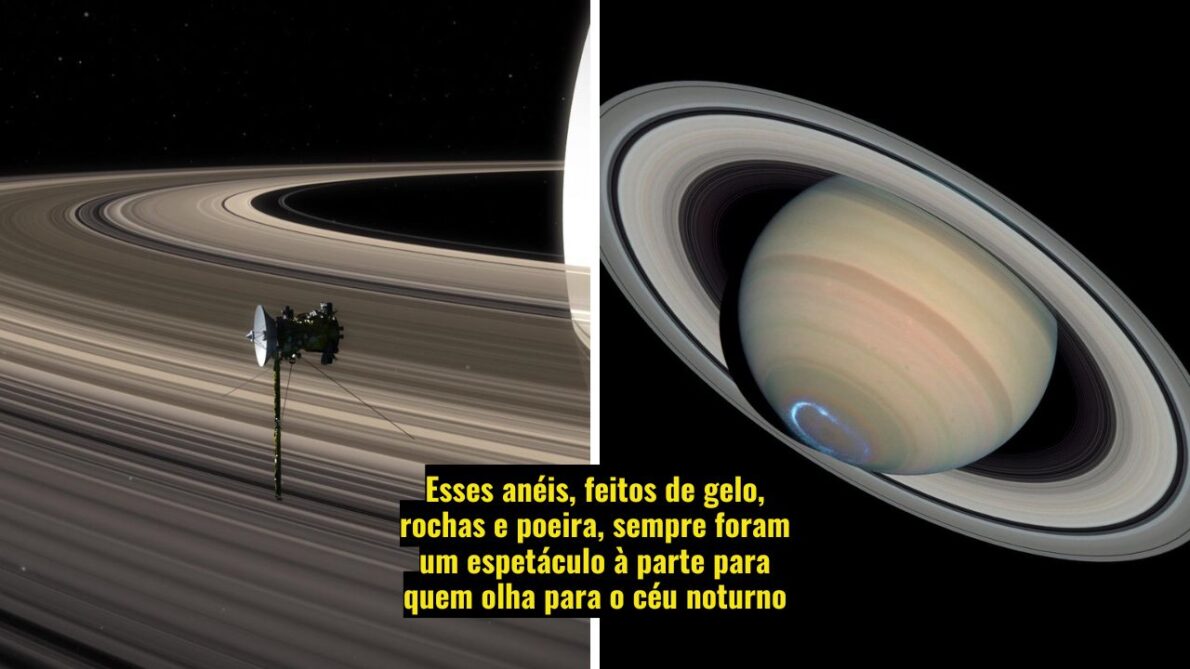

For A Long Time, The Rings of Saturn Have Been One of The Greatest Charms of Our Solar System. But Now, A Question Is Leaving Many People Intrigued: Are The Rings of Saturn Really Going to Disappear in 2025?
Saturn, that giant planet we all know for its beautiful rings, has always been a highlight in the sky. It’s impossible not to marvel at those bright bands surrounding it. These rings, made of ice, rocks, and dust, have always been a spectacle for anyone looking at the night sky, whether through a telescope or even in the amazing images we see out there. But now, there are people saying that in 2025 the rings of Saturn might just vanish. Is that really true?
Well, the story is as follows: Saturn has a rather special rotation, spinning on an axis tilted at 26.7 degrees. This makes us, here on Earth, see the rings in different ways over the years. It’s like we’re looking at a coin from the side, you know? Sometimes we see the bright side, sometimes just the thin edge. And that’s exactly what’s going to happen in 2025: Earth will be aligned with the edge of Saturn’s rings, and they will reflect so little light that, to us, it will seem like they’ve disappeared.
The Rings of Saturn Will Not Really Disappear
But hold on, before panicking, it’s good to understand that the rings of Saturn will not really disappear. They will be “on the side”, so to speak, and will reflect very little light. This means that, to the naked eye, it will be nearly impossible to see them. But don’t worry, they are still there, strong and stable. This alignment that makes the rings nearly invisible is not new. The last time it happened was in 2009, and before that, at other times throughout history.
-
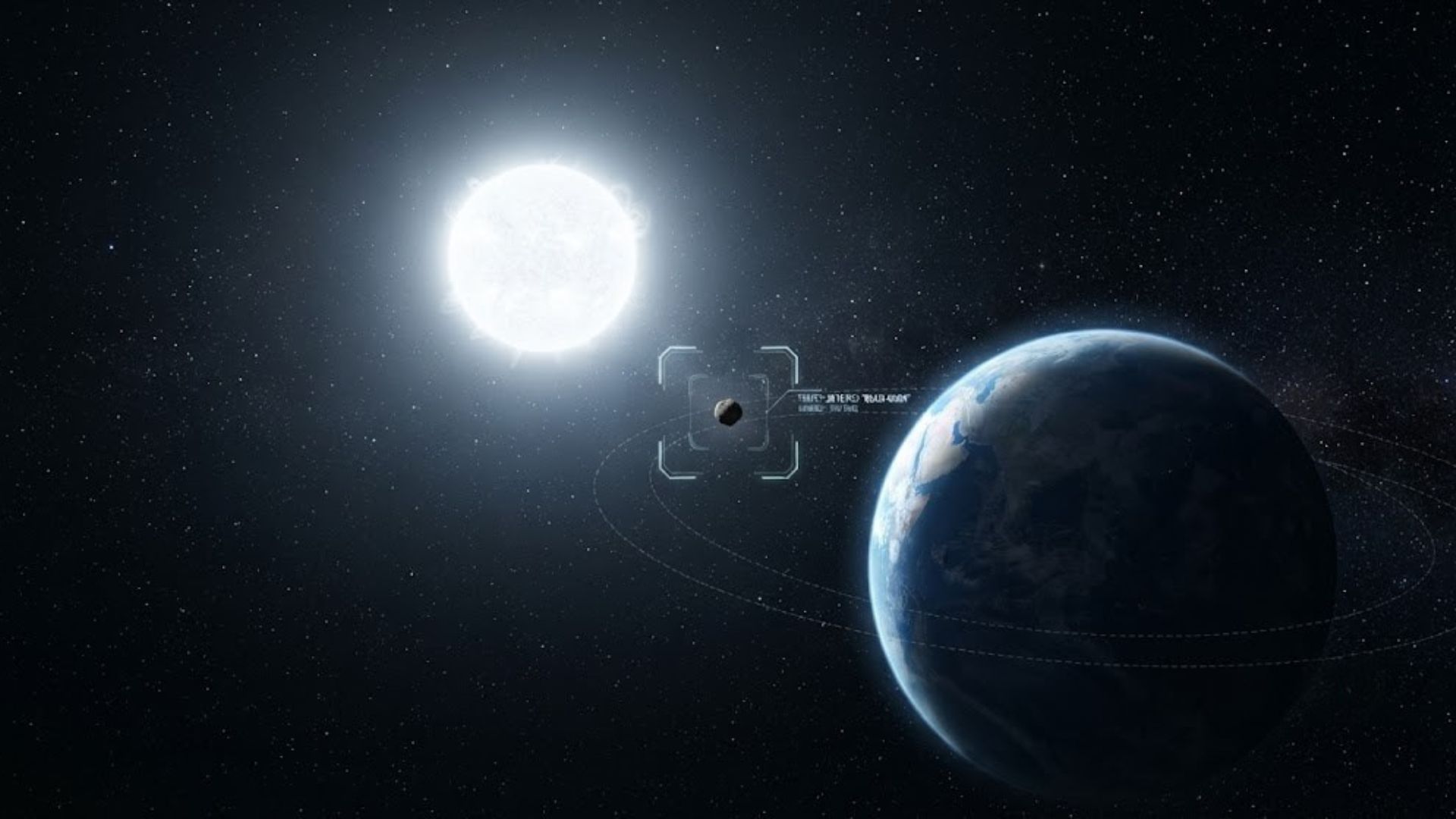
Few people know, but China photographed for the first time Earth’s “quasi-moon,” a small asteroid that accompanies our planet around the Sun and may be a fragment torn from the Moon millions of years ago.

-
China delivers a giant crane ship capable of lifting 2,200 tons at once, transporting structures of up to 10,000 tons, and operating in semi-submersible mode for offshore projects.
-
One of the most devastating El Niños in modern history did not only bring heat: amidst droughts, destroyed crops, and lack of supplies, 50 million people died across three continents, and scientists see in this past a brutal warning for a hotter planet.

-
EcoFlow’s Portable Fridge Offers 43 Hours Off-Grid, Reaches -25°C, App-Controlled, Solar-Powered for Camping and RV Adventures


This “Vanishing” Will Happen in March
In 2025, this “vanishing” will happen in March, specifically on the 23rd. After that, the rings will start to reappear, but only for those with a really powerful telescope. For us, mere mortals without expensive equipment, they will remain hard to see until November 2025, when they disappear again. However, over time, they will become visible again as they always were.
The Rings Are Still Young
The mystery of Saturn’s rings goes beyond this temporary “disappearance.” Science has already discovered that these rings are relatively young in cosmic terms. While Saturn is about 4 billion years old, the rings are around 400 million years old, which is quite young compared to the planet’s age. And there’s more: the rings are shrinking, a “rain” of ice particles constantly falls on Saturn, drawn by the planet’s magnetic field. This generates a flow of water equivalent to filling an Olympic pool every half hour!
A Few More Million Years…
So, what can we expect for the future of Saturn’s rings? Well, they won’t really disappear in 2025, but in the long run, they might indeed vanish, just not anytime soon. Scientists estimate that, at worst, they will last a few more million years. And in the meantime, we can continue admiring this wonder of the solar system, knowing that, even when they seem to disappear, the rings of Saturn are there, strong and bright, like a true cosmic puzzle that we are lucky to observe.
This story of Saturn’s rings is just another proof of how fascinating and full of surprises the universe is. And of course, a reminder that sometimes, what we see – or don’t see – depends a lot on how and where we are looking.
Did you enjoy learning more about the mystery of Saturn’s rings? Found the idea interesting that they might “disappear” in 2025, but in fact, it’s just a trick of perspective? Leave your thoughts about this amazing phenomenon in the comments!


