Portuguese
  Spanish


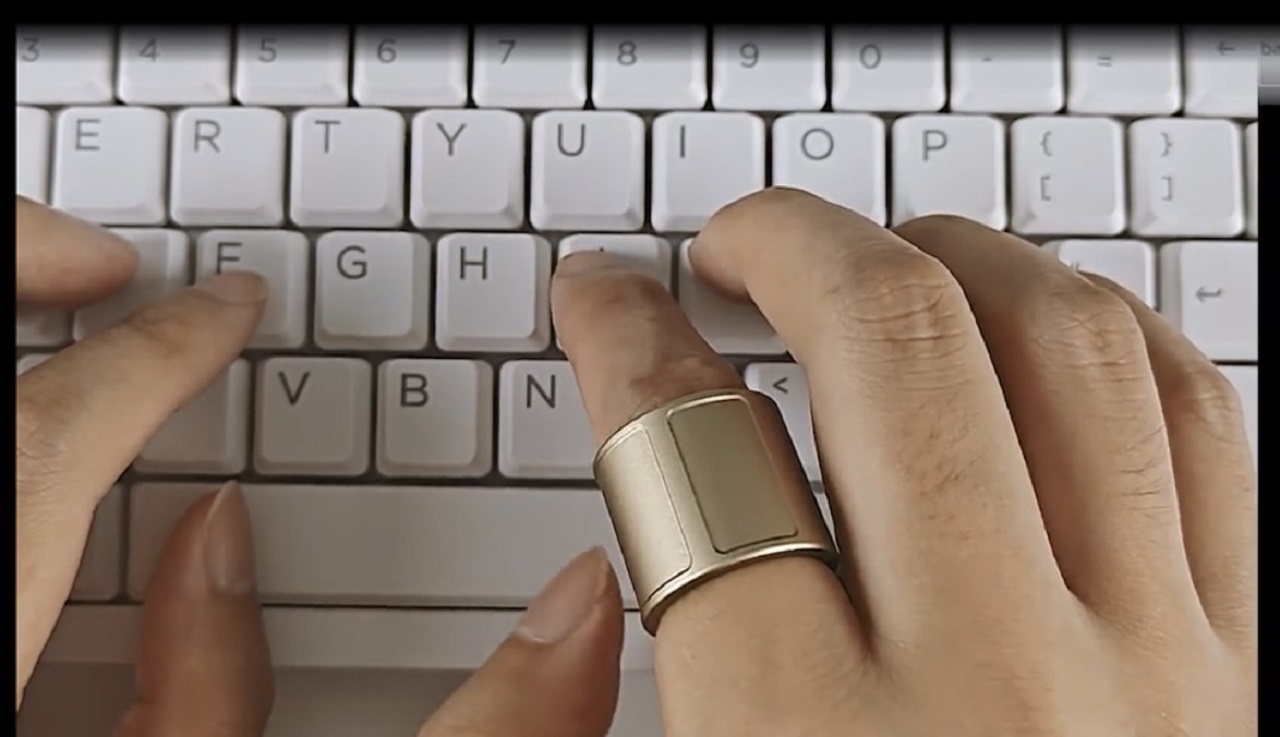

Smart Ring That Promises to Replace the Mouse Reaches Funding Goal in Just 9 Minutes and Introduces Gesture Tracking Technology to Revolutionize Computer Use.
When technology campaigns break funding records, they usually involve products that follow established trends like smartwatches, headphones, or smart glasses. This time, however, the achievement came from an unexpected device: a ring. The Prolo Ring, a tech ring that promises to completely replace the traditional mouse and transform the way we interact with computers, reached its funding goal on Kickstarter in just eight minutes and fifty-nine seconds, according to the platform itself. The achievement occurred in late 2024, and since then the project has continued to spark global curiosity and expectation, especially among technology professionals, designers, gamers, and productivity enthusiasts.
The device functions as a gesture controller, capable of detecting movements in the air with millimetric precision and translating them into actions such as clicking, dragging, scrolling pages, adjusting zoom levels, controlling presentations, and even executing commands in complex editing software. The proposal is simple but ambitious: to replace the mouse as the main navigation interface on PCs and laptops, offering ergonomics, freedom of movement, and accessibility for those who suffer from chronic wrist pain, tendinitis, or simply wish for a more natural way to interact with screens.
Tracking Technology and Precision Motion Sensors
The structure of the Prolo Ring combines high-precision inertial sensors, accelerometers, gyroscopes, and proprietary spatial tracking technology. The ring connects via Bluetooth, recognizes three-dimensional gestures, and responds to short movements with high reading speed, promising minimal latency similar to premium mice on the market.
-
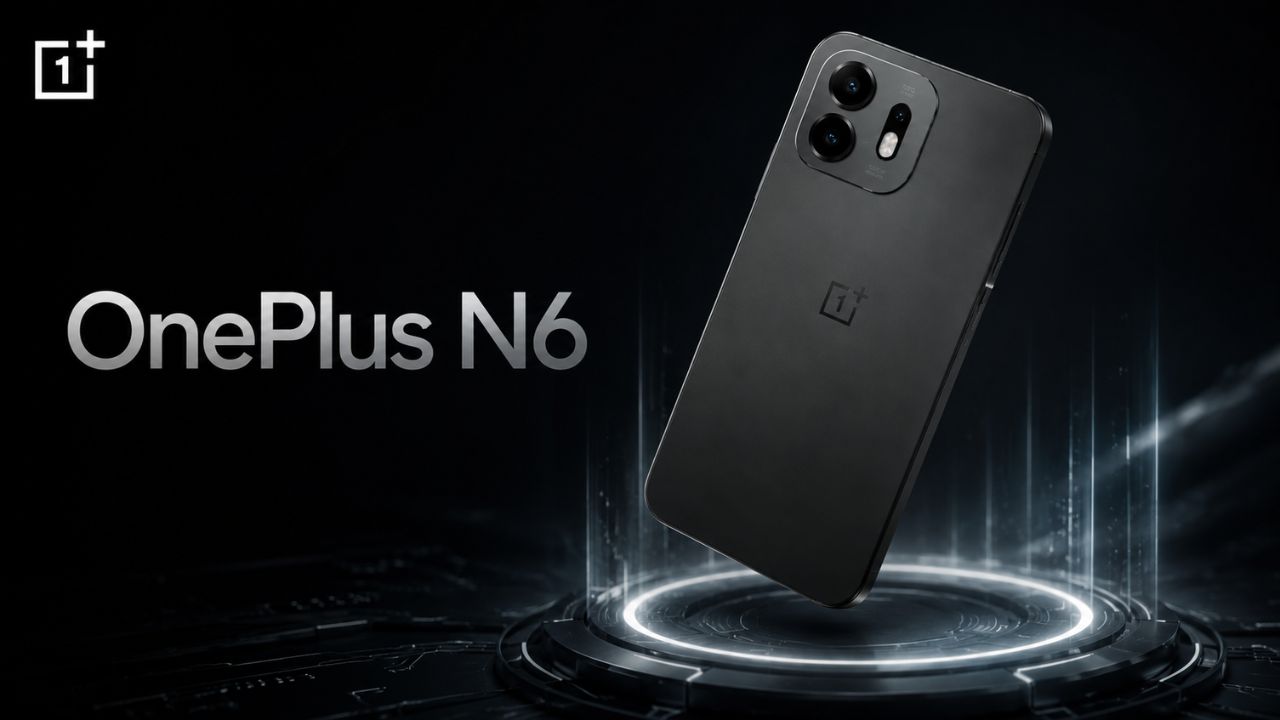
OnePlus N6 Smartphone to Launch in India with 8,000mAh Battery and 45W SuperVOOC Charging, Lasting Up to Three Days

-
Scientists Plan to Release Air Bubbles Underwater to Protect Antarctica’s “Doomsday Glacier” from Melting

-
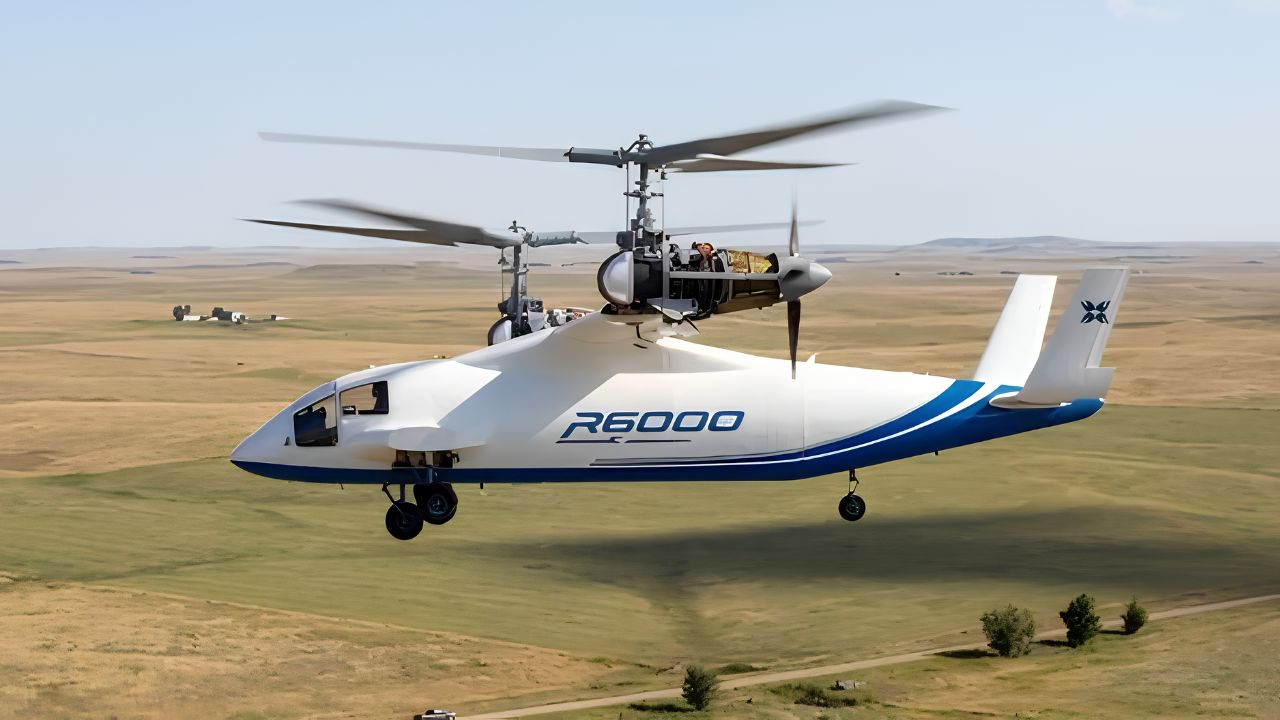
Chinese R6000 Drone Combines Airplane and Helicopter Features, Carries Up to 12 People for Multiple Missions
-
In the World’s Most Densely Populated Desert, Families Dig Funnel-Shaped Underground Cisterns to Capture Rare Rainfall and Store Drinking Water for Up to Eight Months



By executing a simple gesture with the index finger, the user controls the cursor on the screen. The sensitive surface on the ring works for clicks and taps, while subtle wrist movements replicate actions like scrolling and navigation.
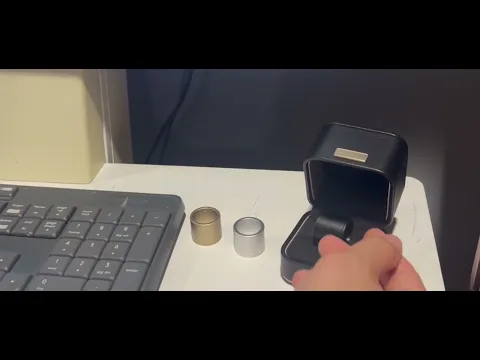

The software includes adaptive calibration, allowing the system to learn the user’s movement pattern and adjust naturally to their usage style, rather than requiring human adaptation to the device.
The promise is a more organic experience than traditional mice and trackpads, bringing digital interaction closer to the natural movement of hands. For designers and creative professionals, the ring also offers a precision mode for micrometric captures in software like Adobe Illustrator and AutoCAD, a fundamental function to be considered more than just a futuristic accessory but a professional tool.
A Race to Reinvent the Human-Machine Interface
Historically, the mouse was created in 1964 by engineer Douglas Engelbart and became the global standard for graphical interaction starting in the 1980s, with the advancement of personal computers.
Although it has evolved with ergonomically refined versions, vertical designs, and advanced optical sensors, it has essentially remained the same in function and form.
What the Prolo Ring and similar projects are attempting to usher in is a new era of interaction, reminiscent of the impact of motion controls in the world of video games, such as those from Nintendo Wii and VR headsets.

The connection with augmented reality and virtual reality technologies is evident. In a scenario where devices like Vision Pro and high-immersion headsets become part of professional life and entertainment, controlling interfaces in the air could become commonplace.
The ring works on both conventional computers and emerging holographic display and augmented reality systems, reinforcing its ambition for the future.
Practical Applications and Ergonomics as Competitive Differential
Beyond its futuristic character, one of the main promises of the ring is ergonomics. Professionals who spend long hours in front of screens often face wrist pain, carpal tunnel syndrome, or fatigue related to fixed hand positioning.
With the ring, the gesture becomes free, the arm no longer rests fixed on a surface, and micro-movements are distributed, reducing repetitive strain.
Another important point is portability. The device is smaller than a mouse and fits in a pocket, allowing full control on small tables, airplanes, trains, or even while standing, as the user presents slides or technical demonstrations.
The proposal has special appeal among digital nomad professionals, who need to compact their work setup as much as possible without losing operational efficiency. At the same time, for gamers, the promise opens a new category of command, although there is still no confirmation of competitive performance in the eSports universe, where milliseconds make a difference. However, the manufacturer indicates that the product will be continuously updated with improvements in tracking and new usage profiles.
Virality, Market, and Global Expectation
The achievement of reaching funding in less than ten minutes reveals a market eager for new control interfaces. In just 24 hours, the campaign had already multiplied the initial goal by more than ten times, with contributions coming from different countries.
Technology influencers and productivity channels highlighted the ring as one of the most interesting bets to replace traditional devices, alongside eye-tracking technologies and voice commands.

The commercial success even before the launch demonstrates a market movement not seen since the smartwatch boom, indicating that wearables for computational control could represent the next wave of consumption in personal electronics.
A Step Forward in the Way We Work
While the mouse will not disappear immediately, the emergence of the Prolo Ring signals that we are facing a transformation similar to what we saw with touch screens and virtual keyboards.
The evolution of the human-machine interface may cease to rely on physical surfaces and migrate to gestures and free movements, redefining work, creativity, and navigation in the digital world.
In an environment where efficiency and ergonomics guide purchasing decisions, the proposal to control a computer solely with finger movement moves from science fiction to a real and commercially viable possibility.