Portuguese
  Spanish




Anvisa Bans The Use Of TPO And DMPT Substances In Cosmetics And Hygiene Products, Mandating That Manufacturers And Stores Withdraw Items Within 90 Days After Studies Indicate Cancer And Infertility Risks
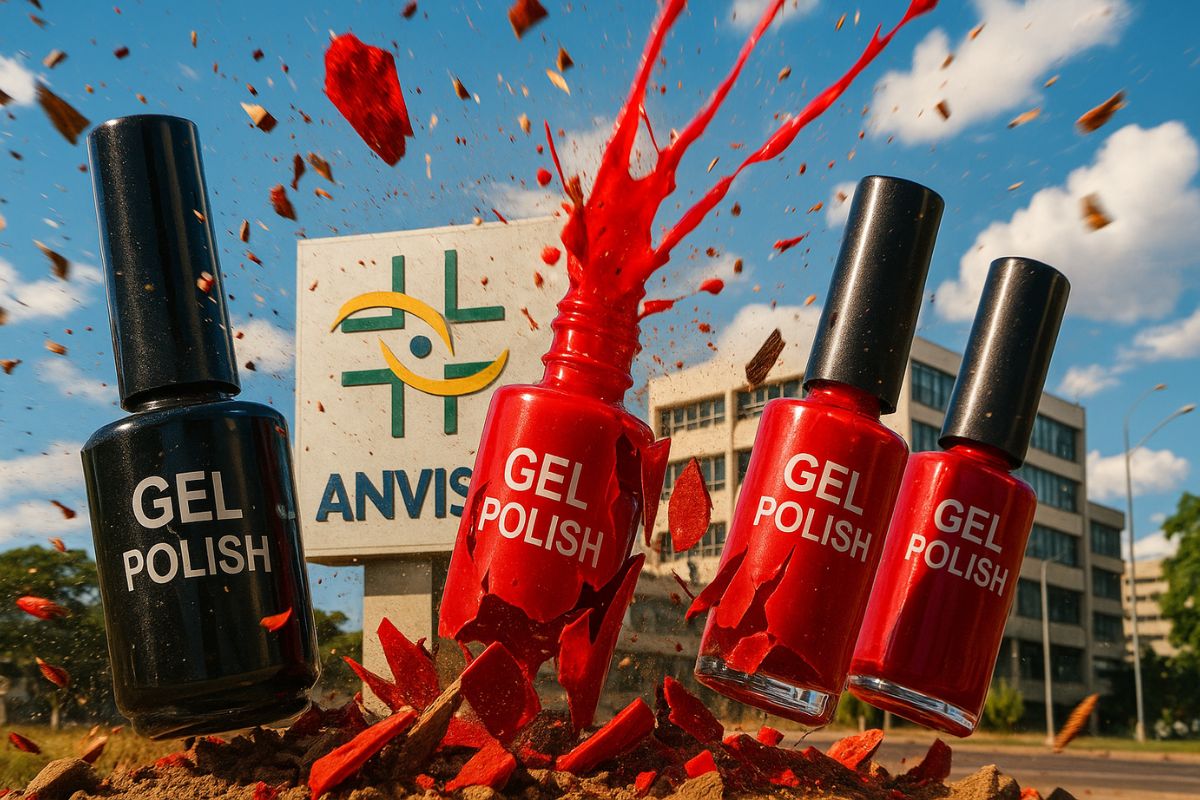
The Anvisa ordered the withdrawal from the market of all products containing the substances TPO [diphenyl oxide (2,4,6-trimethylbenzene) phosphine] and DMPT (N,N-dimethyl-p-toluidine), also known as dimethyltoluidine (DMTA). The decision, published this Wednesday (29), affects personal hygiene products, cosmetics, and perfumes, with a special focus on items used for gel artificial nails and polishes that utilize ultraviolet light or LED.
According to CNN Brasil, the resolution prohibits the manufacturing, importing, and granting of new registrations for any products containing these substances. Companies will have 90 days to remove the products from the shelves, while existing stocks must be withdrawn from stores, distributors and beauty salons, under the responsibility of the manufacturers and importers themselves.
Substances Involved And Health Risks
The measure was based on international studies that classify DMPT as potentially carcinogenic and TPO as toxic to human reproduction, capable of interfering with fertility.
-
As Homeownership Becomes Unattainable in Brazil, Japanese Municipalities Offer Abandoned Houses for as Low as $3,000 to Revitalize Aging, Emptying Cities

-
Job Market in 2026 Welcomes High School Graduates: Logistics, Retail, and Construction Hire Without College Degrees; Quick Courses in Forklifting, Building Electricity, and Welding Boost Salary Prospects

-
Brazil’s ANP Reforms Natural Gas Market, Opens LNG Terminals and Pipelines to More Companies, Raising Hopes for Lower Future Bills

-
Brazilian Government Allows Workers to Use Severance Fund as Loan Collateral, Caps Interest at 1.99% Monthly


These substances are present in various types of cosmetic products that rely on UV light polymerization, a common process in polishes and gels used in beauty salons.
Continuous use of these formulations may expose professionals and consumers to harmful chemical residues.
Anvisa highlighted that the risks are cumulative and increase with the frequency of exposure, especially in environments without adequate ventilation, such as nail salons.
Alignment With International Safety Standards
With the ban, Brazil aligns with the European Union’s regulations, which had already restricted the use of these substances in cosmetics in recent years.
The harmonization seeks to prevent banned products in other countries from remaining available in the Brazilian market, reinforcing the precautionary principle in public health.
The decision also reflects the advancement of sanitary control over emerging chemical ingredients, especially those difficult to trace in global supply chains.
For the agency, the constant updating of lists of banned substances is essential to keep up with technological evolution and new toxicological studies.
Deadlines, Supervision, And Impact On The Sector
The countdown of the 90-day period begins from the date of publication of the regulation, and non-compliance may result in closures, fines, and cancellation of registrations.
The Brazilian cosmetic sector, one of the largest in the world, will have to review formulas, reformulate products, and adjust internal inspection routines.
Manufacturers and distributors must inform retail networks and salons about the procedures for collection and replacement.
The guidance is for consumers to avoid using products with TPO and DMPT until new formulations are duly regulated by Anvisa, ensuring chemical safety and regulatory compliance.
The measure reinforces the role of Anvisa in protecting public health and aligning with international standards of chemical safety.
With the withdrawal of products in up to 90 days, the cosmetic sector faces a new cycle of technical control and reformulation of ingredients, focusing on transparency and risk prevention.
Do you believe that Anvisa’s restrictions are sufficient to protect consumers, or does the country still need to tighten rules on chemical substances in cosmetics?