






 Portuguese
  Spanish


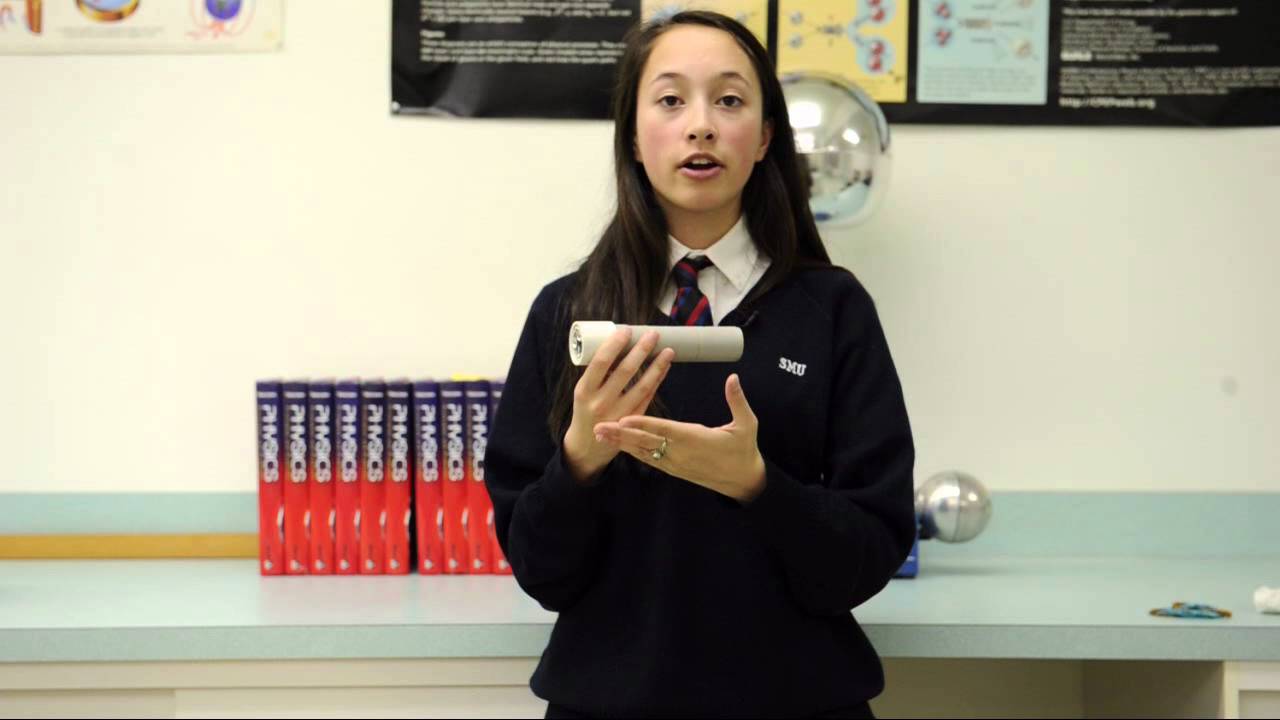


At 15, Ann Makosinski Created a Flashlight That Works Solely with the Heat of the Hand; Invention Won Google’s Competition in 2013 and Revealed a New Era of Portable Thermoelectric Energy.
In May 2013, during the global final of the Google Science Fair, the world got to know one of the most impressive youth inventions of the decade: a flashlight that works without batteries, without electric recharge, powered exclusively by the heat of the human hand. The creator was the Canadian Ann Makosinski, then only 15 years old, a high school student in Victoria, British Columbia. The invention, named Hollow Flashlight, won the main category of the contest and firmly placed the young innovator on the global engineering radar.
The motivation arose from a real problem. Ann had a friend in the Philippines who faced frequent blackouts and had no regular access to batteries. The question the young girl asked was simple and devastating: why does a flashlight need batteries to work if the human body emits heat all the time? The answer came in the form of a project that combined thermodynamics, the Seebeck effect, and applied creativity.
The Flashlight That Transforms Heat into Electricity
The physical principle behind the Hollow Flashlight has been known for over a century: the Seebeck effect, by which a temperature difference between two conductive materials generates an electric current. Ann realized that the thermal difference between the inside of the human hand and the ambient air could be enough to produce usable energy.
-
The industrial waste that even recyclers didn’t want has gained value in the interior of Bahia: two entrepreneurs invested R$ 2.8 million to transform 350 tons per year of foam, rubber, and plastic into boards that can replace wood and MDF.

-
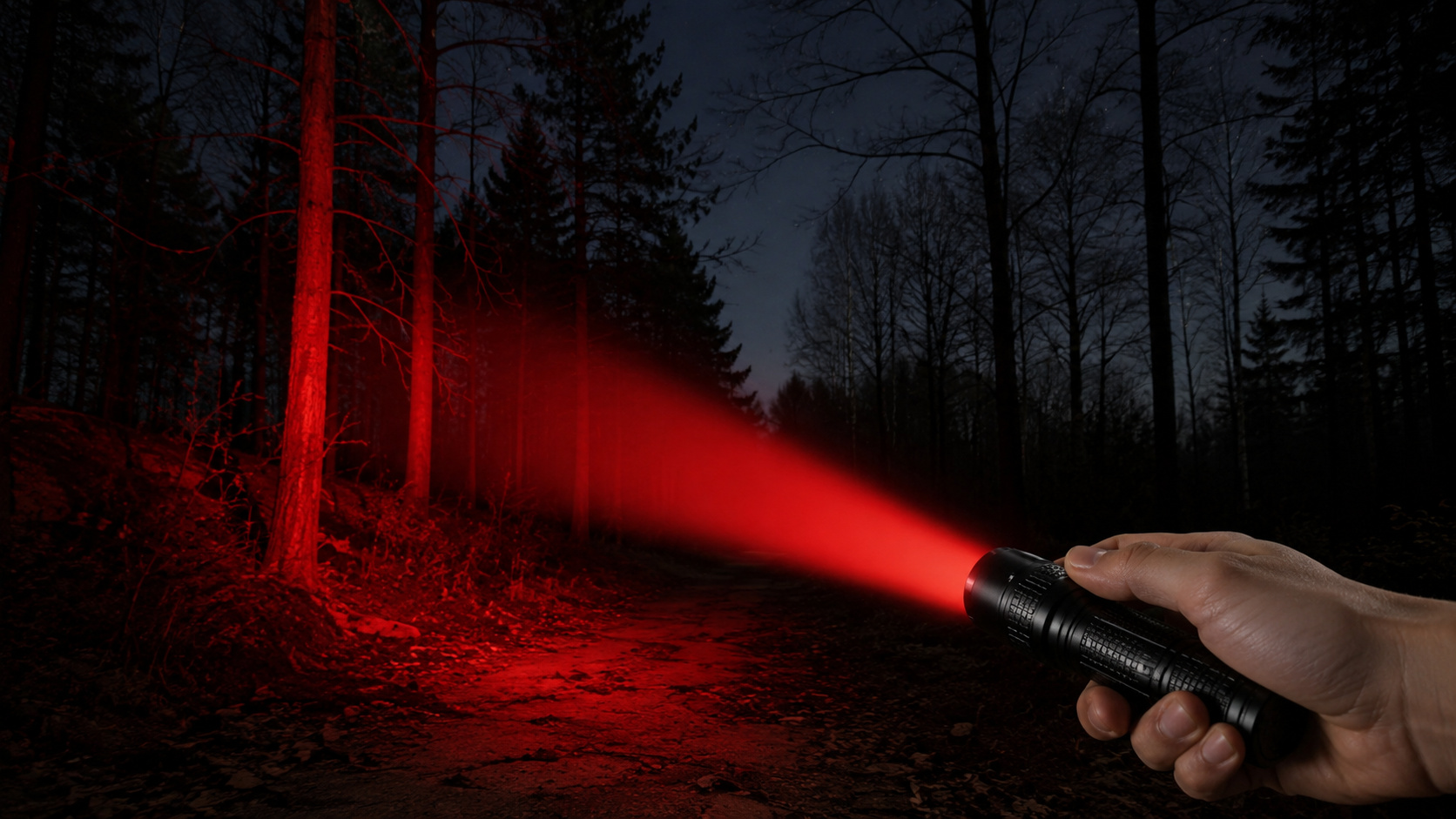
What is a red flashlight used for, after all? See why it is so commonly used at night.

-
He has never read a line of code, but he already knows how to work: the French company UMA presented in Paris the Northstar, its first AI-powered humanoid robot designed for factories and warehouses, capable of copying tasks just by observing an employee in action.

-
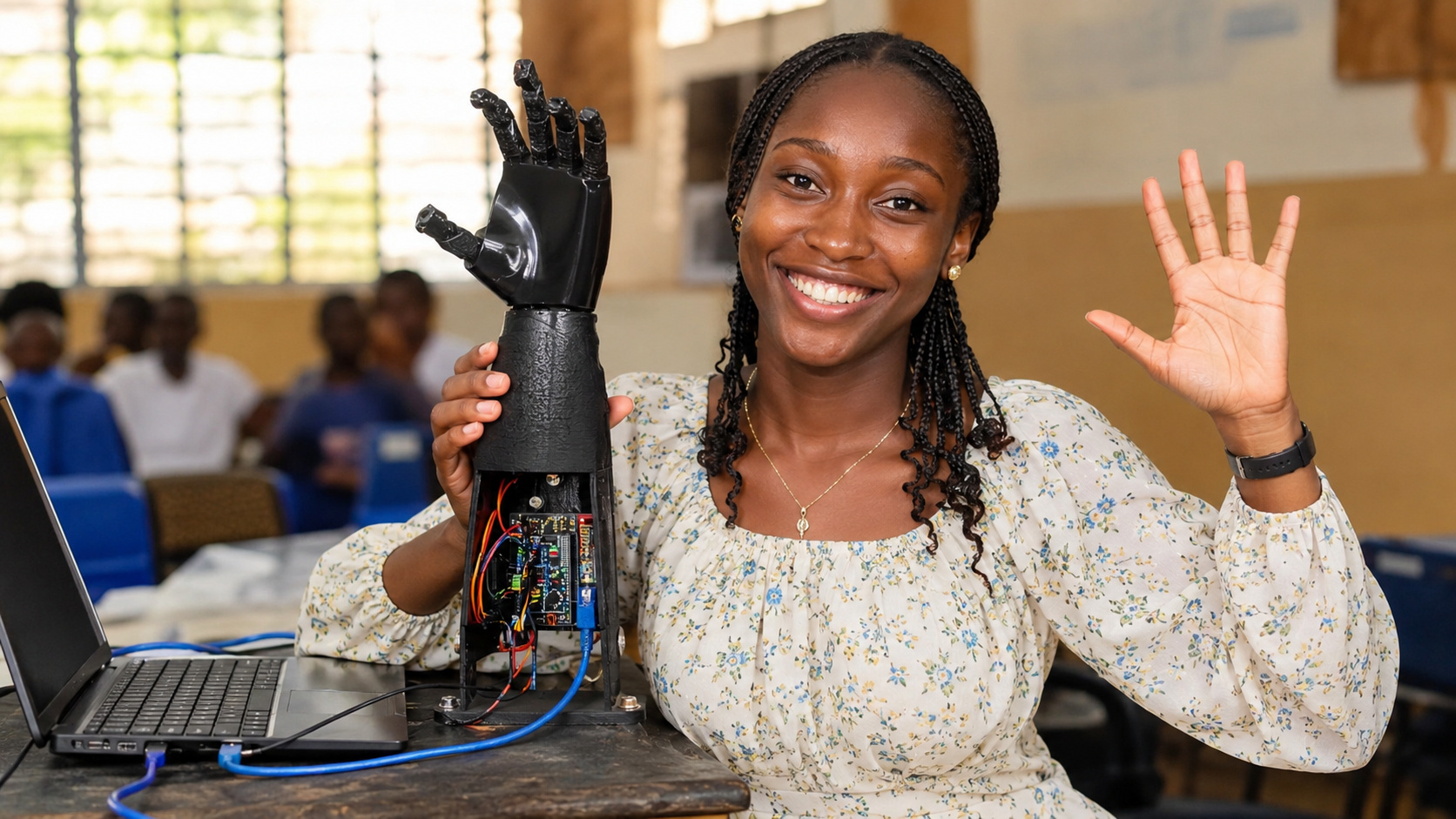
A young Kenyan engineer collects plastic waste from the streets and transforms it into robots that translate physics lessons into sign language in real-time, a machine made with old bottles that teaches what was missing to deaf children left out of science.

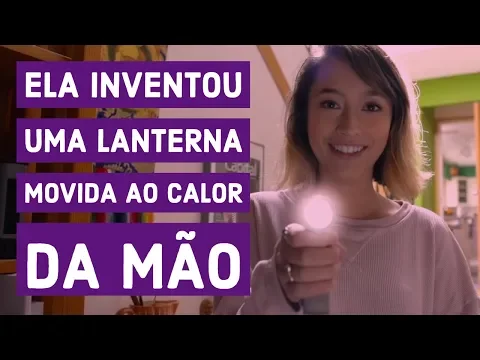

The structure of the flashlight is what makes this possible. Instead of a solid body, she designed a hollow aluminum tube, which maximizes the internal side’s contact with the heat of the hand and exposes the external side to the ambient temperature. Between these two surfaces, she installed thermoelectric modules (TEGs) capable of converting the thermal gradient into electricity.
The result is a flashlight that starts emitting light after a few seconds of contact with the hand, gradually increasing in intensity as the heat flow stabilizes. There is no energy storage.
The light exists only while there is a temperature difference, completely eliminating the need for batteries, outlets, or chargers.
Why the Hollow Flashlight is a Technological Breakthrough

What makes this invention truly disruptive is not just the fact that it works without batteries, but rather the energy model it proposes. Modern portable technologies are completely dependent on:
- lithium batteries;
- global mining supply chains;
- electric recharging systems;
- disposal of chemical waste.
Ann’s flashlight breaks with all this logic. It is based on three fundamental premises:
- energy always available in the human body;
- zero consumption of external inputs during use;
- absolute absence of chemical waste at the end of its life cycle.
In regions of the world where electricity is unstable, nonexistent, or expensive, this is not just a scientific curiosity. It is a concrete survival solution.
Global Recognition and the Google Award
By winning the Google Science Fair 2013, Ann Makosinski surpassed thousands of competitors from dozens of countries. The victory awarded her:
- US$ 25,000 in prizes;
- direct mentorship from Google engineers and scientists;
- visits to cutting-edge laboratories;
- invitations to speak at universities and scientific forums.
Shortly after, she also began to be recognized at events related to Intel, the international Maker Faire, and energy innovation fairs. Her invention ceased to be just a school project and began to be treated as a proof of concept for a new class of personal energy devices.
Thermoelectric Energy: From Power Plants to the Pocket
Before the Hollow Flashlight, thermoelectric generation was used almost exclusively in:
- space probes powered by radioisotopes;
- heat recovery from industrial engines;
- experimental power plants.
What Ann did was miniaturize this concept for everyday use. From there, an entire frontier of research opened up aimed at:
- battery-free emergency flashlights;
- self-sufficient environmental sensors;
- medical devices powered by body heat;
- survival equipment for disaster zones.
The flashlight that starts to emit light just from hand contact transformed what was a laboratory concept into something tangible, educational, and immediately understandable by the public.
The Social Impact Behind the Invention
The most powerful aspect of the Hollow Flashlight is not technical but social. In various regions of Africa, Asia, and Latin America, millions of people still depend on:
- candles;
- kerosene;
- expensive battery-powered lanterns;
- dangerous improvisations.
These sources generate fires, poisonings, household accidents, and risks for children. The proposal of a flashlight that never runs out, never needs to be plugged in, and never requires batteries has a direct potential impact on:
- night education;
- household safety;
- disaster response;
- humanitarian camps;
- isolated communities.
It transforms light into something as accessible as the human body itself.
The Cost and Industrial Viability
In the early prototypes, the thermoelectric modules still had high costs, making immediate mass production unfeasible. However, experts pointed out that as the prices of these components fell in the following years, the idea would become perfectly scalable.
The structural advantage is clear:
- no battery compartment;
- no battery;
- no recharging circuitry;
- minimal component wear.
This dramatically reduces maintenance costs over the product’s lifetime.
From Student to Global Reference in Clean Innovation
After the global impact of the Hollow Flashlight, Ann Makosinski pursued a career in engineering and industrial design. She was invited to global forums on sustainability, clean innovation, and alternative energy. Her case became a reference in discussions about:
- youth creativity applied to science;
- decentralized energy solutions;
- technology with real social impact;
- low-cost innovation based on solid scientific foundations.
What caught the scientific community’s attention was not only the inventor’s age but the fact that she had identified an extremely simple solution for an extremely complex global energy problem.
Why This Flashlight is Still Cited as One of the Greatest Youth Inventions of the Century
More than ten years after its presentation, the Hollow Flashlight continues to be cited in:
- applied physics classes;
- energy engineering courses;
- social innovation programs;
- debates on battery-free technologies.
This happens because it brings together, in the same object:
- classical science;
- modern engineering;
- humanitarian impact;
- environmental sustainability;
- direct applicability.
Few youth inventions have managed to meet all five criteria at the same time.
The flashlight created by Ann Makosinski at the age of 15 is not just a curious experiment. It represents a new way of thinking about portable energy, where electricity no longer depends on grids, outlets, and batteries, existing directly in the contact between the human body and the environment.
In an increasingly electric-dependent world, the idea of generating light from the simple heat of the hand remains one of the clearest examples of how the combination of basic science and creativity can produce truly revolutionary solutions, even when coming from a high school student in a garage room in Canada.




Simplesmente fantástico. Pensar “fora da caixa” e realmente acreditar que algo é possível nos torna capazes de feitos espetaculares!!! Creio que a pouca idade da responsável pela invenção diminuiu o peso da imensa pressão contrária que uma idéia disruptiva simples gera quando as mentes convencionais a questionam. Que bom que ela acreditou!!!!
Perfeita sua observação, parabéns! 👏👏👏