





 Portuguese
  English
  Spanish
 3 min of reading
  4 comments


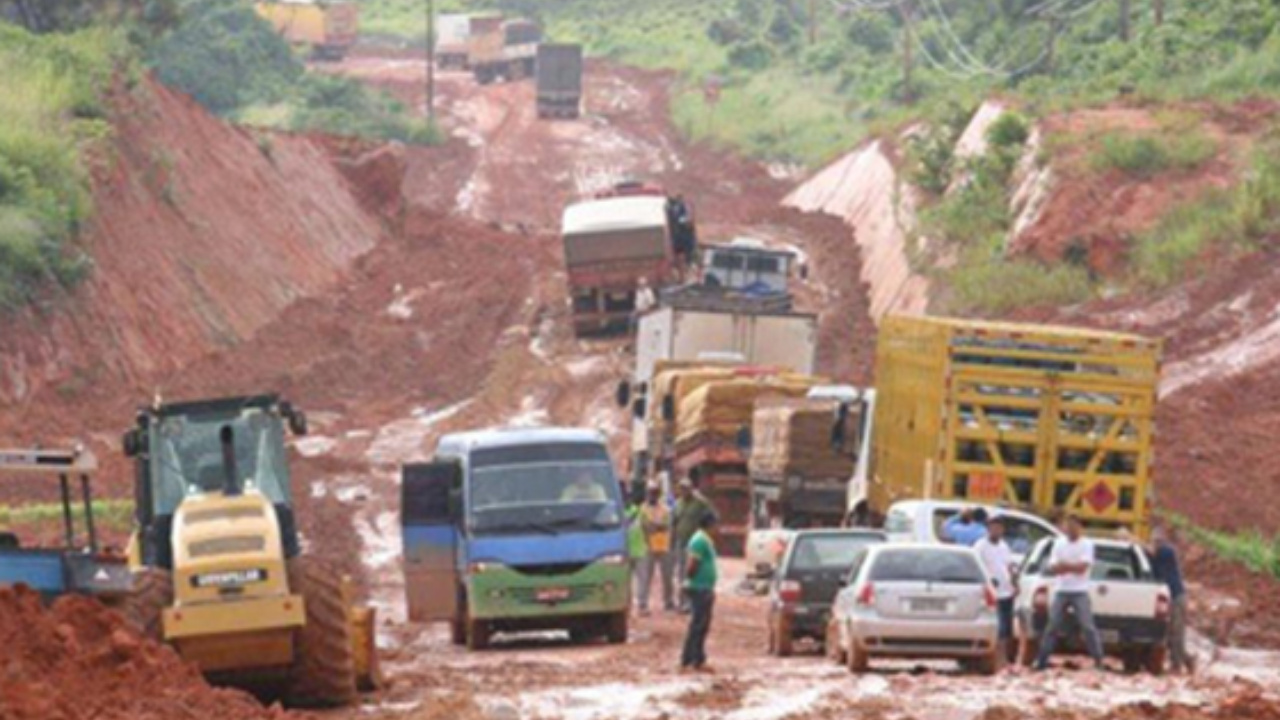


Understand Why the Transamazon Highway, BR-230, Still Has Long Stretches Without Asphalt, What the Challenges of Amazon Soil Are, and How the Work Started During the Military Regime Continues to Generate Debates to This Day.
The Transamazon Highway has come back into the spotlight after a live-streamed expedition revealed the real conditions of part of the route. The journey was led by Ricardo Freitas, known as Ricardinho ACF, aboard a truck prepared for extreme terrain.
The images drew attention on social media. Despite the use of 4×4 vehicles and even a UTV, the daily life of the highway consists of loaded trucks, interstate buses, passenger cars, and motorcycles. The lack of asphalt in certain spots turns any trip into a challenge.
Thus, many Brazilians started to question: why is a highway over 4,000 kilometers long still not fully paved?
-
A junkyard has turned into an open-air airplane museum, made from retired fuselages and even doing business with Embraer, where you can enter the aircraft, pretend to start the engines, and take an entire plane home for around 100,000 reais.

-
Using high-resolution satellite images, archaeologists rediscovered the Egyptian city of Imet, buried for centuries in the Nile Delta, revealing rare multi-story houses, granaries, and a sacred road linked to the cobra goddess Wadjet, from about 2,400 years ago.
-
China launches a destination-less cruise with a giant domestically-made ship, departing from Shanghai for 3 days without stops, turning the ship itself into an attraction, offering a new way to travel without rushing between ports along the Chinese coast.

-
Dissatisfied with families sleeping on the streets of São Paulo, the city hall created villages with modular houses of 18 m², bathroom, sink, beds, refrigerator, stove, laundry, garden, and even parking for carts to help people rebuild their lives away from the crowded shelters.



Why Does the Transamazon Highway Have No Asphalt in Several Stretches?
BR-230 starts in Cabedelo, Paraíba, and goes to Lábrea, Amazonas. In the Northeast, a large part of the highway is paved. However, as it progresses through Pará and enters the Amazon rainforest, the scenery changes.
The main obstacle lies in the soil. The region has unstable terrain and extensive areas prone to flooding. During the rainy season, from December to May, the ground turns into thick clay. Trucks get stuck. Buses run late. Residents face temporary isolation.
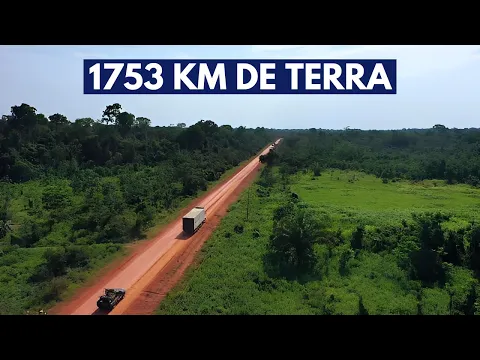

Outside of the rainy season, traffic improves. However, even then, the conditions demand extra attention. The same situation occurs on BR-319, which also faces discussions about the feasibility of paving.
In 2020, then Minister of Infrastructure, Tarcísio Gomes, announced plans for paving sections of these highways. However, to this day, the work has not been completed and continues to generate technical and environmental debates.
A Work Marked by Controversies Since Its Origin
The Transamazon Highway was born during the military regime, as part of the National Integration Program. President Emílio Garrastazu Médici argued that the road would stimulate the development of the North Region and help address social problems in the Northeast.
However, the project was never consensus. Within the government itself, there were warnings about environmental risks and lack of planning.

Even so, the work progressed rapidly. Military personnel were directly involved in the construction, even without specific experience in building large highways in the forest.
The impact was profound. There was deforestation for road opening and the installation of agricultural projects. Local communities were displaced. Native species were affected.
Decades later, critics assert that, besides not fully delivering on the promise of progress, the highway facilitated the advance of illegal mining and deforestation.






Precisa Bolsonaro voltar pra asfaltar pouca vergonha as pessoas envolvidas nao interessa asfaltar senão como vão roubar nosso dinheiro pois é nós brasileiros que pagamos os impostos tenham ****
A rodovia 319 já foi toda asfaltada no passado. Foram os empresários que fazem o transporte fluvial entre Manaus e Porto Velho que, com uso de máquinas, retiraram todo o asfalto, para acabar com a concorrência do transporte rodoviário.
isso é fake
Não tem vergonha em mentir, Pinóquio?