Portuguese
  Spanish


White House Spokesperson Accuses Regime of Being a Narcoterrorist Cartel, as US Warships Approach the Caribbean and Chavismo Announces Military Response with Armed Civil Forces
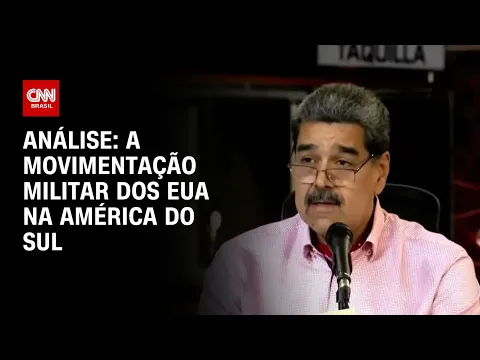
The United States government stated on Tuesday (August 19, 2025) that it will use “all elements of American power” against the regime of Nicolás Maduro, which has been classified by the White House as a narcoterrorist cartel. The statement came amid the movement of US warships toward the coast of Venezuela and Caracas’s response with the mobilization of 4.5 million armed militiamen.
American Military Presence in the Caribbean
According to a report by the Reuters agency, published on Monday (18), three US warships have been deployed to the southern Caribbean with the aim of containing criminal organizations involved in drug trafficking.
-
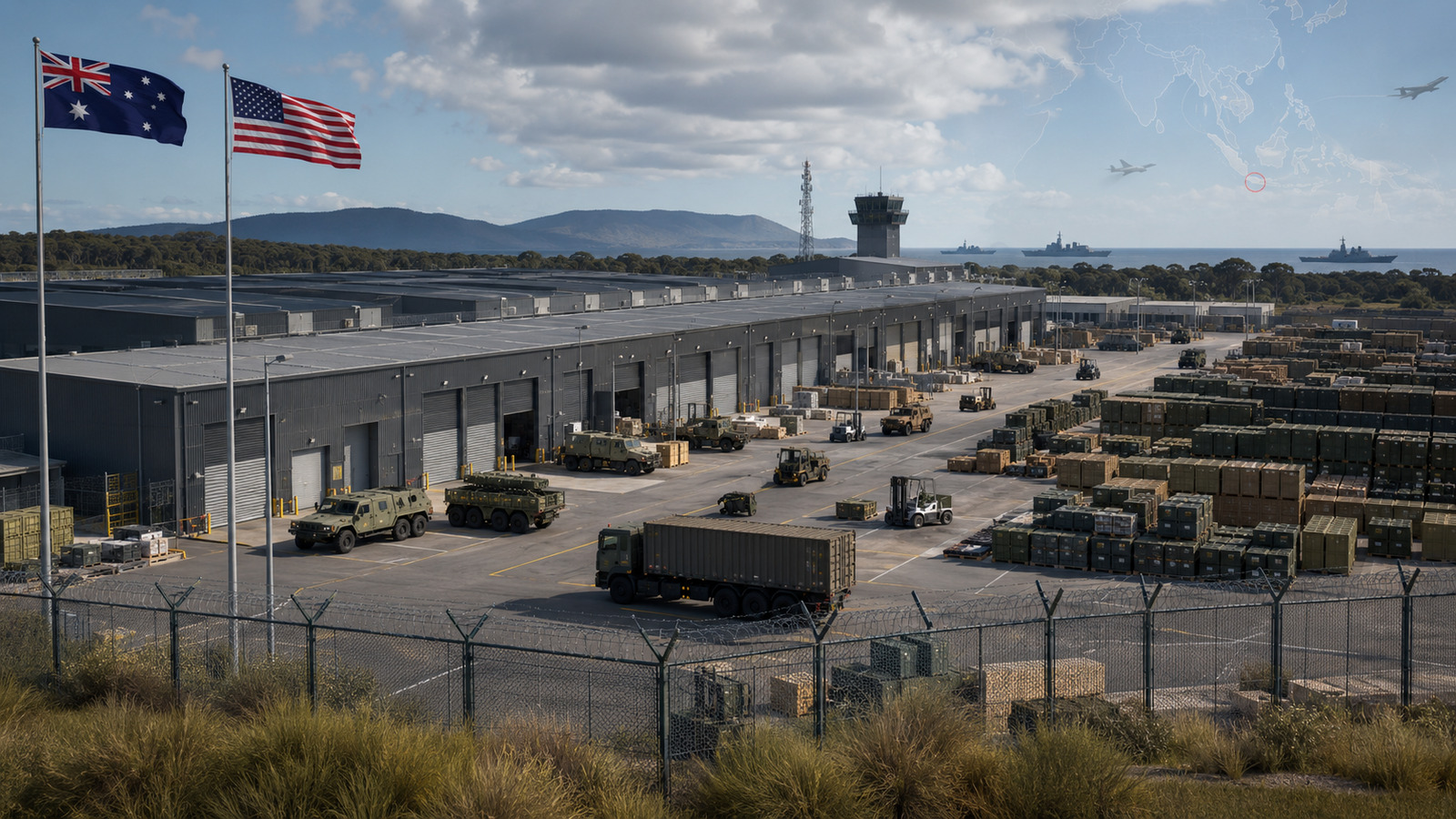
European Parliament Approves Digital Euro, Aiming to Challenge Visa and Mastercard’s Dominance and Transform Payments Across Europe by 2029

-
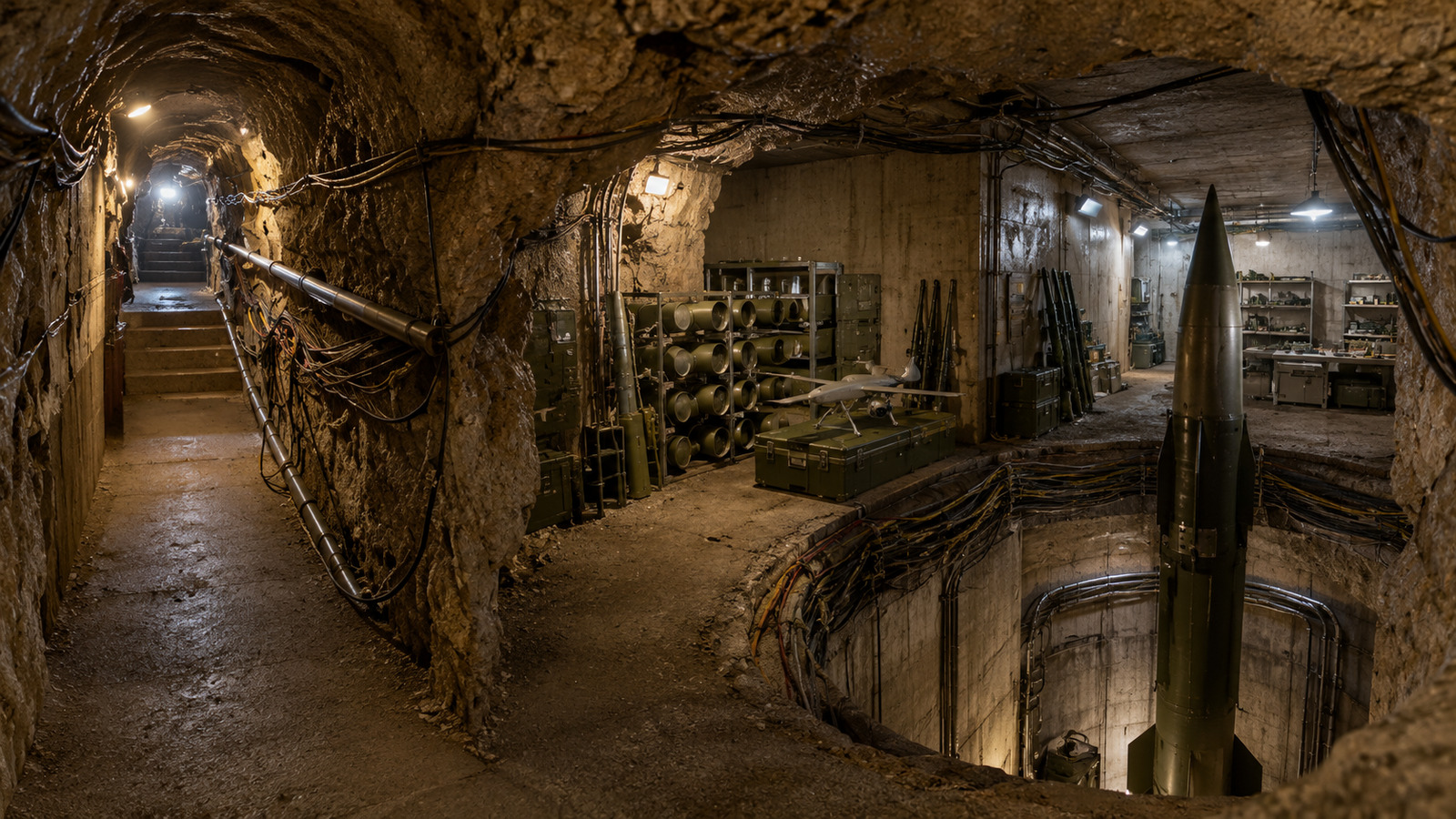
Israel finds Hezbollah militarized tunnel over 200 meters long under village, with 4 missile launch shafts, 12 chambers, anti-tank missiles, drones, and weapons depots at a depth of 25 meters.

-
Ukraine launches largest drone attack on Moscow since 2022, Russia claims to have intercepted nearly 200 aircraft near the capital, Kapotnya refinery targeted again, and offensive reignites alert about war reaching the Russian energy heart just a few kilometers from the Kremlin.

-
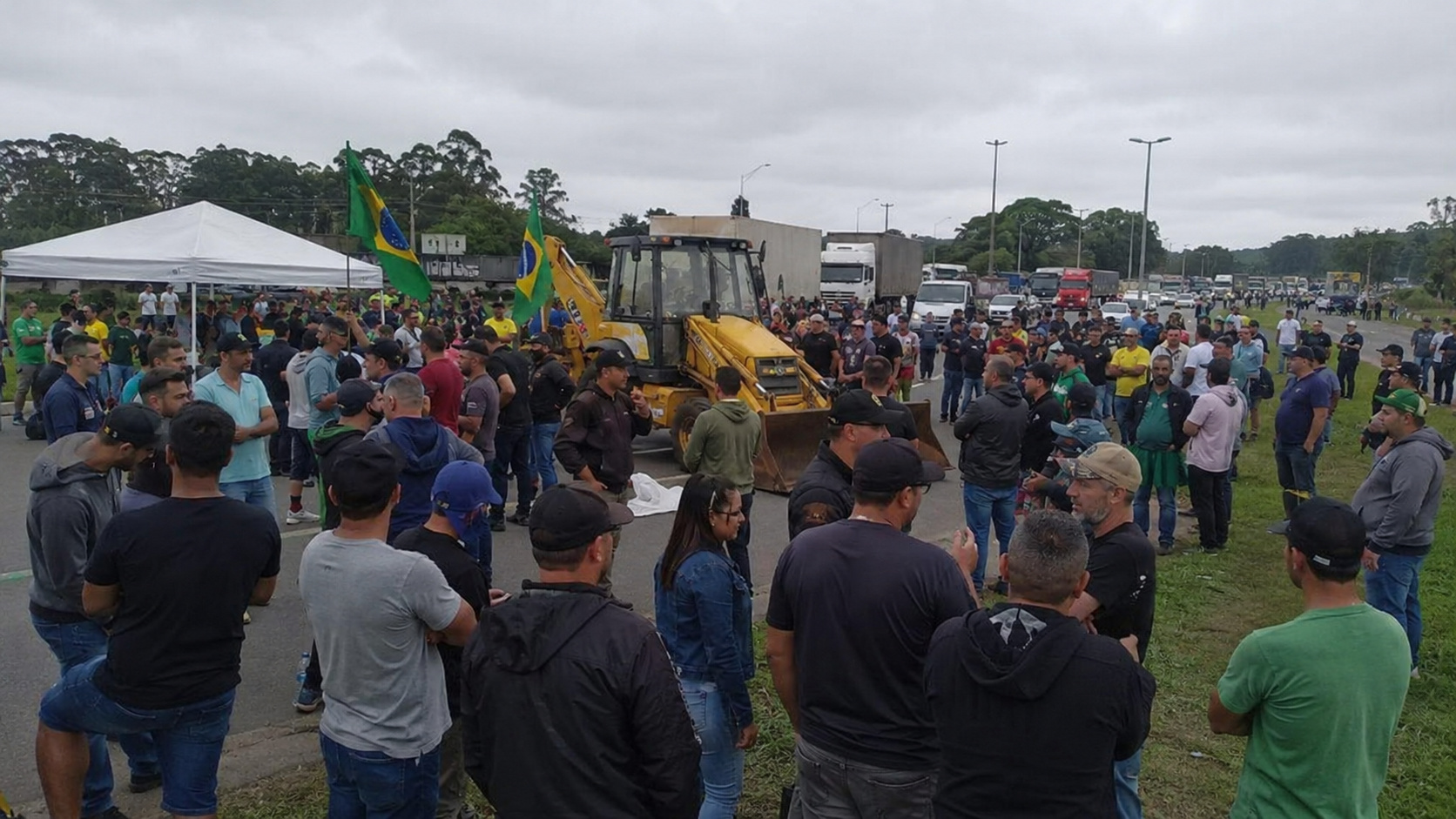
Truck drivers, freight, and fines from 2022 take center stage in politics: Chamber approves MP with amnesty, mandatory tracking by CIOT, million-dollar penalties, and new minimum wage for those who spend more than 24 hours on the road.


The identified vessels are the USS Gravely, USS Jason Dunham, and USS Sampson, which are expected to arrive in the region within 36 hours, according to the cited sources.
The operation is also expected to involve about 4,000 sailors and marines, P-8 surveillance planes, and at least one attack submarine, creating a significant military presence that could extend for months.
White House Statement
When questioned about the movement in the Caribbean, spokesperson Karoline Leavitt did not confirm details but reinforced President Donald Trump’s position.
“Maduro’s regime is not the legitimate government of Venezuela; it is a narcoterrorist cartel. Maduro, in this government’s view, is not a legitimate president; he is a fugitive leader of this cartel, indicted in the United States for drug trafficking”, said Leavitt during a press conference at the White House.
This statement reinforces the line adopted by Washington since the beginning of August, when the US raised the reward for information leading to Maduro’s capture to US$ 50 million, accused of being “one of the world’s largest drug traffickers.”
Maduro’s Response
In Caracas, Nicolás Maduro reacted by calling the US threats “bizarre” and announced the mobilization of 4.5 million militiamen nationwide.
These militias were created in 2008 by Hugo Chávez, Maduro’s political mentor, as a civil defense arm to support the Armed Forces.
According to Interior Minister Diosdado Cabello, “we are mobilized throughout the Caribbean, in our sea, in our sovereign territory,” stating that the country is ready to respond to any aggression.
History of Tensions and Approaches
Donald Trump is a longtime critic of the Chavista regime and has again accused Maduro of being reelected in January in an election marked by allegations of fraud and persecution of opponents.
Despite the tough rhetoric, analysts point to recent episodes of pragmatic rapprochement, such as the prisoner exchange conducted in July between Washington and Caracas.
As highlighted by CBS, a partner of the BBC in the US, current movements indicate a new escalation of diplomatic and military tension in the region.
Leader Classifications and International Crime
To understand the American discourse, it is necessary to differentiate the terms used to classify figures involved in networks of violence and transnational crime.
- Osama bin Laden, leader of Al-Qaeda, is considered a terrorist, as his actions were linked to ideological and religious attacks against civilian and military targets, such as the September 11, 2001 attacks.
- Pablo Escobar, head of the Medellín cartel, is defined as a trafficker, for leading a criminal structure focused on international drug trade, amassing power and wealth through cocaine.
- In contrast, Nicolás Maduro is treated by the US as a narcoterrorist, a term that merges the two definitions, linking drug trafficking to political strategies of repression and armed intimidation, placing him in a hybrid category between organized crime and terrorism.
The information has been disclosed by outlets such as Reuters, BBC and CBS News, in addition to official statements from the White House and declarations broadcast on Venezuelan state television.
This set of data shows how both countries intensify their narratives in the face of a crisis that unites issues of security, political legitimacy, and combat against drug trafficking.