






 Portuguese
  Spanish


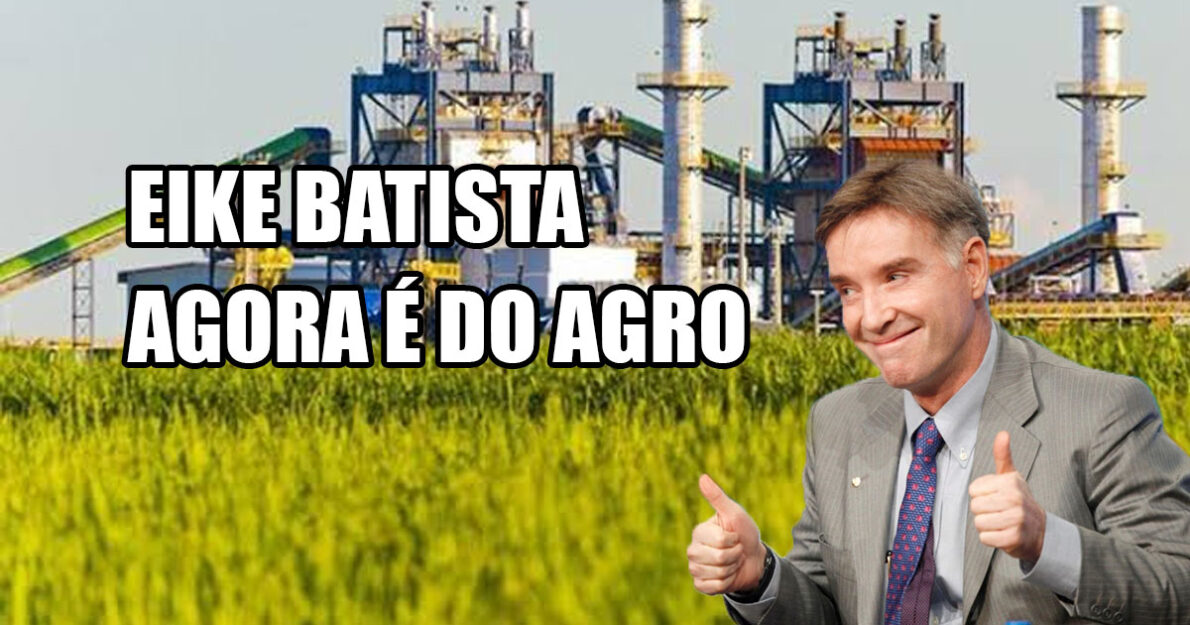


Behind Every Great Fall, There Is a Chance for a New Beginning. And Nobody Embodies This Reality Better Than Eike Batista, the Magnate Who Was Once One of the Richest Men in the World and Saw His Empire Disintegrate.
Now, after almost sinking in the oil market and facing serious legal troubles, Eike Batista emerges with a new and ambitious bets: to transform Brazilian agribusiness with a super sugarcane capable of revolutionizing ethanol production and even replacing plastic.
The Resurgence in Agribusiness
Eike Batista, who once ranked among the world’s greatest fortunes, with a net worth estimated in billions of dollars, saw his career plunge into chaos with the collapse of his oil company OGX and a series of subsequent failures in other businesses.
In 2013, OGX abandoned operations in the Campos Basin, marking the beginning of a decline that resulted in the near-total loss of his fortune.
-
How to Prevent Brown Recluse Spider Bites: Common Hiding Spots and Free Tips to Reduce Risks

-
Natto: The Unusual Japanese Superfood Gaining Popularity on Social Media and Driving Record Exports
-
Brazilian Mayor Goes Undercover as Homeless for 24 Hours to Assess Public Services

-
15-Year-Old Entrepreneur Malu Lira Publishes 20 Children’s Books on Financial Education, Earns $500,000, and Expands Her Project to the Amazon Rainforest




In 2022, the Federal Revenue estimated that his wealth had shrunk to around R$ 8.2 million. Even after the financial collapse and arrests linked to Operation Car Wash, Eike did not give up.
Now, he resurfaces on the national scene, but in a different sector: agribusiness. During an interview with the Market Makers podcast, Batista revealed that he is investing in a new variety of sugarcane that can triple ethanol production per hectare.
According to the entrepreneur, this “super cane” can also produce up to 12 times more biomass, which promises to revolutionize the renewable energy market in Brazil.
The Promise of an Agricultural Revolution
Brazil has been the world’s largest producer of sugarcane for years, with an area cultivated exceeding 9.75 million hectares.
Annual production exceeds 578 million tons, placing the country at the forefront of global ethanol production technology. However, Batista believes there is still much to be done and that his innovation could be a game-changer.
According to Eike, it took 11 years of research and studies to reach this new variety of cane.
“These crazy scientists of mine bought all the germplasm of sugarcane available in Brazil, including samples from other parts of the world, such as the United States, France, and Barbados,” said Batista.
Germplasm is a genetic bank that allows for the preservation and improvement of specific characteristics of a species, crucial for developing new varieties.
A New Business Model
Eike Batista is optimistic about the acceptance of the new sugarcane by Brazilian producers. According to him, the high productivity of the plant will make it irresistible to mill owners, who will have the opportunity to replace their current plantations with this more efficient variety.
The business model proposed by Batista involves profit sharing with the producers, something he believes will be beneficial for all parties involved.
“Every mill owner will want to plant our super cane because it is three times more efficient,” emphasizes Eike. The idea is for Batista’s company to share the gains obtained from the increase in productivity, which should encourage the rapid adoption of this new technology.
Substituting Plastic with Sugarcane Bagasse
In addition to focusing on ethanol production, Eike Batista sees another great potential in the super cane: substituting plastic with bagasse from the plant.
According to him, the bagasse that is currently burned for energy can be transformed into biodegradable packaging, straws, and other products that are now made of plastic.
During the interview, Batista explained that burning the bagasse at US$ 20 a ton is a waste of economic and environmental potential.
“Sugarcane bagasse will serve to replace plastic in the world. Do you know how much a ton transformed into packaging, straws, or fast-food delivery items is worth? From one thousand to four thousand dollars,” emphasized Batista.
For him, Brazil must seize this opportunity to lead a new green industrial revolution based on sugarcane biomass.
A Risky Yet Promising Bet
Even with all the promises, Eike Batista’s project is still a gamble. The entrepreneur’s history is marked by great successes followed by abrupt falls.
However, his new venture in agribusiness brings an innovative perspective to a sector where Brazil already has a prominent position.
The future will tell whether Eike Batista’s “super cane” will be the next major success of Brazilian agribusiness or just another chapter in his tumultuous business history.
However, the entrepreneur himself seems confident in his new project, believing he can once again transform the market, as he did in his best days.
Will Eike Batista’s new bet in agribusiness truly transform Brazil into a global powerhouse in the production of biofuels and biodegradable materials, or are we witnessing yet another chapter of ups and downs in the entrepreneur’s life?







O Futuro é do açucar premium, a agenda da biomassa serve para energia.
Etanol esta com estoques lotados.
Tem se fazer uma analise de mercado e os contratos futuros.
Cara de ****, faliu muita gente, com coisa q nunca existiu, agora vem dar uma de bom moço. preparando o terreno para novo golpe.
****!!!