






 Portuguese
  Spanish
  4 min of reading
  0 comments


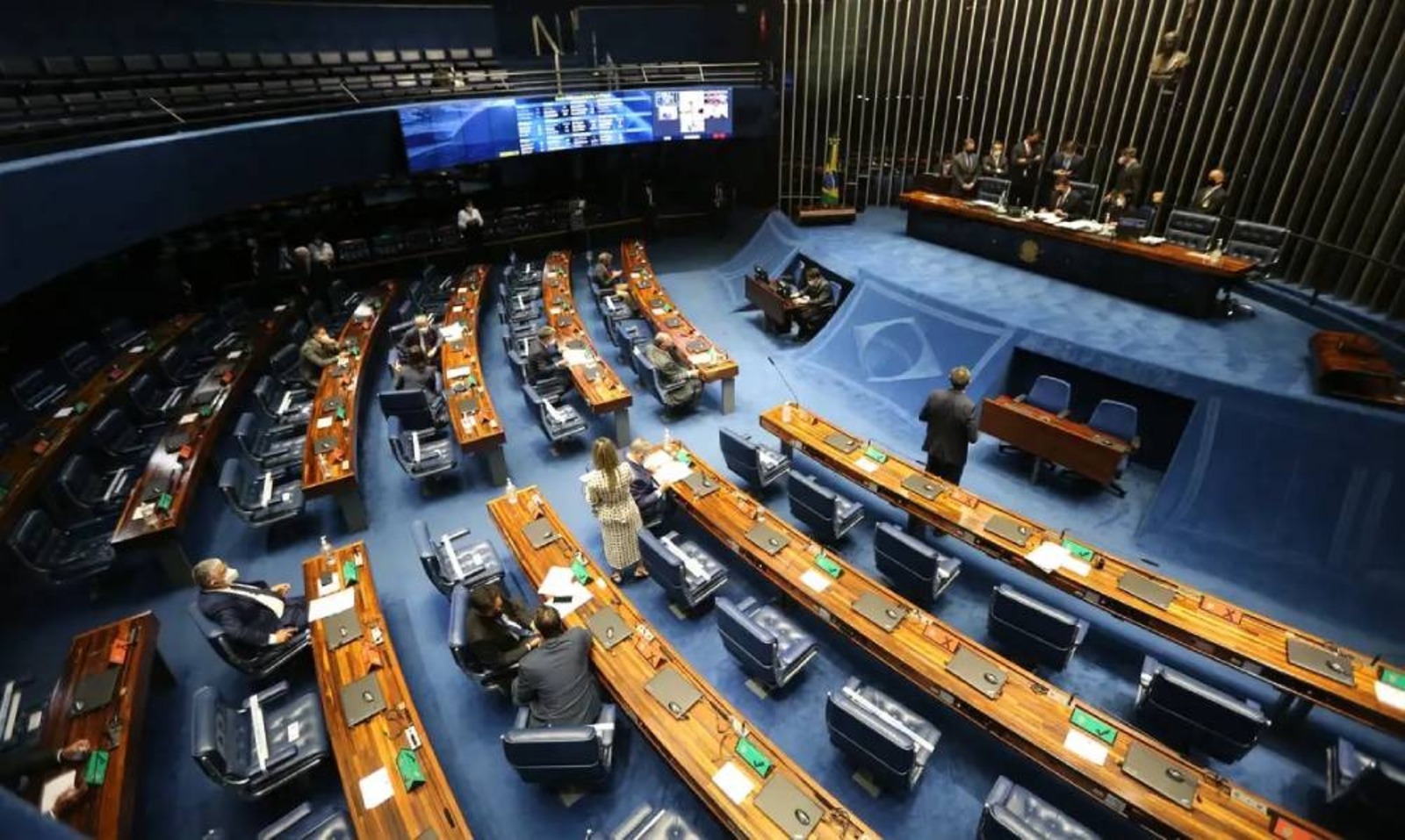
Project Advances With Unanimous Support, Creates Special Rules For The Category, Increases Social Security Spending And Might Face Presidential Veto Due To Fiscal Impact
The Senate approved on Tuesday (25), unanimously, a project that redefines retirement rules for community health agents and epidemiological combat agents. The proposal received 57 favorable votes, as even government allies decided to support the text, which has significant political impact.
The content now goes for analysis by the Chamber. If approved without adjustments, it will be forwarded to President Luiz Inácio Lula da Silva for sanction or veto.
There is a possibility of veto, according to government officials, since the text could create a billion-dollar effect on public accounts. Experts are still reviewing the calculations, so there is not yet a final number.
-
Brazilian Joins Homeownership Consortium, Faces Decade of Dual Payments Totaling $141,000, Surpassing Traditional Mortgage

-
Land Rover to Halt Production in July, Putting 371 Jobs at Risk, as Chinese Automaker Negotiates to Convert Factory to 100,000 Vehicles Annually by 2027

-
Mexican Pest Threatens U.S. Cattle Herds at Historic Lows, Potentially Boosting Brazilian Beef Exports as Burger Prices Soar

-
Brazilian Freight Bill Progresses in Congress with $5,000 Minimum Wage, 70% Advance Payment, and Fines Up to $1 Million, as Agriculture and Industry Warn of Rising Costs and Legal Uncertainty


Nevertheless, preliminary estimates from the Ministry of Social Security indicate an impact of approximately R$ 100 billion over ten years for the Union, states, and municipalities, according to data from O Globo.
The greatest impact is expected to occur in municipalities with their own social security systems. That’s why the proposal began to be referred to as a bomb agenda.
Additionally, experts consulted by O GLOBO state that the project complicates fiscal balance in a scenario where the country is already facing financial challenges.
Benefits Provided In The Text
The project guarantees retirement with integrity, meaning full salary, and parity, which ensures equal adjustments to active servers.
To receive these benefits, agents need to meet minimum age and time of service requirements. Men will be able to retire at 52 years old, while women will have access to the benefit at 50, provided they have at least 20 years of actual work.
There is also an alternative: retirement after 15 years of service in the role and an additional ten in another activity.
The proposal includes survivor pensions under the same parameters and covers agents who needed to be reassigned for health reasons.
Social Security Impact Concerns Experts
Experts say that creating a special regime for these agents poses significant fiscal risks. They emphasize the current context, as the government is already struggling to meet targets, especially the one for 2026, an election year.
The implementation of integrity and parity, advantages absent in the general social security regime, also sparks debate.
Economist Paulo Tafner asserts that the concern goes beyond immediate impact. For him, the measure would create a permanent expense for both the INSS and municipalities, as most agents are hired by city governments.
It is a warning that, according to the economist, highlights future risks. Tafner also criticizes the Executive’s stance, claiming the government did not act to block the advancement of the proposal.
Financial Impact Projections
Estimates mentioned by Tafner point to an actuarial impact of R$ 270 billion in the own regime and an amount between R$ 98 billion and R$ 530 billion in the general regime. The projections still need to be confirmed, but they reinforce the weight of the change.
Another economist, Felipe Salto, projects a cumulative impact of R$ 26.4 billion by 2034. Of this total, R$ 19.2 billion would be generated by increased social security spending and R$ 7.1 billion by replacing servers.
He also raises doubts about the constitutionality of the text, as it creates exclusive rules for a specific category.
Full Retirement: Reaction In The Senate
During the vote, Senate President Davi Alcolumbre stated that he does not accept the label of bomb agenda. In his speech, he said that criticisms of the project are assaults.
He recalled initiatives approved by Congress, such as the gas voucher and the nest egg, to defend that the text represents recognition of the agents.
For Alcolumbre, the Senate is fulfilling its role, so the approval should be seen as a positive message to the country.
Technical Note From The Ministry Of Social Security
The Ministry of Social Security issued a technical note yesterday criticizing the project. The document states that the text would allow retirements more than ten years earlier than the average recorded among private sector workers.
Another point mentioned is that parliamentarians justify the proposal by saying it regulates a constitutional amendment from 2022, but the technical assessment is different.
The note explains that the 2022 amendment guaranteed the category labor benefits, such as additional for unhealthy conditions.
However, social security issues, such as retirement due to incapacity, survivor pensions, or compensation between regimes, must follow the general rules of the INSS.
The document also highlights that integrity and parity do not exist in the general social security regime. These mechanisms were present in public service but were terminated in 2003.
Additionally, the text of the project goes beyond special retirement and addresses topics that, according to the Ministry, should not be part of this regulation.
Municipalities Alert To Risks
The National Confederation of Municipalities released a statement stating that the project does not foresee financial compensation.
For the city governments, this means assuming the full cost of benefits exclusive to the category. The entity also reminds that in October, the Chamber approved a similar proposal.
The discussion now returns to the deputies. Therefore, the future of the measure will depend on new negotiations, while experts continue to evaluate potential impacts on the public budget.
With information from O Globo.





Be the first to react!