Portuguese
  Spanish


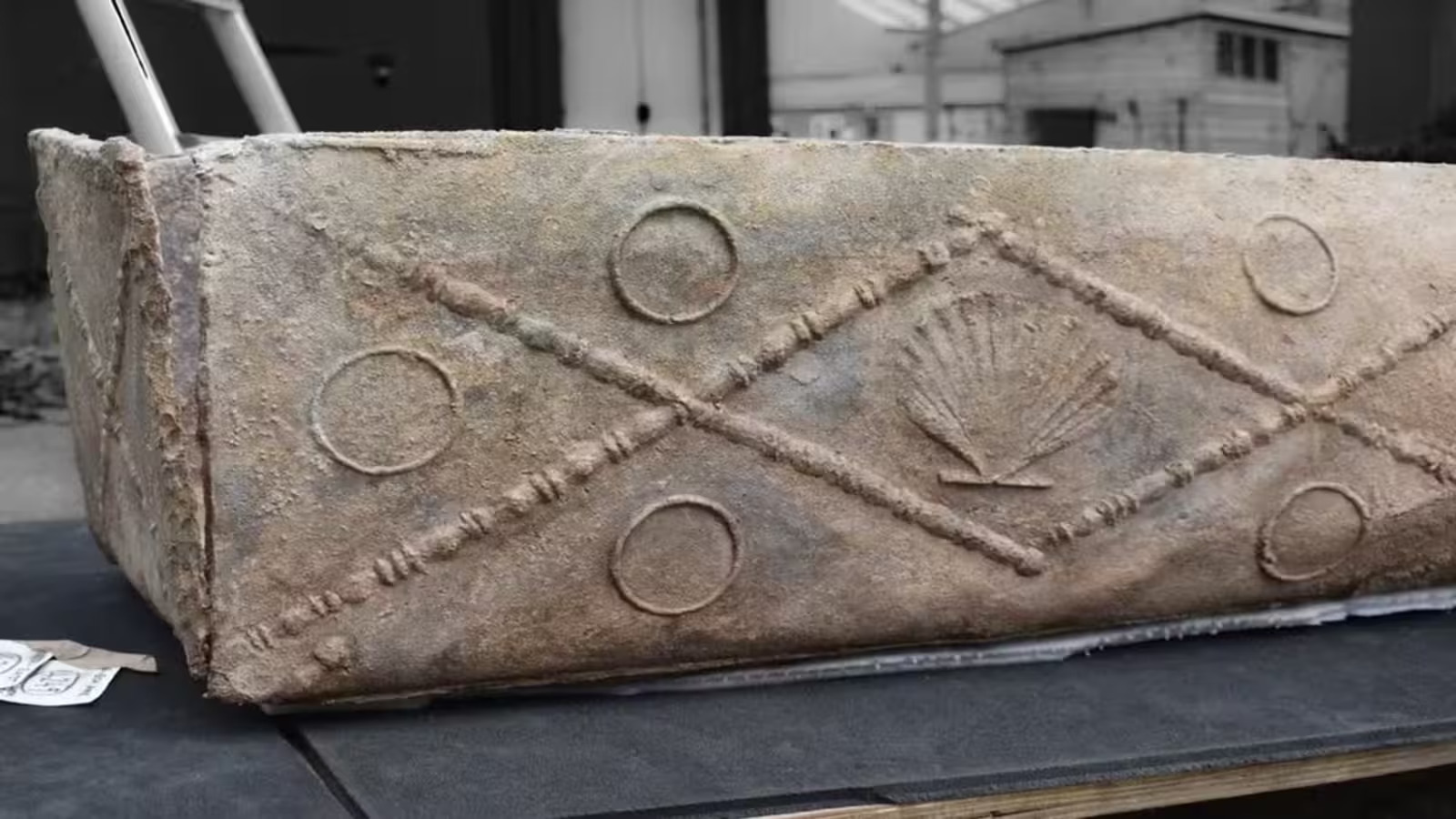


Found in Colchester during works at the former Essex County Hospital, the Lady of Lexden was buried in a decorated lead coffin, with funerary objects indicating high social status and ritual practices
A rare lead coffin, decorated with scallop shells and geometric patterns, revealed in Colchester, England, the burial of a young elite woman at the end of the Roman period. Found in 2023 during works at the former Essex County Hospital, the so-called Lady of Lexden may help archaeologists understand funerary rituals practiced in Roman Britain. The estimated date for the found coffin is between 1,600 to 1,800 years old.


Lady of Lexden was found in the area of the ancient Roman capital
The tomb was located in Colchester, an English city that served as the first capital of Roman Britain.
The discovery occurred during excavations conducted before the construction of housing on the site of the former Essex County Hospital.
-
AI-powered toys that talk, recognize faces, and collect data face scrutiny from Brazilian government over children’s privacy concerns

-
4,000-Year-Old Child’s Skull Unveils Ancient Burial in 7,500-Year-Old Norwegian Rock Shelter, Impressing Archaeologists

-
Norway Defeats Brazil in World Cup but Invests Billions to Preserve the Amazon, Strengthens Amazon Fund, and Joins Brazil in Leading Global Effort Against Tropical Deforestation

-
Denmark Constructs Its Largest Breakwater with 175 Concrete Blocks and World’s Largest Excavator to Combat 8-Meter Waves, at a Cost of $156 Million

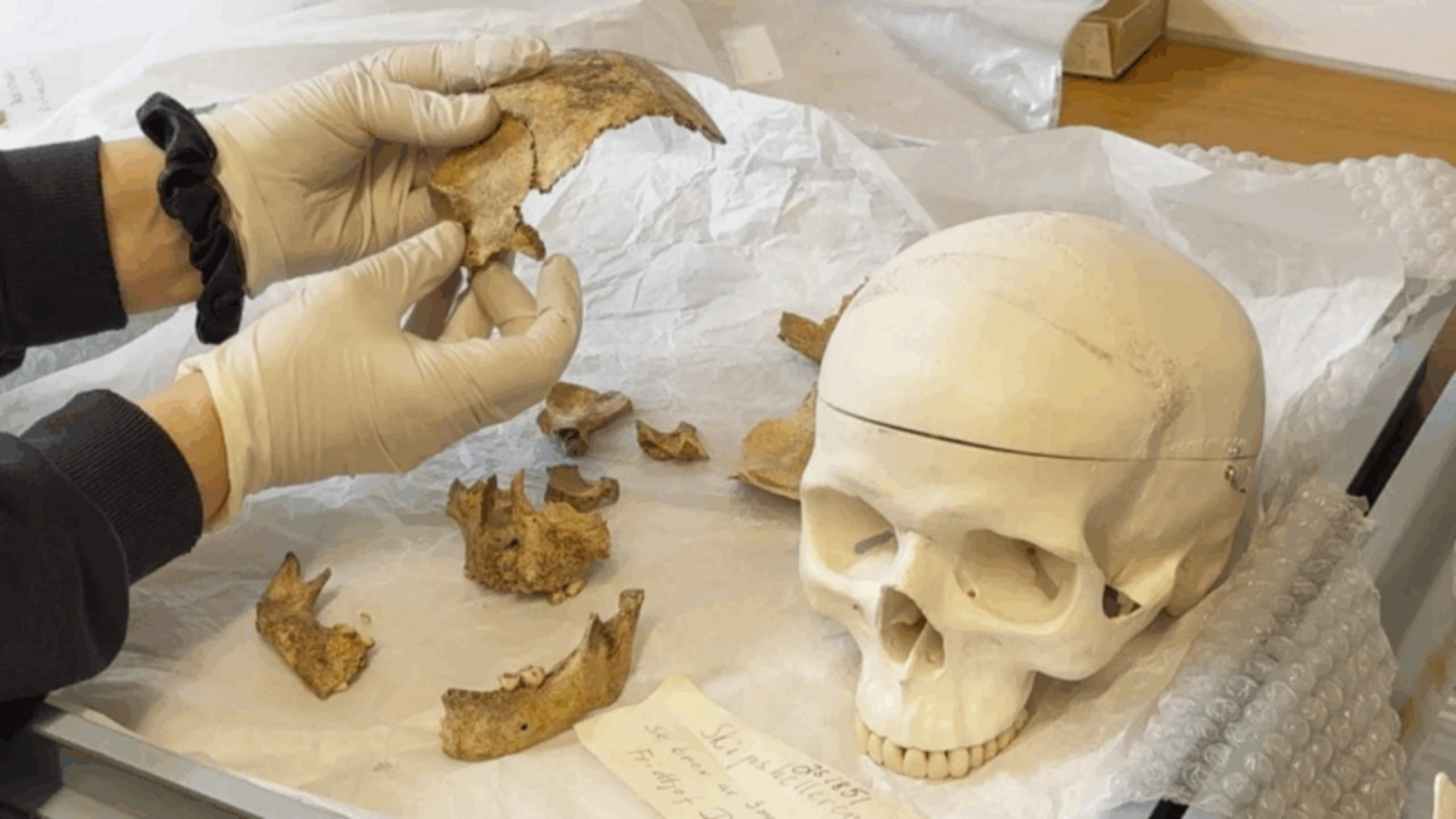


According to archaeologists, the woman was between 25 and 35 years old when she died. The burial is dated to a broad period, between the mid-3rd century and the mid-5th century, the final phase of Roman presence in the region.
The combination of the coffin, the funerary objects, and the remains found with the body indicates that she likely belonged to the high society of the time.
The find was nicknamed Lady of Lexden because of the area where it was identified.

Rare lead coffin had elaborate decoration
The lead coffin is one of the most important elements of the discovery. This type of burial was uncommon in the Roman period and generally reserved for people of high social standing, both pagans and Christians.
The exterior of the coffin was adorned with scallop shells, circles, and geometric patterns. The lines formed designs of beads and figures resembling double reels, organized in a diamond shape.
Archaeologists also believe that the lead coffin was originally inside a wooden coffin.
The hypothesis is supported by the stains observed in the soil and the large number of iron nails found at the site.
This set was possibly quite heavy, which would have made it difficult to place in the grave. For the researchers, the care in assembling the burial reinforces the social importance of the buried woman.
Funerary objects indicate care in body preparation
Along with the remains, hairpins made of jet, a type of stone formed by compacted and fossilized wood, were found. There were also glass bottles and traces of incense, plaster, and resin.
These materials suggest that the body may have been treated with valuable substances before burial. The funerary objects and the orientation of the coffin indicate that the woman probably followed pagan practices.
In a statement, Adam Wightman, director of archaeology at the Colchester Archaeological Trust, stated that the decorated coffin is already a beautiful object, but that the combination of coffin, funerary objects, and scientific evidence makes the burial impressive.
According to him, the set allows us to observe not only a person but also the care, ritual, and belief involved in the burial in Colchester at the end of the Roman period.
Plaster may preserve details of ancient rituals
The presence of plaster is another relevant point for archaeologists. In Roman Britain, the dead were sometimes covered with liquid plaster before burial. When it hardened, the material created a kind of mold of the body and clothes.
Smithsonian magazine highlights that this type of burial has been found in other regions but seems to have been especially common in Roman England. It is still not exactly known why plaster was used in these rituals.
Even so, the material can be very useful for archaeology. In 2023, researchers analyzed with 3D scanning a plaster mold of about 1,700 years with two adults and a child, probably a family.
Although the bodies had already decomposed, the scans revealed that the individuals had been wrapped in fabrics before burial. The case was reported by the site Live Science.
Archaeologists also found a fingerprint preserved in plaster in another Roman burial of about 1,700 years.
The mark suggests that the material could be applied as a soft paste, and not just poured in liquid form.
The coffin and remains of the Lady of Lexden will be displayed to the public in Colchester, according to the BBC.
The exhibition will allow visitors to learn what scientific analyses have revealed about the life and burial of the young woman.
This article was prepared based on information from Smithsonian, Live Science, BBC, and Colchester Archaeological Trust, with data, numbers, and statements preserved as per the consulted material.
With information from Revista Galileu.