Portuguese
  Spanish


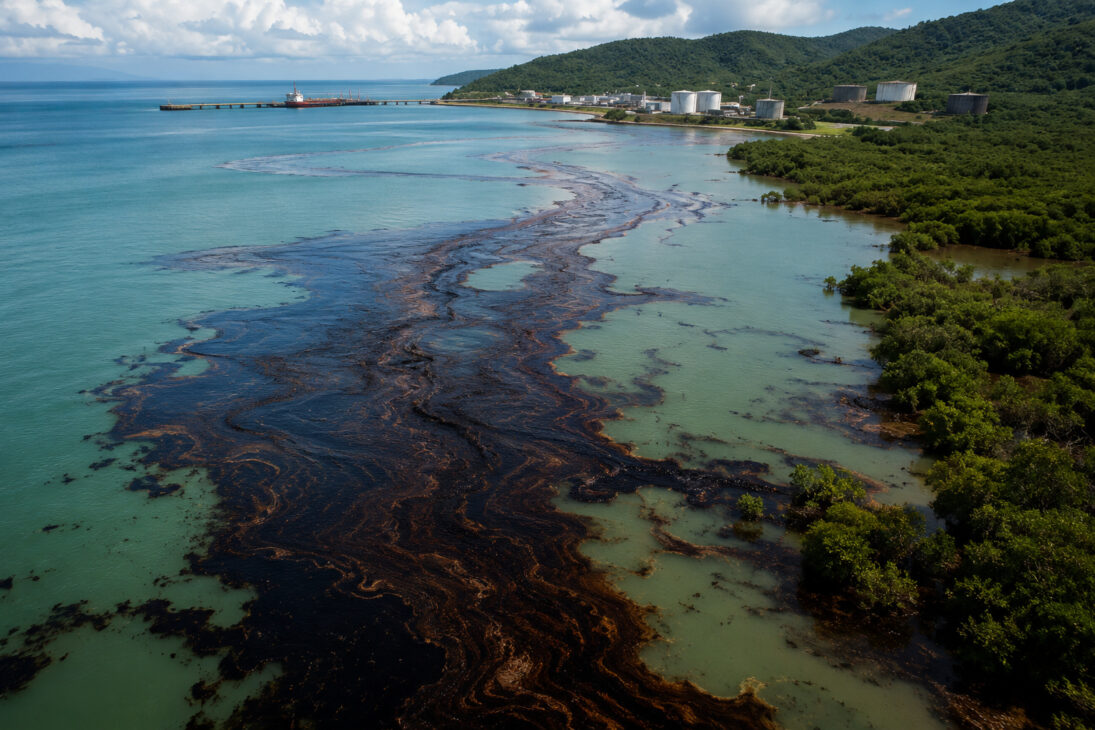
A new oil spill in the Caribbean has once again raised environmental and diplomatic concerns in the region. The Venezuelan government reported that an oil slick from Trinidad and Tobago is reaching maritime and coastal areas near the Gulf of Paria, affecting sensitive ecosystems and local fishing communities.
Furthermore, Venezuelan authorities claim that the new incident is even more significant than the spill recorded in May this year. Therefore, Caracas has once again demanded detailed explanations and concrete measures from the neighboring country to contain the environmental impacts.
New incident worries regional authorities
According to information released by the Venezuelan government, the oil is believed to originate from facilities located in Trinidad and Tobago and is spreading through areas shared between the two countries. As a result, environmental authorities have initiated new assessments to measure the damage caused to the coastline and marine ecosystems.
Additionally, Venezuela reported that technical teams are continuously monitoring the situation to identify the extent of the contamination and protect areas considered strategic for regional biodiversity.
-
OPEC+ Boosts Oil Supply by 188,000 Barrels per Day in July 2026, Leading to Price Drop from $112 to $89 per Barrel in Under Two Months

-
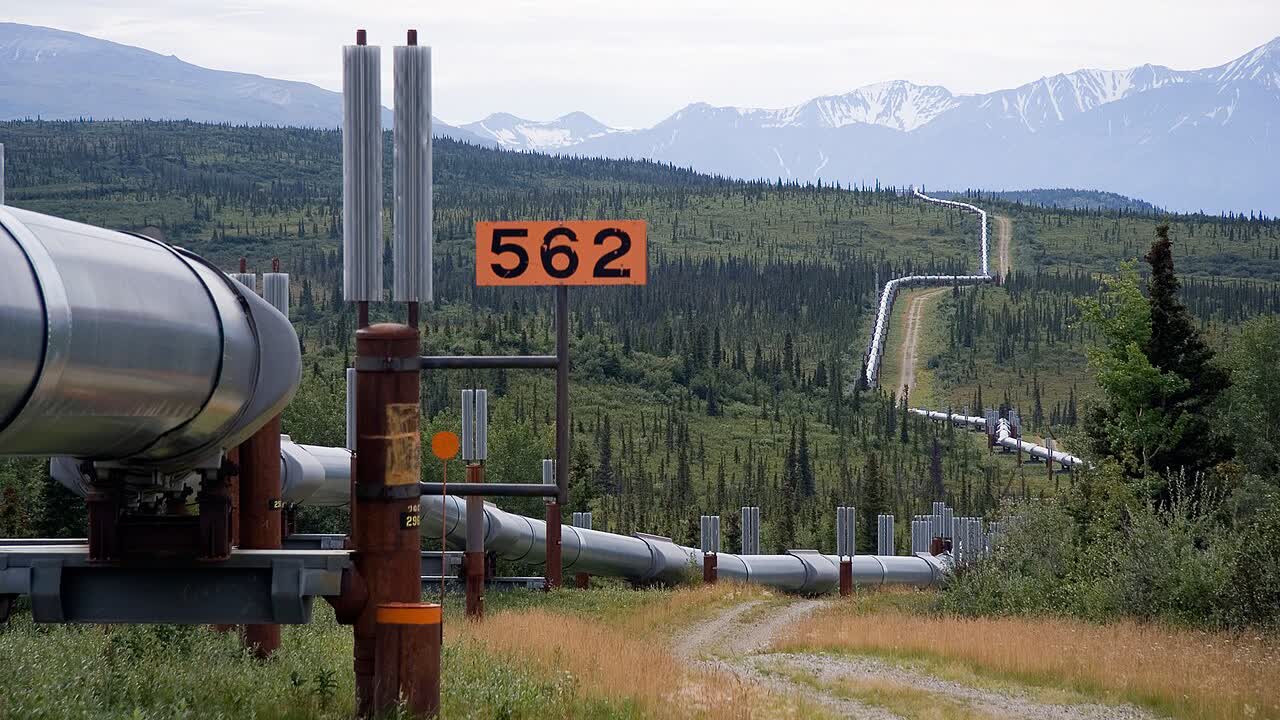
TotalEnergies Signs 20-Year Deal to Purchase 2 Million Tons of LNG from Alaska, Boosting Project Viability
-
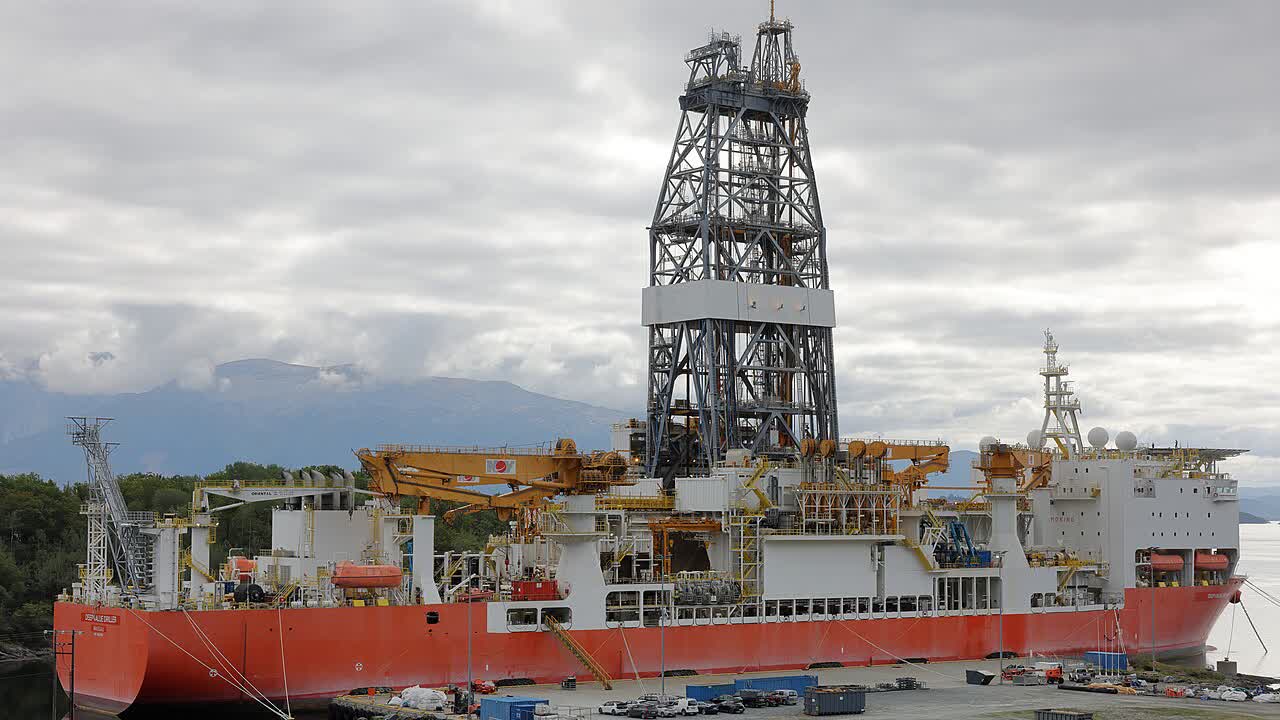
Turkey Deploys Çağrı Bey Drilling Ship to Explore New Oil Frontier Off Somalia’s Coast
-
Golden Pass LNG Ships First Liquefied Gas Cargo from the U.S., Completing $10 Billion QatarEnergy and ExxonMobil Investment

Mangroves and fishing areas are among the most affected
Experts point out that mangroves, coastal swamps, and various marine species can suffer significant impacts when they come into contact with petroleum derivatives.
For this reason, the Venezuelan government has expressed concern about potential damage to wetlands, fish breeding areas, and communities that directly depend on fishing for their livelihood. Furthermore, preliminary reports indicate risks to marine fauna and natural resources considered essential for the region.
Consequently, the episode reignites the debate on prevention mechanisms and rapid response to environmental accidents in shared maritime areas.
Venezuela demands more transparency
Another point that generated tension between the two countries involves the exchange of information about the incident.
According to Venezuelan authorities, there are still doubts about the exact amount of oil released, the type of hydrocarbon involved, and the measures taken to contain the spread of the spill. Therefore, Caracas has called for more transparency and cooperation from Trinidad and Tobago.
Furthermore, Venezuelan representatives argue that cross-border environmental incidents require immediate communication between affected countries to minimize damage to ecosystems and local populations.

Recent history increases concern
The new episode occurs just weeks after another spill was recorded in the same region.
At the time, authorities in Trinidad and Tobago acknowledged the occurrence of a spill in an oil field near the maritime border with Venezuela. Although the Trinidadian government stated that the incident was quickly controlled, Venezuelan authorities claimed that the environmental impacts reached their territory.
Moreover, previous episodes demonstrate how such accidents can cross borders and affect multiple countries simultaneously, especially in areas where ocean currents favor the dispersion of pollutants.
Oil remains a global environmental challenge
Although oil remains fundamental to the economy of various countries, spills continue to represent one of the main threats to marine environments.
When spills occur, the oil can compromise water quality, affect vulnerable species, and cause economic losses for activities such as fishing and tourism. Additionally, the recovery of affected ecosystems can take years, depending on the severity of the contamination.
Therefore, experts emphasize the importance of continuous monitoring systems, emergency protocols, and international cooperation to reduce the risks associated with oil exploration in coastal areas.
Regional cooperation will be decisive
As investigations continue, governments and environmental agencies are closely monitoring the situation’s progress.
Furthermore, it is expected that Venezuela and Trinidad and Tobago will expand technical dialogue to assess the impacts and define joint mitigation measures. In this way, it will be possible to reduce environmental damage and strengthen response mechanisms for future incidents in the region.
Regardless of the origin and final extent of the spill, the episode reinforces the need for constant vigilance in energy exploration areas and highlights how environmental issues can quickly become international diplomatic challenges.