Portuguese
  Spanish


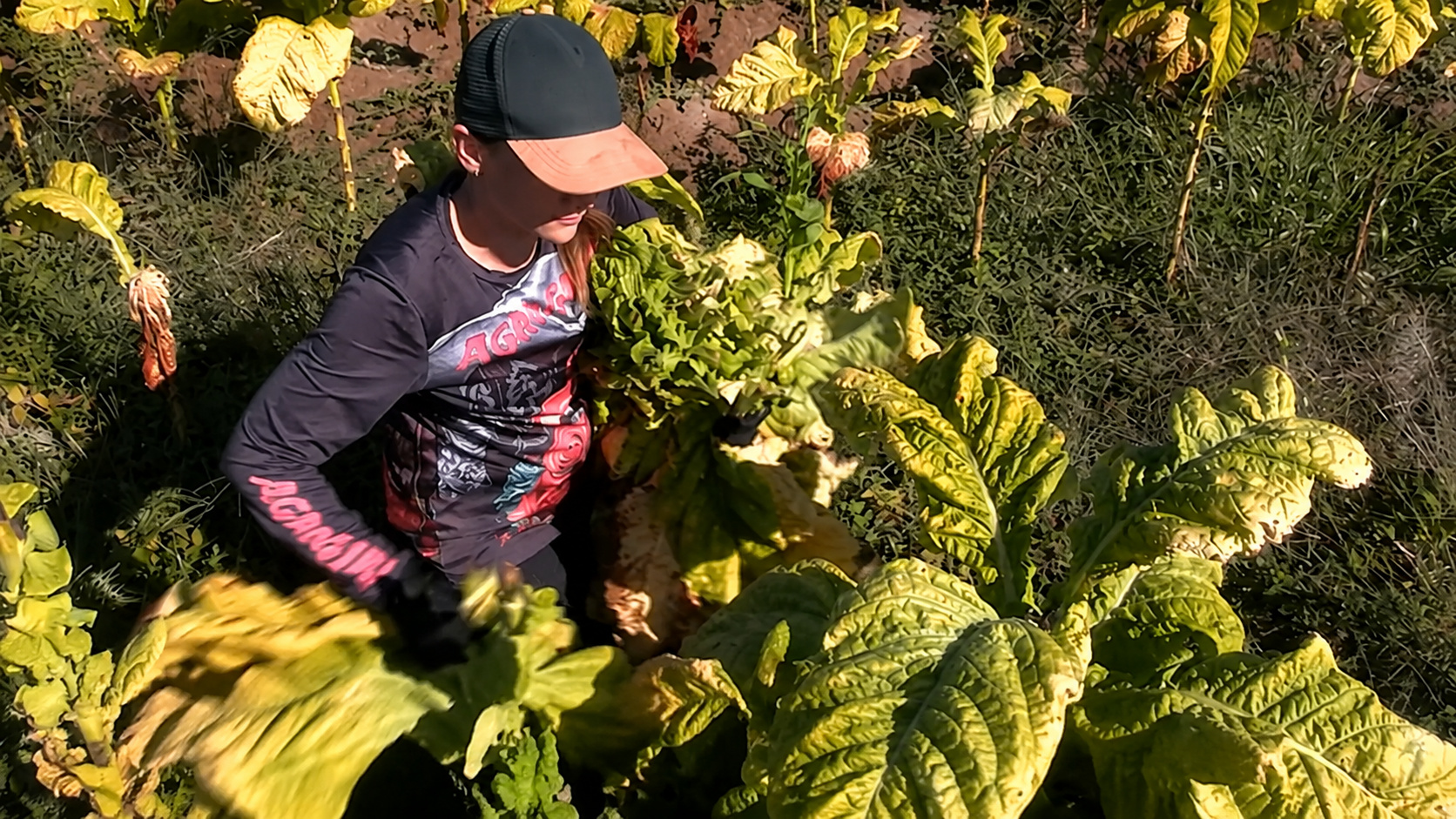
Faetec students create rescue robot with artificial intelligence and advanced sensors, expanding the use of technology in emergency operations.
The technological innovation produced by young Brazilians continues to surprise. At the Visconde de Mauá State Technical School, a Faetec unit in Rio de Janeiro, a group of students developed a rescue robot capable of assisting in locating victims in hard-to-reach areas after collapses. The equipment, called Aracnobot, uses sensors, cameras, and artificial intelligence to assist emergency teams in high-risk scenarios.
According to Portal Xataka Brasil and other outlets in June 2026, the project emerged as an evolution of the Guará Project, created in 2025, and demonstrates how the combination of technical education, research, and technology can generate solutions with a direct impact on public safety. In addition to exploring regions inaccessible to humans, the system provides real-time information that can accelerate operations where every minute is crucial to saving lives.
Faetec students turn learning into a solution for real emergencies
The creation of the Aracnobot shows that technical training goes far beyond the classroom. The students involved in the project applied knowledge of robotics, electronics, programming, environmental sensors, and artificial intelligence to solve a problem affecting rescue teams worldwide.
-
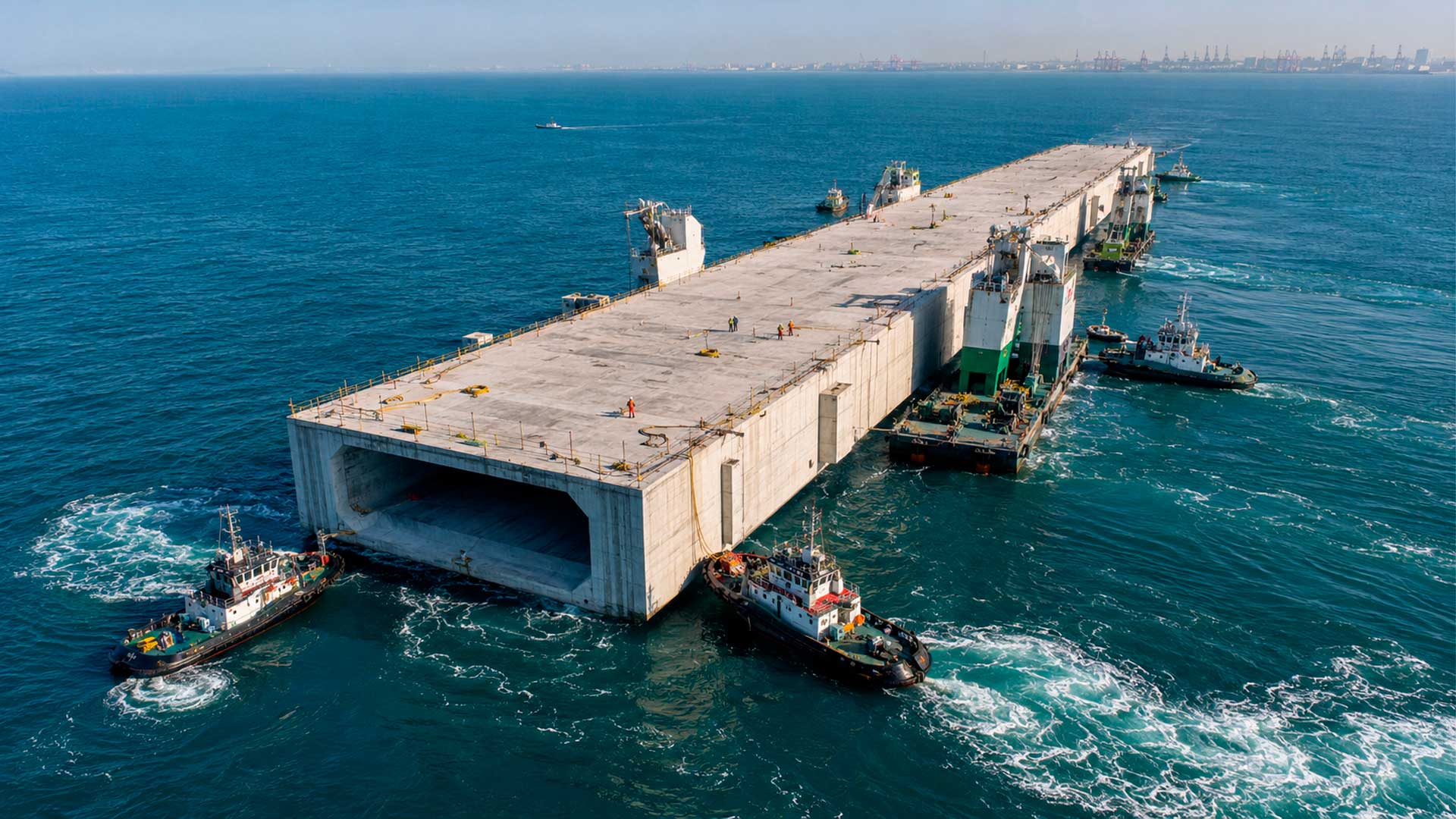
South Korea Tows 18 Concrete Blocks Weighing Up to 48,000 Tons Over 36 km to Construct a 3.2 km Underwater Tunnel Between Busan and Geoje, Installed Nearly 50 Meters Deep

-
Chinese Tianwen-2 Mission Targets Near-Earth Asteroid After 1 Billion Kilometer Journey to Collect Ancient Samples, Aiming to Uncover Clues About Water, Organic Compounds, and Solar System Origins Before Heading to a Comet

-
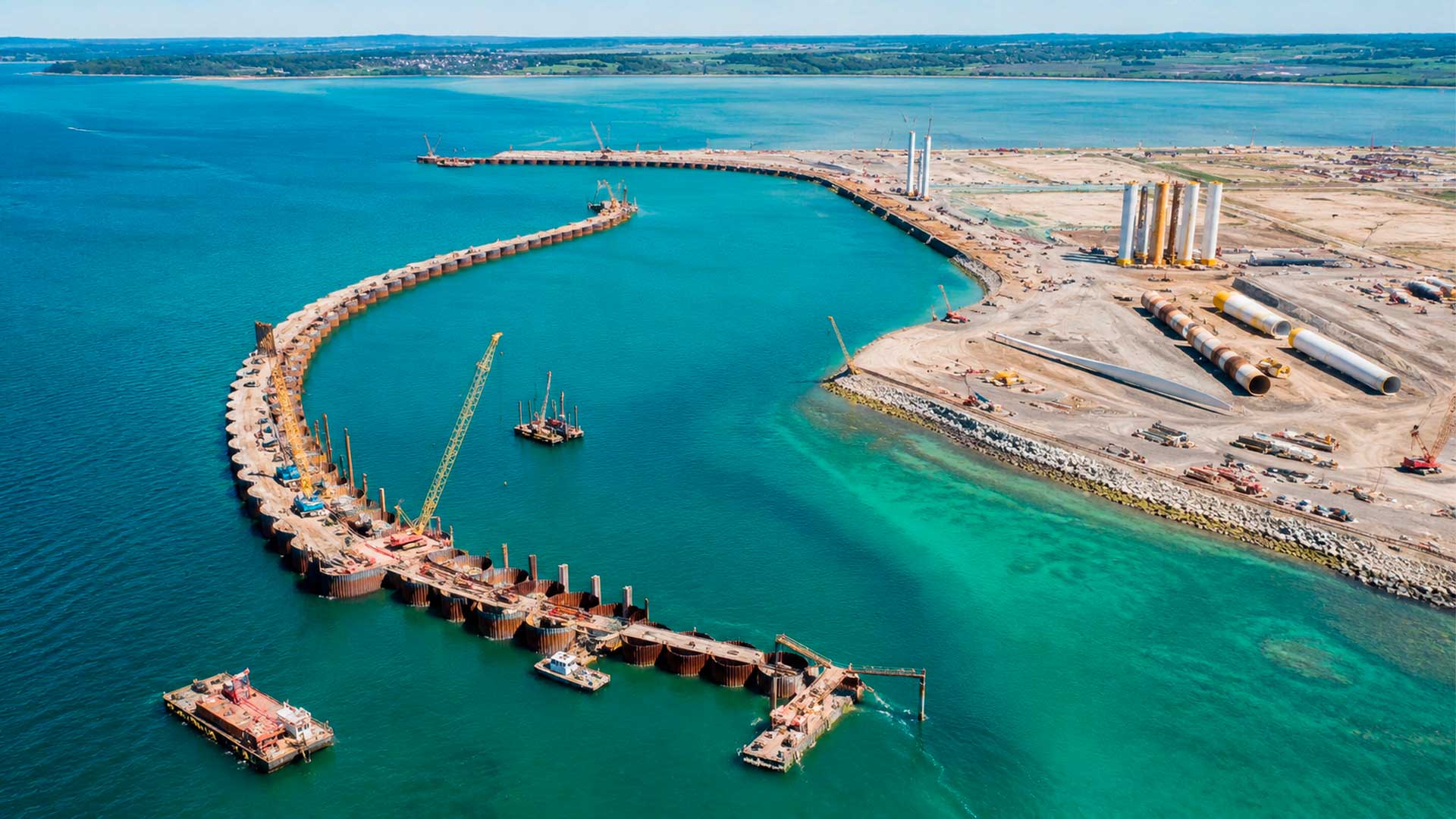
France Constructs 900-Meter Sea Wall in Brest, Expands Port by 14 Hectares for Marine Renewable Energy Hub
-
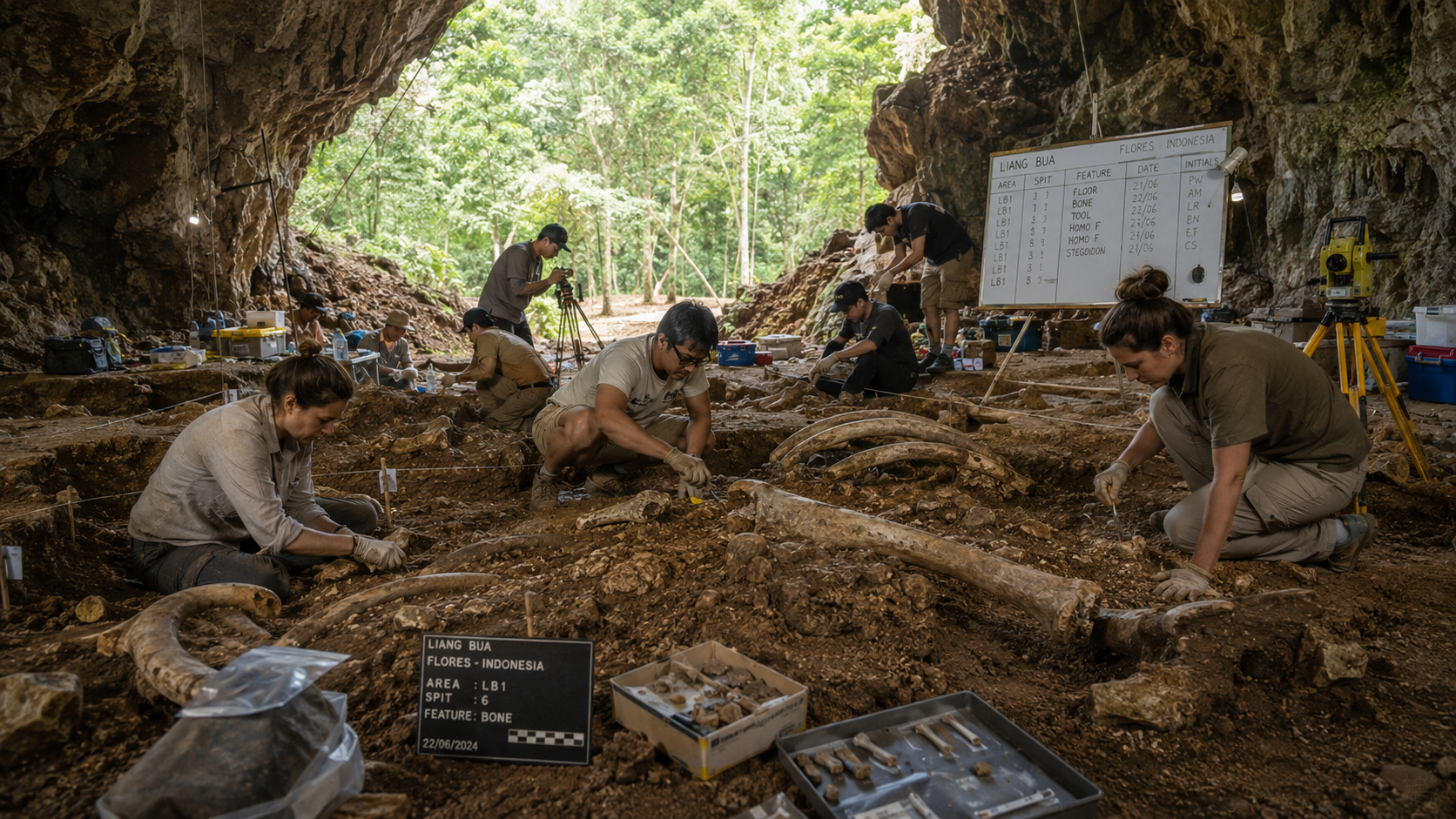
New Discovery Suggests Prehistoric “Hobbits” May Have Survived on Komodo Dragon Remains


In collapse situations, the entry of rescuers is not always safe. Compromised structures can suffer new collapses at any moment, putting victims and professionals at risk. It was precisely to face this challenge that Faetec students developed the solution.
The result is a project that combines innovation, scientific knowledge, and practical application for the benefit of society.
How the rescue robot can reach inaccessible places in collapses
The great differential of the Aracnobot lies in its spider-inspired structure. This shape was chosen to allow the equipment to move through narrow spaces, unstable surfaces, and uneven terrain.
While larger machines face limitations in areas with a lot of debris, the rescue robot was designed to access extremely difficult regions.
Among its main capabilities are:
- Navigation in confined spaces;
- Movement over debris;
- Remote exploration of dangerous areas;
- Real-time image transmission;
- Environmental data collection.
These features make the equipment a promising tool for search and rescue operations.
Onboard technology enhances the safety of rescue teams
In addition to advanced mobility, the Aracnobot functions as a true mobile monitoring center. The equipment is equipped with sensors capable of identifying different threats present in disaster scenarios.
During the exploration of debris, the onboard technology monitors factors that may compromise the safety of the operation. This allows firefighters and rescuers to make decisions based on more accurate information.
The system is capable of detecting:
- Presence of potentially dangerous gases;
- Temperature changes;
- Possible fire outbreaks;
- Hazardous environmental conditions.
With this data, teams can better assess the scenario before advancing to critical areas.
Artificial intelligence makes the rescue robot even more efficient
Another highlight of the project developed by Faetec students is the use of artificial intelligence. The system was designed to assist in identifying possible victims under the debris.
The cameras installed on the equipment send real-time images to the operators. Based on this information, artificial intelligence resources help in recognizing bodies and faces, making the search faster and more organized.
In practice, this can reduce the time needed to locate survivors, something crucial in emergency operations.
The sooner a victim is found, the greater the chances of a successful rescue tend to be.
Faetec strengthens student training in innovation-related areas
Faetec’s participation in the development of the Aracnobot reinforces the importance of technical education institutions in training qualified professionals.
The Visconde de Mauá State Technical School already has a tradition in projects focused on innovation, and the new equipment demonstrates how technological education can generate concrete results.
Throughout the development, students had contact with various strategic areas, including:
- Robotics;
- Automation;
- Electronics;
- Environmental sensing;
- Artificial intelligence.
This integration between theory and practice is one of the factors that make projects of this type so relevant for professional training.
Why rescue robots are gaining ground in operations around the world
The use of robotic systems in emergency situations has increased in recent years. Various countries invest in equipment capable of operating in locations where human access presents high risks.
Earthquakes, landslides, explosions, and collapses are among the most common scenarios for the use of these technologies.
The main advantages include:
- Reduction of rescuers’ exposure to danger;
- Faster information gathering;
- Continuous environmental monitoring;
- Support in locating victims.
In this context, the Aracnobot fits into an international trend of applying technology to protect lives.
The social impact of the project created by Faetec students
More than an academic experiment, the Aracnobot has the potential to generate concrete benefits for society. The equipment was designed to assist emergency teams in situations where time is a determining factor.
By providing real-time images and data, the rescue robot can help firefighters identify safer areas, plan access routes, and direct resources to locations with a higher probability of finding survivors.
Furthermore, the project highlights the ability of Brazilian students to develop innovative solutions for complex challenges.
The initiative also contributes to valuing applied research and stimulating new talents in the fields of science and technology.
Aracnobot shows how education and technology can save lives
The development of the Aracnobot represents a concrete example of the potential existing within Brazilian educational institutions. Created by Faetec students, the project combines robotics, artificial intelligence, and engineering in a solution aimed at real emergency situations.
Inspired by a spider and developed as an evolution of the Guará Project, launched in 2025, the equipment was designed to reach places where human access is limited or dangerous. Its ability to monitor gases, identify environmental risks, and assist in locating victims demonstrates how technology can contribute to more efficient operations.
More than a technological innovation, the Aracnobot symbolizes the transformation of knowledge into a tool capable of generating positive social impact. The work of the students reinforces the importance of technical education, research, and innovation as paths to build solutions that can make a difference when every minute counts.