Portuguese
  Spanish


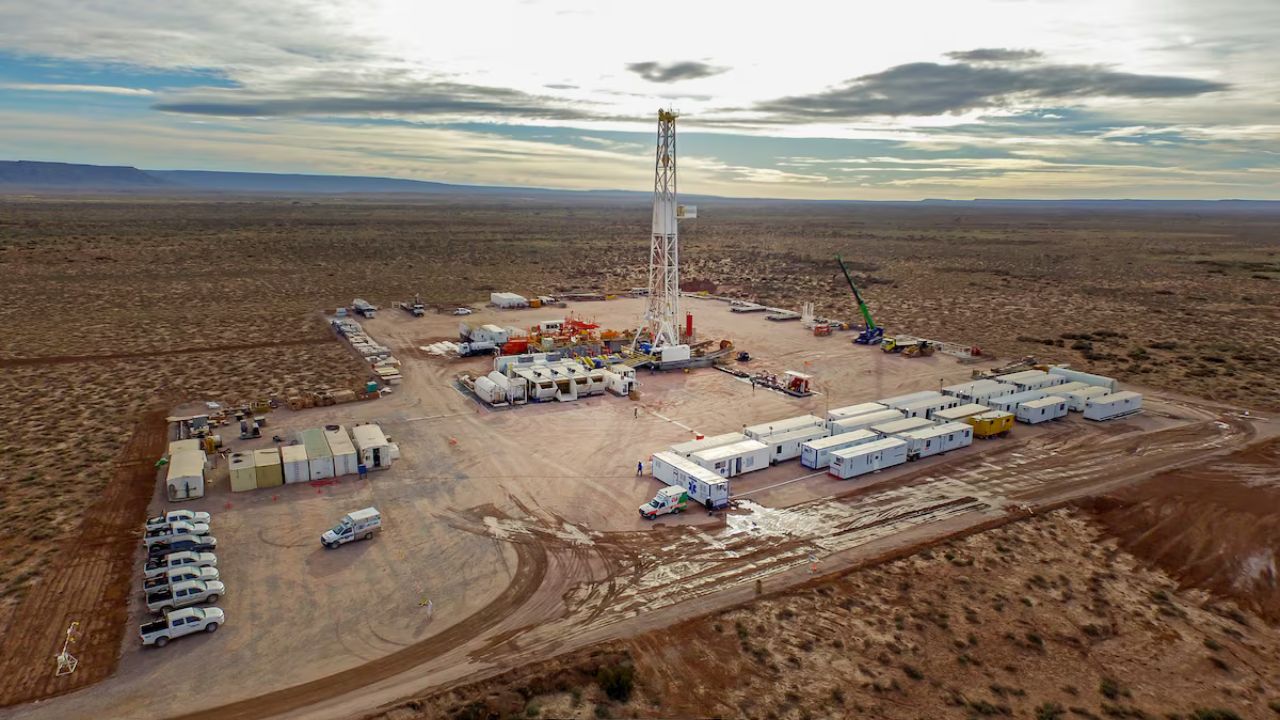

Argentina Secures US$ 2 Billion to Build Oil Pipeline and Export Terminal, Project Led by YPF with Operations Expected by 2026.
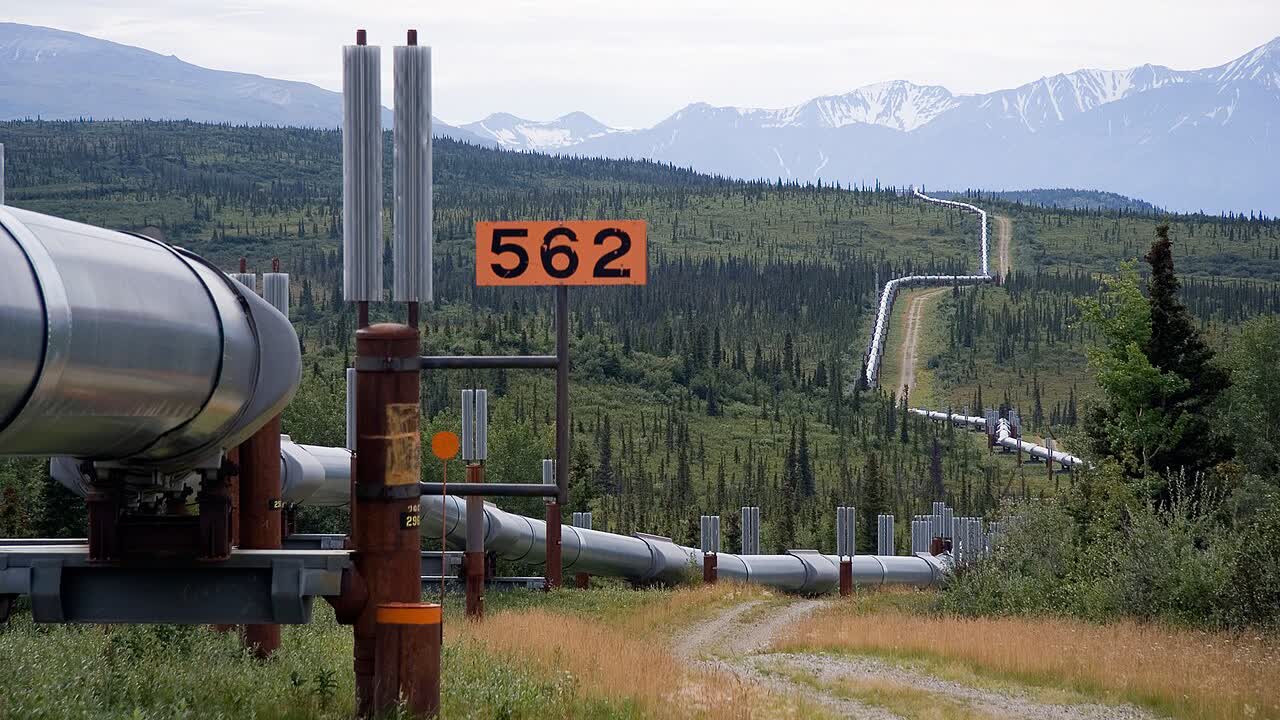
Argentina managed to secure financing of US$ 2 billion on Tuesday (8) for the construction of the Vaca Muerta South Pipeline (VMOS), considered one of the most important infrastructure projects in the country’s recent history.
The project, led by the state-owned YPF with support from major companies in the sector such as Shell, Chevron, Pan American Energy, and Pluspetrol, will be installed in the province of Río Negro, in northern Patagonia, and aims to transform Argentina’s oil export potential starting in 2027.
The goal of the project is to establish a new export logistics corridor for oil produced in Vaca Muerta, one of the largest unconventional hydrocarbon reservoirs in the world. The structure includes a port terminal capable of accommodating large vessels, which promises to increase the international competitiveness of Argentine commodities.
-
With a record production of nearly 3 million barrels per day, Petrobras resumes importing diesel in July, highlighting the bottleneck in Brazilian refining.

-
Qantas and Airbus Invest in Company Aiming to Convert Unsorted Household Trash into Jet Fuel

-
Brazil’s ANP Opens 86 New Oil Blocks in the Equatorial Margin, Expanding the Amazon River Mouth Frontier

-
OPEC+ Boosts Oil Supply by 188,000 Barrels per Day in July 2026, Leading to Price Drop from $112 to $89 per Barrel in Under Two Months
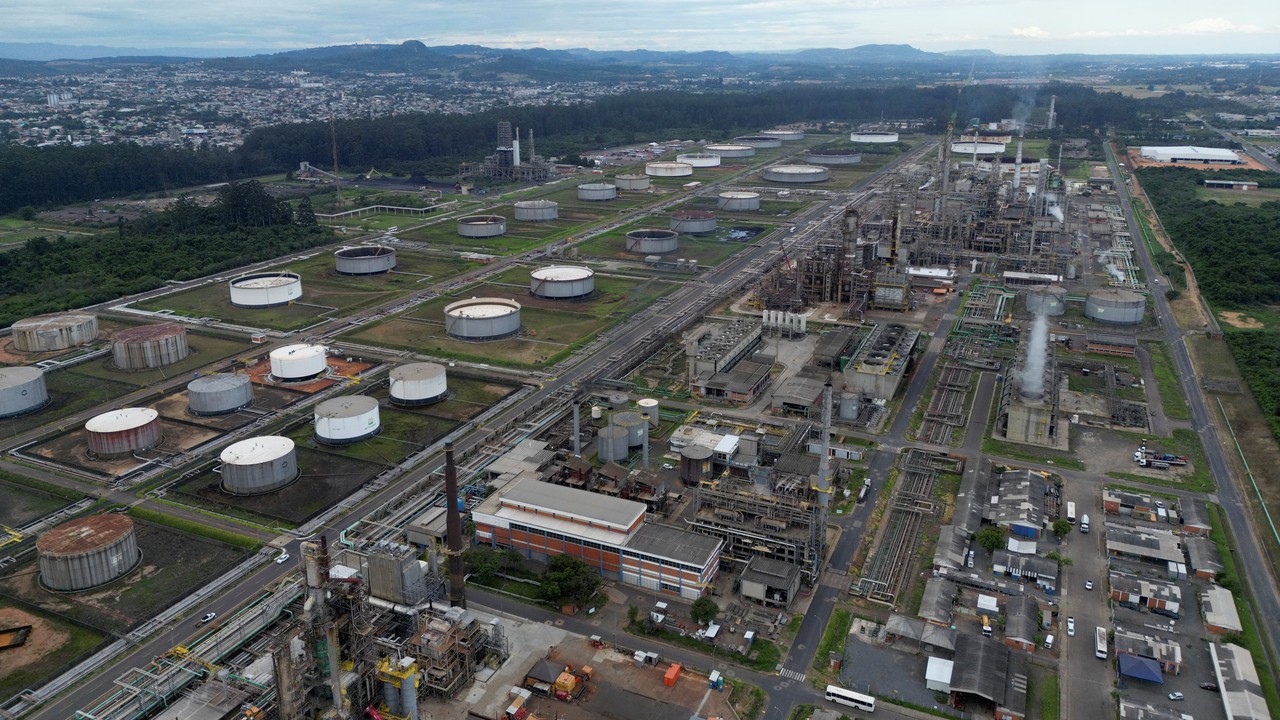

Pipeline Will Boost Argentina’s Exports and Economy
The VMOS pipeline is expected to become operational by the end of 2026, with an initial capacity to transport 180,000 barrels per day.
This volume will be gradually increased to reach 550,000 barrels daily by 2027, contributing to a significant expansion of Argentine oil exports.
The government estimates that the country will begin to collect around US$ 14 billion per year in oil export revenues.
With this, Argentina aims to strengthen its trade balance, attract more foreign investment, and stabilize its economy in a time of significant fiscal challenges.
Project Has Support from Industry Giants
In addition to YPF, the consortium responsible for the project includes major companies such as Vista, Pampa Energía, Tecpetrol, Shell, and Chevron.
The financing obtained, exceeding expectations (originally projected at US$ 1.7 billion), is the result of a coordinated operation by five major international banks: Citi, Deutsche Bank, Santander, JP Morgan, and Itaú, along with 14 other financial institutions.
“The operation marks a historic milestone for the country, as it represents the reopening of the international project finance market, which has been closed since 2019. Additionally, it constitutes the largest commercial loan for infrastructure project realization in Argentine history and one of the five most important in the oil and gas sector in Latin America,” said the VMOS consortium, made up of the companies involved in the project.
Pipeline and Port Terminal Promises to Reduce Costs and Open New Markets
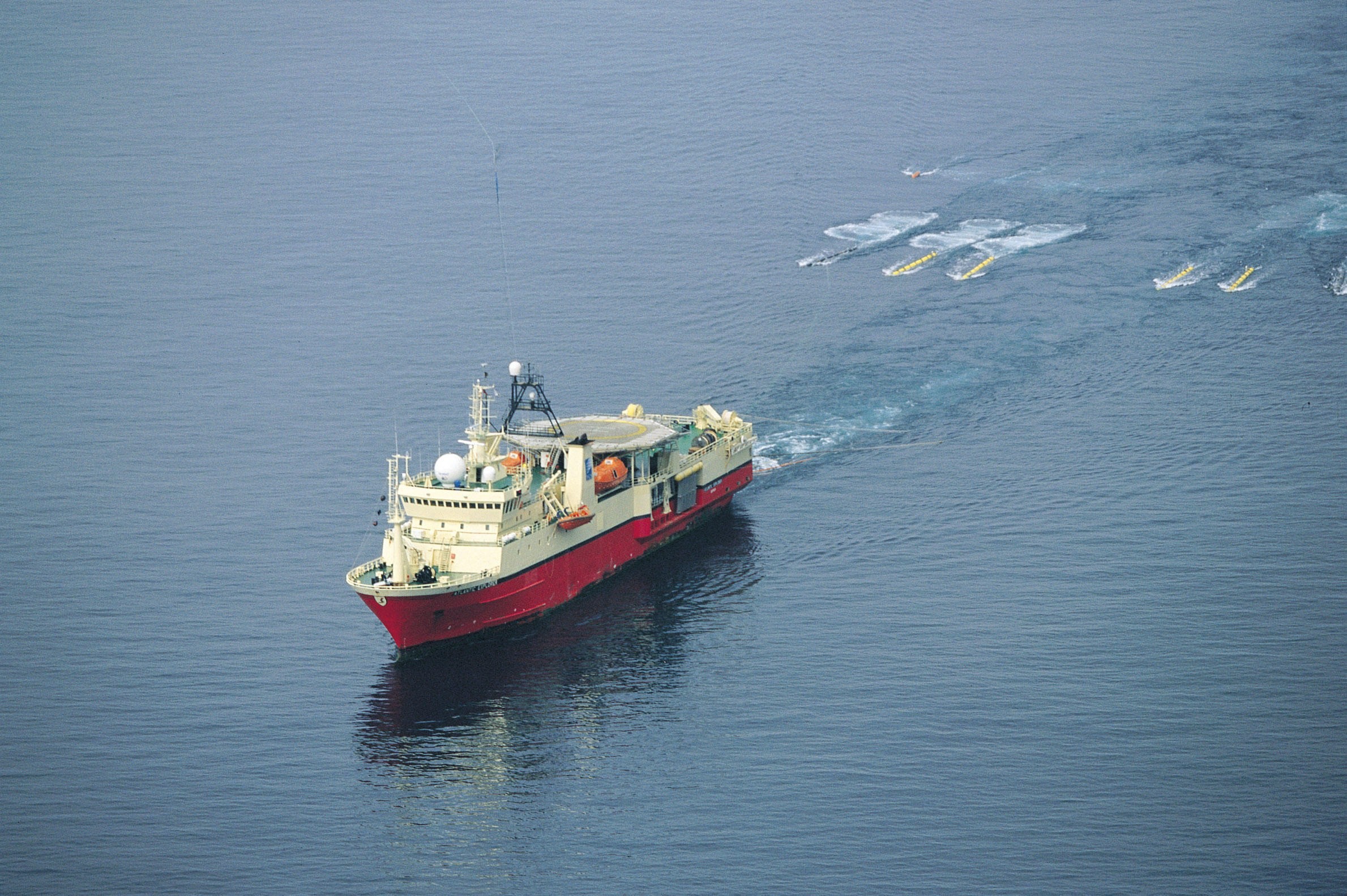
One of the strategic differentials of the project lies in the depth of the export port in Río Negro, which will allow the docking of VLCC (Very Large Crude Carrier) ships.
These vessels transport around 2 million barrels of oil, which reduces the average freight cost to between US$ 2 and US$ 3 per barrel, representing a savings of US$ 2 million per ship.
This logistical advantage could pave the way for Argentina to expand its presence in the international oil market, reaching new trade routes and establishing itself as a relevant player in the global energy sector.
With this initiative, the Argentine government, led by Javier Milei, seeks to regain the confidence of investors and international partners.
The oil pipeline project represents not only an advancement in energy infrastructure but also a concrete opportunity for economic recovery, job creation, and strengthening of the national oil industry.