






 Portuguese
  Spanish
  5 min of reading
  0 comments


According to Revista Fórum, the Milei government faces data that contradicts the Casa Rosada’s discourse: Argentina recorded the highest volume of profit remittances abroad in over 15 years, foreign direct investment closed the fourth quarter of 2025 with a negative balance of US$ 4.687 billion, and the reinvestment rate by foreign companies plummeted to just 17%.
Argentina is experiencing an economic paradox that is difficult to ignore. Javier Milei’s government promised an avalanche of dollars as a result of exchange rate liberalization and the RIGI incentive program, but official data from the Argentine Central Bank show exactly the opposite. In March, foreign companies’ profit remittances to their headquarters abroad reached US$ 876 million, the highest level in over 15 years. Instead of attracting capital, Argentina is exporting the resources it already had.
The scenario is completed with the Foreign Direct Investment Report for the fourth quarter of 2025, which recorded a historic negative balance. Argentina had a net outflow of US$ 4.687 billion in foreign direct investment, a deficit driven mainly by the payment of commercial debts by the agricultural export sector to headquarters abroad. The result renders the official discourse that the country is becoming a reliable destination for international investors a dead letter.
US$ 876 million in a single month: the record no one celebrates
The volume of profit remittances abroad recorded in March 2026 is not just a high number. It is the highest in over 15 years, a record that highlights a clear decision by foreign companies established in Argentina: to withdraw resources from the country instead of reinvesting in the local economy. When a multinational company remits profits to its headquarters, it is signaling that it does not see sufficient opportunities to apply that money in the country where it was generated.
-
Federal Police involved in the case to identify the person responsible for hacking the Civil Defense system, which sent ten false alerts, frightened residents of different capitals, and turned messages about real risks into notifications with “misanthropy” and even alien attacks.

-
Extreme drought causes ghost village to reappear at the bottom of the reservoir that supplies Athens, revealing houses, a school, and ruins swallowed since the 1980s as the lake shrinks and exposes the water crisis threatening the capital of Greece.

-
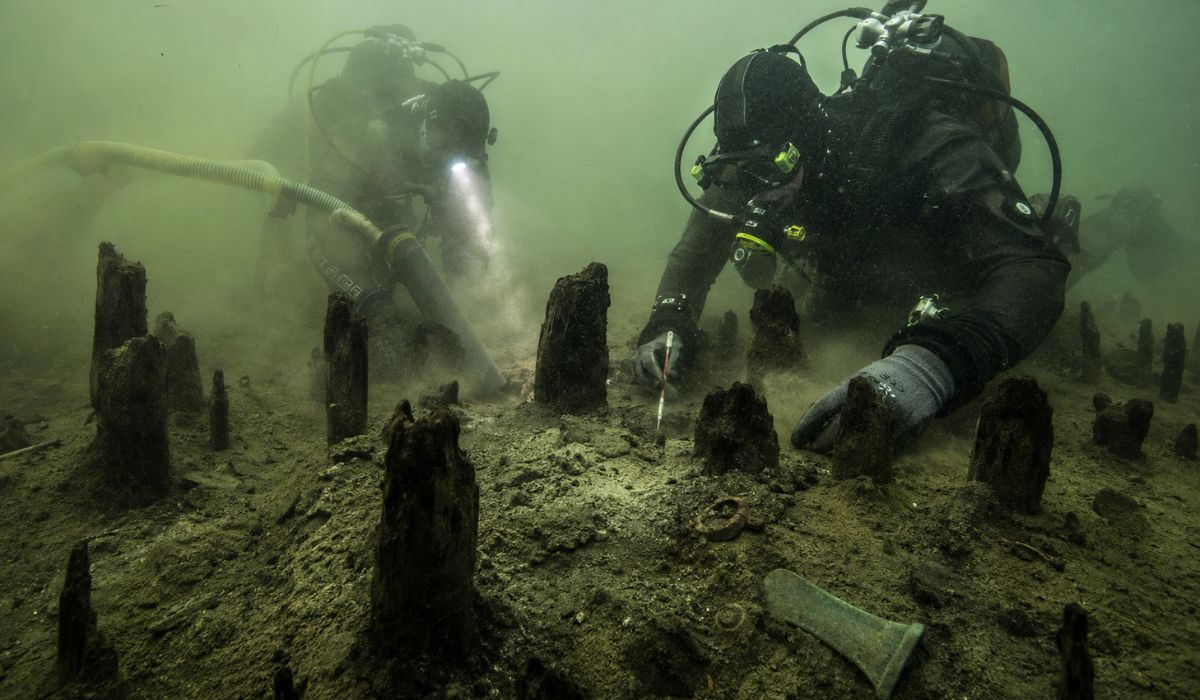
An entire village lay asleep at the bottom of a lake for 3,000 years: divers suction sediments in Italy and reveal more than 600 wooden stakes, bronze tools, and traces of a Bronze Age settlement hidden underwater.
-
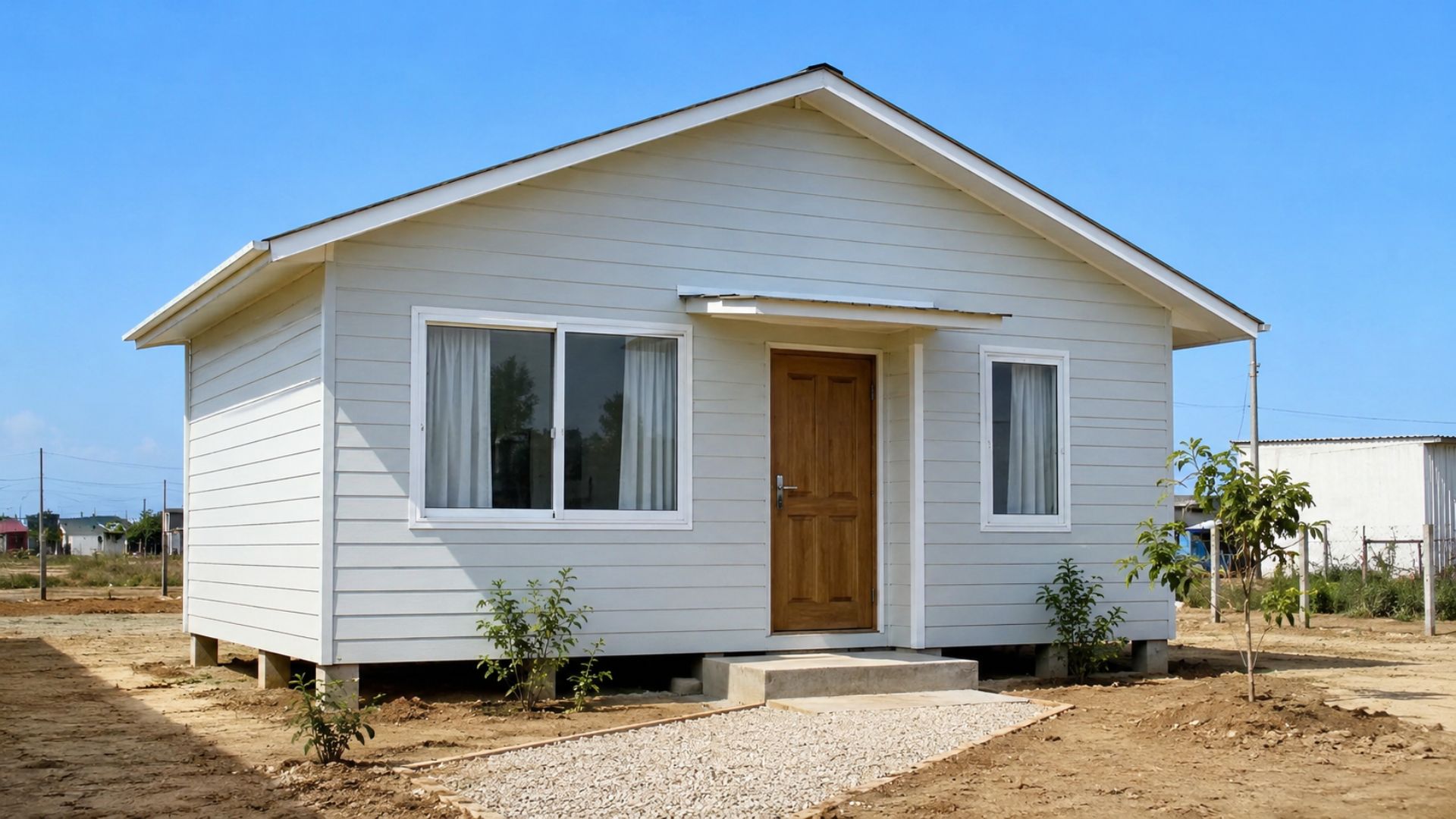
They call it the “Shopee house” and even cardboard, but the R$ 20,000 house is a certified Wood Frame from Alea, financed by Minha Casa Minha Vida: understand if it’s worth more than masonry.


The exchange rate liberalization promoted by the Milei government technically facilitated these remittances, removing barriers that in previous governments made it difficult for dollars to leave. The practical result is that the policy intended to attract investors ended up serving as an exit door for capital already in the country. For Argentina’s real economy, every dollar remitted abroad is a dollar that failed to finance factory expansion, employee hiring, or the development of new projects on Argentine soil.
Negative foreign investment: what it means in practice
A negative foreign direct investment balance means that more foreign capital left Argentina than entered. The US$ 4.687 billion net outflow recorded in the fourth quarter of 2025 represents a historic deficit, exacerbated by the fact that the deficit was driven by commercial debt payments from the agro-export sector, one of the pillars of the Argentine economy. In practice, companies linked to the export of grains and derivatives settled obligations with their headquarters abroad, draining dollars that could circulate internally.
The rate of profit reinvestment by foreign companies in Argentina fell to just 17%, one of the lowest recorded in recent years. This means that for every hundred dollars of profit generated by a multinational in the country, only 17 remained in Argentina. The other 83 were remitted abroad. In healthy economies, this rate is usually significantly higher, reflecting investor confidence in the business environment and the local market’s growth prospects.
The RIGI program and the avalanche that didn’t come
The Milei government created the RIGI program (Regime for Incentive to Large Investments) as a central piece of its strategy to attract foreign capital to Argentina. The program offers extraordinary tax and regulatory benefits for large-scale projects, especially in sectors such as mining, oil, and gas. In the official narrative, RIGI would be the trigger for a wave of billion-dollar investments that would transform the country’s economy.
The data, however, shows that the promised avalanche of dollars did not materialize. While the government celebrates the approval of projects on paper, Central Bank figures reveal that new money is simply not arriving. Argentine economists point out that there is an abyss between approving projects in the cabinet and seeing resources effectively landing in factories, mines, and platforms. The government itself has already announced that it is preparing a new version of the program, an implicit recognition that the first edition did not deliver the expected results.
Extrativism and financial intermediaries: the quality of the little that comes in
In addition to insufficient volume, the quality of the few investments still entering Argentina raises questions. The capital contributions recorded at the end of 2025 came mostly from financial intermediaries, a sector that has low impact on job creation and productive development. In other words, the money that comes in does not go to factories, infrastructure, or projects that create jobs for the population.
The sectors that effectively receive foreign investment in Argentina under the Milei government are predominantly extractive, concentrated in mining and oil. Economists like Martín Burgos warn that this model constitutes a scheme where state incentives finance the extraction of natural resources by foreign companies, which then remit profits out of the country. Burgos’s calculation, according to a report by the newspaper Pagina12, reveals that the accumulated difference between foreign direct investment received by Argentina since 2003 and the remittance of profits and dividends in the same period is only 6 billion dollars, a meager balance for over two decades.
The abyss between discourse and numbers
The contradiction between the Milei government’s narrative and the official data from the Central Bank of Argentina is the most revealing element of this scenario. On one hand, Casa Rosada celebrates agreements, announces billion-dollar projects, and promises that economic openness will transform the country into a global investment hub. On the other hand, the numbers show record dollar outflows, negative foreign investment, and a reinvestment rate that indicates structural distrust from companies already operating in the country.
For the Argentine population, the consequences of this disconnect are concrete. Less productive foreign investment means fewer factories, fewer industrial jobs, and less tax revenue to finance public services. The flight of dollars pressures the exchange rate and can erode the purchasing power of wages. And the concentration of the few contributions in extractive and financial sectors reinforces an economic model that has historically generated wealth for a few without distributing benefits to the majority.
Data that speaks louder than promises
Argentina under the Milei government today presents a picture where foreign investment indicators point in the opposite direction to the official discourse. US$ 876 million in profit remittances in a single month, a negative balance of US$ 4.687 billion in direct investment, and a reinvestment rate of 17% compose a portrait that no rhetoric can mask. The data comes from the Argentine Central Bank itself, not from opponents or independent analysts.
What do you think of Argentina’s economic scenario under Milei? Leave your analysis of these numbers in the comments and whether you believe that the strategy of exchange rate liberalization and incentives for large investments can lead to concrete results or if the trend of capital flight is here to stay. We want to hear your opinion.





-

1 person reacted to this.