Portuguese
  Spanish


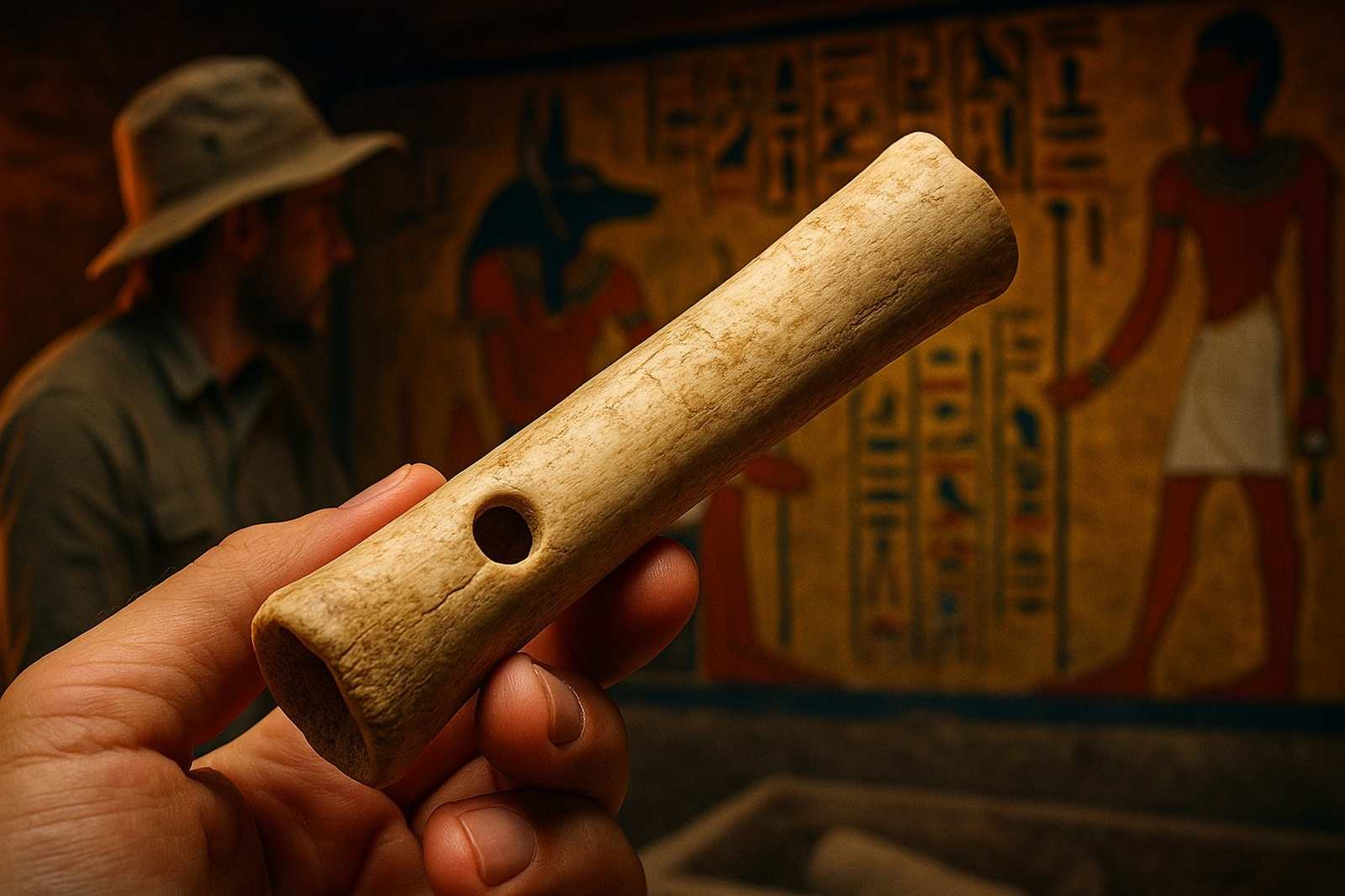

Small Carving of Bovine Bone Reveals How the Medjay, Elite Police, Maintained Order in Akhetaton of Akhenaten.
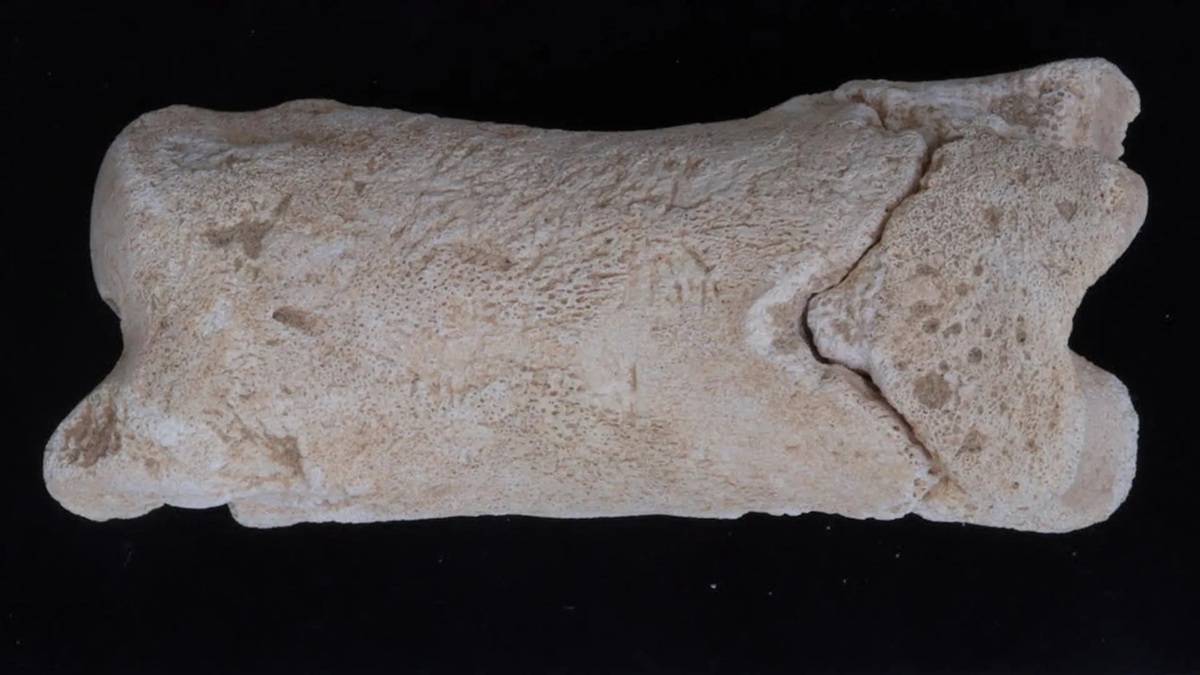
A simple yet extraordinary object has brought new answers about daily life in Amarna, ancient Akhetaton. This is a 3,300-year-old whistle carved from a cow’s finger bone, considered the first of its kind ever discovered in Ancient Egypt.
It was found in 2008 during the excavations of the Amarna Project, but only recently received detailed analysis.
The modest piece, with a single hole, fits in the palm of the hand and was likely used by guards to organize workers at a royal tomb site.
-
Brazilian Researcher Develops Protein Supplement from Tilapia Waste, Combining Innovation and Sustainability with Economic Potential

-
Women in São Paulo Unknowingly Tracked by Coin-Sized Tags Hidden in Cars and Belongings, Raising Stalking Concerns
-
Near a $750 million AI data center in Brazil, a resident’s well runs dry, leaving her unable to afford the $25,000 needed for repairs.

-
16-Year-Old from Brazil’s Sertão Wins Young Scientist Award for AI Predicting Rainfall with 94.5% Accuracy to Aid Farmers


An Artifact Linked to Control and Order
Researchers replicated the whistle using a current bovine bone and found that the natural shape of the material facilitates blowing, producing a clear sound.
This detail reinforces the hypothesis that it served as a practical tool for communication in controlled environments, such as work fronts and surveillance areas.
The site of discovery—a stone village interpreted as a control post—confirms this use. Texts and images from the period mention the medjay, a police force recruited by the Egyptians to monitor workers and patrol strategic points.
The Role of the Medjay in Akhetaton
The medjay were semi-nomads from the desert regions who gained a reputation for their military skills. They became part of the security structure of the New Kingdom, serving as elite guards.
The tomb of Mahu, chief of police in Akhetaton, depicts guards positioned on roads and control posts. These scenes connect directly to the finding of the whistle, providing a link between artistic records and objects used in daily life.
The function of the medjay went beyond protecting tombs. They also patrolled borders, prevented invasions, and maintained order in areas of royal interest.
A Look Beyond the Pharaohs
The Amarna whistle shows that the history of Ancient Egypt is not just about temples and pharaohs. The small artifact reveals how guards and workers lived amid the transformations brought about by Akhenaten, who founded the city in 1347 B.C.
These discoveries broaden the focus of archaeology. Instead of looking only at symbols of power, they illuminate simple practices that sustained daily life, from access control to the security of sensitive areas.
In this way, a bone carved over three millennia ago gains historical value, reminding us that even the smallest objects hold the memory of an empire.