






 Portuguese
  Spanish


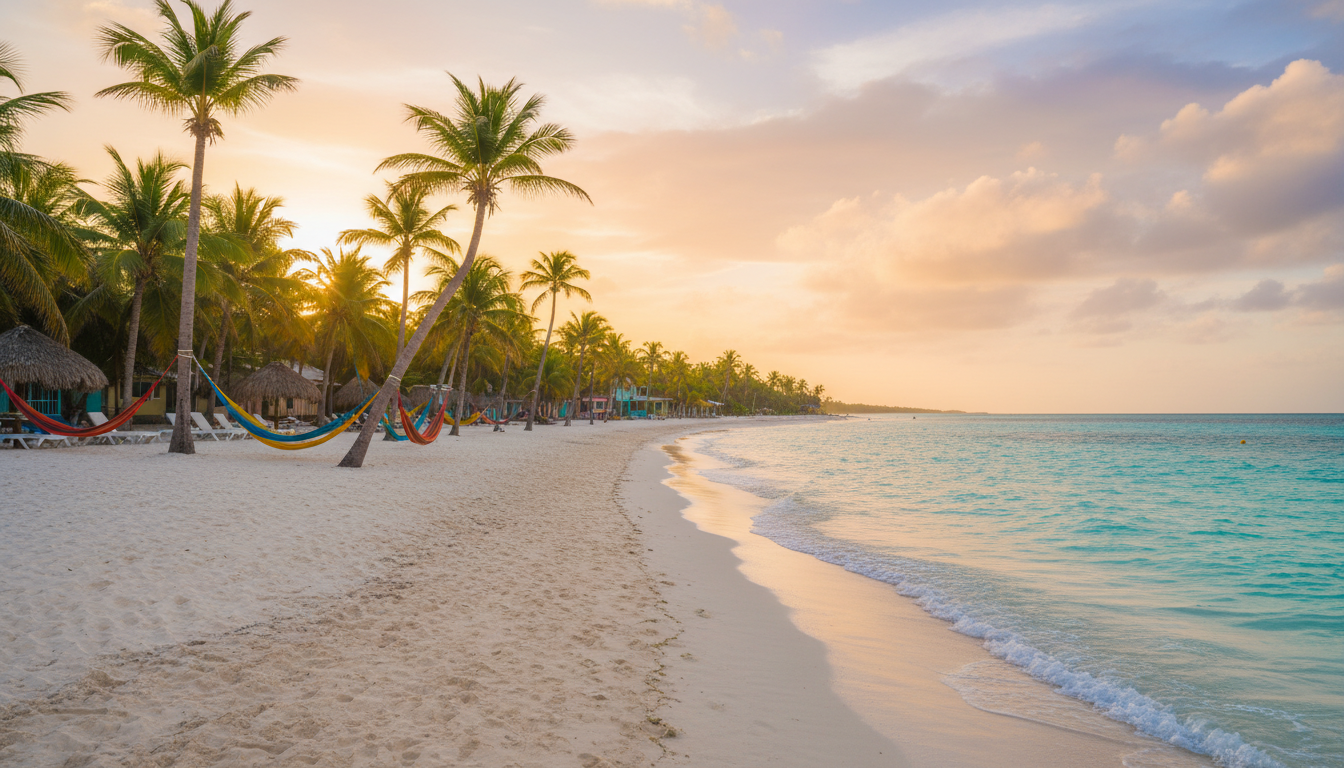


On the island of Holbox, in the Mexican Caribbean, there are no cars, the streets are sandy, whale sharks swim alongside tourists, and at night the sea glows with bioluminescence — and Brazilians are discovering this destination that costs from R$ 172 per tour
The largest fish in the world swims freely alongside tourists in crystal-clear waters. When the sun sets, the sea begins to glow on its own in shades of blue and green. The streets have no asphalt, no cars, and no rush. Holbox is an island in the north of the Yucatán Peninsula, Mexico, where the Caribbean still seems untouched — and Brazilians are just starting to discover it now.
The island of Holbox is located in the Gulf of Mexico, accessible only by ferry from the port of Chiquilá. Cars are prohibited. Local transportation is done by golf cart or bicycle. The streets are made of white sand. There are no large resorts, fast food chains, or traffic lights.
This isolation has preserved a rare ecosystem. Whale sharks, the largest fish on the planet, migrate to the waters of Cabo Catoche between June and September. And in the Bay of Punta Cocos, just 20 minutes from the center, marine plankton produces bioluminescence visible to the naked eye on nights without a full moon.
-
China Develops Custom 140-Ton Electric Mining Truck with 770 kWh Swappable Battery, Deploys 290 Units in Xinjiang’s Largest Zinc Mine

-
Meta to Launch Arena, a New Prediction App Targeting 3.56 Billion Users, Competing with Polymarket and Kalshi

-
Scientist Challenges Famous Human Evolution Theory, Argues Homo Sapiens Evolved Gradually Over Thousands of Years
-
How to Prevent Brown Recluse Spider Bites: Common Hiding Spots and Free Tips to Reduce Risks




Holbox: the island where cars do not enter
The charm of Holbox starts at the ground. The main streets are made of soft sand, lined with colorful one or two-story houses. No cars circulate. Residents move around by bicycle or golf cart. Thus, the pace is dictated by the wind and the tide, not by traffic.
The island measures about 40 km long and only 2 km wide at its narrowest point. Despite its small size, it offers white sandy beaches with shallow turquoise waters, hammocks between palm trees, and beachfront bars.
As a result, Holbox stands out from neighbors like Cancun and Tulum due to the complete absence of mass infrastructure. There is no large hotel chain. Accommodations are concentrated in rustic inns and beachfront cabins, maintaining the artisanal character of the island.
- Location: north of the Yucatán Peninsula, Gulf of Mexico
- Access: ferry from Chiquilá (the only way to get there)
- Transportation: golf carts and bicycles — cars prohibited
- Size: ~40 km long × 2 km wide
- Climate: Caribbean tropical, average temperature 28°C
- Currency: Mexican peso, but tours quoted in R$ for Brazilians

When the sea of Holbox shines alone at night
The phenomenon of bioluminescence occurs when concentrations of marine plankton produce a chemical reaction that emits blue-green light. In Holbox, Punta Cocos Bay is the ideal spot to observe it.
The best time is from June to September. New moon or waning crescent nights provide the darkness needed for the glow to stand out. Besides the luminous sea, the sky without light pollution reveals the Milky Way to the naked eye.
Bioluminescence tours start at R$ 172 per person (by car to Punta Cocos) and go up to R$ 287 for a night kayak tour, which allows you to dip your hands in the water and create luminous trails. The experience lasts between 1 and 2 hours.
Brazilian destinations also surprise with natural phenomena. A recently rediscovered paradise island shows that Brazil has beaches that rival the Caribbean.

Swim with the largest fish in the world on the island of Holbox
The whale shark (Rhincodon typus) is the largest living fish on the planet, reaching up to 12 meters in length. Despite its size, it is gentle and feeds on plankton, posing zero risk to divers.
Between June and September, dozens of them migrate to the waters of Cabo Catoche, north of Holbox. Tourists can swim alongside them in guided tours that cost between R$ 1,012 and R$ 1,190 per person, with a full day at sea including snorkeling and lunch.
The broader season runs from March to October, but the peak is concentrated in the summer. Boats leave in the morning and head to the concentration points, where the animals feed at the surface. Therefore, it is possible to see them from above the water even before diving.

Brazilians are discovering Holbox
Platforms like TripAdvisor and Viator already list tours of Holbox in Brazilian Portuguese, with affordable prices and high ratings. The bioluminescence tour has a rating of 4.7 out of 5, and the whale shark tour has accumulated 37 positive reviews.
The island attracts Brazilians looking for an alternative to mass Caribbean tourism. However, the lack of direct flights and the need for a ferry keep the flow controlled — at least for now.
Tourism experts warn that rapid growth could pressure fragile ecosystems such as those of plankton and whale sharks. There is still no known public regulation that limits the number of daily visitors to the island. Other surprising destinations around the world face a similar dilemma between preservation and tourism. To plan the trip, it is worth consulting the detailed guides from Viva o Mundo and Random Trip.




