






 Portuguese
  Spanish


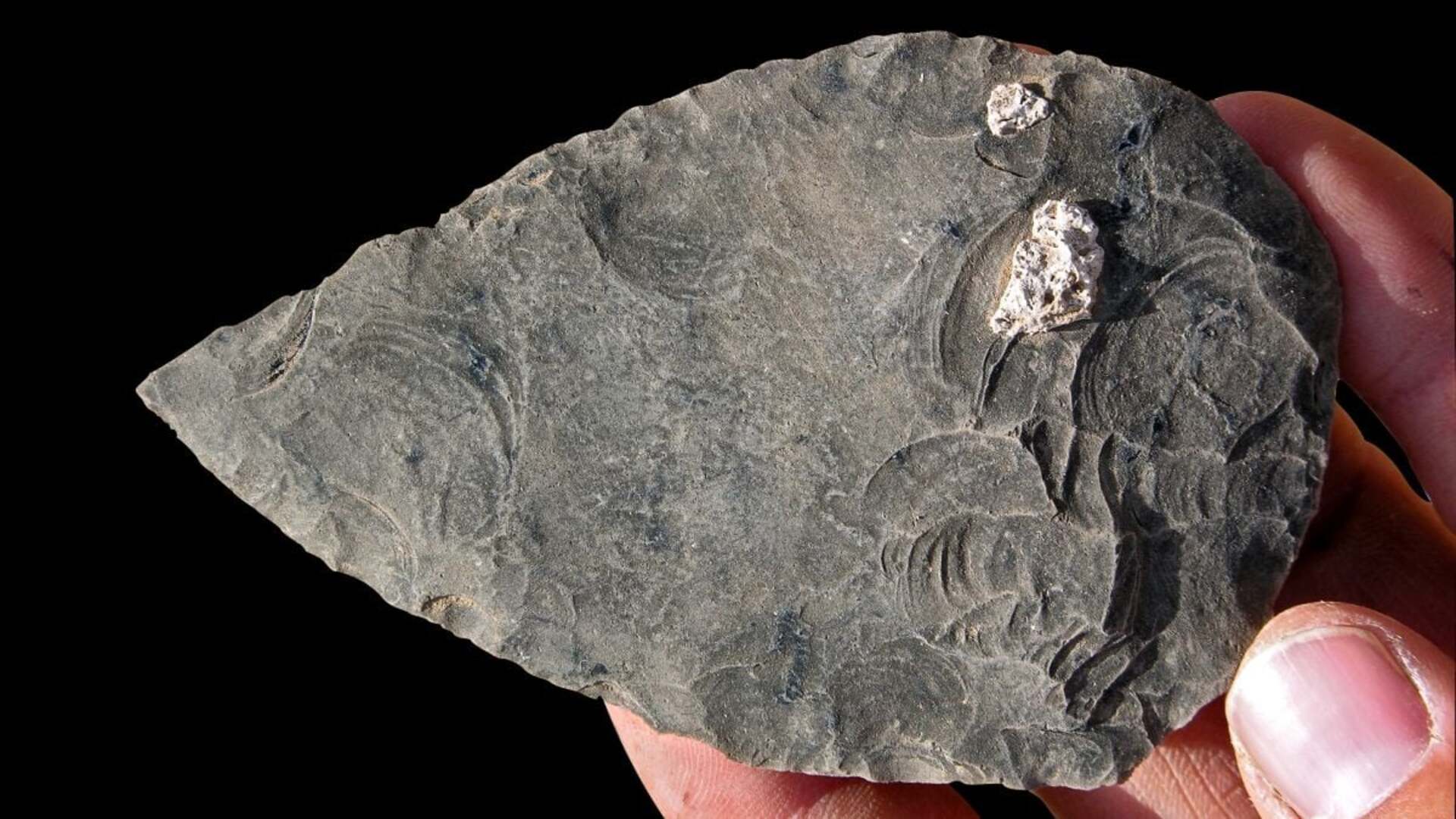

The detailed study of an ancient landscape allows scientists to reconstruct the way of life and climatic adaptations of prehistoric human groups.
A team of archaeologists identified human fossils in a preserved ancient landscape, indicating the presence of populations that inhabited the region about 100,000 years ago.
The discovery, made at an archaeological site of high scientific relevance, offers new evidence about the migratory routes and behavior of the first members of our species. The remains were found in deep sedimentary layers, which maintained the integrity of the biological material for millennia.
The finding consists of bone fragments that, after initial analyses, were dated to the Pleistocene period.
-
Billionaire says the most valuable skill will help overcome job elimination caused by AI, following Bill Gates’ fears

-
A Dutchman created a ‘box’ that makes trees grow in the desert almost without water and without irrigation: the invention has already brought seedlings to dozens of countries and achieves up to 90% survival where common planting did not exceed 10%.

-
Abandoned warehouse hid a giant collection of rare computers, with over 2,000 artifacts from the 1930s to the 1980s.
-
Scientists warn that melting ice is triggering an alarming chemical transformation in preserved areas, and the first signs are already concerning researchers worldwide.




The preservation of these elements in an ancient landscape is considered rare due to the severe climatic conditions that often degrade DNA and bone structure over time. In addition to human fossils, researchers located stone tools and traces of campfires, suggesting that the site served as a temporary settlement or strategic hunting ground.
Geological context and dating methods
The area where the bones were located remained protected by rock formations that prevented direct erosion. This geographical isolation allowed the ancient landscape to retain characteristics from millennia ago, serving as a time capsule for modern science.
To determine the exact age of the findings, scientists used advanced thermoluminescence and radiocarbon dating techniques on associated organic materials.
The results confirmed that the individuals lived during a period of significant climatic transition. Analysis of the soil around the ancient landscape reveals that the environment was much wetter and more fertile than the current geographical configuration. This environmental change explains why the site was attractive to human groups, offering an abundance of water and food resources necessary for survival in prehistoric periods.
Behavior and organization of human groups
The arrangement of the remains and artifacts suggests a complex level of social organization for the time.
In the ancient landscape, stone objects exhibit refined knapping techniques, indicating a transmission of knowledge between generations. The presence of different types of tools in a single stratum suggests that the group engaged in varied activities, from processing hides to manufacturing weapons for defense and hunting.
Another point that caught the attention of specialists was the location of the fragments in relation to the water resources of the ancient landscape. The settlements appear to have been planned to take advantage of the elevation of the land, avoiding flooding and allowing a broad view of the territory. These data support the hypothesis that these ancient humans had a deep understanding of natural cycles and the topography of the region.
Relevance to the human family tree
The discovery challenges previous chronologies regarding human dispersion across the continent and reinforces the theory that modern humans occupied various regions much earlier than previously thought.
By studying the ancient landscape, evolutionary biologists hope to extract genetic material that helps map the kinship of these individuals with other known populations. The goal is to understand whether this group represents an extinct lineage or if it directly contributed to the DNA of contemporary populations.
Currently, the site is under strict protection to prevent contamination of the remaining material. New excavations are scheduled for the upcoming seasons, aiming to expand the search area within the identified ancient landscape.
Each recovered fragment is an essential piece for reconstructing the puzzle of human evolution and understanding how our ancestors overcame environmental challenges in a constantly changing world.
Click here to access the study





