






 Portuguese
  Spanish
  3 min of reading
  0 comments


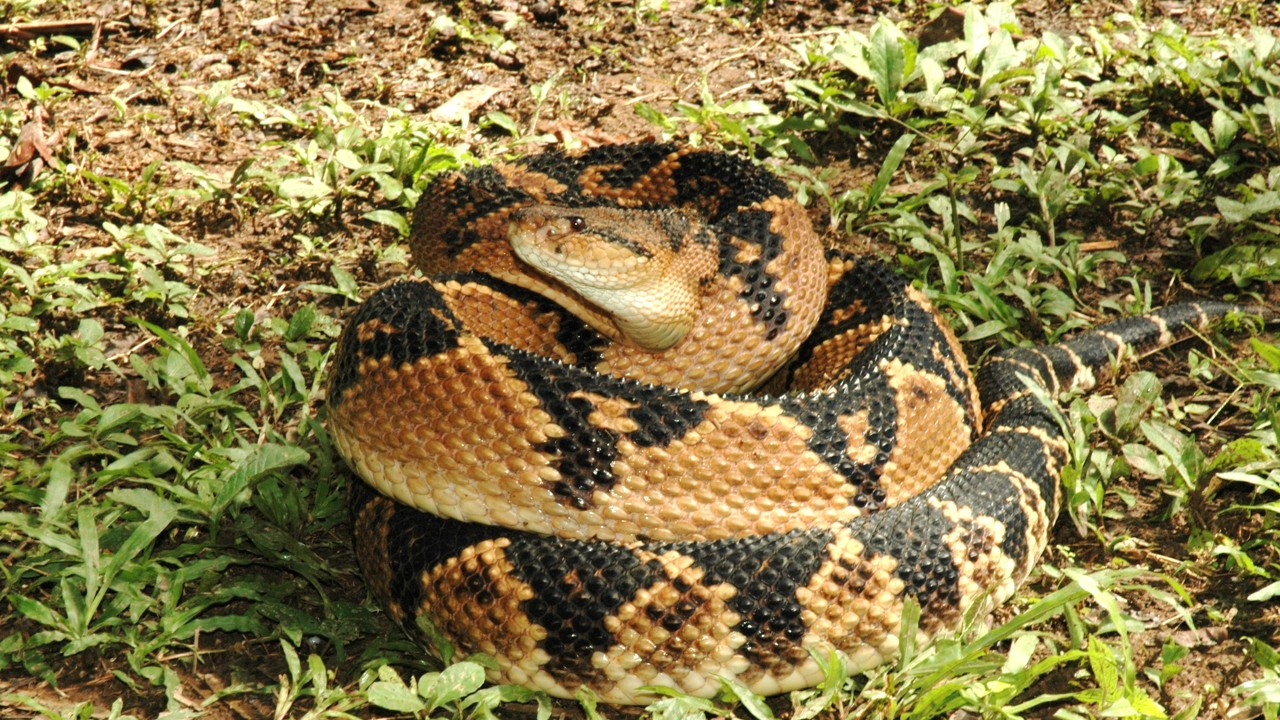
Some Snakes Have Venom Capable of Killing a Human in a Few Hours; Others Are Not the Most Toxic, but Lead in Number of Attacks
The planet is home to hundreds of species of snakes, but only a portion of them is considered truly dangerous to humans. The risk is not only in the potency of the venom but also in aggressive behavior, the amount of venom injected, and the frequency of contact with people.
Inland Taipan: The Most Venomous Snake in the World

Known as the Inland Taipan, this Australian snake is considered the most venomous snake on the planet. A single bite has enough venom to kill dozens of adult people.
-
Helicopter Drops 180 Tons of Sand and Gravel on Swedish River to Revive Ecosystem Damaged by Decades of Exploitation

-
Brazilian Company Launches Retro Smartphone with 48 MP Camera, T9 Keyboard, and Privacy Features for Social Media-Free Use

-
Self-Taught Chinese Farmer Builds 5-Ton Submarine from Scrap, Launches It in Anhui River
-
Invisible Induction Technology Enables Wireless Power for Blenders, Coffee Makers, and Air Fryers, Reducing Countertop Cables





Despite its extreme toxicity, the real risk is lower because the species lives in remote areas and has relatively discreet behavior. Death cases are rare precisely due to the low interaction with humans.
Black Mamba: Speed, Aggressiveness, and Neurotoxic Venom
The black mamba from Africa is one of the most feared snakes in the world. Besides its highly potent venom, it stands out for:
- Impressive speed
- Aggressive defensive behavior
- Ability to deliver multiple bites in succession
Without quick treatment, neurotoxic venom can lead to death in a few hours, which explains its deadly reputation.
King Cobra: The Largest Venomous Snake in the World
The king cobra is the largest venomous snake in existence, capable of exceeding 5 meters in length. Its venom is not the strongest, but the amount injected in a single bite is enough to cause respiratory failure.
It is known for its territorial behavior and for attacking when it feels threatened, especially during the breeding season.

Russell’s Viper: The Snake that Kills the Most in the World
Although less famous, the Russell’s viper is noted as one of the main causes of human deaths in the world, especially in South Asia.
The high number of victims is linked to:
- Wide geographical distribution
- Presence in agricultural areas
- Difficult access to antivenom in rural areas
Jararaca: The Most Dangerous Snake in Brazil
In Brazil, the jararaca leads by far in the number of recorded accidents. It is not the most venomous snake in the country, but it is the one that bites humans the most, especially agricultural workers.
Its venom causes:
- Intense pain
- Necrosis at the bite site
- Coagulation disorders
The wide territorial distribution and the adaptation to areas near cities make the jararaca the main threat in the country.

Rattlesnake: Neurotoxic Venom and Risk of Paralysis
The rattlesnake is less common than the jararaca, but its venom is extremely dangerous, affecting the nervous system and muscles.
Bites can cause:
- Muscle paralysis
- Breathing difficulties
- Kidney failure
Despite the famous rattle serving as a warning, accidents continue to occur, especially in pasture and savanna areas.

Jungle Rat Snake: The Largest and One of the Most Feared in Brazil
The jungle rat snake is the largest venomous snake in the Americas. It lives mainly in dense forest areas and has potent venom, in addition to aggressive defensive behavior when surprised.
Although accidents are less frequent, cases tend to be serious, requiring immediate medical attention.
True Coral: Small, Discreet, and Highly Venomous
The true corals draw attention for their vibrant colors. Although they rarely attack, they possess one of the most potent venoms in Brazil, with neurotoxic effects.
The danger lies in the fact that the bite may be somewhat painless at first, delaying the search for medical assistance.

The Most Dangerous Snakes Are Not Always the Most Venomous
Experts explain that the real risk of a snake involves three main factors:
- Potency of the venom
- Amount injected
- Frequency of contact with humans
Therefore, species like the jararaca, even though not the most toxic, rank among the most dangerous in the world in terms of public health impact.
And you, have you been bitten or know someone who has? Leave your comment!




-

-

-

-

5 people reacted to this.