






 Portuguese
  Spanish
 3 min of reading


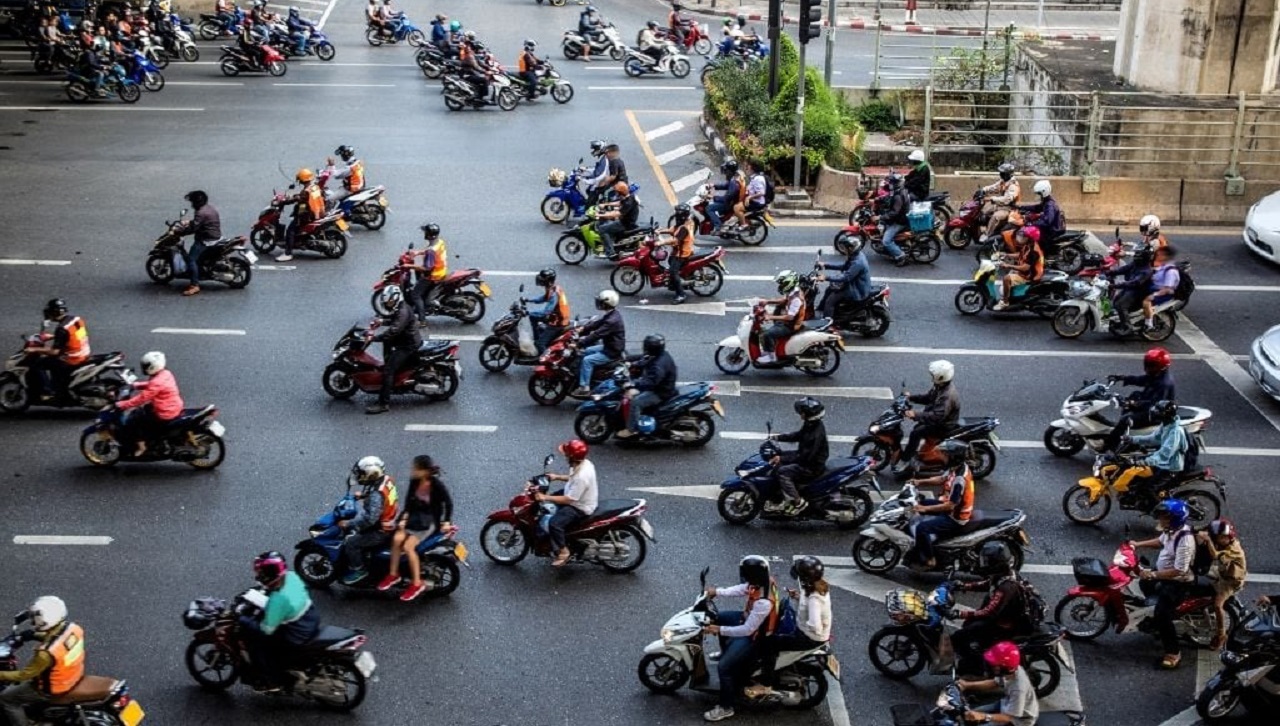
Electromobility Through Electric Motorcycles and Scooters Is Gaining Incredible Numbers Worldwide, and Brazil Is Inevitably Embracing This Trend
Vehicle sharing through apps is becoming increasingly common in large cities, and it is expected that this trend will continue alongside the expansion of the electric vehicle market, which Liga Insights Mobility predicts will grow by 75% globally by 2030, reaching a total market value of US$ 26.6 trillion.
This further demonstrates that electric motorcycles are here to stay. According to the monthly report released by Fenabrave, sales of electric bikes and scooters showed an impressive growth of 346% last year.
As a result of this information and this change in context, we see significant initiatives underway to raise awareness and participation in electric motorcycle sharing services and in the car sharing service, known as nano leasing.
-
Uber Faces Shareholder Scrutiny as Board Accused of Ignoring Safety, Compliance, and Harassment Warnings Amid Over 3,500 U.S. Lawsuits

-
Ferrari’s First Electric Car Divides Fans, Priced at $630,000, Amid Concerns Over Limited Editions; Brand Clarifies It’s Not Just for Future Perks
-
BYD Dolphin Mini: The Electric Car That Defies Depreciation, Losing Only 3.58% in a Year and Becoming the Best-Selling Retail Model Under $22,000

-
Electric Car JAC E-JS4 Loses $19,000 in Value in One Year, Leading Record Depreciation of Used Cars in Brazil Due to Expensive Battery and New Models


Potential of the Electric Motorcycle Sharing System
Investing in the sharing of electric models not only facilitates promised experimentation but also has the potential to positively impact the purchasing process and generate revenue for manufacturers. The investment in motorcycle rental business also benefits from another key ally: convenience.
Charging an electric motorcycle or scooter is much more convenient than charging a car because the batteries can be removed and replaced at a charging station. The device can be fully recharged in seconds, rather than minutes or hours. Honda, for example, has this system in Japan and is currently testing it in Brazil. Battery lockers are common in public and private areas in China and Dubai, including supermarkets and gas stations.
The Big Bet for Electric Motorcycles in São Paulo and Other Regions of Brazil
The bet is that shared electric motorcycles will become the norm in São Paulo and other Brazilian cities in the near future, especially because this is what is expected from our mobility ecosystem and because interest in developing less polluting models, such as trams, is growing both internationally and in Brazil.
In addition, there is the cost-benefit issue; although it is true that combustion vehicles currently have a better price than electric motorcycles and cars, the savings for the rider who opts for an electric motorcycle are significant, as every R$ 8 in gasoline equates to the distance that can be covered with just R$ 1 in electricity.
And yet, it seems undeniable that the electric industry, particularly motorcycles and scooters, will begin to attract more and more enthusiasts in urban areas, investing in technology, infrastructure, and especially government incentives and regulations, which are increasingly pressing. Do you share my optimism for a fully electrified Brazil?
Data and sources of the text | *Guilherme Cavalcante is the CEO and founder of the app UCorp. The executive has become an expert in developing business models and digital products focusing on mobility. Guilherme holds a degree in Technology and Digital Media from the Pontifical Catholic University of São Paulo (PUC) and has post-graduates in Special Project Design (BAU-Barcelona) and Market Intelligence (University of São Paulo – USP).





Be the first to react!