






 Portuguese
  Spanish
  2 min of reading
  0 comments


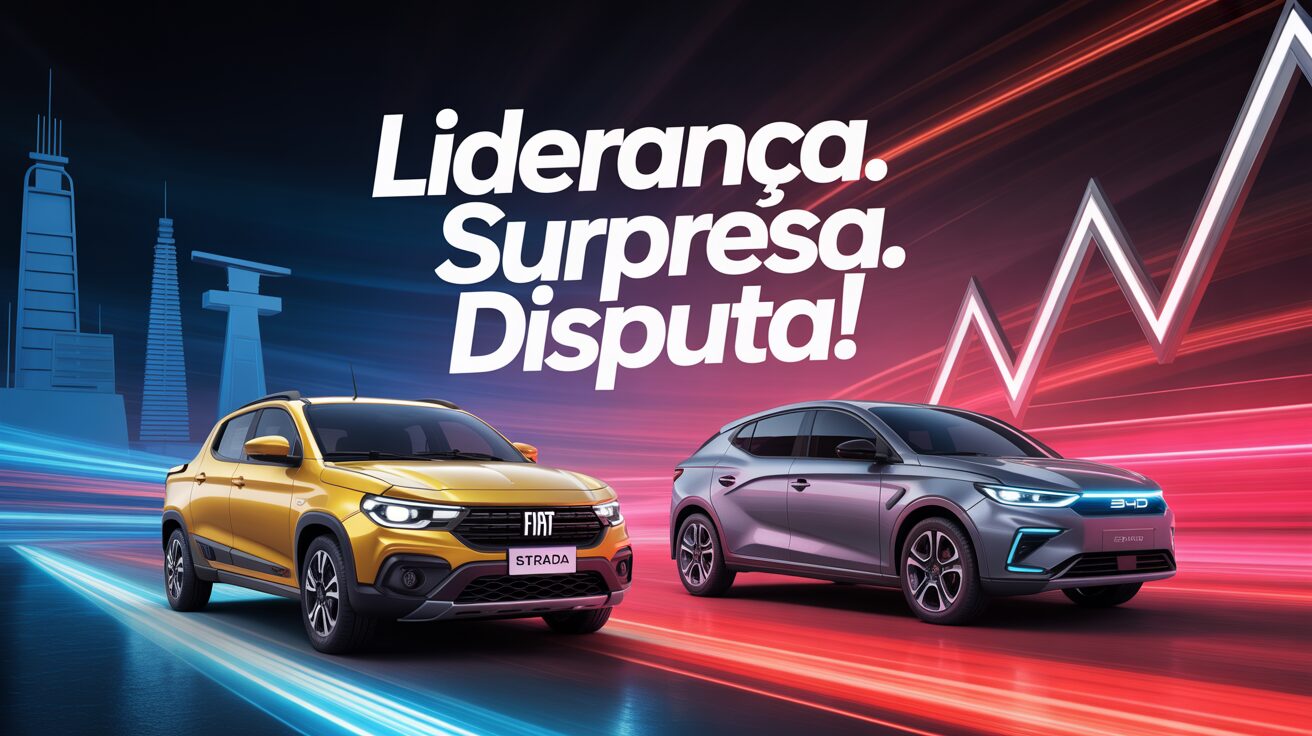
The Brazilian Automotive Market Experienced Significant Changes in 2024, with the Leadership Reaffirmed by Fiat and the Surprising Advance of Chinese Brands, Indicating a New Competitive Scenario That Should Impact Sales in the Coming Years.
Fiat Maintains Absolute Leadership in the Brazilian Market
The Fiat Consolidated Its Leadership in the Brazilian Automotive Market in 2024, with 521,282 Vehicles Sold, Representing 20.9% Market Share.
This Performance Marked the Fourth Consecutive Year That the Italian Automaker Leads Sales in the Country, Surpassing the Second Place, Volkswagen, Which Registered 400,414 Units Sold (16.1% Share), and the Third, Chevrolet, with 314,956 Units (12.7%).
-
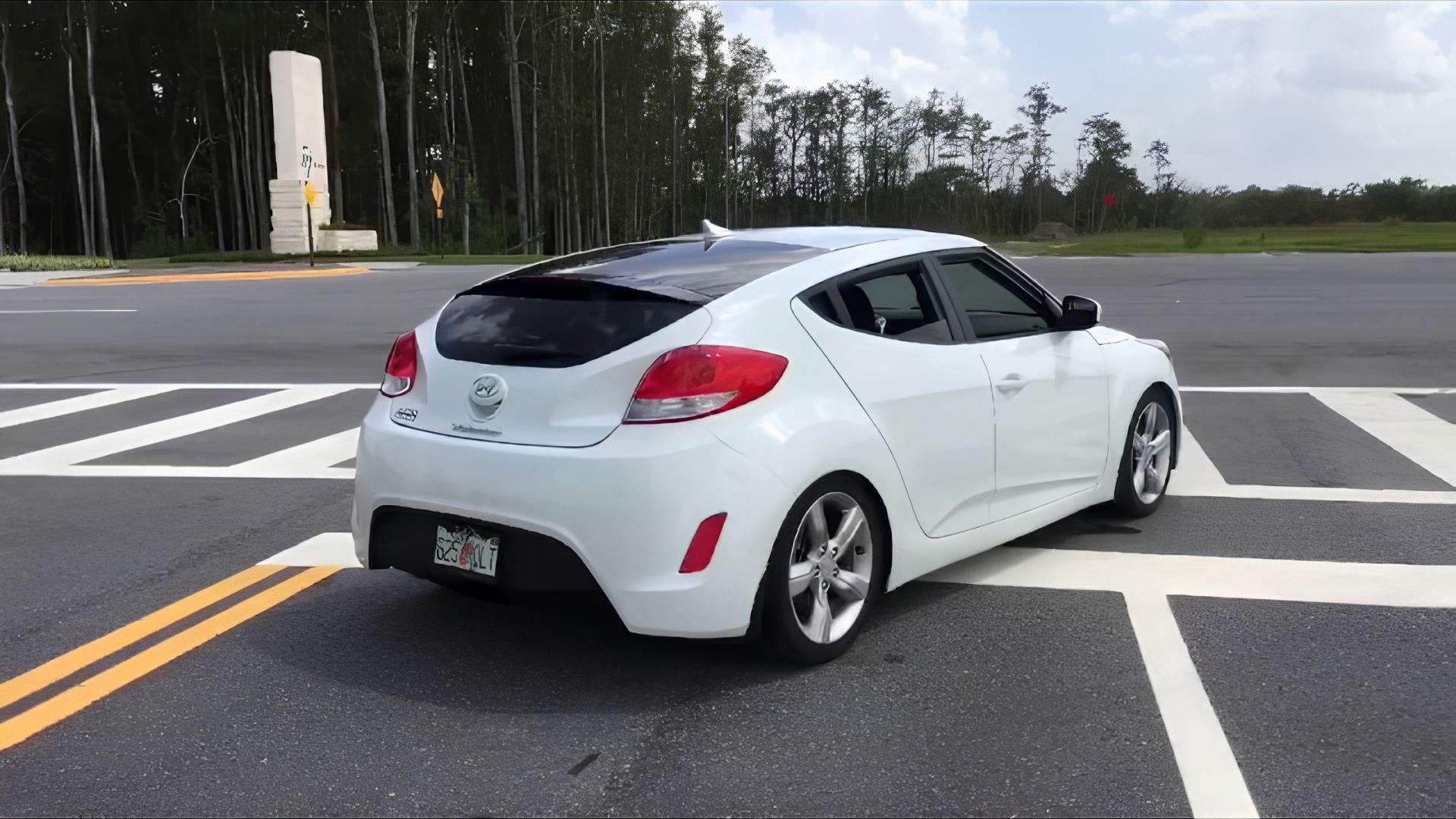
Three doors, concept look, and FIPE value of R$ 62,524: The 2013 Hyundai Veloster delivers a 1.6 engine with 140 hp, a 6-speed automatic transmission, and a design that still seems too strange to go unnoticed.

-
A Land Rover that used to do 1.8 km per liter now does 8 km per liter after a 34-year-old Kenyan engineer installed an ECU he designed himself, which is already being ordered from Zambia, Canada, and Pakistan.
-
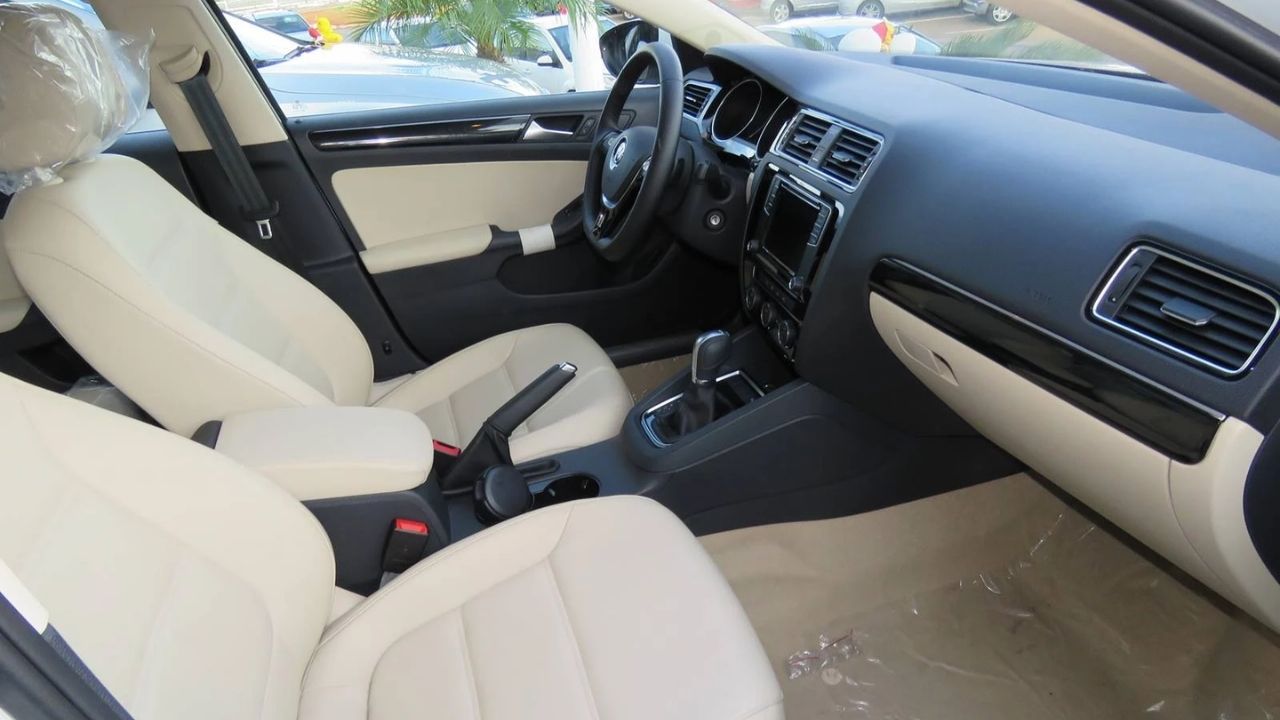
Cheaper than new HB20, Onix, and Argo, this German sedan offers a 510-liter trunk, a 2.0 naturally aspirated engine, a 6-speed Tiptronic automatic transmission, and well-known mechanics; the 2016 Volkswagen Jetta Comfortline still attracts attention in the used market.

-
A mechanic opened the engine compartment of an 11-year-old Ford to replace a part and found a wallet with money, gift cards, and the badge of the worker who had assembled that car at the factory.


Fiat’s Success Was Driven by Models Like the Strada Pickup, the Argo Hatch, and the Mobi Subcompact, Which Were Among the Best-Selling Vehicles of the Year.
BYD Enters the Top 10 and Leads Electric Vehicle Sales
The Chinese Automaker BYD Achieved a Significant Milestone in 2024, Entering the Top 10 of the Best-Selling Brands in Brazil for the First Time, with 76,811 Units Registered.
This Growth Represented an Increase of 328.2% Compared to the Previous Year, Establishing BYD as a Leader in the Electric Vehicle Segment, with 71.2% Market Share and 43,726 Units Sold.
Models Like the Dolphin Mini and the Song Plus Were the Main Contributors to This Performance, Offering Affordable and Efficient Options for Brazilian Consumers.
Honda Surpasses Nissan; CAOA Chery and GWM Also Stand Out
The Honda Recorded Growth in Sales in 2024, with 91,450 Units Sold, Surpassing Nissan, Which Had 87,434 Units Registered.
CAOA Chery Also Showed Notable Performance, Selling 60,929 Vehicles, an Increase of Almost 94% Compared to 2023.
GWM, Another Chinese Automaker, Sold 29,219 Units, Standing Out in the Hybrid and Electric Vehicle Segment.
The Brazilian Automotive Market Grows 14% in 2024
The Brazilian Automotive Market Registered a Growth of 14% in 2024, with 2,484,740 Vehicles Sold, Exceeding the 2,179,292 Units Sold in 2023.
This Increase Reflects the Recovery of Consumer Confidence and the Adaptation of Automakers to New Market Demands, Including the Offering of More Sustainable and Technologically Advanced Vehicles.
Ranking of the 10 Best-Selling Brands in 2024
- Fiat – 521,282 Units
- Volkswagen – 400,414 Units
- Chevrolet – 314,956 Units
- Hyundai – 206,029 Units
- Toyota – 203,793 Units
- Renault – 139,288 Units
- Jeep – 121,287 Units
- Honda – 91,450 Units
- Nissan – 87,434 Units
- BYD – 76,811 Units
The Year 2024 Was Marked by Fiat’s Consolidation as Market Leader and the Rise of New Brands, Like BYD, Which Brought Innovation and Sustainability to the Brazilian Automotive Sector.
With the Growth of Electric and Hybrid Vehicle Sales, the Market Demonstrates a Clear Trend of Transformation, Driven by Consumer Demand for More Eco-Friendly and Efficient Options.
Automakers That Adapt to These Changes Will Have Greater Chances of Success in the Coming Years.



Be the first to react!