Portuguese
  Spanish


The newspaper delivery boy Silmo Lourenço de Ávila went through metallurgy, the 2019 crisis, and internet kits before creating livestock machines in Brazilian agribusiness. The story shows how practical learning, online sales, and listening to producers helped rebuild his gaucho industry with 215 people in the current field.
The newspaper delivery boy who started working at the age of 12 became the entrepreneur Silmo de Ávila, known in Brazilian agribusiness for his journey linked to metallurgy and livestock machines. The story was told by him on the MFC podcast, from MF Rural, in Marília.
Born in Rio Grande do Sul, Silmo recounted a journey marked by childhood in the city, a desire for the countryside, time at the family farm, learning within a metallurgical industry, a business crisis in 2019, and a comeback with internet kits until the consolidation of Agross do Brasil.
The first job was born after a school failure
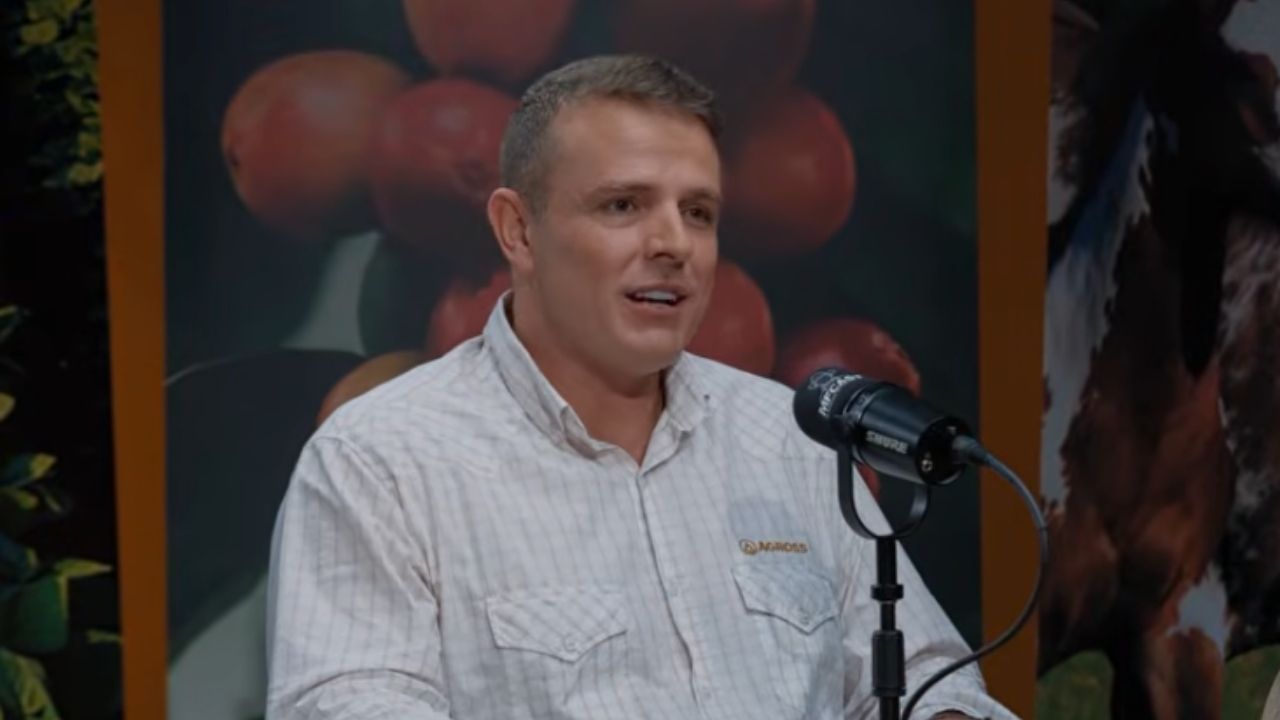
The professional story of Silmo began early. After failing the sixth grade, he heard from his father that he would need to work. Still a boy, he approached a neighbor who owned a newspaper and got his first job in the city.
-
Brazil’s BNDES Funded Metro and Steel Plant Projects in Venezuela with Brazilian Support

-
Abandoned Building in Brazil to Become Biotechnology Unit with $10 Million Investment, Bridging Science, Industry, and Public Health
-
Company Offering “Stones to Diamonds” Scheme Sells Ruined Italian Homes to Brazilians for 1 Euro, Disappears with Promised Renovations, Leaving Buyers in Debt to Italian Tax Authorities Until 2028 Without Property

-
Plastic Packaging Drives Santa Catarina Industry to 230% Growth, Aiming for R$ 500 Million by 2030 Amid Sector Crisis, with New Gearless Line Expanding in Southern Brazil to Compete in South America




At 12 years old, he became a newspaper delivery boy. The job, initially simple, took on a new meaning when he started reading the headlines before going out on the street. In a short time, he stopped just delivering copies and also started selling newspapers, increasing his own income.
From biking through the streets to an interest in the news
Silmo recounted that he cycled through the city delivering newspapers and began to notice people’s interest in the headlines. When someone asked what had happened, he used the news as a sales argument.
The result was unexpected. According to the account, he even earned more money selling newspapers as a teenager than just making deliveries. It was there that the former newspaper delivery boy learned, in practice, to spot opportunities, approach people, and turn conversation into sales.
The farm appeared later, but not everything fit at first
Although the countryside always had a strong presence in his life, Silmo did not spend his entire childhood on the farm. He grew up in the city, but his father had ties to poultry farming and agriculture, which fueled his desire to experience agriculture up close.
When he finally went to work with his father, he encountered a tough routine. There was planting, dairy farming, animal care, and manual tasks. Silmo liked the countryside but began to question the old methods and sought ways to make the work more productive.
Carts for treating cows anticipated the improvement mindset
A significant episode was the attempt to change the way cows were treated. He realized that using carts could reduce hours of effort in daily management, replacing part of the heavy work done with baskets and forks.
The idea was not well received by his father at first. Even so, Silmo went ahead and bought carts to test the process, reducing the time spent on care. The experience revealed a trait that would later appear in the industry: looking at a common routine and trying to redesign it with efficiency.
Metalworking became a school for those who didn’t know how to weld
After leaving the farm, Silmo joined a machinery industry linked to agriculture. In the interview, he admitted he didn’t know metalworking but claimed he would learn quickly. He started at the bottom, removing welding splatters from parts.
From there, he moved through welding, assembly, drilling, turning, and toolmaking. He learned by observing colleagues, testing processes, and asking for more work when he was idle. The metalworking shop became a practical school where he built the technical foundation that would later support his own industry.
The dream of the industry arose within the factory
As he got to know the departments, Silmo realized that the factory produced machines used in the field. The connection between industry and agriculture resonated with him. The former newspaper delivery boy saw a path there to unite his passion for agriculture with the mechanical skills he was developing.
According to the account, early in his industrial experience, he decided that one day he would have an industry. The goal was not just to manufacture parts but to build solutions that made sense for those living the rural routine.
Crooked wheels paved the way for the first business
The entrepreneurial turnaround began in an unlikely way. Silmo bought crooked wheels, repaired, painted, and put them on his Brasília. When the wheels caught attention, the chance arose to sell the set for a high value for his reality at the time.
After that, he sought more damaged wheels and realized an opportunity. With access to a lathe and technical knowledge, he began repairing wheels and providing services. What seemed like improvisation became the gateway to a workshop and the first clients.
The workshop grew with a lathe, SENAI, and outsourcing
The journey advanced when Silmo managed to buy machines, even facing financial difficulties. Then, the opportunity arose to teach a mechanical lathe course through SENAI, which helped to boost the workshop and train the workforce.
With the visibility of the course and the demand for services, students, clients, and new orders came. Later, the former company where he had worked began outsourcing parts with his workshop. Tornitec grew by manufacturing components for agro industries and expanded its presence in the metallurgical sector.
The 2019 collapse almost ended the industrial dream
The growth, however, did not prevent a severe crisis. Silmo reported that in 2019, he concentrated sales on two major clients who offered better margins. When both went bankrupt, the company was also affected.
According to him, the default consumed more than his working capital and reduced a large part of the revenue. The situation led to a moment of strong personal discouragement and the idea of dismantling the industry. The dream built since youth seemed close to ending.
Kits sold online gave oxygen to the business
The recovery began when Silmo decided to resurrect an old product: a kit related to planting. Without funds to produce beforehand, he used online sales as a solution, receiving payment first to then manufacture and deliver.
The result came quickly. According to his account, in one week there were R$ 100,000 in kits sold. The internet, which might seem distant from the traditional metallurgical industry, became a survival channel and helped the company breathe during the crisis.
Livestock machines emerged from observation in the field
After the kits, Silmo realized he needed a more structured line. Having known livestock farming since his youth, he decided to look into machines used in animal care. He visited properties, listened to producers, and identified positive points, flaws, and needs of the available equipment.
The creation of the first livestock machines was born from this direct listening. He utilized parts, studied demands, and took prototypes to the field. The breakthrough came not only from the metalworking shop but from the ability to listen to the producer and translate the farm’s pain into equipment.
Tornitec was left in the past and Agross gained strength
With the advancement of machines, the name Agross began to gain strength. Initially, according to the account, Agross was the name of the equipment, but the team’s identification with the brand made the name grow until it replaced Tornitec.
The brand became Agross do Brasil. Silmo explained that the duplicated “S” relates to his family history, involving his own name, his father, and his son. The name change also marked a change in positioning: from a parts supplier to an industry of solutions focused on agriculture.
From city boy to entrepreneur with 215 people in agriculture
The journey of Silmo de Ávila includes passages that seem disconnected: newspaper, slaughterhouse, farm, metalworking, crooked wheels, technical course, financial crisis, online sales, and livestock machines. But together, they form a clear line of practical learning.
Today, according to his account on the podcast, the operation has 215 people working in the business. The former newspaper delivery boy turned necessity, curiosity, and persistence into an industry connected to Brazilian agriculture.
A story of downfall, reinvention, and listening to the producer
The story of Silmo de Ávila shows that entrepreneurship in agriculture doesn’t always start with great planning. In his case, it began with the need to work early, went through the bicycle of a newspaper delivery boy, gained technique in the metalworking shop, and survived an almost definitive collapse in 2019.
The turnaround came when he returned to selling, listened to the producer, and transformed field knowledge into livestock machines. Do you believe that stories like Silmo’s prove that practice still teaches more than any classroom, or without formal study, is it more difficult to scale a business in agriculture? Share your opinion.