Portuguese
  Spanish


Learn how astronauts deal with the effects of radiation, bone loss, and isolation. Understand the risks of long-duration space missions on the human body.
The survival of the human species outside Earth depends on a deep understanding of how the vacuum and weightlessness alter our fundamental biology. According to NASA data updated in 2024, planning trips to Mars and the Moon has brought to light some critical dangers that astronauts face: variable gravitational fields, intense space radiation, social isolation, great distances from Earth, and living in closed and hostile environments.
These conditions force the body to adapt in ways that challenge current medicine, making each mission a laboratory of physical and mental endurance.
Immunity and the danger of microorganisms in orbit
One of the less visible, yet most dangerous aspects of life in spacecraft is the alteration of the defense system. In sealed habitats, the human body shows a greater susceptibility to diseases and allergies, partly due to increased stress hormones, which suppress immunity.
-
France Constructs 900-Meter Sea Wall in Brest, Expands Port by 14 Hectares for Marine Renewable Energy Hub

-
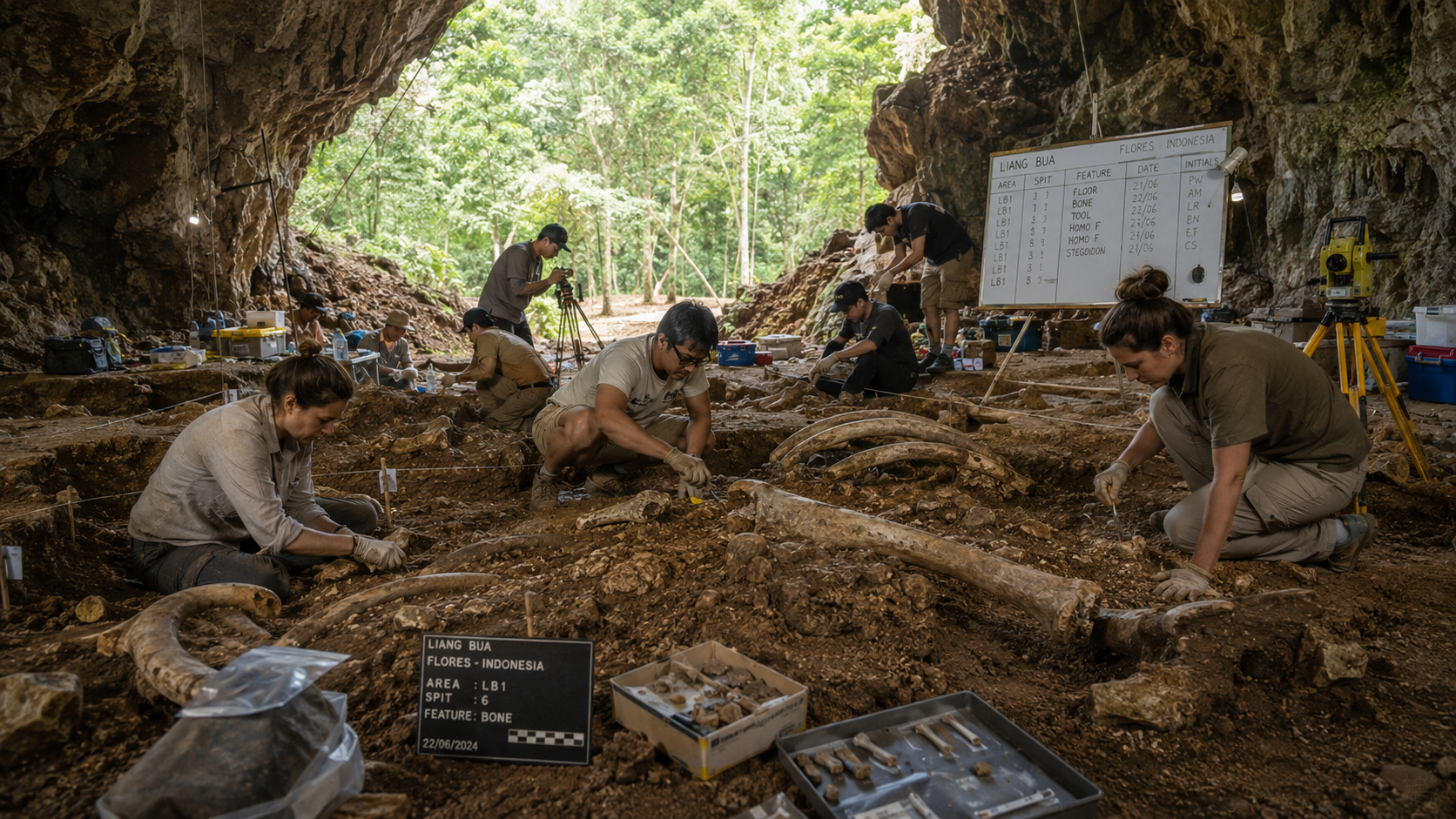
New Discovery Suggests Prehistoric “Hobbits” May Have Survived on Komodo Dragon Remains

-
Tiny 10-centimeter fish in Brazilian reservoirs may play a surprising role in reducing methane emissions, scientists find.
-
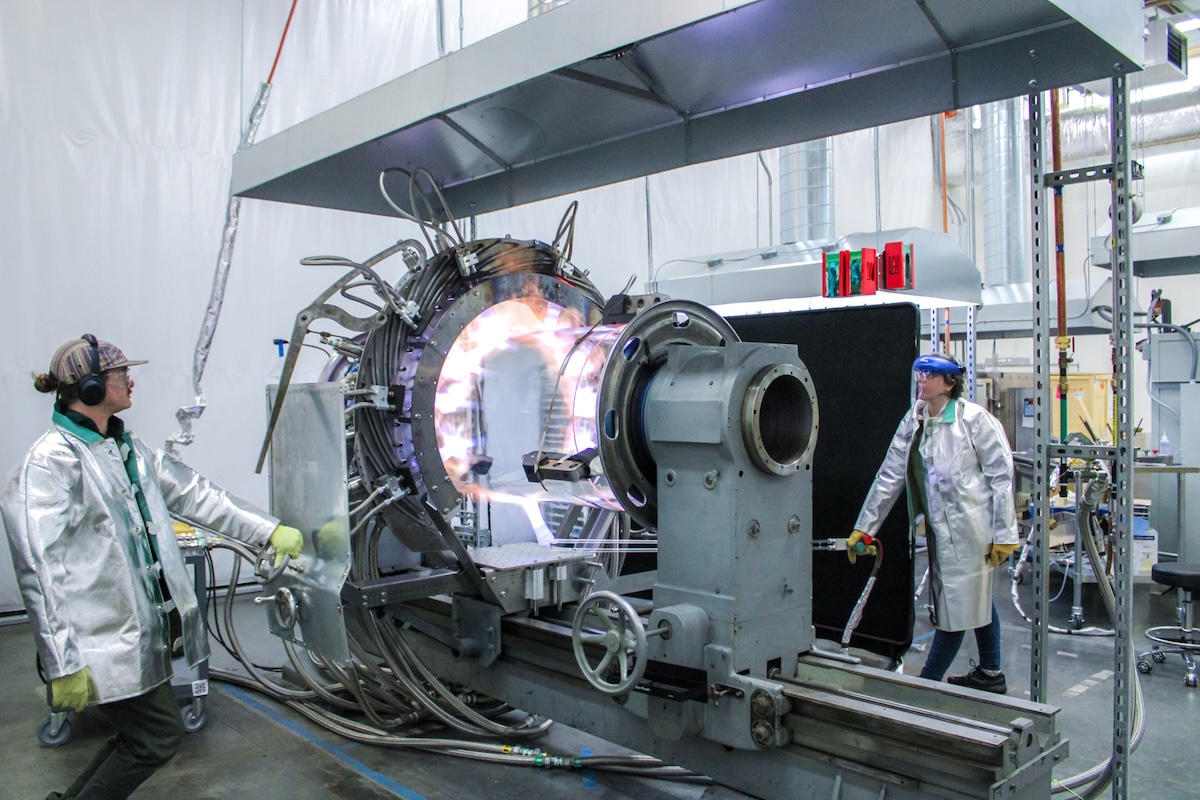
ChatGPT Creator Bets Big on Fusion Energy Machine Promising Unlimited Power for Microsoft by 2028, But Physicists Skeptical



Moreover, science warns that microbes and microorganisms can change their genetic characteristics in space. In confined environments, such as the Space Station, the transfer of these agents between astronauts happens much more easily.
Combined with the altered immune system, this factor turns simple infections into potential risks for the success of prolonged missions.
Effects of gravity on astronauts’ bodies
The absence of Earth’s pull has a direct impact on the solid structure of our body. Without the need to support weight against the ground, bones and muscles begin to degrade in an accelerated process of disuse.
- Bone Degradation: There is a significant loss of mineral density, increasing the risk of fractures.
- Kidney Problems: The excretion of calcium from the bones into the bloodstream, combined with dehydration, facilitates the formation of kidney stones.
- Muscle Atrophy: Muscles weaken rapidly, requiring crew members to maintain strict diets and daily exercise.
- Balance and Coordination: When changing gravity, spatial orientation and hand-eye coordination are seriously impaired, causing dizziness and disorientation.
The psychological challenge of isolation and confinement
Being confined in a limited space, far from friends and family for months, directly affects mental health. Isolation can disrupt the circadian rhythm — the biological cycle of sleep and wakefulness — which impacts rest, motivation, and even astronauts’ reasoning ability.
To deal with these behavioral disorders, NASA selects and trains its crews with a focus on emotional intelligence and teamwork.

The goal is to prevent the stress of confinement from impairing the mission’s functioning. The agency emphasizes that these effects vary according to the duration of the trip, with psychological support being a key piece for the success of future expeditions to Mars.
Radiation and the long-term impacts on astronauts’ health
Unlike us, protected by Earth’s magnetic field, astronauts are exposed to extremely high levels of radiation in the vacuum. Although radiation on Earth is already associated with diseases such as cataracts and heart problems, in space the risks become chronic.
Continuous exposure drastically increases the chances of developing cancer and degenerative diseases. Therefore, science works to monitor the visual and cardiovascular health of crew members, trying to mitigate the consequences that only appear years after returning to Earth’s surface.
The transition back to a gravitational environment, such as landing on a planet or returning to Earth, reveals the fragility of the organism after the flight.
Many suffer from orthostatic intolerance, a condition in which the body cannot maintain blood pressure when standing up, resulting in fainting and imbalance. Currently, space agencies around the world mobilize the brightest minds to solve these dilemmas.
Understanding how the effects affect the bodies of astronauts is the only way to transform the science fiction of colonizing other planets into a safe and sustainable reality for humanity.
Source: National Geographic Brasil