






 Portuguese
  Spanish


In the southwest of Morocco, where it rains less than 130 millimeters per year, the NGO Dar Si Hmad and families from Berber villages hung giant nets on top of Mount Boutmezguida and started collecting up to 37,400 liters of potable water per day from the fog rising from the Atlantic Ocean. The system, set up over the 2010s and expanded in 2018, is now considered one of the largest fog collectors on the planet, providing piped supply to about a thousand residents of the Sidi Ifni region who previously depended on increasingly dry wells.
The setup on the slope consists of dozens of mesh panels totaling 1,700 square meters, an area equivalent to more than three football fields, and is capable of producing about 37,400 liters on a single day of heavy fog. Each square meter of screen can yield between 6 and 22 liters per day, depending on the season, and the supply ensures around 18 liters daily for each inhabitant, more than double the 8 liters families had access to before. The technology, named CloudFisher, was designed by German engineer Peter Trautwein, director of the company Aqualonis. A report by PBS NewsHour shows that the project, directed by anthropologist Jamila Bargach, covers a mountain swept by mist for about half of the year, in an area that receives only five inches of rain, and transformed the routine of women who previously walked hours to fill buckets.
The idea seems new, but it was born on the other side of the world, in the Atacama Desert in Chile, considered one of the driest places on Earth. It was there, in the village of El Tofo, that scientists tested the first large screens to capture the coastal mist that Chileans call camanchaca in the late 1980s. The technique, now known as fog harvesting, spread through Peru, Mexico, and other arid regions, but it was in Morocco that it gained the largest scale ever seen, proving that it is possible to extract potable liquid from the air in a place where it almost never rains. What began as an academic experiment became a lifeline for entire communities, and the fog, once just a veil covering the mountains, started to be treated as a harvest.
The desert where rain almost never arrives
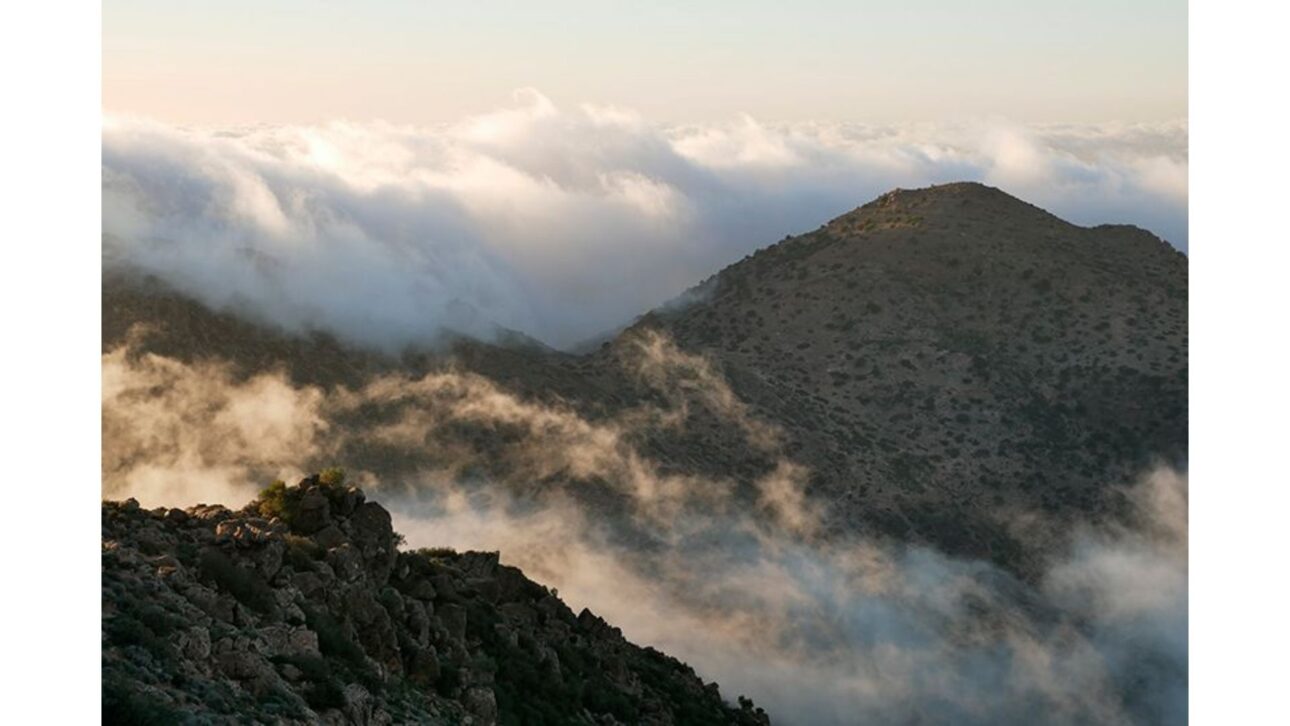
Few places in the world are as hostile to life as the slopes of the Anti-Atlas in southwestern Morocco. The region of Sidi Ifni, where Mount Boutmezguida is located, receives less than 130 millimeters of rain per year, and the advance of desertification pushes families into a daily struggle for every drop. The wells that sustained the Berber villages dry up season after season, and chronic drought adds to climate change to make water a rare and expensive commodity.
-
Why did a company that was already earning US$ 1 million decide to completely change its strategy? The answer begins with used bottles, worms, and an unexpected decision.

-
Young people from Minas created a robot without screws or metal parts, betting on a strong and flexible structure to compete against a thousand teams in Houston and took Brazil to the top of world robotics for the first time; Sofia, 15, also made history with an unprecedented leadership award.

-
Detectorist found a 900-year-old silver coin
-
A newly discovered caterpillar in Hawaii wears the remains of its prey that it devoured as a macabre armor, stitching bones and insect shells to its own back for camouflage.


In this scenario, the highest price was paid by women and girls. It was up to them to descend and ascend dirt trails carrying jugs, often for hours, until they found a well still with a little liquid. The time lost on these walks stole hours of study from the girls and work from the mothers, in a cycle that trapped entire communities in poverty. There was a lack of resources for drinking, cooking, for the animals, and for the small garden.
The paradox is that even in that arid land, the mountain air is not completely dry. For much of the year, a dense fog from the Atlantic, about 35 kilometers away, covers the top of Boutmezguida. This fog carries billions of tiny droplets, too light to become rain, which simply pass over the ridge and are lost in the wind. The question that drove the project was simple: what if it were possible to sieve the fog and capture the moisture it carries?
How to ‘fish’ water from fog
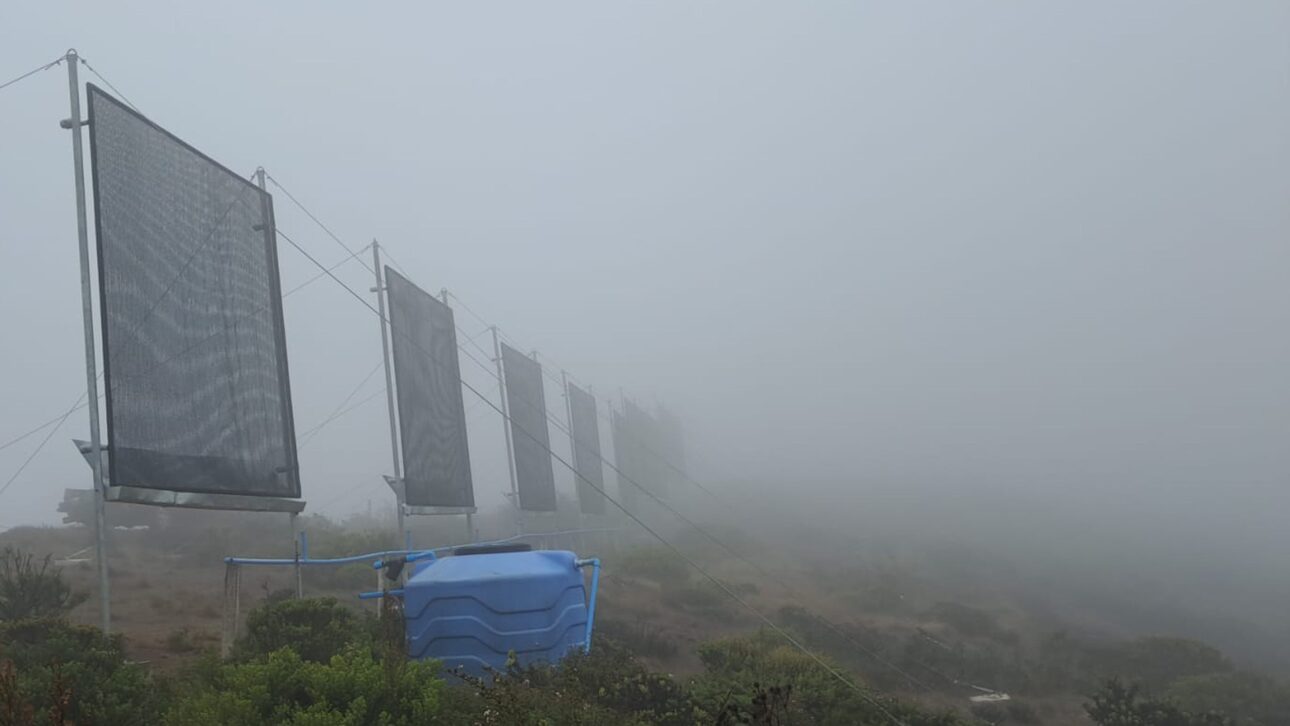
The secret lies in large vertical screens of fine mesh, similar to volleyball nets or advertising screens, placed exactly on the ridges where the fog usually passes. When the mist passes through these nets, the suspended droplets collide with the threads, merge, and grow until they are heavy enough to drip. Gravity does the rest: the liquid flows down gutters at the base of the screens and follows pipes to storage tanks at the foot of the mountain.
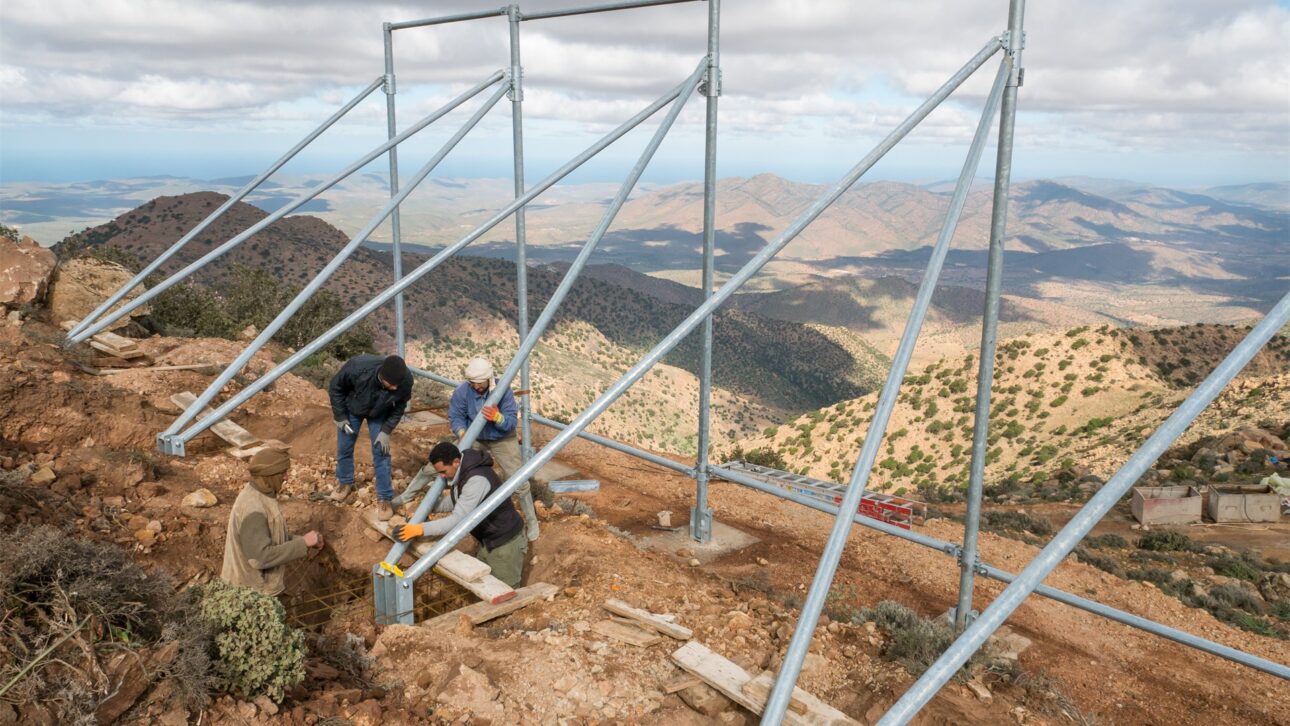
The first versions used the so-called Raschel mesh, a cheap plastic fabric also used in plantation shade nets. In Morocco, the evolution came with CloudFisher collectors, designed to withstand strong winds that tore the old screens. Each panel works like a fog sieve: the denser the mist and the more constant the wind, the more liters the screen can extract from the air. Once collected, the moisture undergoes filtration and mineralization before reaching the taps, making it suitable for consumption.
What is impressive is the simplicity. There are no expensive pumps or electricity at the heart of the system, as gravity itself conducts the resource down the mountain. The fog collectors do not depend on rivers, rain, or underground aquifers, only on the meeting between ocean moisture and the cold of the mountains. It is a low-cost engineering solution to a problem that deep well drilling cannot always address.
The women who spent hours every day fetching water
Leading the project is Moroccan anthropologist Jamila Bargach, who directs the NGO Dar Si Hmad. She was the one who helped convince the initially skeptical villages that those strange screens on the mountain top would indeed bring water supply into their homes. “Having water radically transformed the lives of women, who previously walked hours to get the liquid,” summarizes the director, explaining the social reach of the project.
The impact went deeper than the number of liters suggests. With the supply reaching homes through pipes, girls returned to school regularly, and mothers gained time for other tasks. The fog, transformed into running water in the taps, gave back hours of life to each family. In several villages, residents report having regained much of the productive day that was previously lost in trips to and from the well.
Dar Si Hmad did not stop at engineering. The organization created a sort of “water school” to teach communities how to care for the screens and manage consumption and began training local residents for the maintenance of the collectors. The idea is that the technology does not depend on outside technicians and that the villages themselves own the system. Thus, the fog became not only a source of drinking water but also of autonomy.
From Mount Boutmezguida to the Village Faucets
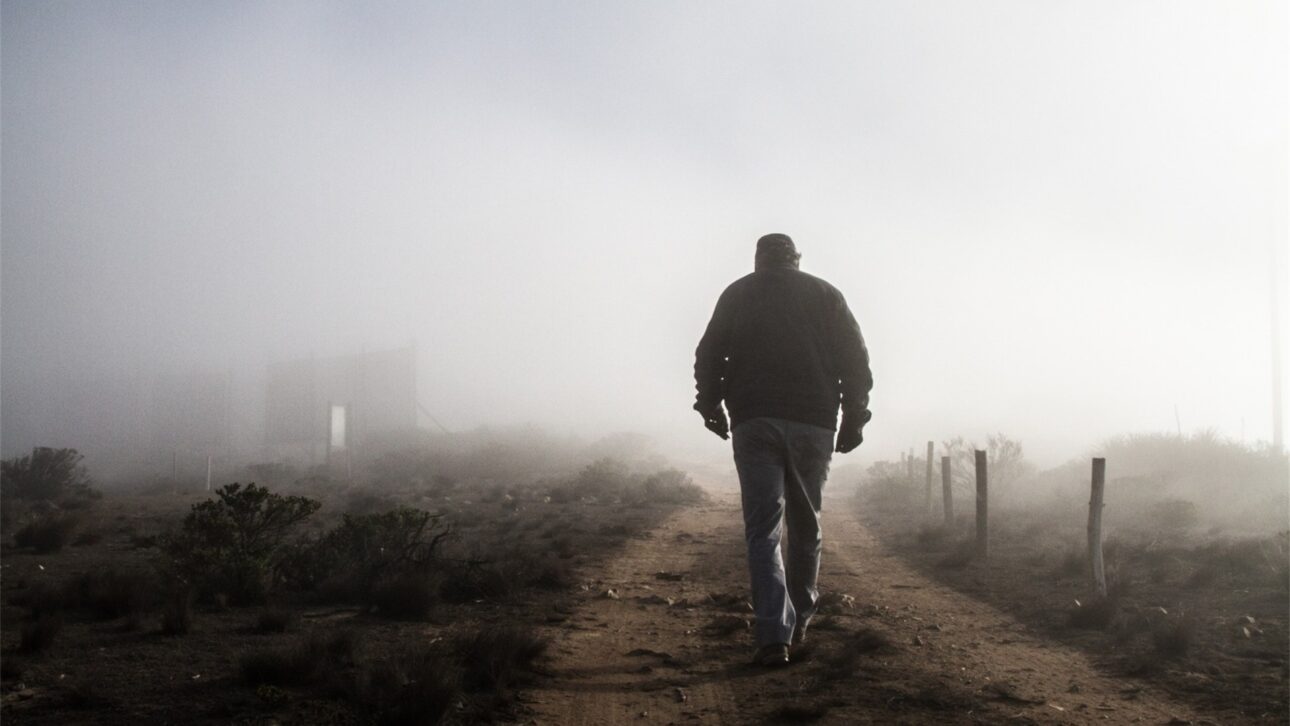
In practice, the Moroccan system is now one of the largest fog collectors in the world. There are dozens of panels totaling 1,700 square meters of mesh installed at the top of Mount Boutmezguida, over 1,200 meters above sea level, from where the supply descends through more than ten kilometers of piping to the villages. On a good foggy day, the setup can yield the 37,400 liters that put the project on the world map of innovation.
This volume supplies around a thousand people spread across various villages in the Sidi Ifni region. Each resident now has about 18 liters of water per day, an amount that seems modest by urban standards but represents more than double what these families had before. In that arid region, the difference between 8 and 18 liters daily is the distance between merely surviving and living with a minimum of dignity.
The cost, although not negligible, is low compared to the alternative. Each CloudFisher collector unit costs around 10.9 thousand euros and, once installed, the screens require little maintenance and no energy bills. For communities that were about to abandon their lands due to lack of resources, the fog collectors have become a concrete reason to stay instead of migrating to the cities.
From Atacama to Morocco: the technique that crossed the world
Long before the Moroccan screens, the Atacama Desert had already shown the way. In that part of Chile, where in some places rain has never been recorded, the coastal mist known as camanchaca rises from the Pacific and covers the hills almost daily. In the late 1980s, in the locality of El Tofo, scientists set up one of the first large-scale fog collection systems on the planet, proving that desert fog could be turned into potable water on a village scale.
From Chile, the technique spread worldwide. Groups like the Canadian organization FogQuest began bringing the nets to arid regions on various continents. In the hills around Lima, Peru, residents use the same meshes to irrigate gardens and reforest slopes with the captured moisture. In the Chilean Atacama, fishing communities managed to grow lettuce, strawberries, and aloe vera supplied solely by the fog passing through the screens.
Anyone interested in learning the details of the largest of these projects can visit the site of Dar Si Hmad itself, which gathers data and stories from the villages served in Morocco. What all these cases have in common is the same lesson: in many deserts, the resource is not completely absent, it is just in the air, waiting for someone who knows how to harvest it. From the Atacama to the Anti-Atlas, fog collectors have become synonymous with hope in places where rain has given up falling.
How much each screen yields and what can still fail
The yield of the nets varies greatly: on a day of thick mist and constant wind, each square meter can deliver more than twenty liters; on a dry day, almost nothing. That is why the most serious projects measure the volume of fog before installing the screens, carefully choosing the ridges where the fog is most reliable. The exact location is everything in this game played on the mountain.
There is still the long-term threat. Climate change can reduce the frequency of fog, alter the size of the droplets, or push the fog layer upwards, beyond the reach of the screens. Very strong winds tear the more fragile meshes, and it was precisely to face this problem that the CloudFisher collectors were reinforced. The technique is simple, but it is not immune to the climate it helps to circumvent.
Even with these limitations, the balance is largely positive. Compared to water trucks, desalination plants, or deep wells, fog collectors are cheap, clean, and easy to maintain. They do not emit carbon, do not deplete aquifers, and can be operated by the community itself. For isolated villages in the middle of the desert, few solutions offer so much for so little as these fine mesh screens.
A simple technology for a giant problem
The Moroccan case draws attention because it happens at a time when water scarcity threatens billions of people on all continents. While large cities invest in expensive desalination projects, villages on top of a desert mountain have found an almost artisanal answer in the fog. The fine mesh nets will not solve the world’s water crisis alone, but they show that there is usable moisture where no one thought to look.
Perhaps the most powerful aspect of this story is the symbolism. Seeing Berber women climbing the mountain not to carry buckets, but to tend to the screens that bring the liquid home, is to see a reversal of destiny. The same fog that for centuries was just a damp nuisance has become the engine of a small silent revolution. And what was once an almost insurmountable desert today has running taps.
If a handful of nets hanging on a mountain can extract 37,400 liters per day from the apparent nothingness of the air, how many other deserts on the planet are, at this very moment, covered by a fog that no one has yet thought to fish?


