






 Portuguese
  Spanish
 4 min of reading


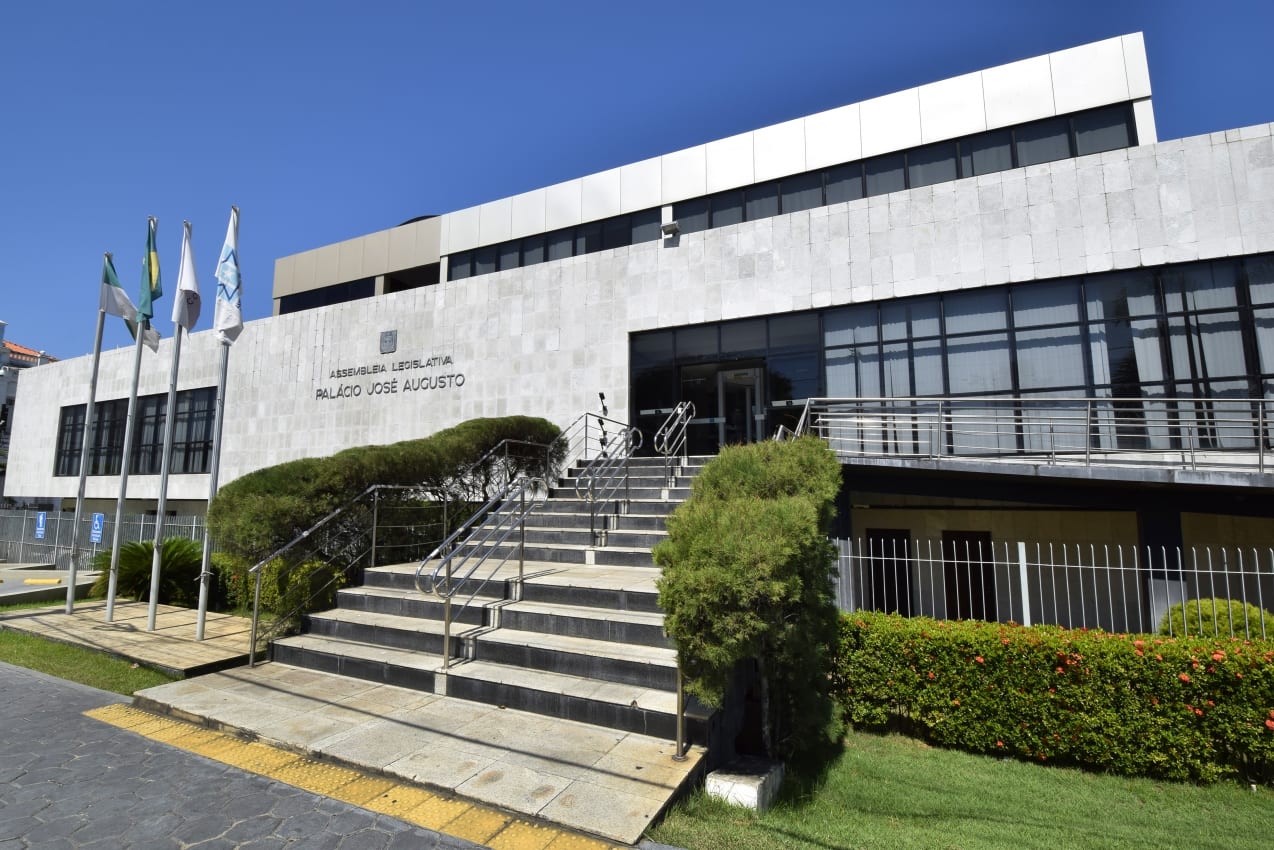
The Public Hearing on the Regulation of the Natural Gas Market in Rio Grande do Norte May Change the Fate of This State.
The new regulation of the natural gas market in Rio Grande do Norte will be discussed in a public hearing next Wednesday, April 27th at 2 PM, in the Cortez Ferreira auditorium at the Legislative Chamber of the State. The aim is to address market opening and potential new business opportunities.
Among the invited guests for the meeting are the Brazilian Association of Independent Oil and Natural Gas Producers (ABPIP), represented by its Executive Secretary Aníbal Santos Júnior and legal advisor Daniela Santos.
In addition, members of the National Agency of Petroleum, Natural Gas and Biofuels (ANP), the Brazilian Association of Large Industrial Energy Consumers and Free Consumers (ABRACE), Potigás, the Ministry of Mines and Energy, the Infrastructure Secretariat of the Government of the State of Bahia, Redepetro RN, Petrobras, 3R Petroleum Oil and Gas S.A., FIERN, the Civil Office of the Government of the State of Rio Grande do Norte, and the State Secretariat for Economic Development of Rio Grande do Norte have also been invited.
-
Brazilian Joins Homeownership Consortium, Faces Decade of Dual Payments Totaling $141,000, Surpassing Traditional Mortgage

-
Land Rover to Halt Production in July, Putting 371 Jobs at Risk, as Chinese Automaker Negotiates to Convert Factory to 100,000 Vehicles Annually by 2027

-
Mexican Pest Threatens U.S. Cattle Herds at Historic Lows, Potentially Boosting Brazilian Beef Exports as Burger Prices Soar

-
Brazilian Freight Bill Progresses in Congress with $5,000 Minimum Wage, 70% Advance Payment, and Fines Up to $1 Million, as Agriculture and Industry Warn of Rising Costs and Legal Uncertainty


Video on the Importance of the New Gas Market from the Ministry of Mines and Energy


Since the opening of the natural gas supply market, consumers have been paying less and less for gas. There has been a reduction of up to 35% in the value of the molecule compared to the prices previously charged by Petrobras, which proves that competition in the sector is beneficial to consumers.
The public hearing aims to adjust the state’s policies regarding Bill 371/21, which establishes the rules related to the local gas supply services, clearly defining the roles of the state and the federal government within this market.
“The initiative to call for the public hearing was very welcome at ABPIP. The state of Rio Grande do Norte has shown concern in hearing the various stakeholders in the oil and gas sector, to present a state law more aligned with the national one, providing a competitive advantage over other states. We hope to reach an understanding at this meeting,” said Santos Jr.
What Does ABPIP Advocate Differently Regarding the Original Project?
The association advocates for some changes in the legislation initially offered by the State, always aiming for increased investments in natural gas in Rio Grande do Norte and a more open market for consumers.
Some of the proposed amendments defended by ABPIP include:
- Adjustments in the definitions of traders.
- Operational agreement.
- Change in the concept of free, partially free, and captive consumers.
- Changes in distribution pipeline regulations.
- Facilitation of local natural gas services.
- Facilitation of the creation of exclusive pipeline systems.
In addition, there are discussions about changes in the rules regarding the Free Market, tariffs, and cost approval, as well as other technical details such as separation of activities and authorization of the trader.
Finally, one of the fundamental points includes the facilitation of issuing the RADA (Environmental Performance Assessment Report), one of the biggest obstacles to operating natural gas competitively in Rio Grande do Norte, as the environmental licensing fees are still the highest in Brazil.
What Are the Expected Impacts of These Changes?
All the modifications that ABPIP will bring to the public hearing on the natural gas market in Rio Grande do Norte are supported by a document that shows the state’s scoring difference in a ranking created by ABRACE.
This ranking indicates how easy it is for a person to join the natural gas market; the higher the score, the easier the adhesion and, consequently, the development of the market.
Under the current law configuration, the State of Rio Grande do Norte would rank tenth in the ranking, with only 34 points out of a possible 100.
With the changes that ABPIP suggests, according to forecasts, it would be possible for the state to reach the top of the ranking, even surpassing Bahia, the current leader with 67 points, reaching a mark of 77 points out of 100 possible.
Logically, there are other points of view on this regulation that will be presented by other invited entities, such as that of Adriano Pires, as reported by journalist Daniel Rittner.
Anyway, after this public hearing, Rio Grande do Norte will have changes in its rules regarding the natural gas market.





Be the first to react!