






 Portuguese
  Spanish


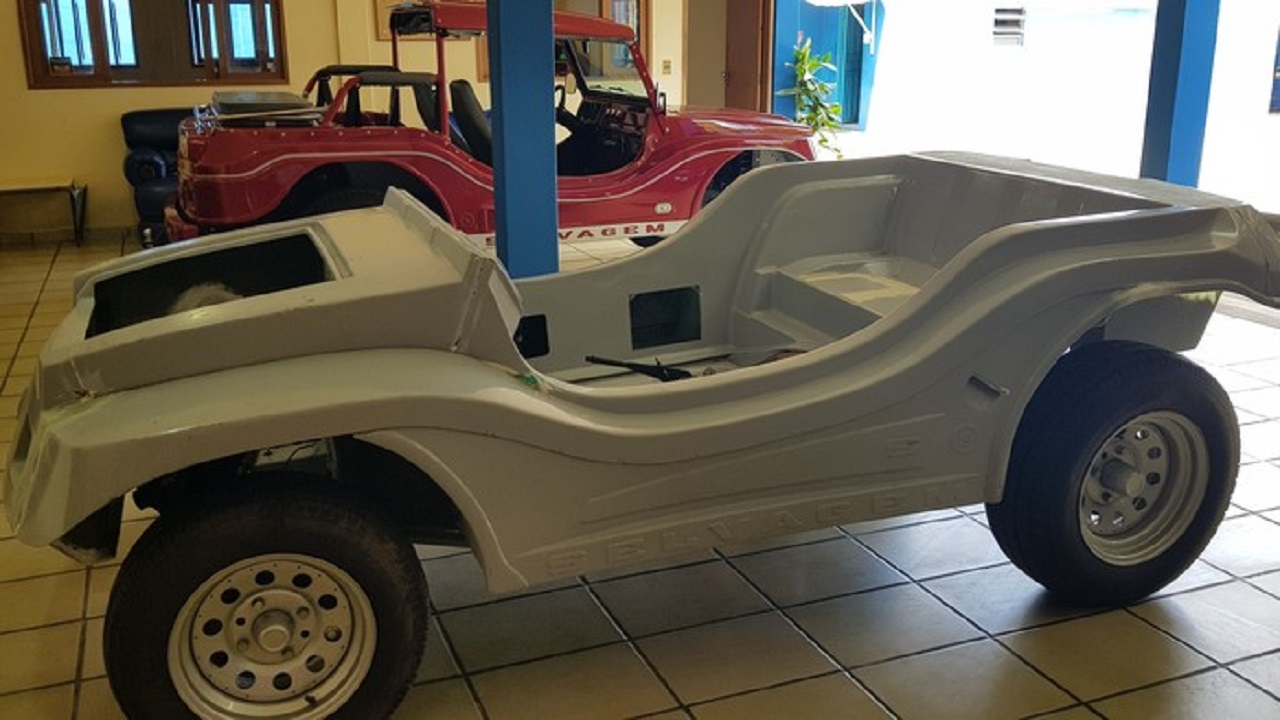
Moving Toward Sustainability, Rio Grande do Norte Is Developing the First Electric Buggy in the Northeast Region. The Model Will Be Created by Senai, UFRN, and Indústria Selvagem
Rio Grande do Norte is leading the way with the production of the new electric buggy. Aiming to emerge in the developing market, the state will be the first in the Northeast region to develop a vehicle that promises a series of rides through the dunes with a 100% electric motor.
Read Also
The Classic Buggy Is Back, but This Time Fully Electrified
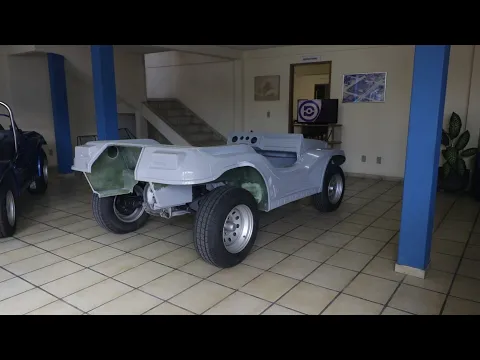

On Thursday (9), a cooperation agreement was signed between Indústria Selvagem and the National Service for Industrial Training (Senai/RN) and Federal University of Rio Grande do Norte to initiate the project for the construction of the Brazilian electric buggy.
The idea is to leverage the 45 years of experience of Indústria Selvagem to initiate the new production model. The expectation is that the first electric buggy in the Northeast will be ready by next year. The development of the electric buggy is part of the Verena Project, from the Chamber of Industry and Commerce of Trier (EIC/Trier), Germany.
-
MIT Scientists Develop Method to Transform CO₂ into a Construction Ally, Boosting Cement Strength by 13% in 24 Hours for More Sustainable Infrastructure

-
Canadian City Builds 8 Tiny Homes in 72 Hours for Homeless Youth, Plans 40 Affordable Houses for Female-Led Families Amid Housing Crisis

-
45-year-old Brazilian mother of 9 and grandmother of 12 receives 27 m² house made from recycled plastic, built in 15 hours with interlocking blocks and a recycled roof.
-
Ireland Installs 654 Modular Homes to Shelter 2,640 Ukrainian War Refugees, Offering a 60-Year Guarantee and a Model for Future Housing Crises


According to Rodrigo Mello, regional director of the Gas and Renewable Energy Technologies Center, the goal is to capitalize on Rio Grande do Norte’s tradition in sustainability generation, as the state is the largest producer of wind energy in the Northeast region and the entire country, to explore the production of electric vehicles like the Buggy.
According to the director, everyone sees that tourism is characteristic of Natal, particularly beach tourism. In conjunction with this, Indústria Selvagem, which is an industry that enables the buggy model to travel through the dunes, sought Senai so that the first electric buggy in the Northeast region could be produced.
Electric Buggy Will Have a Range of 200 km
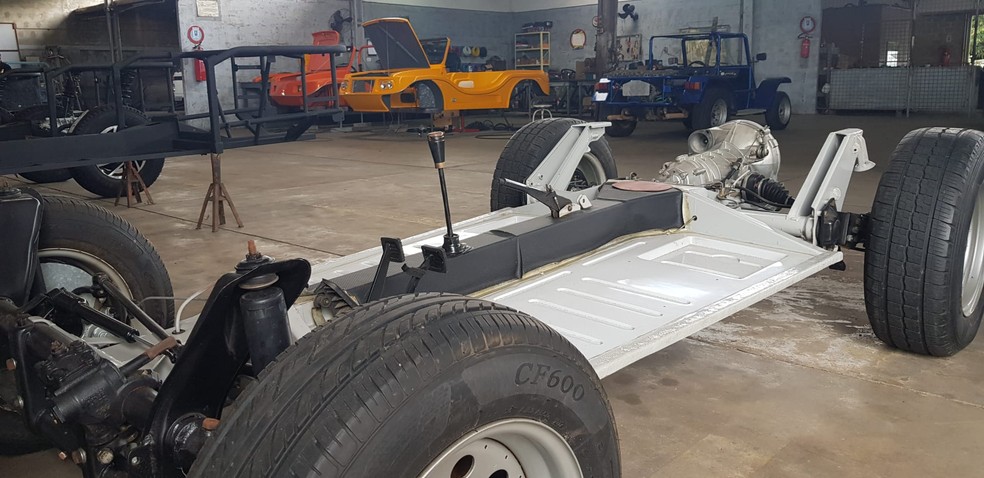
The distance that the model can travel on a single charge is 200 km, according to Davinson Rangel, professor of automation and electrotechnics at CTGAS-ER. The professor emphasized that this range would be sufficient for two round trips between Ponta Negra and Muriú beaches.
According to Diomadson Velfort, professor and head of the Electrical Engineering Department at UFRN, tourism in the state of the Northeast region could be boosted with the aid of the electric buggy, consequently becoming more economical and cleaner.
Studies conducted by the university show that 715 buggies are accredited by Setur and operating in the municipalities of Tibau do Sul, Natal, Baía Formosa, and Extremoz. Among the operating costs of the activity are expenses with fuel, which can reach up to R$ 100 per ride, which could be reduced with the use of an electric buggy.
Senai, UFRN, and EIC Unite to Deliver the First Electric Buggy in the Northeast
The electric buggy being developed in Rio Grande do Norte will use electricity through batteries. In the project, Senai is responsible for creating the integration of the mechanical and electrical components of the vehicle as well as the use of technology.
UFRN will work on the “intelligence” part of the vehicle, which includes the control system, battery lifespan checks, motor activation, fault detection, and environment analysis.
EIC/Trier will provide the technology and also the necessary training for professionals with an automotive mechatronics course of 180 hours, taught by specialists from Germany, a country that is one of the largest producers of electric vehicles in Europe.

Graduated in Journalism and Marketing, he is the author of over 20,000 articles that have reached millions of readers in Brazil and abroad. He has written for brands and media outlets such as 99, Natura, O Boticário, CPG – Click Petróleo e Gás, Agência Raccon, among others. A specialist in the Automotive Industry, Technology, Careers (employability and courses), Economy, and other topics. For contact and editorial suggestions: valdemarmedeiros4@gmail.com. We do not accept resumes!






Be the first to react!