





 Portuguese
  English
  Spanish
  2 min of reading
  0 comments


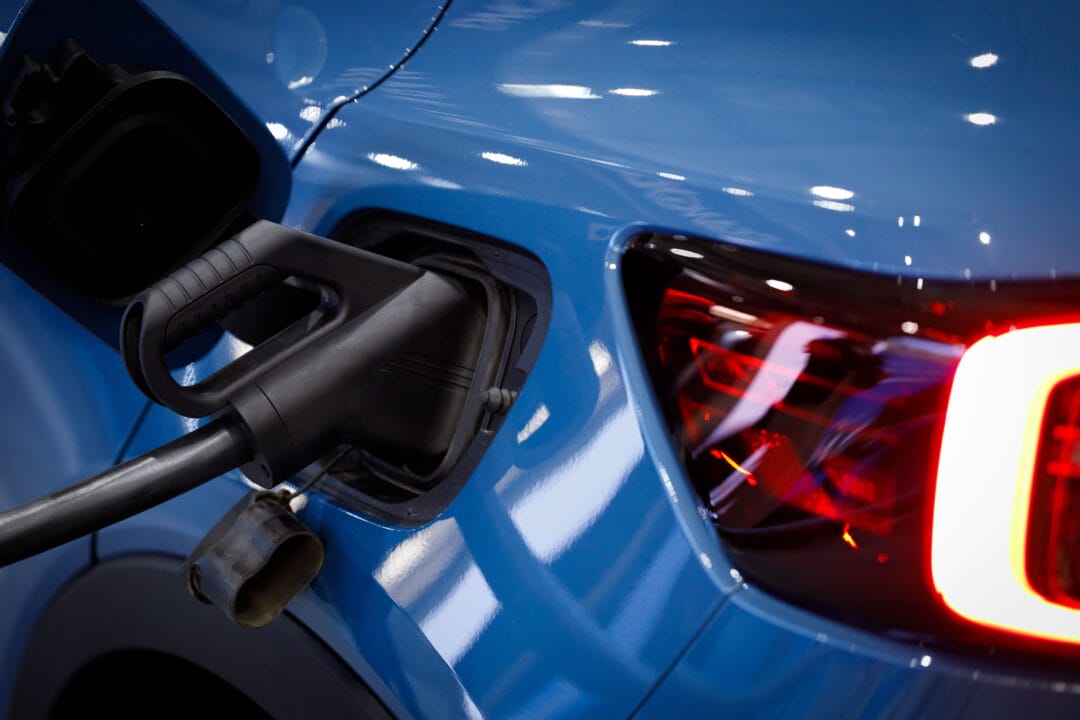
Strategic Metals Such As Niobium And Lithium Drive Vehicle Sustainability
As the world moves toward a more sustainable future, the automotive industry is increasing its focus on essential materials for electric vehicle efficiency. Niobium, Lithium, and Graphene emerge as the protagonists of this transformation, outlining a new era of collaboration with the mining industry. This movement highlights the importance of innovative metals and materials in meeting international sustainability targets.
The push for electric vehicle adoption, driven by the urgency to replace fossil fuels and reduce carbon emissions, is redefining the priorities of the automotive sector. In this context, the choice of materials that ensure the effectiveness and eco-friendliness of electric cars becomes crucial.
The Role Of Materials In The Electric Vehicle Revolution
Technological advances in automotive batteries are fundamental to this energy transition. Traditionally dominated by the use of lead, the sector is seeking alternatives that minimize environmental and health impacts, adopting circular economy practices. The Federal University of Uberlândia, through researcher Morgane Soares, emphasizes the importance of keeping pace with technological evolution, providing manufacturers with the means for sustainable development.
-
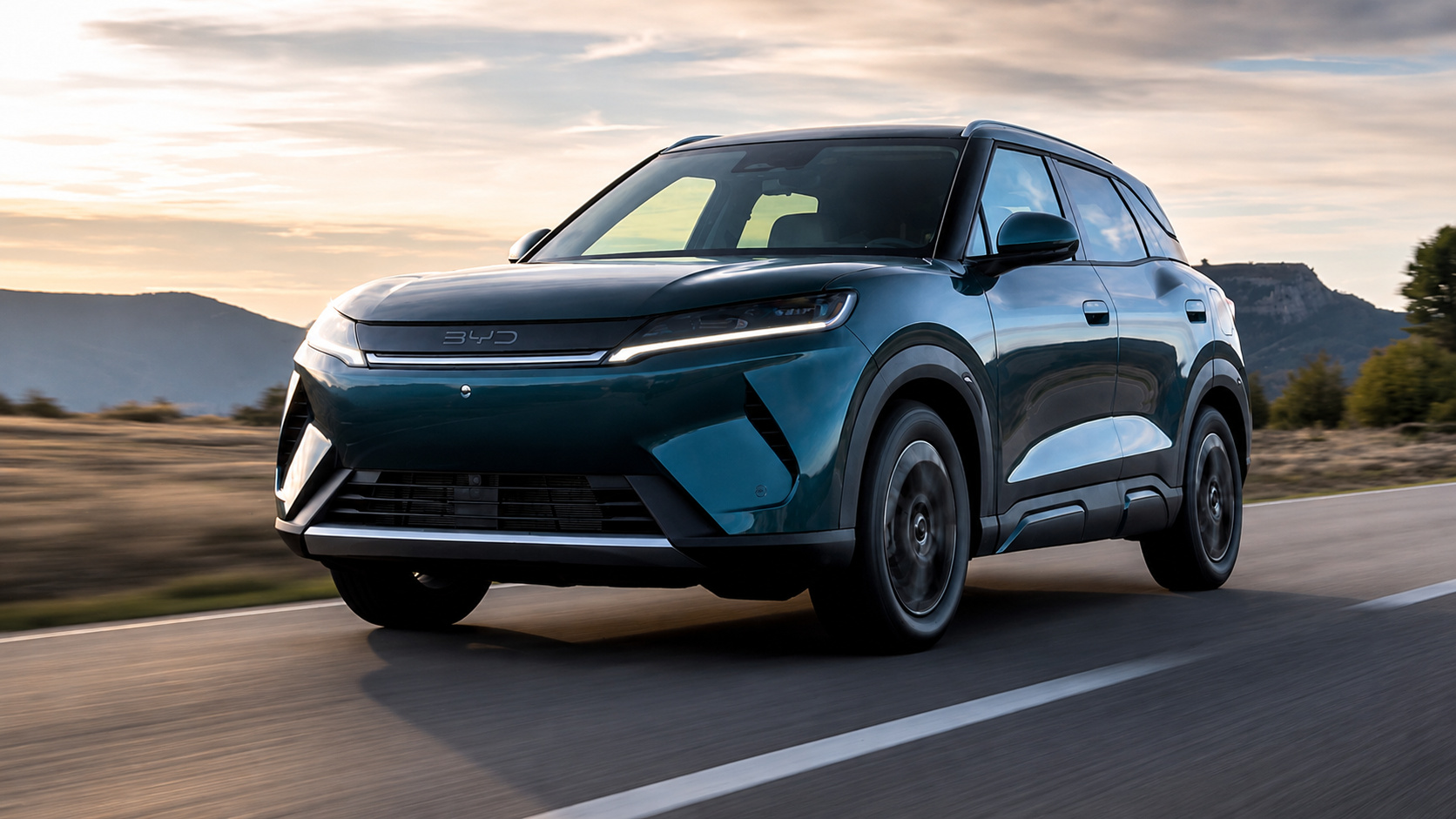
BYD Atto 2 DM-i flex prepares to debut in Brazil with a plug-in hybrid engine, national assembly in Camaçari, competitive pricing, and targets Creta and T-Cross in a battle that promises to heat up the compact SUV market.

-
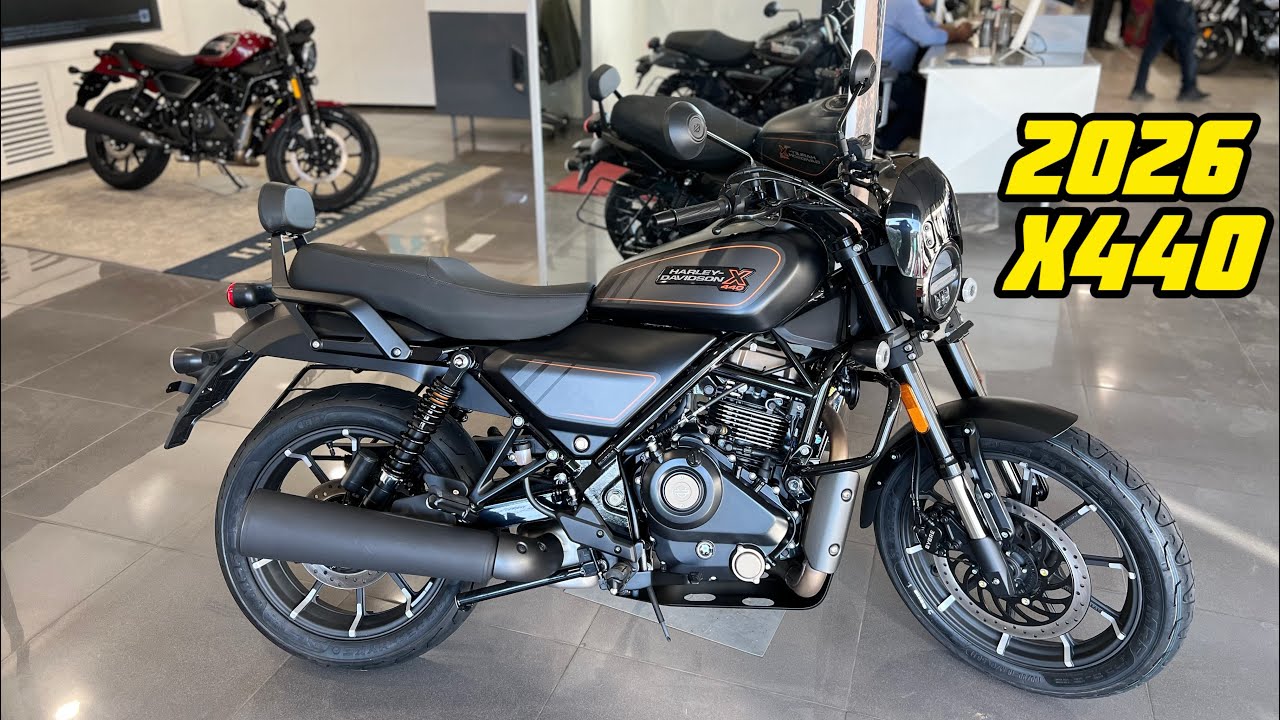
Harley-Davidson created an entry-level motorcycle that seems impossible for those who only know the brand’s big bikes: the X440 uses a 440 cc single-cylinder engine, delivers 27 hp, 38 Nm, a declared fuel consumption of 35 km/l, and showcases a small, rational, and much more accessible Harley in India.

-
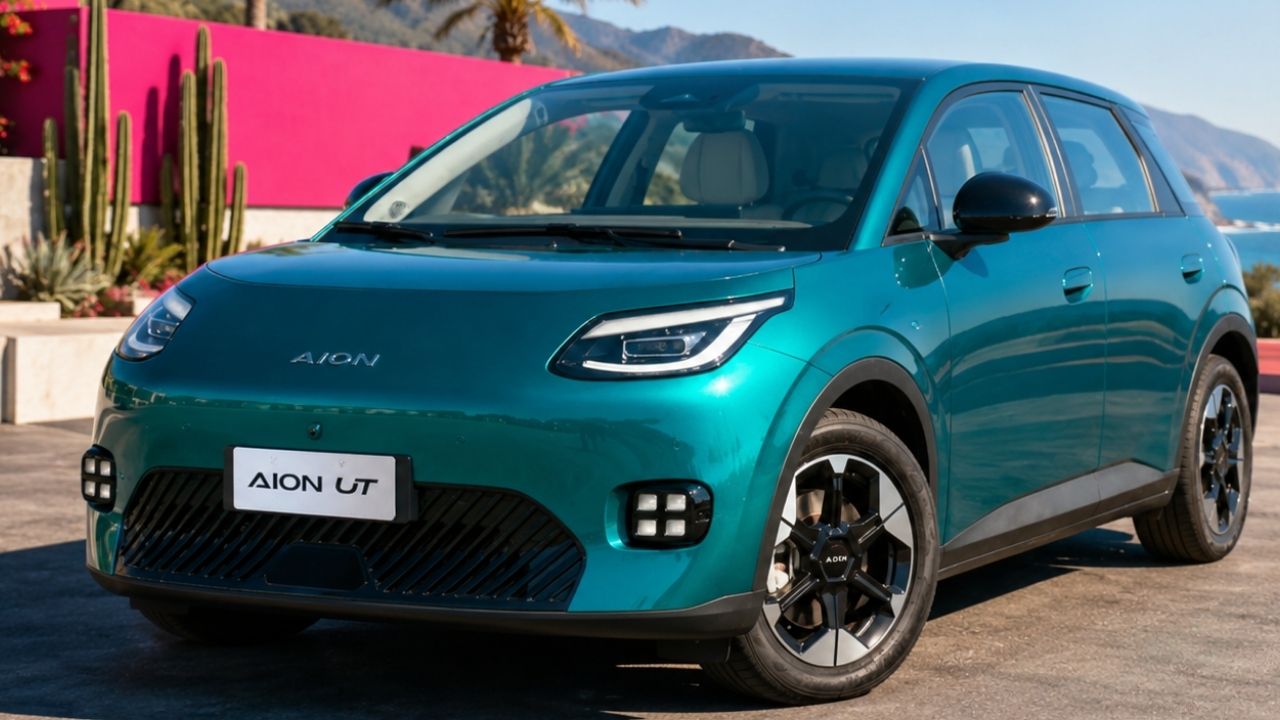
GAC Aion UT lands in Brazil for R$ 135,990 as the most affordable electric car in the country with over 200 hp, surpasses BYD Dolphin in size, features a 360 camera, and offers up to 310 km of range to challenge Chinese rivals.
-
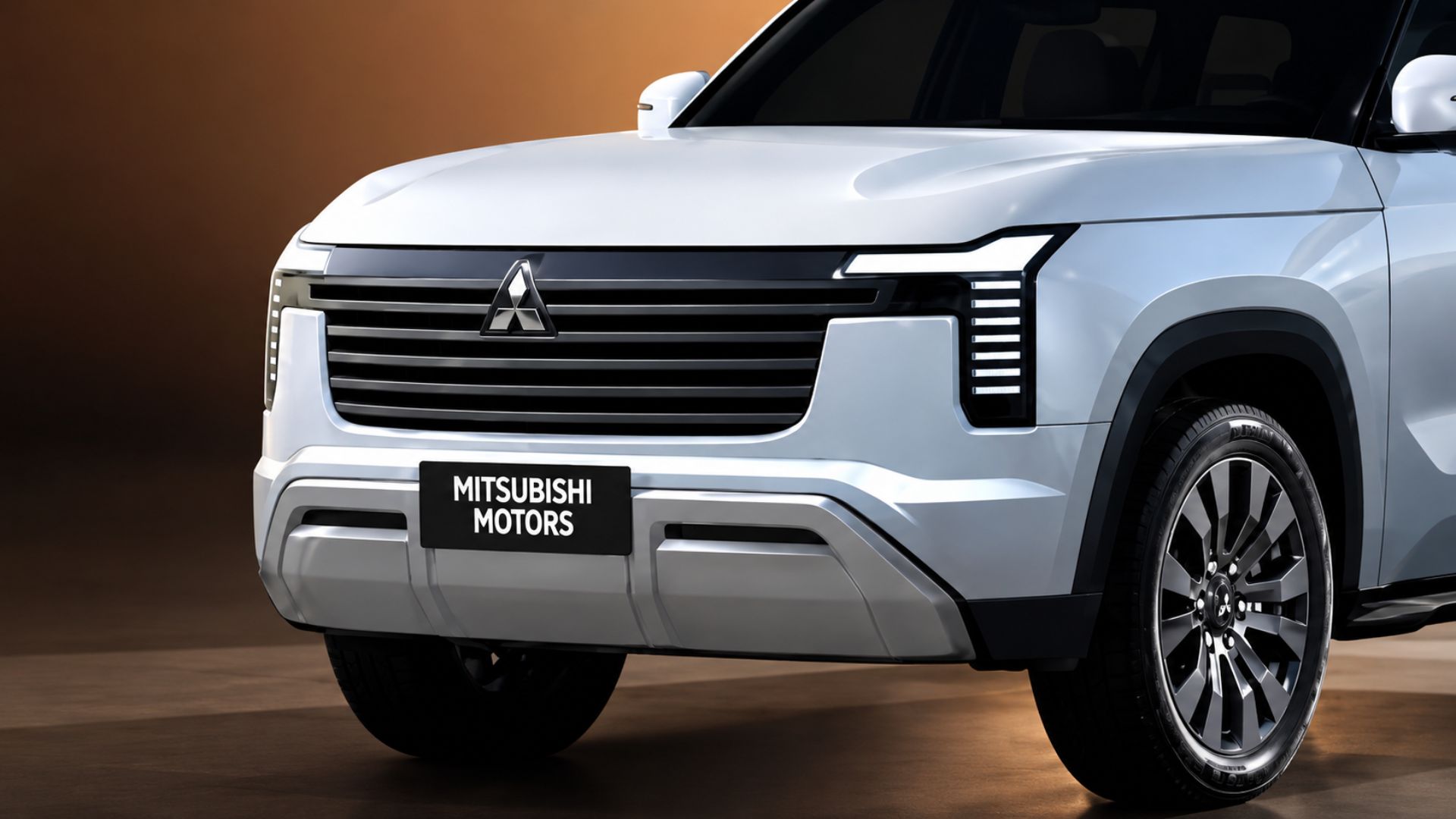
Mitsubishi confirms the triumphant return of a car beloved by Brazilians that was discontinued after almost 40 years, based on the Triton, 4×4, and targets rival Toyota Land Cruiser in a plan of 13 SUVs.

Strategic Metals At The Forefront
Niobium: The Superconductor Of The Future
Niobium, abundant in Brazil, plays a vital role in high-performance batteries due to its superconducting properties. This results in more efficient and durable batteries, increasing the range of electric vehicles. With about 98% of the world’s reserves, Brazil positions itself as a strategic supplier of niobium for the global automotive industry.
Lithium: The Heart Of Vehicle Electrification
Lithium is the key element of lithium-ion batteries, enabling greater autonomy and representing an eco-friendly alternative to fossil fuels. Although not one of the largest producers, Brazil has significant reserves of this metal, indicating relevant potential for the national automotive sector.
Graphene: The Material Of Dreams
Graphene, a form of carbon, has unique properties—strength, lightweight, flexibility, and high conductivity—making it ideal for a variety of applications, from electronics to energy and medicine. Its use promises to revolutionize not only the automotive industry but also various other sectors.
Toward A Sustainable Future
The pursuit of a sustainable mobility system places metals and new materials at the forefront of the automotive industry. The relationship between the automotive and mining sectors is strengthened by the need for more efficient and eco-friendly vehicles, with niobium, lithium, and graphene leading the way to meet the demands of a rapidly evolving market. Collaboration between these sectors is essential to meet global environmental goals, highlighting the importance of sustainability, circular economy, and the continuous development of new materials in the industry.
Source: Milena Almeida





Be the first to react!