Portuguese
  Spanish


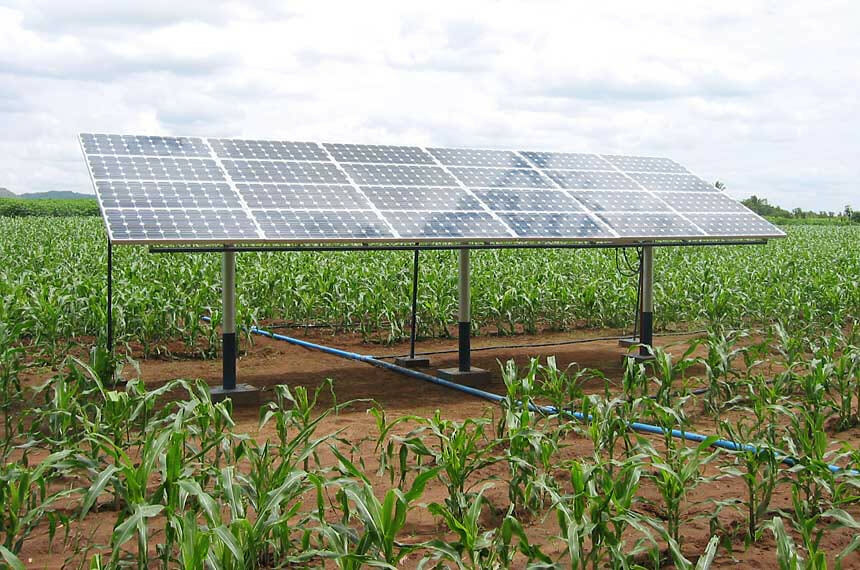

Solar Pumping: An Efficient and Sustainable Revolution in Agricultural Production
Emerging as an innovative solution to boost agriculture, solar pumping technology has been gaining prominence and becoming a valuable ally for Brazilian farmers. Its ability to provide water effectively and sustainably has optimized agricultural production and increased crop productivity.
The traditional paradigm that relied on fossil fuel-powered pumping systems is gradually being supplanted by solar pumping. The use of photovoltaic solar panels to drive the pumps brings numerous benefits, both for farmers and for the environment.
Rural Solarization: Benefits and Impacts
Antonio Mateus, an engineer at Kinsol, a franchise network committed to clean energy generation, lists some of the most significant benefits of solar pumping.
-
Statkraft Brazil Earns Pro-Ethics Certification from CGU, Highlighting Commitment to Compliance, Governance, and Sustainable Renewable Energy

-
Despite Perceived Delays, Rio de Janeiro’s New Stock Exchange on Track for Launch by Early Next Year

-
Constellation Earns 2025–2026 Pro-Ethics Seal from Brazil’s CGU, Stands Out as Only Offshore Drilling Company Recognized

-
Brazilian Soft Drink Company Dolly Faces Billion-Dollar Bankruptcy Battle Over $3 Billion Debt Accumulated Over Two Decades


1. Commitment to Sustainability
By employing solar energy to power water pumps, solar pumping significantly reduces greenhouse gas emissions and dependence on fossil fuels. This results in environmental preservation and helps mitigate the effects of climate change.
2. Cost Savings
Compared to fossil fuel-powered systems, solar pumping has lower operational costs. With a long lifespan, once installed, solar panels require minimal maintenance, bringing cost savings for farmers.
3. Constant Water Supply
This technology enables farmers to have constant access to water, regardless of location or availability of electrical energy in the region. This becomes especially advantageous in remote areas or regions with limited infrastructure.
4. Boost in Productivity
With a regular and reliable water supply, crops can receive adequate irrigation at the right times. This fosters the healthy growth of plants, enhances crop productivity, and improves the quality of agricultural products.
5. Crop Diversification
Solar pumping facilitates crop diversification, allowing farmers to cultivate different types of crops that require varying levels of water. This helps optimize land use and explore new market opportunities.
“With solar pumping technology continuously improving and becoming more accessible, its implementation in the field has the potential to revolutionize agriculture, making it more sustainable, efficient, and productive”, concludes Antonio.