Portuguese
  Spanish



Partnership Between Axia Energy and Flamengo Neutralizes Emissions with Certified Renewable Energy, Strengthens Net Zero 2030 Goals, and Positions Brazilian Sports as a Reference in Climate Sustainability
Axia Energy took a decisive step in its sustainability strategy by partnering with Flamengo to fully decarbonize the electricity consumption of the club’s headquarters, located in Gávea, Rio de Janeiro. According to an article published by G1 on Monday (15), the initiative neutralized 5,502 megawatt-hours (MWh) between 2024 and June 2025 through the use of certified renewable energy, reinforcing the company’s commitment to the Net Zero 2030 target and positioning the club as a reference in sustainability in Brazilian sports.
Axia Energy and Flamengo Advance in Decarbonizing Electrical Consumption
Right from the start, the agreement stands out due to its measurable environmental impact. The volume of neutralized energy is equivalent to the average consumption of 3,667 households in the same period, demonstrating that decarbonization can be applied practically, transparently, and at scale, even in sports organizations with high national and international visibility.
The partnership between Axia Energy and Flamengo was structured through the issuance of Renewable Energy Certificates (RECFY), a tool that ensures that each megawatt-hour consumed by the club is linked to the generation of renewable energy. Each certificate corresponds to 1 MWh of clean electricity, allowing complete environmental traceability of electricity consumption.
-
Brazilian scientists are simultaneously advancing two research projects on clean hydrogen and driving solutions that could transform the energy matrix, enhance industrial competitiveness, and accelerate large-scale emission reduction targets.

-
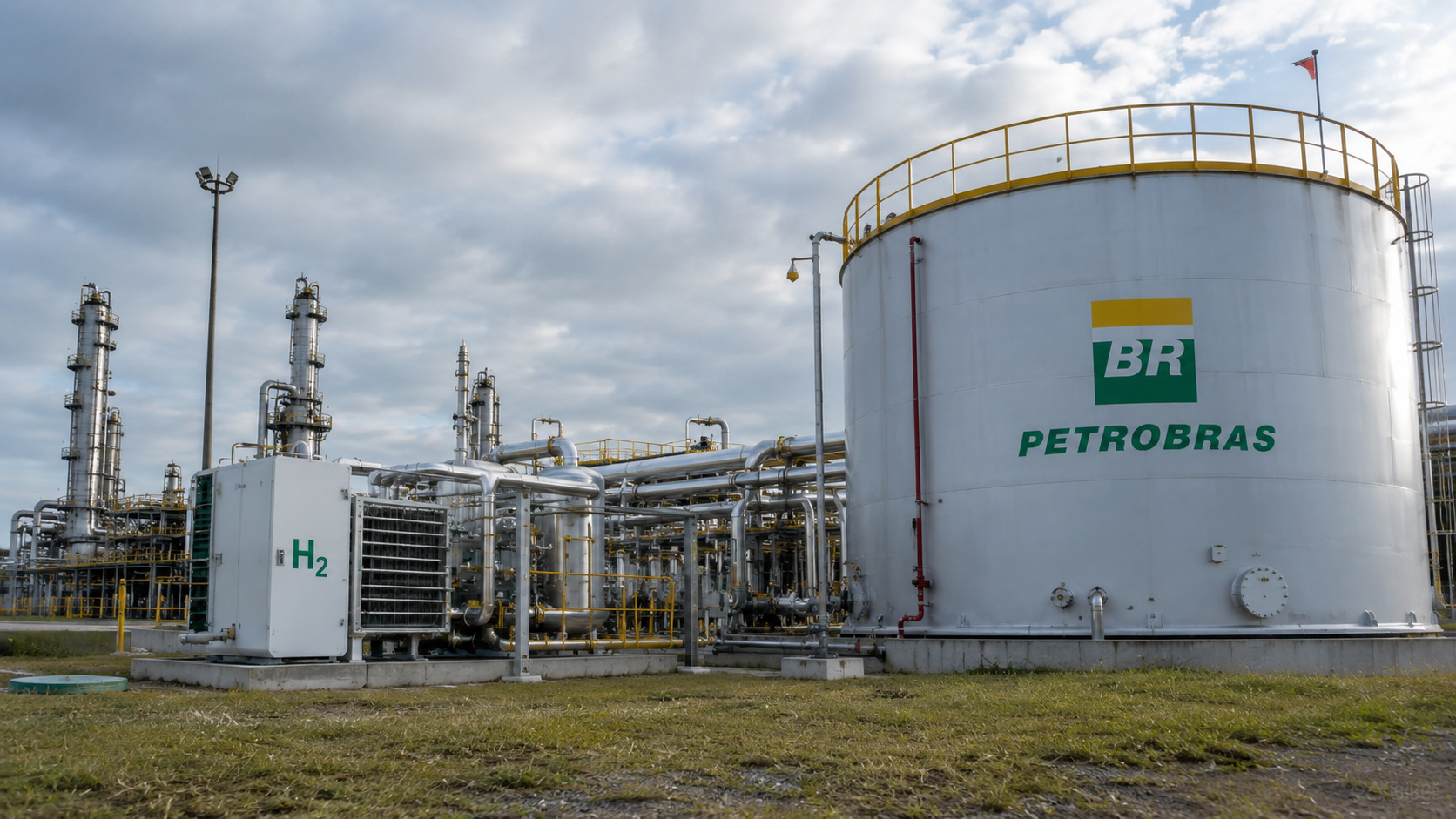
Advancement in renewable energy: A R$ 150 million project launched by Petrobras and Finep aims to create state-of-the-art electrolyzers for green hydrogen, strengthening national research and preparing Brazil to compete in a billion-dollar energy market.
-
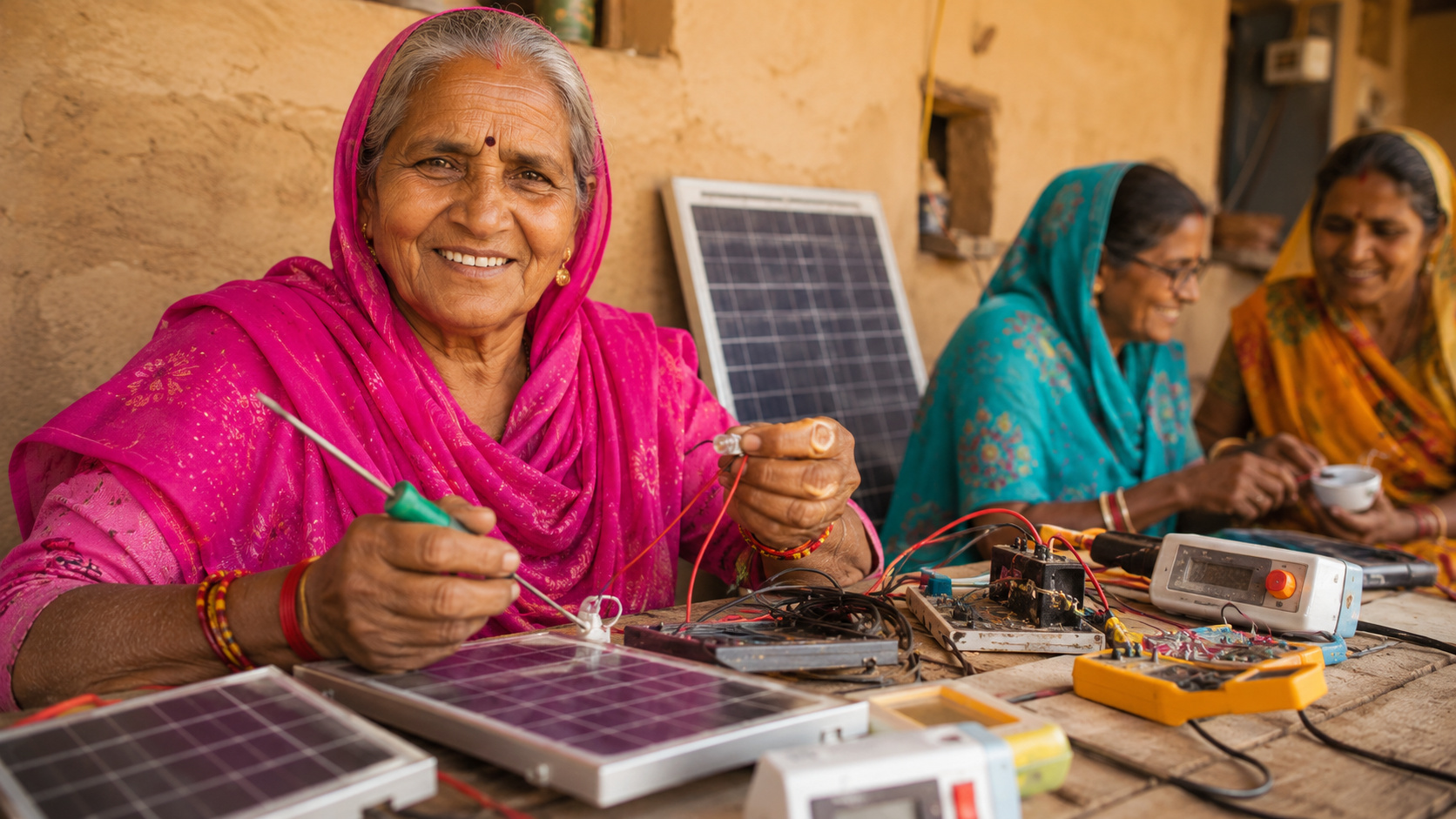
Illiterate or semi-literate grandmothers were trained to repair solar systems, open rural workshops, and light up homes that still depended on kerosene.
-
The world has bet on green hydrogen as the fuel of the future, but now faces the side effect: producing 1 kilogram requires about 9 liters of ultrapure water, and the largest projects on the planet are precisely in the driest regions of the Earth, where water is already scarce for people.


With this model, all the energy used at the club’s headquarters has proven renewable origin, without the need for structural changes to the operation. This format ensures operational efficiency and environmental credibility, essential characteristics for organizations seeking to rapidly and audibly reduce emissions.
Certified Renewable Energy Drives Sustainability in Brazilian Sports
The use of certified renewable energy has been consolidating as one of the most effective tools to mitigate emissions associated with electricity consumption. In the case of Flamengo, the impact is significant. Only in 2024, the club consumed 3,730 MWh, a volume that would result in the emission of 189 tons of carbon dioxide (CO₂).
This amount is equivalent to approximately 1,090 car trips between Rio de Janeiro and São Paulo, considering average vehicle emission parameters. With the adoption of RECFY certificates, these emissions are entirely compensated, reinforcing the club’s role as an active agent in the energy transition in Brazilian sports.
Additionally, the technology used in the certificates creates a unique digital record for each MWh generated, ensuring transparency, reliability, and alignment with ESG audits and global climate commitments.
Flamengo Expands Environmental Commitment in Brazilian Sports
The initiative marks Flamengo’s definitive entry into a broader climate agenda. At a time of great sports projection, the club expands its work beyond the field and associates its brand with responsible environmental practices aligned with the expectations of fans, sponsors, and sports entities.
According to Antônio Araújo, the club’s social director, the partnership reinforces Flamengo’s responsibility of being a reference not only for titles and sports achievements but also by setting an example off the field. The executive emphasizes that concrete sustainability actions are essential to ensure a more responsible club for future generations.
With over 1,500 athletes spread across 10 sports, in addition to a strong social presence, Flamengo integrates a growing group of organizations that see Brazilian sports as a strategic platform for promoting innovation and environmental responsibility.
RECFY Certificates and Progress towards Net Zero 2030
The Renewable Energy Certificates issued by Axia Energy since 2021 have already surpassed 26 million units, establishing themselves as one of the main decarbonization instruments available in the Brazilian market.
This mechanism allows companies and institutions to advance in their climate goals without compromising their operations. At the same time, it stimulates the expansion of clean energy by creating consistent demand for certified renewable energy.
For organizations that have made commitments aligned with international initiatives, such as the Science Based Targets initiative (SBTi), the certificates represent a practical, transparent, and measurable solution to advance towards Net Zero 2030.
Axia Energy Leads Renewable Energy Generation in the Southern Hemisphere
The capacity of Axia Energy to support large-scale decarbonization projects is directly linked to its generation portfolio. The company is currently the largest renewable energy generator in the southern hemisphere, with 81 plants in operation.
Of this total, 47 are hydropower plants, 33 are wind farms, and one is solar, forming a 100% renewable matrix. This composition ensures stability in supply, traceability of certificates, and measurable climate impact.
Hydropower plants provide the necessary regularity for the issuance of certificates, while wind and solar plants enhance diversity and expansion capacity in the supply of renewable energy, strengthening decarbonization initiatives across different sectors.
Net Zero 2030 Goal and Axia Energy’s Strategy
Aligned with global scientific goals, Axia Energy has committed to becoming a Net Zero 2030 company, reducing direct emissions and offsetting those that cannot be eliminated.
According to Camila Gualda, vice president of Governance and Sustainability at the company, the partnership with Flamengo represents an important milestone to enhance the discussion on energy transition in Brazilian sports. For the executive, decarbonization is one of the most effective tools to mitigate the environmental impacts of human activity.
A New Standard of Sustainability for Brazilian Sports
The partnership between Axia Energy and Flamengo demonstrates that the energy transition can be implemented in a concrete, scalable, and transparent manner. By decarbonizing the electrical consumption of its headquarters with certified renewable energy, the club positions itself as an active agent in the climate agenda.
For Axia, the initiative reinforces its role as a protagonist in the energy transition in the country and increases the visibility of solutions that turn environmental commitments into effective actions. In the context of Brazilian sports, this example shows that sustainability, performance, and environmental responsibility can walk together, establishing a new standard for the future of the sector.