






 Portuguese
  Spanish
  5 min of reading
  0 comments


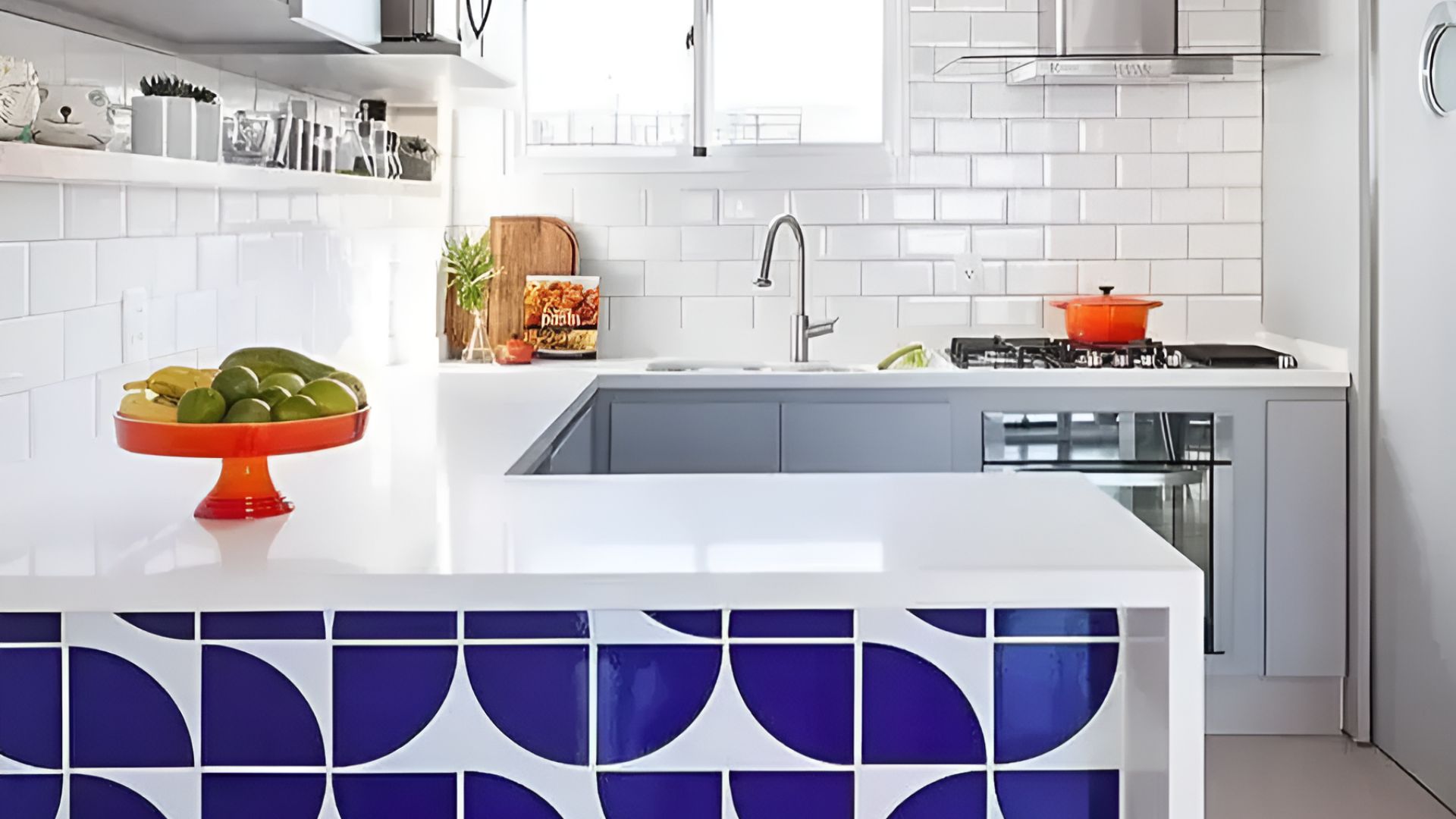
Continuous Materials Gain Ground in Modern Projects and Expand the Competition for Finishes in Kitchens, Which Are Undergoing Significant Aesthetic and Functional Changes in 2026.
In Brazilian kitchens, tiles have long been the standard wall covering.
However, a new material is starting to gain ground in residential and high-end projects and emerges as a possible substitute starting in 2026: sintered stone slabs, regarded by architects and manufacturers as a more uniform, durable, and low-maintenance alternative for wet areas and food preparation.
Unlike traditional ceramic coverings, which require tiling with multiple pieces and visible joints, sintered stone allows for the creation of large, continuous surfaces with fewer visible seams.
-
Man Builds Handcrafted Wooden Cabin in Canadian Forest Using Only Trees and No Construction Crew

-
Maria Marli, a 15-Year Veteran Bricklayer, Helps Build Bahia’s Tallest Building and Realizes Her Own Dreams

-
Mayan Dogs Traveled Between Cities, Accompanied Leaders, and Were Used in Sacrifices: New Discoveries Uncover Complex Relationships
-
British Lawyer Faces Up to Two Years in Prison After Organizing Volunteers to Clean Polluted River in Brazil



This format meets the trend of more integrated kitchens with social areas and the search for visually clean environments, a recurring trend in recent real estate launches and renovations.
What Is Sintered Stone
Sintered stone is obtained through the compaction of natural minerals under high temperatures and pressure.
In this industrial process, mineral particles are bonded together to form a rigid and stable slab, with low porosity and high mechanical resistance.
The result is a panel that withstands intense use, moderate impacts, and thermal variations without showing significant wear over the years.

Visually, the material often reproduces the appearance of noble stones, such as marble and granite, or surfaces of concrete and natural stone.
The difference lies in the technical performance: in general, the slab is lighter than a solid stone sheet, which facilitates transportation, handling, and installation, in addition to broadening the possibilities for application on walls, countertops, and vertical panels.
Another feature often highlighted by manufacturers is the possibility of incorporating inputs and processes aimed at sustainability, such as the use of controlled natural raw materials and, in some cases, recycled content.
For projects that prioritize less environmental impact compared to materials extracted in solid blocks, sintered stone appears as a more aligned option to this concern.
Continuous Covering in Kitchens
One of the main differentiators compared to tiles is the installation method.
While ceramic coverings consist of smaller pieces placed side by side, with visible joints between them, sintered stone slabs can cover large areas with few seams.
In practice, the reduction of joints is appealing for both aesthetics and hygiene.
Visible joints tend to accumulate grease, food splatters, and moisture, especially in areas near the stove and sink.
Over time, this necessitates more time-consuming cleaning, the use of specific products, and, in some cases, replacement of compromised sections.
With an almost continuous surface, the kitchen acquires a more uniform and contemporary appearance.
The absence of marked lines changes the visual perception of the space, which tends to enhance the feeling of spaciousness even in compact environments.
Maintenance and Durability
In everyday use, sintered stone is designed to withstand high temperatures, constant humidity, and contact with greasy foods without warping, staining, or losing shine noticeably.
Being less porous, it absorbs fewer residues and liquids, which reduces the risk of deep stains and makes cleaning spills easier.
While walls covered with tiles may require attention to joints and potential infiltration points, sintered slabs tend to concentrate care on a single surface.

In routine use, cleaning is typically done with just a damp cloth and mild detergent, without the need for abrasive products or restricted-use items.
Another point mentioned by professionals is the color stability over time.
When well-specified and installed according to technical recommendations, the slabs should not show significant discoloration or loss of texture, maintaining their appearance close to the original even after years of use.
Aesthetic Trends for 2026
Visually, the trend associated with sintered stone follows the movement of refined naturalism observed in planned kitchens.
In the coming years, the color offering should remain focused on neutral tones, such as stone gray, light sand, slightly warm white, and matte or satin black.
Often, these tones are interspersed with soft veining that resembles marble, granite, or exposed concrete.
This discreet palette facilitates combinations with light wood cabinets, surfaces in oak or freijó tones, as well as metals in black, brushed stainless steel, and soft gold.
The goal is to create environments that can adapt to changes in decor without requiring the replacement of the main covering.
The same logic applies to projects with a more minimalist design, prioritizing few elements and straight lines, and to slightly bolder proposals with striking lighting, ample countertops, and visible appliances.
In both cases, the continuous and neutral surface serves as a backdrop for the kitchen composition.
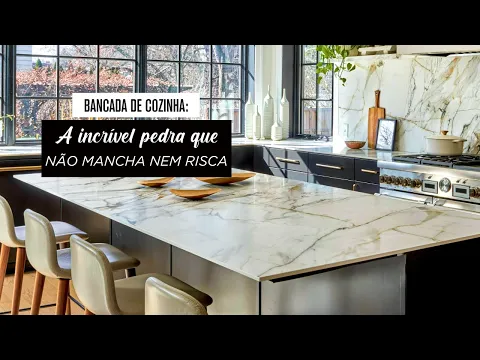

Will Tiles Disappear?
Despite the advancement of this technology, experts indicate that tiles remain present in a large part of the projects.
This is mainly due to the wide variety of models, the familiarity of use, and the often more affordable initial cost.
In renovations with tighter budgets or specific interventions, ceramic covering continues to be a consolidated solution.
The expectation, however, is that sintered stone slabs will gain market share, especially in projects where kitchen integration with the living room and balcony is a priority.
In these situations, the ability to align countertops, fronts, niches, and panels with the same material works in favor of this technology.
The advancement of the trend also depends on factors such as regional availability, workforce training for installation, and the perception of cost-benefit by the end consumer.
As more kitchens are delivered or renovated with this type of solution, the practical comparison with traditional tiles should become more evident, both in terms of aesthetics and maintenance.
Amid this changing scenario, one question remains for those planning a renovation: which material will take center stage in kitchens in the coming years?






-

-

-

-

-

-

21 people reacted to this.