





 Portuguese
  English
  Spanish
  4 min of reading
  1 comment


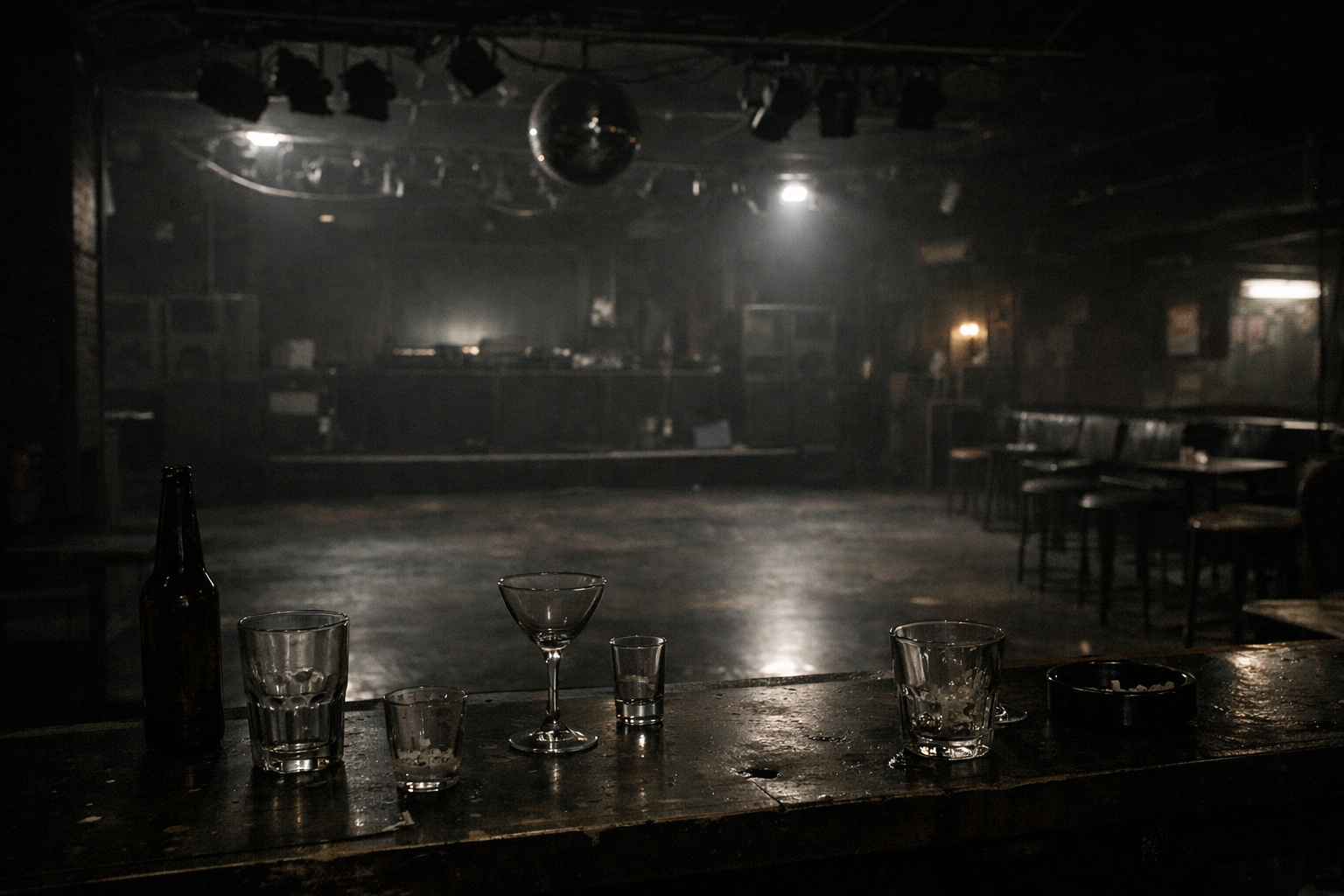


From São Paulo to Paris, Nightclubs Disappear as Young People Swap Dance Floors for Streaming, Festivals, and Daytime Experiences, Forcing Nightlife Entrepreneurs to Reinvent the Concept of Party

For decades, the nightclub was one of the main stages of urban life. It was here that people danced to relieve the weight of their routine, drank without guilt, and, above all, met others. However, this model began to crumble. Today, a question resonates among entrepreneurs, DJs, and regular patrons: why are nightclubs dying?
The answer inevitably involves millennials. The generation that grew up connected entered adulthood with a cell phone in hand and radically changed the relationship with leisure, consumption, and nightlife.
-
Dissatisfied with seeing waste pickers treated as invisible on the streets, a Brazilian artist began to refurbish and graffiti carts, provide healthcare, psychology, and aesthetics services, and transform recycling vehicles into mobile works of art to restore income, safety, and dignity.

-
Under pressure from nearly 10,000 people sleeping rough in King County, Seattle created a village with 90 microhouses of 8.9 m², equipped with a bed, electricity, heating, air conditioning, kitchen, showers, and laundry to take families off the streets with support from Microsoft and Starbucks.

-
Rejected by property owners and without a fixed store at the beginning, Maggie created a café where money doesn’t decide who eats: in Raleigh, customers can pay full price, pay $3, exchange 1 hour of volunteering for a meal, and support the model that has already served over 350,000 meals.
-
Curitiba ‘swallows’ up to 218 million liters of sewage per day: a Sanepar giant uses activated sludge in a carousel, returns cleaner water to the Iguaçu River, and sends waste to become biogas.


Instead of waiting in lines, expensive VIP areas, and deafening music, many young people prefer Netflix, Spotify, dating app meetups, and occasional festivals. Thus, traditional nightlife has lost its centrality. And the impact is already visible in numbers.
The information was released by international vehicles and industry associations such as the Nightlife Association, as well as reports and analyses published over the past years in specialized newspapers and magazines.
The Decline of Nightclubs Worldwide and in Brazil
First of all, the phenomenon is not local. In the United States, more than 10,000 bars and nightclubs closed their doors in the last decade. In the UK, nearly half of the 3,100 nightclubs in operation in 2007 have ceased to operate. In Paris, former nightlife temples have turned into restaurants, shops, or simply disappeared from the map.
In Brazil, the scenario follows the same logic. In São Paulo, after the fever of imported megaclubs, such as the international venues that dominated the 2000s, the audience disappeared. In Rio de Janeiro, out of 192 nightclubs officially registered, only 70 maintain an active municipal registration, and that doesn’t mean all of them are functioning.
Furthermore, iconic venues have closed one after another, creating a sense that an era has come to an end. It is no coincidence that many describe the moment as the “symbolic burial” of nightlife as it was known.
Millennials, Technology, and the New Social Behavior

At the same time, habits have changed. Streaming platforms have replaced DJs as music curators. Dating apps have eliminated the nightclub as the main venue for flirting. And social media created a new fear: the fear of losing control, being filmed, and becoming a meme.
According to international studies, alcohol and drug consumption among young people has fallen to the lowest levels since 1975. Only 40% of American teens report consuming alcoholic beverages, an unthinkable figure in previous generations.
Additionally, millennials value unique experiences, such as festivals, travel, and outdoor events. They avoid fixed routines. Thus, going to the same nightclub three nights a week no longer makes sense.
As a result, the traditional nightclub model — expensive, closed, nighttime, and repetitive — has become obsolete for this audience.
The End of the Nightclub or a Reinvention of Nightlife?
Despite the pessimistic scenario, nightlife has not completely died. It has transformed. In tourist destinations like Ibiza, Saint Tropez, and Miami, nightclubs survive integrated into the holiday experience. In cities like Berlin, the nightlife scene remains vibrant by constantly reinventing itself.
Meanwhile, entrepreneurs are seeking new formats. Sunset parties, members-only clubs, roaming parties in alternative spaces, and hybrid events combining food, art, and music are gaining traction.
In Brazil, some ventures are moving in this direction. The idea is no longer for a fixed dance floor, but a fluid experience. The party could take place in a historic building, under a bridge, or on a rooftop. The space matters less than the curation and the audience.
Thus, the consensus among the “kings of the night” is clear: the traditional nightclub has lost relevance, but the human desire for gathering, music, and connection remains.
The challenge now is to adapt the fire of the night to new times.
Do you miss nightclubs as they used to be, or do you believe that the new way of experiencing nightlife makes more sense today?


For sure i miss the nightlife today. I’m 42 now and have been enjoying the nightlife from the time I hit high-school 27 years ago. From bars shooting pool, to the club to dance the night away, to sitting in the gentleman’s club. But now, now there’s nothing, ever since covid took place it has never been the same since. Once they shut the businesses down and only essentials were aloud out nothing has been the same. That was the day everything changed the world round. Get the boys together and we all head out to the bars for some socializing drinking gambling trying to meet girls, C Blocking one another, the street vendors after closing or Taco Bell. These millennial now a days will never know some of the greatest memories of growing up. It’s a shame to be the last line of a dying breed.