






 Portuguese
  Spanish


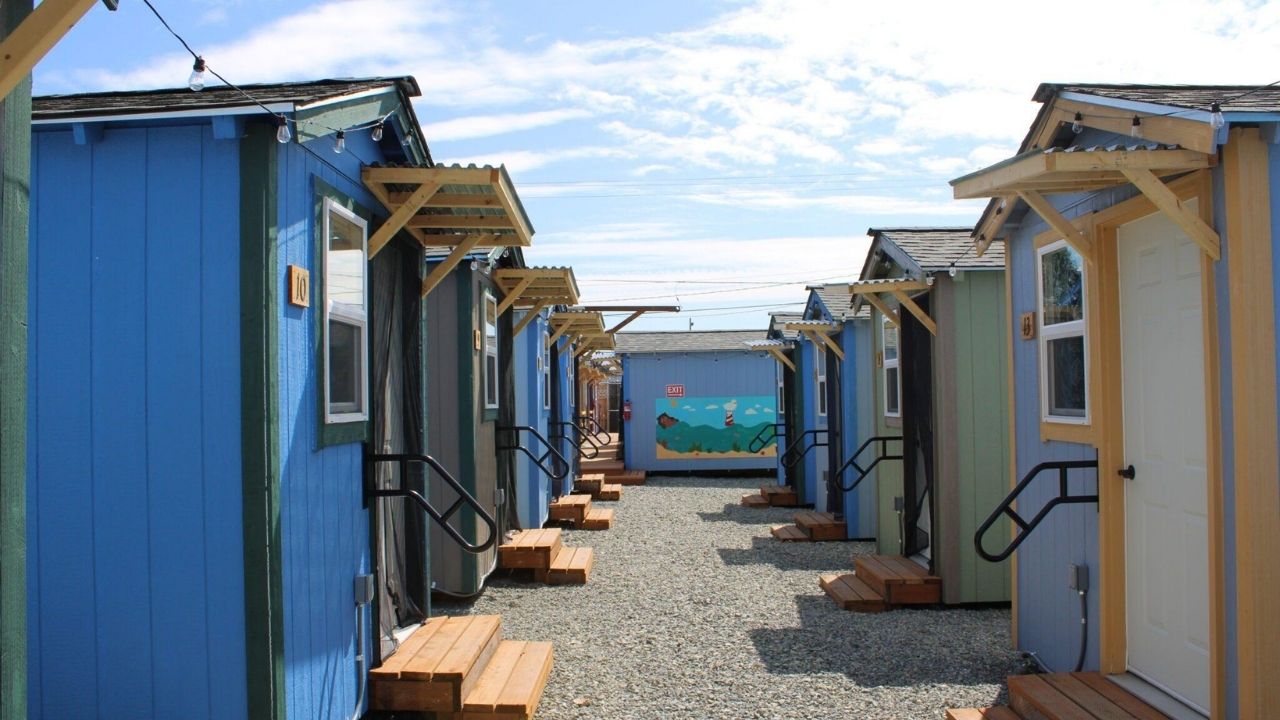
In South Park, Seattle, the so-called Cloverleaf Village will gather 90 microhomes of about 8.9 square meters, with bed, heating, air conditioning, communal kitchen and laundry. The project, led by the NGO LIHI and the City Hall, aims to accommodate more homeless people with financial support from large companies.
Amidst one of the worst housing crises in the United States, the city of Seattle is betting on microhomes to get people off the streets. The City Hall and the non-profit organization Low Income Housing Institute (LIHI) announced Cloverleaf Village, a village with 90 microhomes in the South Park neighborhood, according to statements from Mayor Katie B. Wilson’s office and LIHI itself.
The project is part of an effort to create a thousand new shelter spaces by 2026 and addresses a huge problem: in King County, where Seattle is located, thousands of people sleep rough. To make the construction possible, the city received $3 million donated by companies like Microsoft, T-Mobile, and Starbucks.
What is Cloverleaf Village and how it works
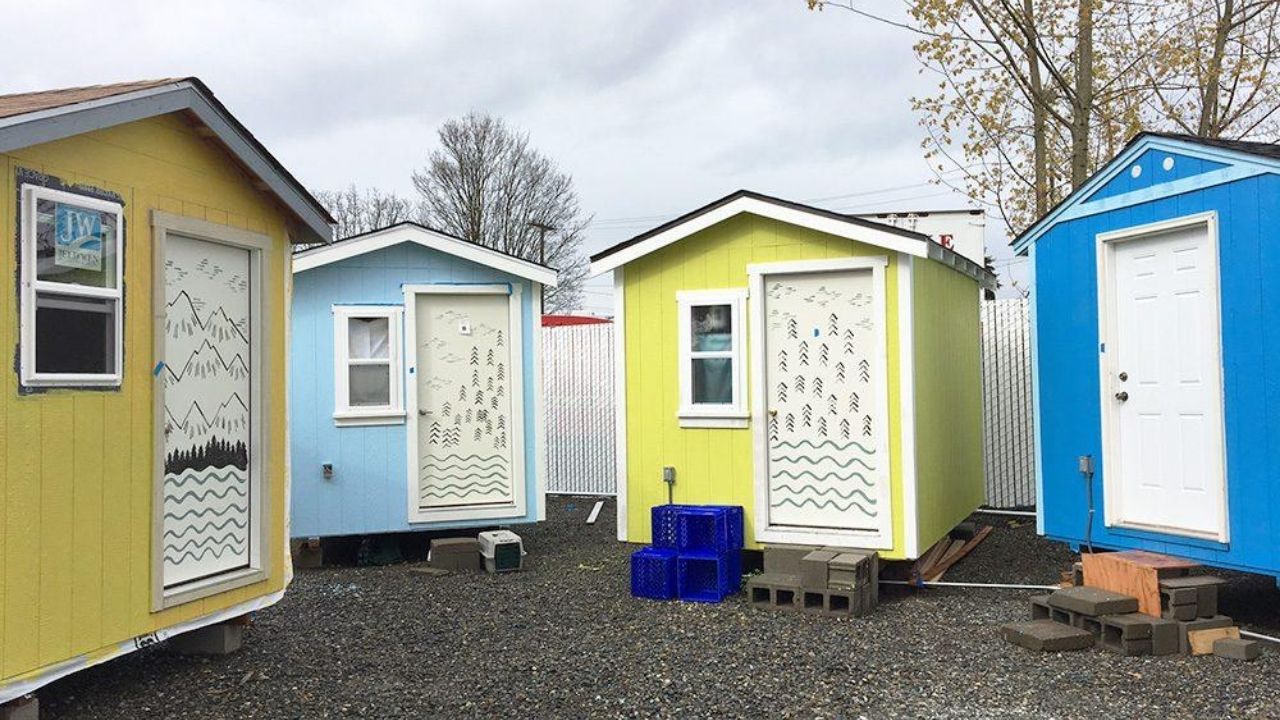
The new village will operate as a reinforced shelter, open 24 hours a day. There are 90 microhomes, in addition to common areas and support services, on a plot of about 5,744 square meters rented from a private owner, in South Park, near the highway cloverleaf that gives the project its name, next to highway 99 and Des Moines Memorial Drive S.
-
Driver Crosses 100-Year-Old Railway Bridge Over Uruguay River, Encounters Rural Couple Preserving Traditional Farming Methods

-
Rural Producer Returns to Brazilian Farmland, Builds Family Agricultural Business with Children’s Support and Industry Backing
-
Goiás Couple Boosts Artisan Cheese Production from 25 to 70 Kilos Daily with Technical Support, Transforming Family Life in Rural Brazil
-
13-Year-Old Discovers Ancient Roman Ring Near Mount Carmel, Now Set for Display in Jerusalem


The target audience is broad. According to LIHI, Cloverleaf Village will accommodate homeless people, couples, and those with pets, an important detail, as many shelters do not accept animals, which deters some people. The village’s name comes from the four-leaf clover symbol, associated with luck, hope, and protection, a tone the organization wanted to give to the space.
What each microhouse is like inside
The size stands out for its efficiency. Each microhouse measures about 8.9 square meters, equivalent to a small room, but comes equipped with essentials for a dignified life: windows, door, electricity, smoke detector, thermal insulation, heating, air conditioning, bed, and basic furniture.
New arrivals also receive a welcome kit. The proposal is that these microhouses are not just a temporary roof, but a safe and comfortable environment capable of offering privacy and stability to those who have spent months or years sleeping on the street. It is this combination of reduced space and complete structure that makes the model attractive to tackle the housing crisis.
Collective structure and support services
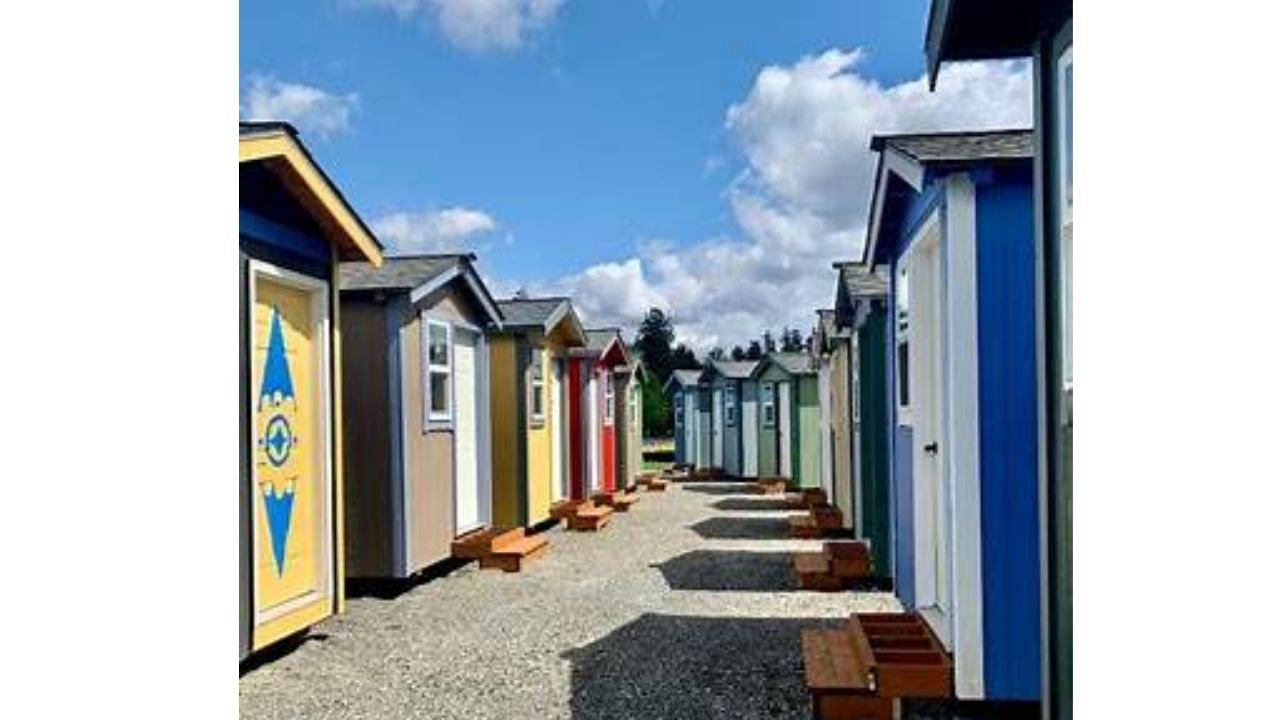
Around the microhouses, the village will have a shared structure. Planned are a community kitchen, bathrooms with showers, laundry, living space, team and social assistance offices, and a security post, with staff present at all times to manage operations and security.
The model goes beyond housing. Participants adhere to a code of conduct and undergo social monitoring, with the goal of gaining access to health services, employment, and, most importantly, permanent housing. This is what authorities call “comprehensive services,” the idea that getting someone off the street requires much more than just offering the microhouses.
Who pays the bill: the public-private partnership
The funding mixes public and private resources. The city contributes with support from the Seattle Department of Human Services, while the Challenge Seattle initiative gathered $3 million from the business sector, with contributions from Microsoft, T-Mobile, Starbucks, and entrepreneurs John Stanton and Terry Gillespie. The New Direction Missionary Baptist Church acts as the religious partner of the project.
The involved leadership treats the village as proof that collaboration works. Mayor Katie B. Wilson stated that the project shows what is possible when the housing crisis is addressed with urgency, bringing together public power, community, and private investment. LIHI’s executive director, Sharon Lee, was direct in defending the model, saying that microhouses save lives, while Reverend Lawrence Willis classified welcoming as a duty, not a choice.
The size of the crisis in King County
The numbers explain the urgency. According to the official count from January 2024, there were 16,868 homeless people in King County, and 58% of them, or 9,810 people, lived without any shelter. This scenario pressures the city to accelerate solutions like microhouses.
Previous results help support the bet. LIHI claims to have housed more than 1,600 people in microhouses in 2025, and says that 55% of families who left the shelters managed to move to housing. The organization maintains 17 villages of this type in King and Pierce counties, and Cloverleaf Village adds to other fronts of the mayor’s plan, which includes projects in neighborhoods like Interbay, Brighton, and Belmont.
A tiny response to a giant problem
The Cloverleaf Village shows how wealthy cities in the United States are resorting to creative, and very small, solutions to tackle the explosion of the homeless population. Microhouses do not solve the housing crisis alone, but they offer a safe first step for those who need to get out of the cold and reorganize their lives.
Now we want to hear from you. Do you think microhouses like these are a good solution for the housing crisis, or just a patch for a much larger problem? Would this type of solution work in Brazilian cities?
Comment below your opinion, tell us how you see the situation of homeless people in your city, and share this article with those who care about housing and social rights.




Very great idea of taking people out of the streets.