






 Portuguese
  Spanish


Used Models Attract Attention Not Only for Their Style or Performance, but Also for High Maintenance Costs, Hard-to-Find Parts, and a History of Recalls That Require Caution for Those Considering Buying.
Four used models often surprise buyers with their maintenance costs, availability of parts, and technical complexity.
Ford Fusion Hybrid, Land Rover Discovery 4, Chevrolet Captiva, and Fiat 500 stand out not only for their design or performance but also for the expenses that require planning before purchase.
Common to all, they have maintenance costs higher than average, a history of recall campaigns, and items that require specialized labor.
-
2027 Toyota Corolla Cross Unveiled: New Design, Enhanced Fuel Efficiency, Reduced Maintenance Costs, Advanced Technology, Connected Services, and Up to 10-Year Warranty

-
Fiat Cronos Precision 2018: Affordable Sedan with Spacious Trunk and Reliable Maintenance
-
Volkswagen to Cut Production by 1 Million Cars by 2030, Reducing Jobs and Platforms, Focusing on More Profitable Models

-
Toyota Launches First 100% Electric Car in Brazil: bZ4X with 343 HP, All-Wheel Drive, 361 km Range, Priced at $419,990 BRL, Limited to 99 Units



In the case of the Fusion, there has been no recent public confirmation of the “R$ 70 thousand” price for the high-voltage battery.
Reliable references indicate ranges between R$ 32.5 thousand and R$ 39.5 thousand, and the part has a warranty of 8 years or 160,000 km.
High Costs in Used Cars: The Main Factors
Specific and expensive technologies — such as hybrid systems and air suspension — drive up component prices and require certified technicians.
When the network of workshops is limited, the effect appears in the budget and the time the car is immobilized.
Discontinued models suffer even more with replacement timelines.
Checking recalls, service history, and any remaining warranties helps reduce risks and estimate future expenses with greater accuracy.
Ford Fusion Hybrid (2013–2020): Expensive Battery and Specialized Diagnosis
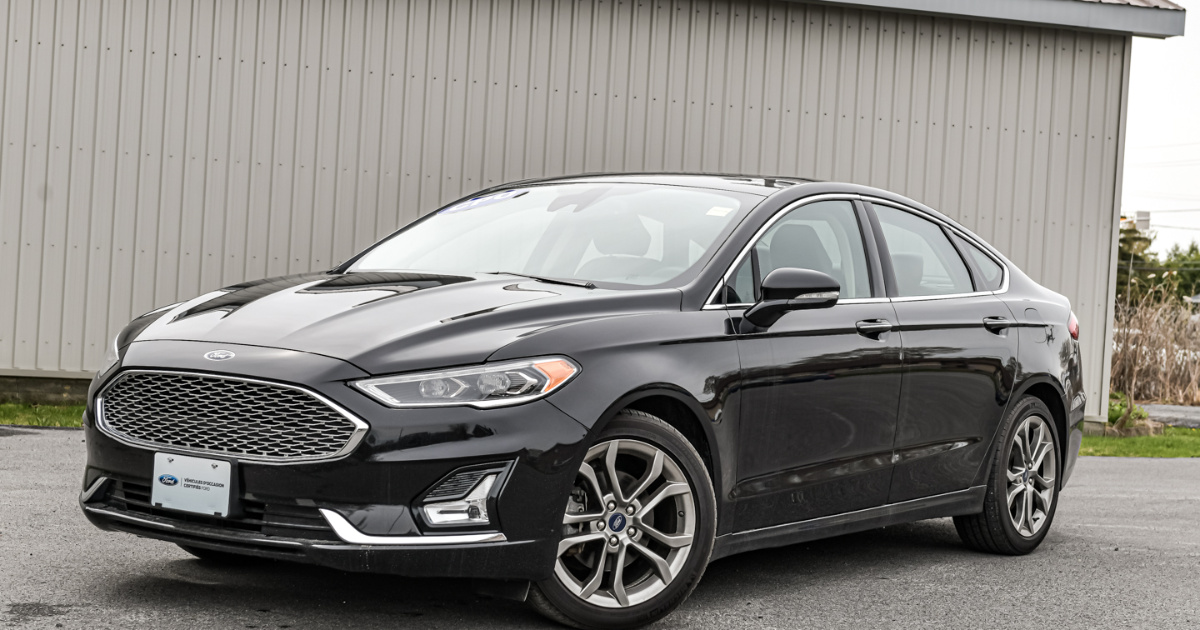
The Ford hybrid has become a benchmark for comfort and fuel economy, but the high-voltage battery is the item that weighs most when it comes out of warranty.
Values consulted from public sources and industry reports range between R$ 32.5 thousand and R$ 39.5 thousand, varying according to transmission and availability.
The warranty from the factory for the traction battery is 8 years or 160,000 km, provided that the maintenance is up to date, which still covers part of the newer models sold in the country.
There is no recent public evidence of the R$ 70 thousand price for replacing the set in Brazil.
Before closing the deal, it is advisable to request a proper scanner and report of the hybrid system, along with the service history.
It also helps to understand the car’s electrical architecture.
Modules and air conditioning may interact with the high-voltage circuit and require qualified diagnosis.
In many cases, calculating the total cost of ownership comes down to a simple equation: how much fuel you save over time and how much it would cost to replace the battery out of warranty.
Land Rover Discovery 4 (2010–2016): Comfort and Power with Premium SUV Costs
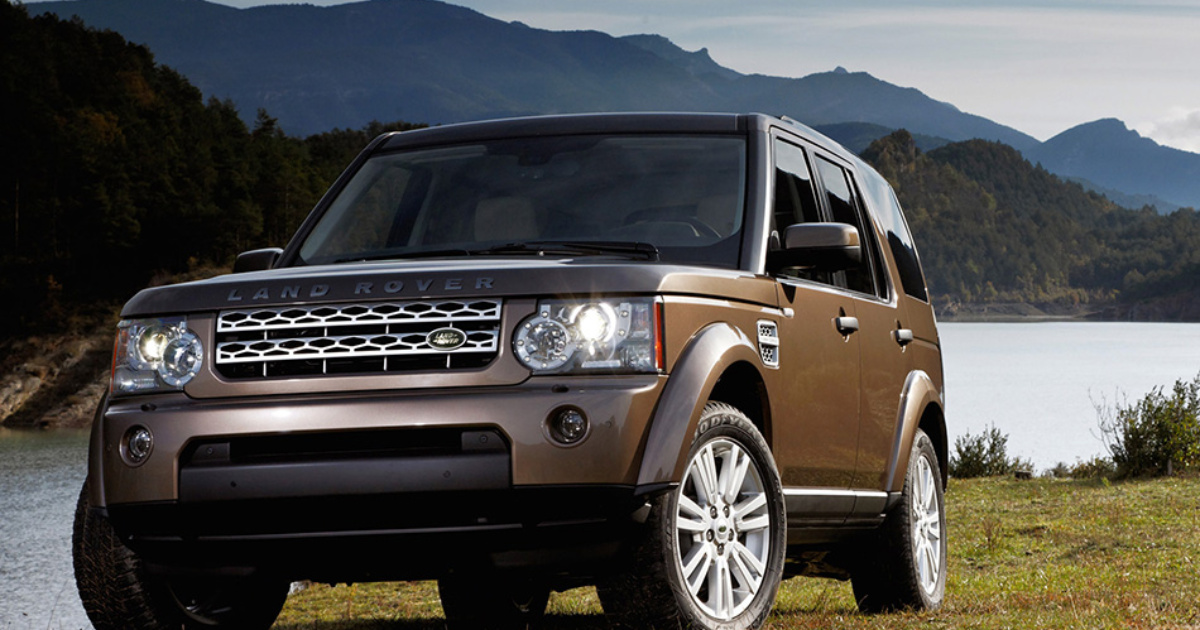
The Discovery 4 offers a combination of a quiet cabin, high-quality materials, and true off-road capability.
On the flip side, air suspension, robust transmission, and engine options — especially the diesel versions — drive up parts and labor costs.
The model has a history of recall campaigns that require attention.
In July 2016, Land Rover called back the Discovery 4 (2012–2013) to replace the crankshaft position sensor, a failure that could cause a loss of signal and engine shutdown.
More recently, in July 2025, there was a recall for checking the trailer hitch and, if necessary, free installation of the retention support kit.
When evaluating a used unit, the first step is to check all recall campaigns by VIN.
Next, verify — with noted and itemized parts — whether major services have already been performed, especially on belts, peripherals, and air suspension.
The purchase decision often depends on two factors: a trusted network (workshops and suppliers) and budget flexibility for maintenance that, when needed, is rarely cheap.
Chevrolet Captiva (2008–2017): V6 Attracts, Transmission Scares


Imported from Mexico since 2008, the Captiva attracts attention for its size and comfort.
The V6 versions marked the model’s debut but concentrated reports of chronic failures in the six-speed automatic transmission (6T70 family), with jerks, delays in shifts, and even breakdowns.
Used car guides and specialized reports document recurring cases and expensive services when the transmission requires a complete repair.
For daily use, the high fuel consumption of the V6 weighs heavily on the spreadsheet.
Those who prioritize predictability often seek well-maintained and documented examples of the 2.4 four-cylinder.
During the test drive, any suspension noise and jerk during shifts serves as a red flag for investigation.
It’s worth noting that, despite improvements over the years, the reputation of the V6/automatic set drives up ownership costs and limits options for workshops willing to undertake complete repairs.
Fiat 500 (2010–2017): Charm Doesn’t Pay for Inactive Parts
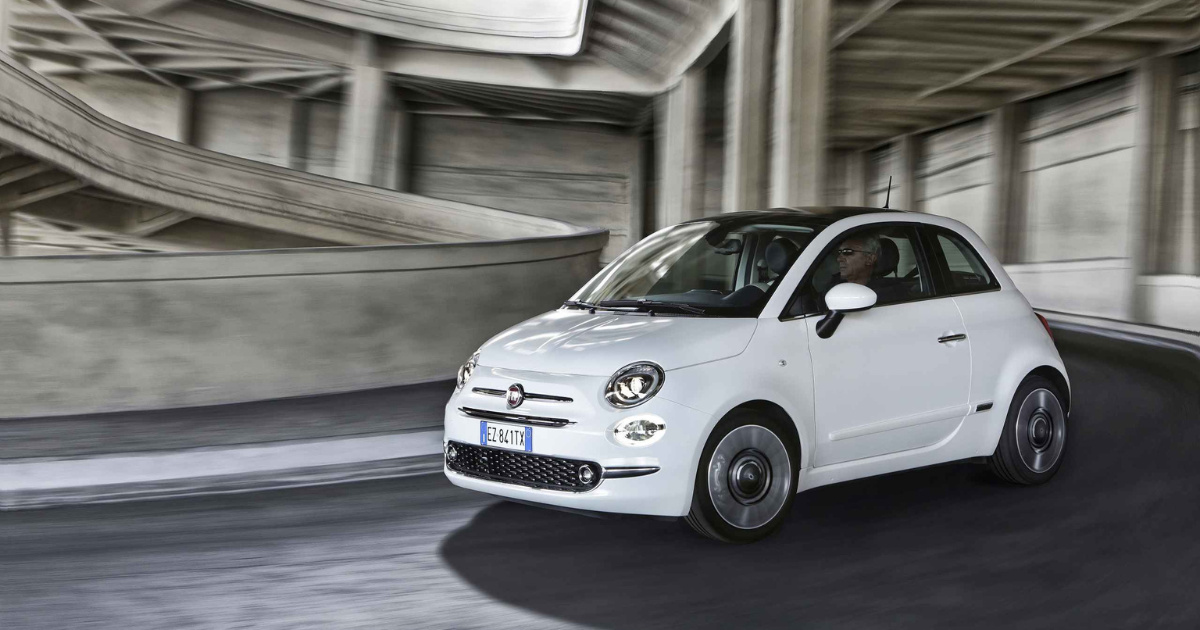
The Fiat 500 has won fans for its style, above-average finish in its segment, and drivability.
Behind the scenes, however, owners report gaps in after-sales and scarcity of parts in certain batches, especially in the Polish units sold at the start of its Brazilian journey.
The Mexican version, which began supplying Brazil starting in 2011/2012, gained a reputation for being less problematic, but was not immune to complaints.
A sensitive point is the steering column.
There are cases where the repair requires a complete replacement of the assembly.
Versions with automated transmission (Dualogic) and suspension on uneven surfaces also require attention.
During the pre-purchase inspection, it is important to confirm the VIN origin and prioritize cars with documented maintenance.
Checking for any recalls by VIN is a mandatory step.
Finally, a thorough inspection should cover steering, sunroof, and electronic modules, items that, when they malfunction, can keep the car immobilized due to lack of a specific component.
How to Reduce Risks and Plan Expenses
Realistic planning makes a difference.
One approach is to create a spreadsheet of critical parts for each evaluated model, including traction battery, transmission, air suspension, and electric steering.
Instead of assumptions, use verified prices from public sources and consider remaining warranties.
For the Fusion, for example, the 8-year/160,000 km coverage can eliminate a significant expense from your outlook.
It is also important to check for recall issues and the availability of specialized workshops in your area.
When it is not possible to securely confirm a key repair value — such as the updated price of a high-voltage battery out of warranty — prudence recommends revisiting the choice or increasing the contingency budget.
And, whenever possible, conduct a pre-purchase evaluation with someone who understands the system of the car in question.
After mapping costs, history, and technical support, which of these used cars still makes it to your list — and for what reason?









Infelizmente são os micos da vida. Comprou não leu a macaiba comeu.
não existe nenhum registro no Brasil de troca da bateria do fusion híbrido
Quanto ao Fusion híbrido a menor das preocupações é com a bateria. Sempre tive híbrido desde o início e hoje estou com um 2018 com 170 mil km e a bateria está muito bem. Em minha última viagem fez 18 km por litro. Faço as revisões na Ford a cada 10 mil km e o valor das revisões é condizente com o valor do carro.