






 Portuguese
  Spanish
  3 min of reading
  1 comment


US Develop Nuclear Battery That Generates Electricity From Atomic Waste, Promising Sustainable And Long-Lasting Energy For Various Industries And Technologies
Researchers at Ohio State University have developed a battery that converts nuclear waste into electricity. The technology uses gamma radiation from used nuclear fuel to generate energy, providing a cleaner and more efficient solution for the energy industry.
“We are harvesting something considered waste and, by nature, trying to turn it into a treasure,” stated Raymond Cao, the lead author of the study.
How The Nuclear Battery Generates Energy
Nuclear energy is a reliable source of electricity, but it generates radioactive waste. This waste emits gamma radiation, which is difficult to harness safely. The new battery prototype addresses this challenge through scintillator crystals.
-
Brazilian scientists are simultaneously advancing two research projects on clean hydrogen and driving solutions that could transform the energy matrix, enhance industrial competitiveness, and accelerate large-scale emission reduction targets.

-
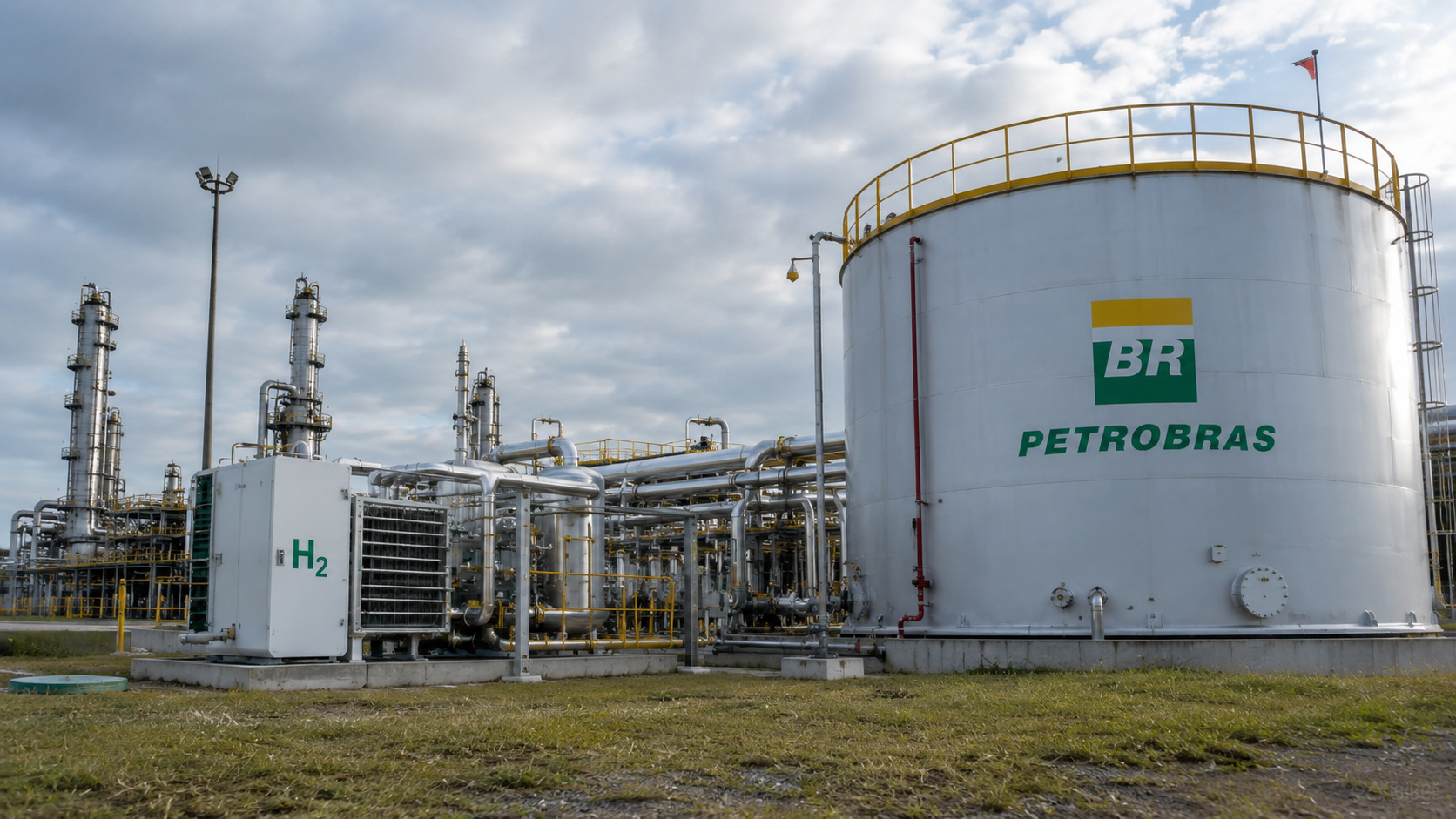
Advancement in renewable energy: A R$ 150 million project launched by Petrobras and Finep aims to create state-of-the-art electrolyzers for green hydrogen, strengthening national research and preparing Brazil to compete in a billion-dollar energy market.
-
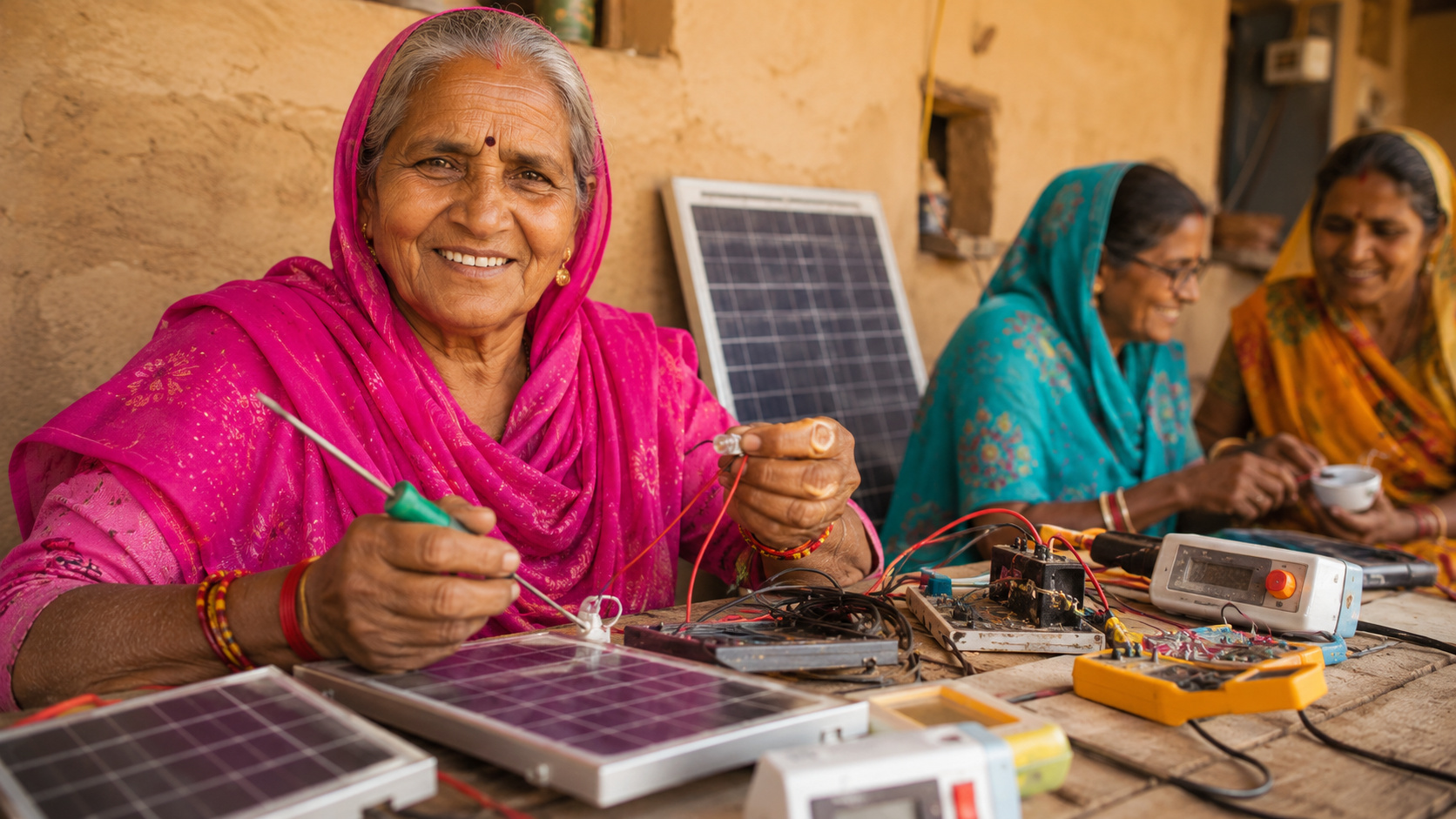
Illiterate or semi-literate grandmothers were trained to repair solar systems, open rural workshops, and light up homes that still depended on kerosene.
-
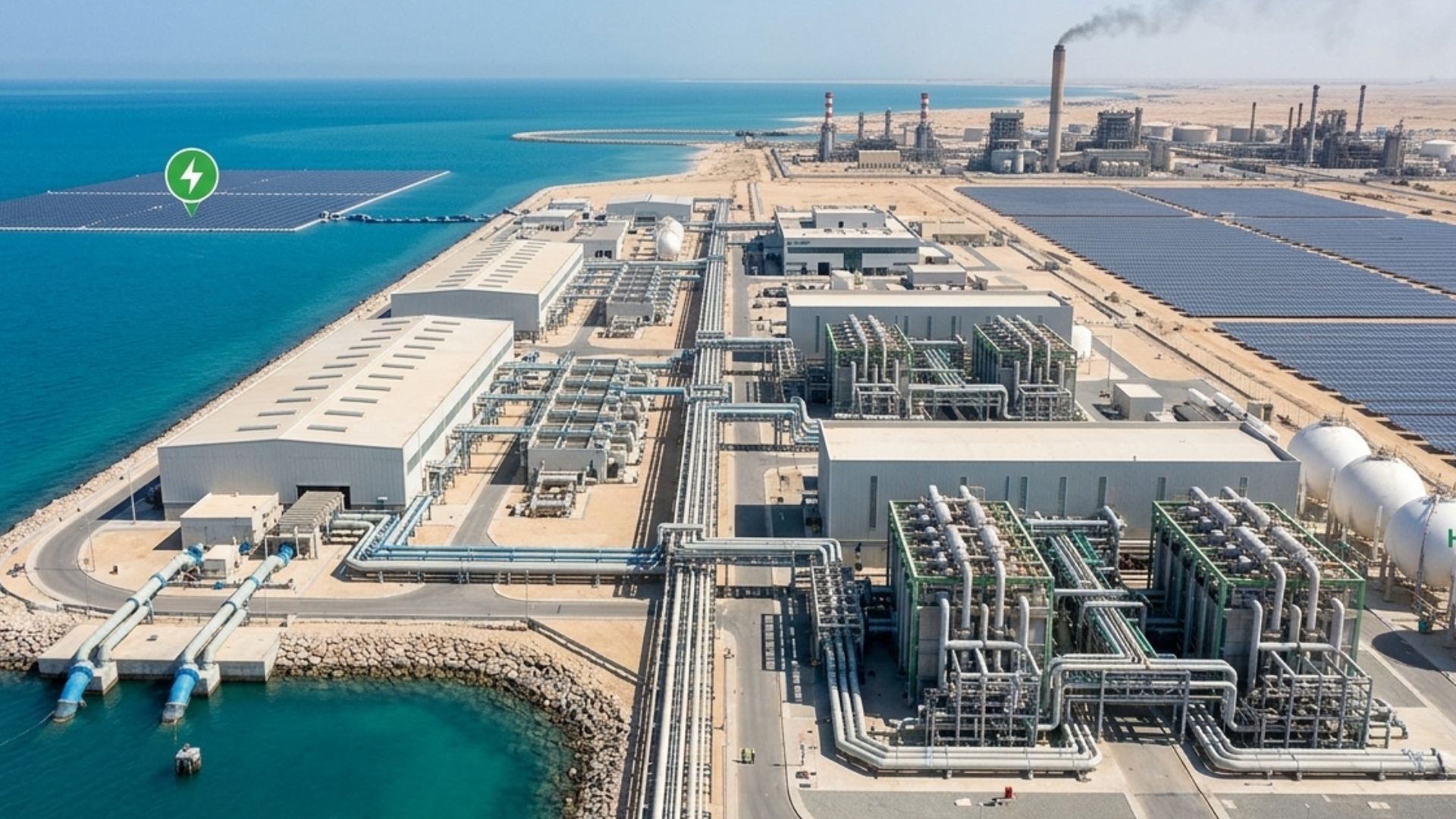
The world has bet on green hydrogen as the fuel of the future, but now faces the side effect: producing 1 kilogram requires about 9 liters of ultrapure water, and the largest projects on the planet are precisely in the driest regions of the Earth, where water is already scarce for people.


These crystals emit light when exposed to radiation, and this light is converted into electricity by solar cells, similar to those used in residential solar panels.
“The concept of a nuclear battery is very promising,” declared Cao. He believes that in the future, this technology will play a significant role both in energy production and electronic sensors.
The battery is the size of a four-centimeter cube. Tests were conducted with two common radioactive isotopes found in used nuclear fuel: cesium-137 and cobalt-60.
The prototype generated 288 nanowatts with cesium-137 and 1.5 microwatts with cobalt-60, sufficient power to run small sensors.
Although these values are still low compared to household needs, Cao emphasized that with the right power source, the device could be scaled up for more robust applications.
Solution For Radioactive Waste
The technology represents a significant advance in the utilization of radioactive waste, one of the major challenges of nuclear energy.
Currently, nuclear power plants generate about 20% of electricity in the United States, with minimal greenhouse gas emissions. However, there are hazardous waste issues for human health.
By turning this waste into electricity, the new battery offers a promising alternative. Additionally, its compact and safe design makes it ideal for areas with high radiation, such as nuclear waste storage facilities, offshore exploration, and even space missions.
“Fortunately, although the gamma radiation used in this work is about a hundred times more penetrating than a normal X-ray or CT scan, the battery itself does not incorporate radioactive materials, meaning it is still safe to touch,” the researchers explained.
Challenges
The study also revealed that the design of the scintillator crystals directly impacts energy production efficiency. Crystals with larger volumes and surface areas showed better radiation absorption and light conversion.
Despite the great potential, scaling this technology for large-scale applications will require overcoming challenges related to manufacturing costs and further research.
“These are innovative results in terms of energy production,” highlighted Ibrahim Oksuz, co-author of the study. “This two-step process is still in its preliminary stages, but the next step involves generating more watts with scaled constructions,” he concluded.
With information from Interesting Engineering.







❤️Aqui você pode colocar seu rosto em qualquer vídeo ou foto) Por favor, avalie-o ➤ Ja.cat/gosea