Portuguese
  Spanish


Experts Warn That Thousands of Electric Vehicle Batteries in the United Kingdom Remain Stockpiled with No Destination, Exposing Failures in Recycling and National Infrastructure
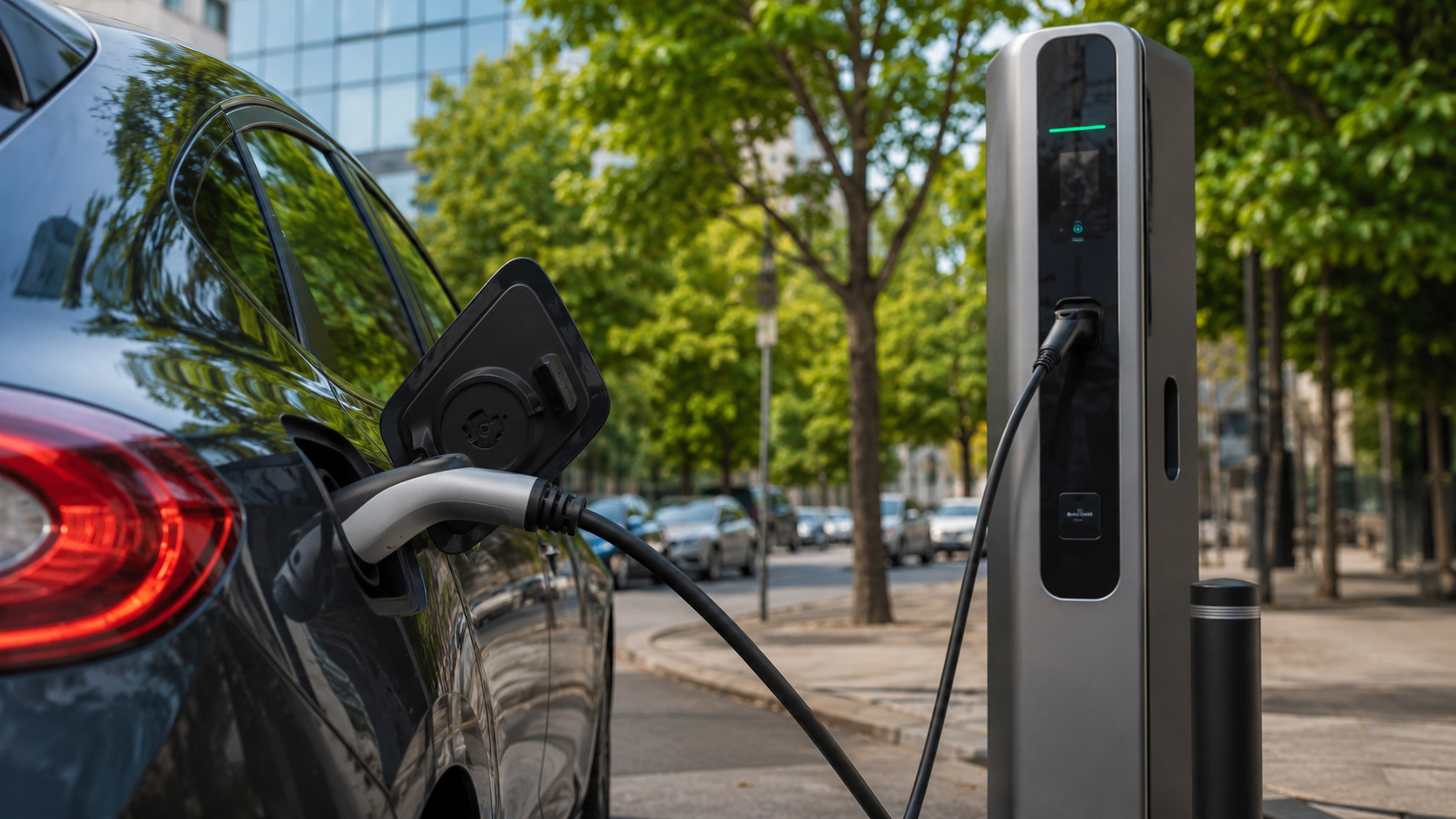
Thousands of electric vehicle batteries and energy storage systems are accumulating in the United Kingdom. According to experts, the situation highlights significant gaps in the supply chain and recycling infrastructure of the country.
Growing Stockpile with No Destination
Up to 90% of the more than 23,500 batteries that have reached the end of their useful life are simply stored. They are neither recycled nor reused, according to estimates from the startup Altilium in partnership with recell.store, an online marketplace.
“This latent stockpile of batteries is a serious and growing problem,” said Christian Marston, CEO of Altilium.
-
Jetour S06 Launches in Brazil as a More Affordable Plug-In Hybrid SUV Than BYD Song Plus and Haval H6, But Tests Highlight Its Shortcomings

-
Electric and Hybrid Cars Set to Transform Brazilian Streets: A New Era Begins
-
Chinese Giant Invests $1.3 Billion in Brazil to Produce 50,000 Cars Annually, Create Jobs, Develop Local Suppliers, and Manufacture Electric, Hybrid, and Combustion Models by 2027

-
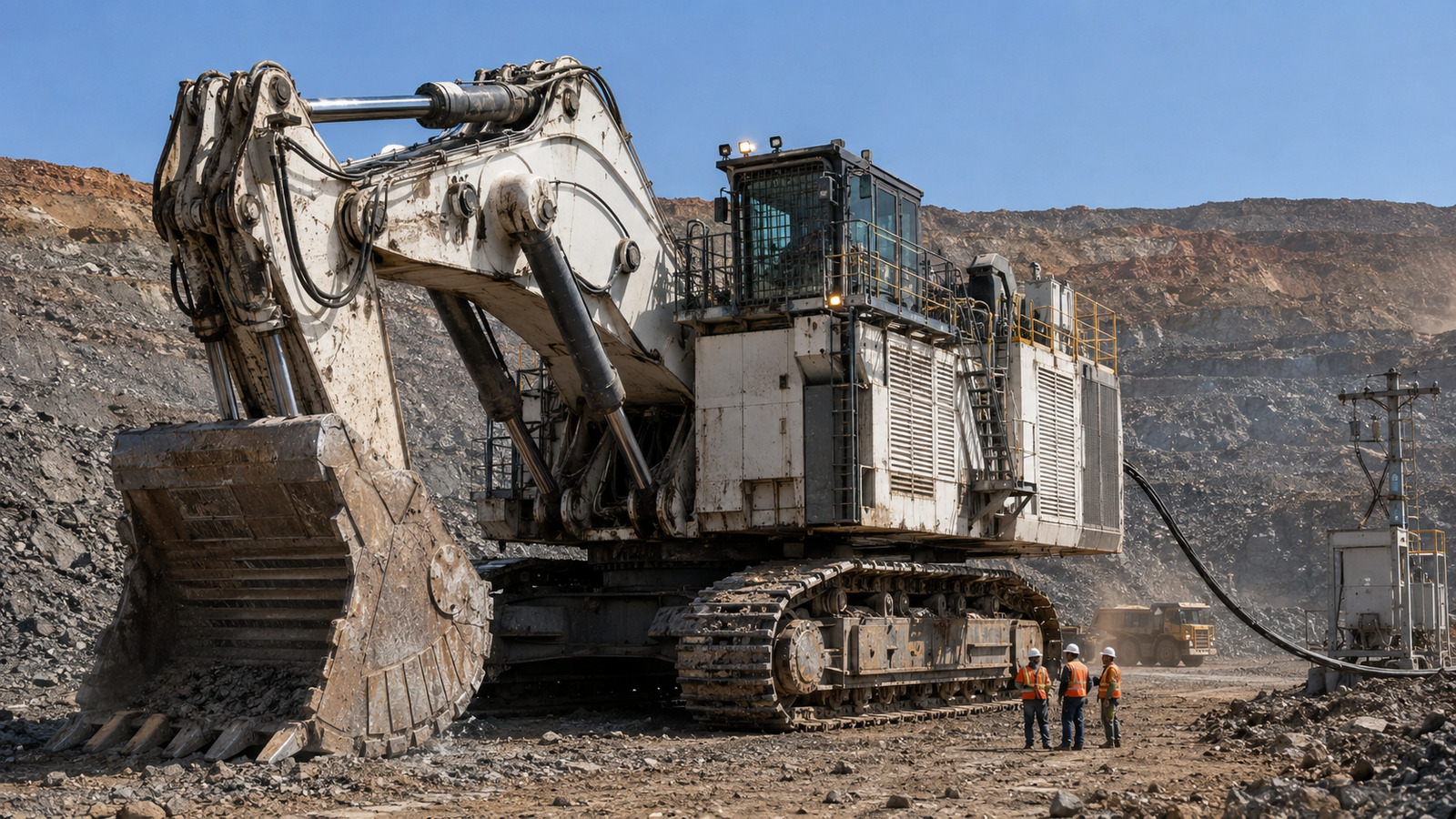
Unprecedented achievement in India: a colossal 650-ton, nearly 3,000 hp excavator is transformed into 100% electric, marking a new phase in heavy mining.
Furthermore, Europe as a whole faces recycling challenges. However, analysts warn that the United Kingdom may fall even further behind, as it lacks a strong national battery industry for electric vehicles.
Origin of the Idle Batteries
The majority of the accumulated batteries come from early models of electric cars and vehicles that suffered total loss in accidents. About 30% are from energy storage projects, according to the startup.
Therefore, even though the number of electric cars at the end of their useful life is still low, the stockpile has increased significantly. The greater penetration of battery-powered vehicles has caused this volume to grow continuously.
Chris Hazell, director of Fellten, a company that repurposes batteries for storage solutions, said that the stockpiles are now at a point where recycling could become viable.
Economics That Hinder the Process
The economic issue weighs heavily. The decline in raw material prices has made recycling unattractive. Used batteries contain valuable metals, such as lithium and nickel. However, lithium prices have plummeted since 2022.
Julia Harty, from Fastmarkets, highlighted that lithium iron phosphate batteries, used in many vehicles, currently have low recycling value.
Exporting the so-called “black mass” — crushed battery material — also does not solve the problem. The process is expensive, bureaucratic, and dangerous. Lithium-ion batteries pose fire risks, making it difficult even to obtain insurance for transport.
“Batteries are expensive to dispose of and cannot go to landfills, but crushing electric vehicle packs is also costly,” stated Max Reid, an analyst at CRU.
Lack of Infrastructure in the Country
Although the United Kingdom has crushing capacity, there is no commercial refining. This means that the material must be sent abroad, increasing costs and risks.
Furthermore, industry executives blame the absence of clear regulations. A patchwork of regulations and standards hinders the progress of recycling.
“There is no governance, regulation, or process for people to follow… so the batteries simply go nowhere,” said Alan Bastey, electric vehicle specialist at Zenith, a partner of Altilium.
According to him, some batteries circulate in parallel markets, posing safety risks. Some even appear on eBay.
In another case, batteries sold to a salvage company were only in containers, deteriorating and posing environmental risks.
Electric Batteries: Automakers’ Actions
Some automakers have their own programs. Jaguar Land Rover stated that it stores used batteries in its reuse program or sends them for recycling with partners.
Nissan also collects used batteries for free, directing them for reuse or recycling.
Therefore, while some private initiatives attempt to give a proper destination to the batteries, the lack of a structured supply chain in the country still hinders a solution to the problem.
With information from Folha de São Paulo.