






 Portuguese
  Spanish
  3 min of reading


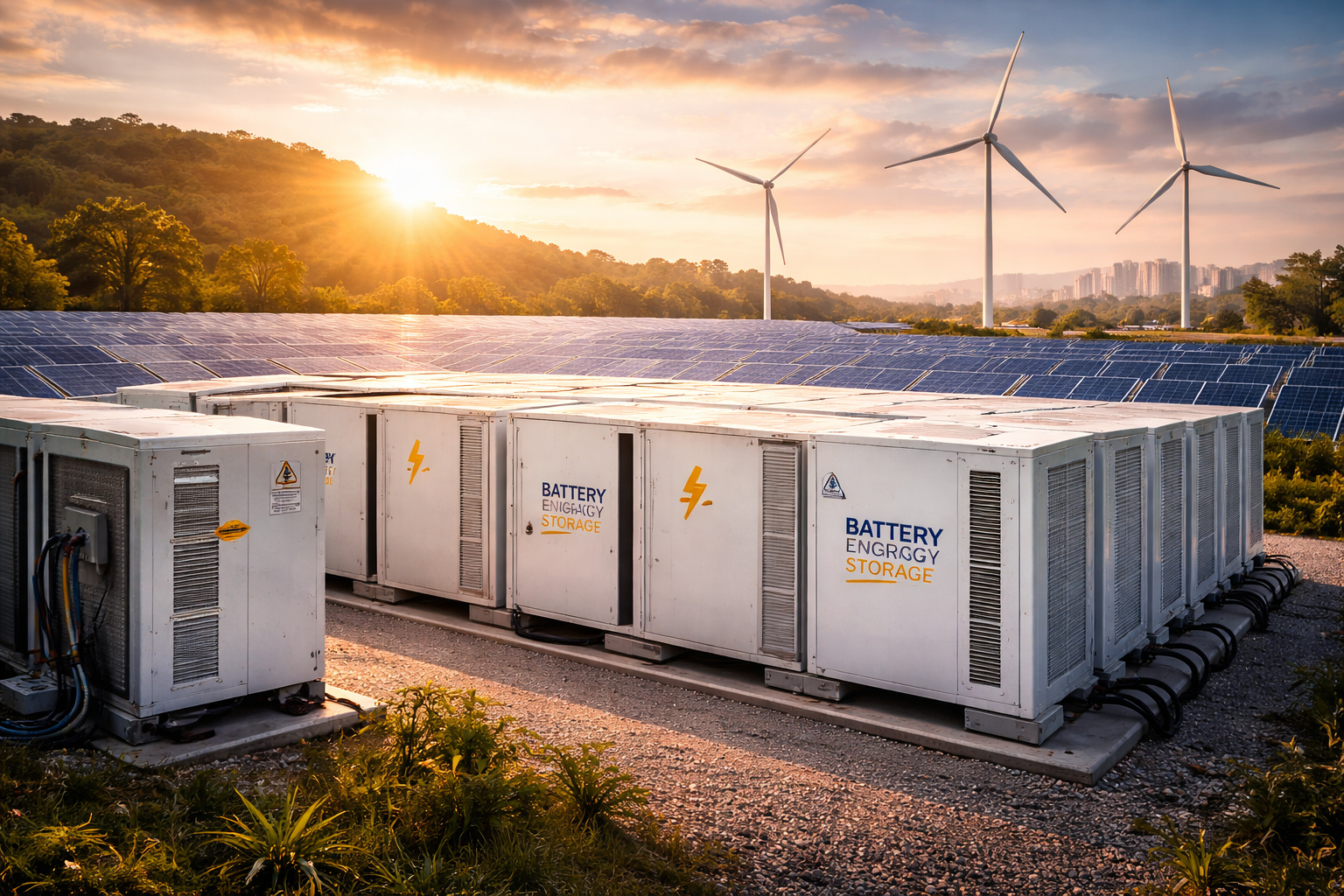
Currently, the advancement of renewable energy in Brazil depends not only on generation but also on efficiency. In this sense, battery storage systems gain prominence. According to an estimate from the Brazilian Association of Energy Storage Solutions, this market could generate more than R$ 70 billion in the next nine years.
Moreover, the growth of the sector responds to a clear need. Solar and wind generation is growing rapidly. However, without storage, part of this energy is lost. Therefore, batteries emerge as a strategic element to consolidate the energy transition.
Why Batteries Have Become Essential
First of all, batteries allow energy to be stored when production is high. Subsequently, this energy can be used during peak consumption times. Thus, the system becomes more balanced.
-
Brazilian scientists are simultaneously advancing two research projects on clean hydrogen and driving solutions that could transform the energy matrix, enhance industrial competitiveness, and accelerate large-scale emission reduction targets.

-
Advancement in renewable energy: A R$ 150 million project launched by Petrobras and Finep aims to create state-of-the-art electrolyzers for green hydrogen, strengthening national research and preparing Brazil to compete in a billion-dollar energy market.
-
Illiterate or semi-literate grandmothers were trained to repair solar systems, open rural workshops, and light up homes that still depended on kerosene.
-
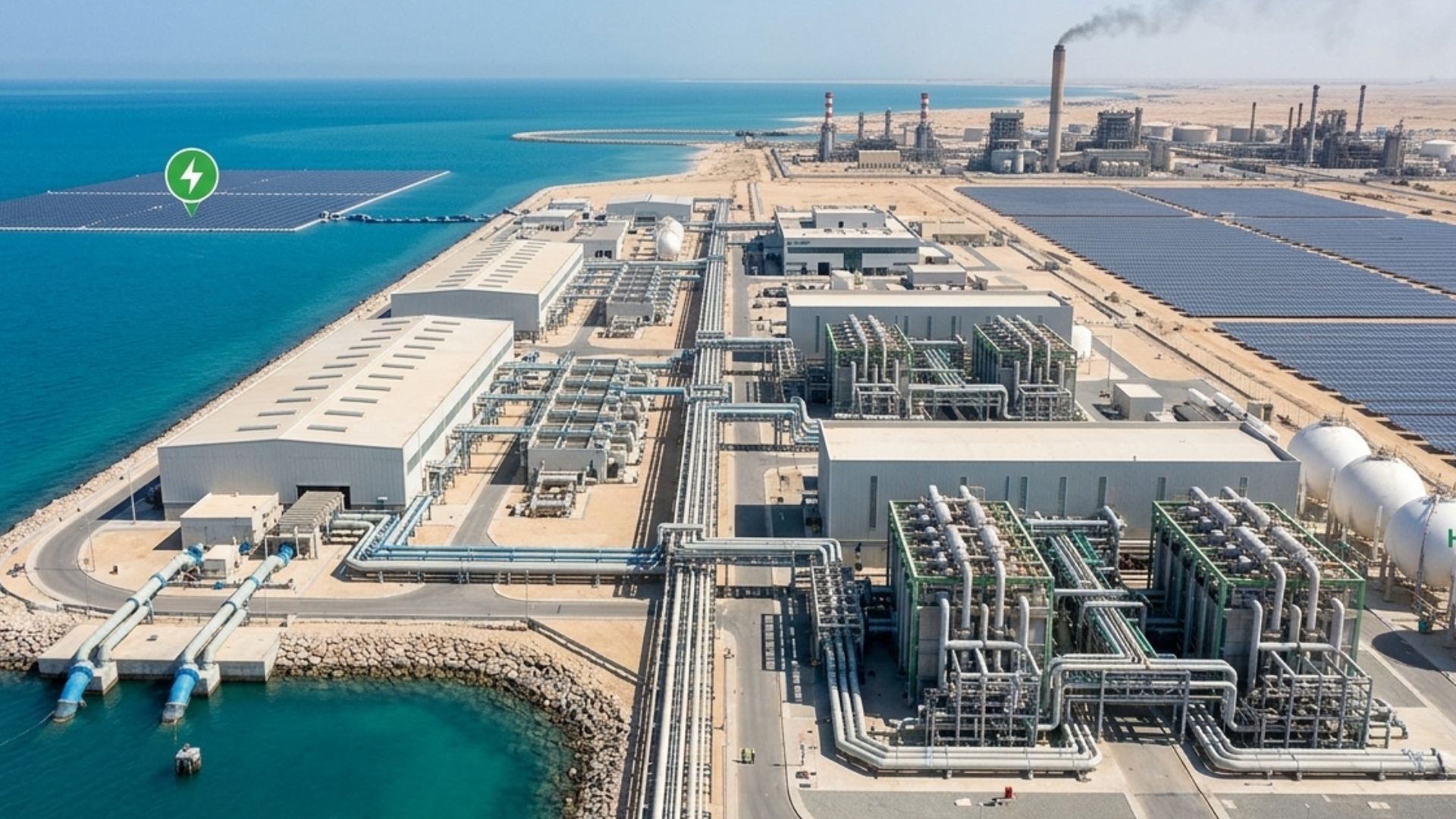
The world has bet on green hydrogen as the fuel of the future, but now faces the side effect: producing 1 kilogram requires about 9 liters of ultrapure water, and the largest projects on the planet are precisely in the driest regions of the Earth, where water is already scarce for people.




In the case of solar energy, for example, generation occurs during the day. However, consumption tends to increase at night. Thus, without batteries, a mismatch arises. With storage, this problem decreases significantly.
Additionally, according to data from the electrical sector, a significant portion of renewable energy today is not utilized. Therefore, the lack of storage represents a structural bottleneck.
The Brazilian Scenario and Current Challenges
Brazil already occupies a prominent position in renewable energies. Currently, most electricity comes from clean sources, such as hydropower, solar, wind, and biomass.
Still, the system faces limitations. In regions with strong solar and wind generation, the grid does not always manage to absorb all the production. As a result, generation cuts occur.
In this context, batteries act as a bridge between generation and consumption. They help reduce waste and increase the efficiency of the electrical system.
A Billion-Dollar Market Under Construction
According to Absae, the storage market could exceed R$ 70 billion by 2034. This value considers large-scale projects and smaller solutions.
For example, industries and commercial centers are already analyzing the use of batteries to reduce costs. Likewise, rural properties and isolated communities can gain greater energy autonomy.
Furthermore, hospitals, data centers, and essential services see storage as a way to ensure energy security. Therefore, the sector’s growth tends to be broad and diverse.
The Advancement of Regulation and Next Steps
Alongside market growth, the regulatory environment is beginning to evolve. The federal government announced the first capacity reserve auction with batteries.
With this, storage systems will be able to provide energy to the electrical system. According to the government, the operation is scheduled to begin in 2028, with long-term contracts.
Thus, in addition to attracting investments, the measure increases the sector’s predictability. Consequently, companies will start to plan projects with more security.
Economic and Strategic Impacts
The development of the battery market generates impacts that go beyond energy. On one hand, there is potential for job creation and strengthening of the national industry. On the other hand, there is growing interest from foreign investors.
Additionally, storage reduces dependence on thermal power plants. As a result, the system becomes cleaner and less costly.
Therefore, batteries help reduce costs, emissions, and operational risks, while also strengthening the competitiveness of renewables.
Batteries as the Axis of the Energy Transition
The energy transition requires more than new generation sources. Above all, it needs solutions that ensure stability.
In this scenario, batteries take on a central role. They allow for the integration of different sources and better respond to variations in consumption.
Thus, experts point to storage as one of the main frontiers of the electrical sector. Moreover, Brazil has favorable conditions to advance rapidly in this area.
Official Sources and Chronological Context
According to Absae, the estimate of more than R$ 70 billion considers the period until 2034. Furthermore, according to announcements from the federal government, the first battery auction is scheduled for this decade.
According to data from energy sector institutions, more than 90% of Brazil’s electrical matrix is already renewable. However, the full utilization of this energy depends on the advancement of storage.
Thus, batteries establish themselves as a key piece for the future of renewable energy in Brazil. At the same time, the sector enters a new phase, marked by investment, innovation, and regulatory maturity.






Be the first to react!