Portuguese
  Spanish



In Minas Gerais, Technology Developed by Epamig ILCT and Fiocruz Promises More Nutritious and Stable Milk for Premature Babies, Increasing Caloric Value and Reducing Risks in Neonatal ICUs
Premature babies face critical nutritional challenges in their first days of life, when every calorie can determine survival, according to a report published.
With this in mind, an unprecedented study conducted by the Agropecuary Research Company of Minas Gerais (Epamig ILCT) in partnership with the Oswaldo Cruz Foundation (Fiocruz) is revolutionizing how human milk is prepared for neonatal ICUs.
The study, initiated in 2019, adapts technologies already used in the dairy industry to ensure that donated milk maintains its full nutritional value, reducing losses of fat and nutrients during processing.
-
In Andradina, in the interior of SP, a tannery transformed tilapia skin that slaughterhouses used to throw away into exotic leather for bags, shoes, and even wedding dresses, producing about 2,000 pieces per month and exporting to seven countries, proving that fish waste has become high-value fashion.

-
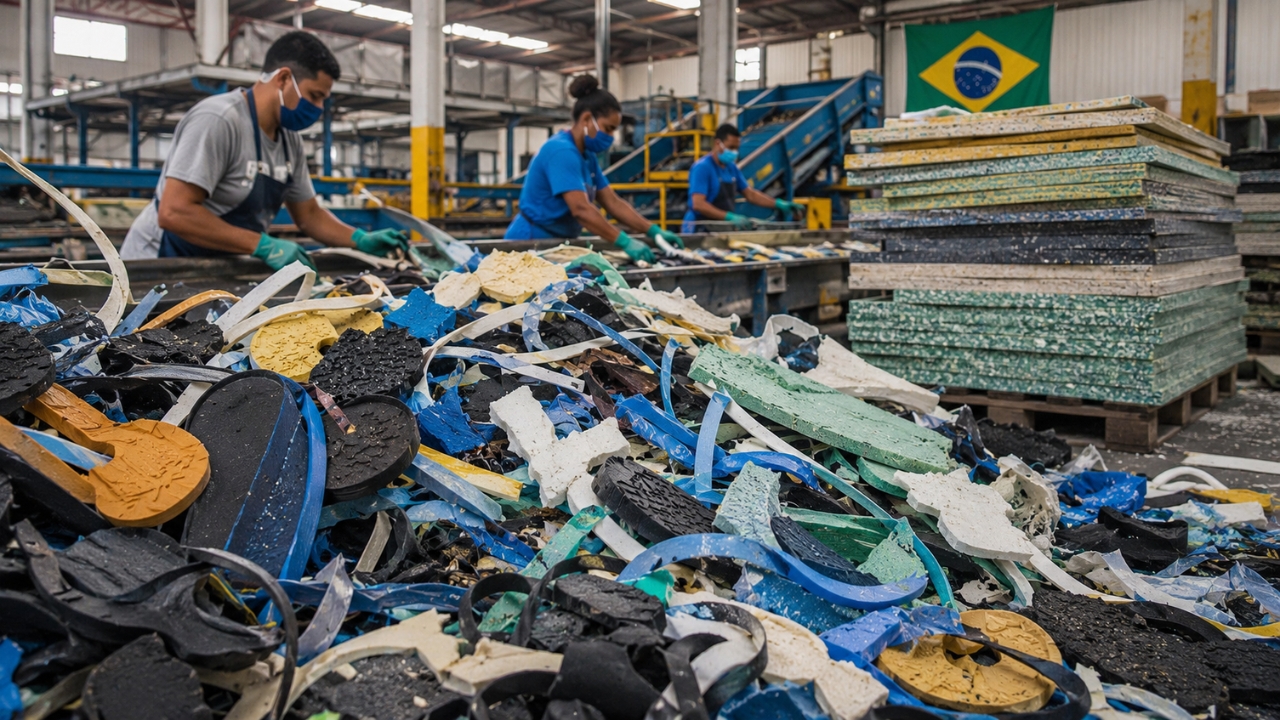
The industrial waste that even recyclers didn’t want has gained value in the interior of Bahia: two entrepreneurs invested R$ 2.8 million to transform 350 tons per year of foam, rubber, and plastic into boards that can replace wood and MDF.

-
What is a red flashlight used for, after all? See why it is so commonly used at night.

-
He has never read a line of code, but he already knows how to work: the French company UMA presented in Paris the Northstar, its first AI-powered humanoid robot designed for factories and warehouses, capable of copying tasks just by observing an employee in action.



The result is an innovation that promises to improve growth, weight, and neurological development of these small patients, in addition to helping reduce neonatal mortality in the country.
Homogenization Technology Ensures Complete Nutrition and Reduces Human Milk Waste
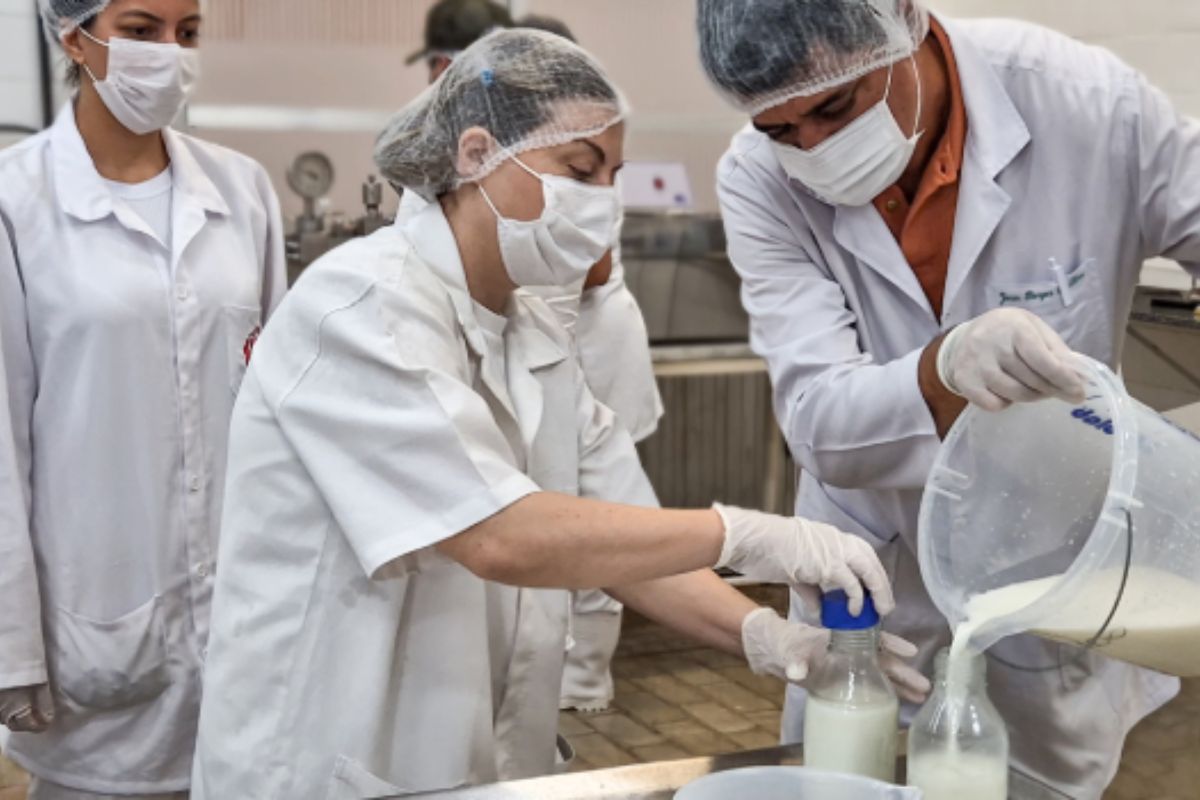
The technique under development uses a small homogenizer to process donated milk for human milk banks.
During the process, the liquid is subjected to pressure and passes through micro-holes, breaking down fat globules into smaller and stable particles.
This adaptation prevents fat from separating and sticking to the bottles or tubes used in the ICUs, a common problem that made the milk partially skimmed.
According to researcher Denise Sobral from Epamig ILCT, this advancement marks a milestone for milk banks, as the food offered to premature babies will maintain the necessary energy content to support their recovery and weight gain.
The technique has been tested with different pressures and temperatures, ensuring that the milk preserves not only fat but also essential vitamins and immunological factors.
Partnership Between Fiocruz and Epamig Strengthens Innovation in Human Milk Banks
The scientific cooperation between Epamig ILCT and Fiocruz marks a historic moment for applied research in neonatal nutrition in Brazil.
Neonatologist Maria Elizabeth Moreira, a specialist in enriched breast milk for premature babies, highlights that this partnership came after nearly twenty years of seeking an institution with expertise in dairy processing.
The joint effort involves the Human Milk Bank of the Fernandes Figueira Institute (IFF/Fiocruz), which participates in pre-clinical tests.
The first stage of the project established the ideal homogenization conditions; now, researchers are simulating the behavior of processed milk in the infusion pumps used in ICUs.
Jonas Borges da Silva, manager of the Quality Control Laboratory for Human Milk at Fiocruz, explains that “homogenized milk maintains a uniform appearance and shows no phase separation.” Clinical trials are expected to begin in 2026.
Promising Results Indicate Increased Caloric Value and Neonatal Food Safety
The results obtained so far confirm that the homogenization method preserves nutrients and increases the caloric density of human milk administered to premature babies in neonatal ICUs.
In addition, the processing prevents losses during freezing, thawing, and transport, critical stages that could significantly reduce the energy content of the milk.
Fiocruz and Epamig ILCT also conduct analyses of microbiological safety and nutritional efficiency, ensuring that the processed milk meets the highest quality standards.
Doctor Maria Elizabeth Moreira emphasizes that the proposal goes beyond simply improving composition: the goal is to ensure that the food is completely utilized, contributing directly to growth and child neurodevelopment.
According to her, each advancement represents an important step towards offering a more efficient, stable, and safe human milk for public hospitals in Brazil.
Research Expands Social and Scientific Impact on Neonatal Care
With the adoption of this technology, milk banks will be able to optimize resources and increase the availability of enriched human milk.
This directly impacts the survival and recovery rates of premature babies, especially those weighing less than 1.5 kilograms.
The expectation is that, by 2026, the method will already be in clinical application, benefiting hundreds of neonatal ICUs across the country.
For the researchers involved, the project is a landmark innovation with significant social impact, resulting from the union of science, technology, and public commitment to neonatal health.
Researcher Denise Sobral celebrates: “We are very close to offering better quality milk for those who need it most.”