Portuguese
  Spanish


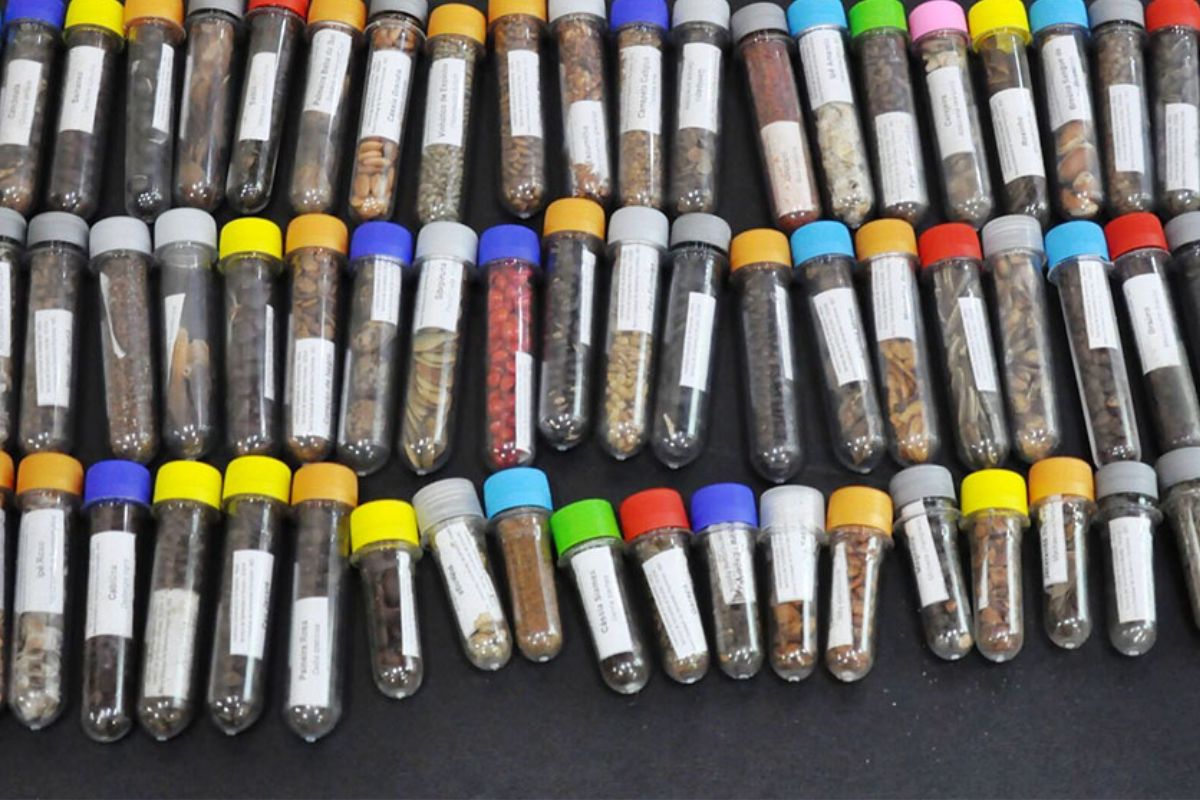

The Partnership Between Embrapa and Morfo Brazil Invests in Research on Forest Seeds to Restore Brazilian Biomes, Improving Germination, Conservation and Environmental Efficiency at Scale
The brazilian biomes are the target of a study coordinated by Embrapa Agrobiology and Morfo Brazil. It is a meticulous analysis of the seeds of native species of the Atlantic Forest, Cerrado and Amazon, which concentrate a significant part of the planet’s biodiversity and suffer from historical degradation.
According to Emira Cherif, scientific director of Morfo, the research aims to define unprecedented management and conservation protocols, enhancing the germination process and seed storage, according to a report published.
With an expected duration of two years, the work should generate concrete advances in productivity and cost reduction in ecological restoration programs.
-
Nuclear Fusion Study Proposes Transforming Mercury into Gold Using Tokamak Neutrons, but Real-World Application Remains Uncertain

-
Brazilian Researchers Develop Floor Tiles That Convert Student Footsteps into Electricity to Reduce University Energy Costs

-
Cambridge Scientists Achieve Solar-Powered Plastic Recycling, Converting Waste into Valuable Chemicals Without Fossil Fuels, Paving the Way for a Low-Carbon Circular Economy

-
In Ghana, Makafui Awuku Turns 250-300 Water Sachets Into Each 30-Year-Lasting School Desk, Lifting Children Off Classroom Floors


Science and Technology to Accelerate Environmental Restoration
Scientist Juliana Müller Freire, from Embrapa Agrobiology (RJ), emphasizes that the challenge lies in the enormous diversity of species and the lack of information about the behavior of many of them.
The difficulty in obtaining seeds in adequate quantity and quality still makes projects more expensive.
Compared to agricultural seeds, forest seeds lack standardized processing techniques, which compromises the efficiency of reforestation programs.
According to Freire, “the partnership with Morfo guarantees the supply of clean seeds, collected and ready for study, strengthening the scientific base that will support the restoration of Brazilian biomes.”
The study also faces a global bottleneck: the scarcity of quality seeds. A study from the University of Sydney, led by Danilo Urzedo and published in the journal Forests, revealed that Brazil needs between 3.6 thousand and 15.6 thousand tons of seeds to meet its restoration goals.
The difference, nearly five times, results from the variation in the quality of batches. With high vigor seeds, only 3.6 thousand tons would be needed, while low-quality batches can raise the demand to 15.6 thousand tons, directly impacting costs.
The Quality Route: From Collection to Storage of Native Seeds
Morfo Brazil will send monthly to Embrapa batches of seeds purchased from collectors working in the three biomes. These batches will undergo germination, purity, and moisture content tests, as well as the calculation of the weight of a thousand seeds.
The germination percentage and the number of seeds per kilo will allow for comparisons of efficiency among species.
At the same time, a literature review will seek information on drying, storage, and dormancy of each type, identifying knowledge gaps and appropriate conservation protocols.
Quality control follows the guidelines of the Seed Analysis Rules (RAS) and Instructions for Analyzing Seeds of Forest Species, documents from the Ministry of Agriculture and Livestock (Mapa).
In the laboratory, purity, vigor, and viability are assessed, ensuring that the seeds maintain the genetic potential suitable for the planting site.
Factors such as color, size, weight, and moisture content are essential indicators. According to FAO, quality seed is one that can produce healthy and well-adapted offspring.
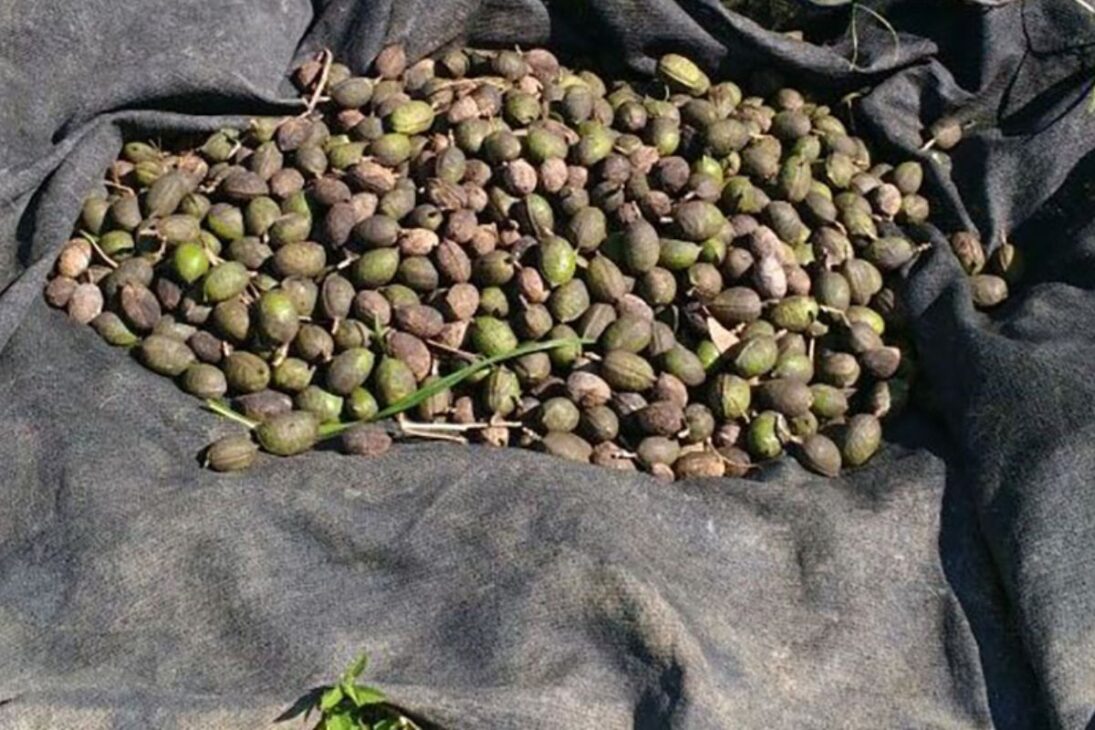
Data from Embrapa shows that high-quality seeds drastically reduce the use per hectare.
In direct seeding, 37 kilos of low-quality seeds (less than 30% germination) are needed per hectare, while 17 kilos of high vigor seeds (more than 45% germination) produce the same result.
This difference can cut costs by up to five times, making restoration programs more viable and sustainable for Brazilian biomes.
The process of obtaining forest seeds follows a complex and controlled journey, with several essential steps:
- Selection of seed sources: ensures traceability and genetic origin, in compliance with the National Seed and Seedling System.
- Harvesting and extraction: done from collected fruits, respecting the ideal period and characteristics of each species.
- Drying: can be natural (in drying yards) or artificial (in greenhouses), a crucial stage for viability.
- Processing: removes undesirable materials, such as immature or empty seeds, enhancing physical purity.
- Storage and planting: adequate conservation maintains viability throughout the year and allows for use in direct seeding or nurseries.
These procedures ensure that the final input meets the quality standards required by environmental programs.
In some species, such as mamica-de-porca (Zanthoxylum rhoifolium), the challenge is to overcome low germination, even after multiple studies.
Others, classified as recalcitrant, cannot tolerate drying and require strict control of moisture and fungi.
Communities, Legislation and Innovation: The Social Link in the Restoration of Brazilian Biomes
The value chain of forest seeds is a strategic element in the ecological restoration of Brazilian biomes.
The collection and commercialization of these seeds involve thousands of workers, especially traditional communities, indigenous peoples, and family farmers.
These community networks ensure genetic diversity and the preservation of local knowledge.
However, they face technical and logistical barriers, such as the lack of equipment and information on storage.
Researcher Juliana Freire explains that knowing the viability time of each species helps in production management and commercialization.
The braúna, for example, maintains quality for nine months in an uncontrolled environment, while the ipê lasts only three months.
This information allows collectors to optimize the use of refrigerators and avoid losses. Technical learning, therefore, strengthens the autonomy of these networks and increases local income.
The sector, however, still lacks specific regulation. The National Register of Seeds and Seedlings (Renasem), aimed at commercial agriculture, does not address the specificities of native forest seeds.
More than a thousand collectors remain unregistered, which makes an important part of the chain invisible.
Restoration of Brazilian Biomes and a More Sustainable Future
To change this scenario, a study published in the journal Forests suggests six strategies: government incentives, monitoring of restoration goals, community participation, adaptation of legal norms, encouragement of research, and market diversification.
These measures can generate environmental and economic benefits, promoting a more inclusive and sustainable bioeconomy.
By integrating technological innovation, public policies, and traditional knowledge, the country advances in the restoration of Brazilian biomes and strengthens its global leadership role in sustainability.
Morfo Brazil contributes with cutting-edge solutions. Founded in 2022, the Franco-Brazilian startup has developed a patented methodology for large-scale forest restoration based on three pillars: forest intelligence (systemic analysis and biodiversity plan), scalable implementation (using drones and seed encapsulation), and monitoring with artificial intelligence.
The company has already cataloged more than 360 native species, but many still lack studies on processing, germination, and storage.
Embrapa, in turn, has decades of experience in agrobiological research and ecological restoration.
Its activities range from the development of seed and seedling technologies to supporting the formulation of public policies aimed at environmental recovery.
Together, the two institutions combine scientific innovation and operational intelligence, strengthening the fulfillment of national restoration goals.
The goal of restoring 12.5 million hectares by 2030 reflects Brazil’s international commitment to the Paris Agreement and the Bonn Challenge, launched in 2011 to restore 350 million hectares worldwide.
By officially joining in 2015, the country consolidated its global leadership in reforestation and conservation.
Scientific advances in forest seed technology, therefore, are an essential piece of this commitment, making the recovery of degraded areas and the strengthening of brazilian biomes in the face of climate change and the environmental challenges of the 21st century feasible.